The Best PC Roguelikes and Roguelites: Top Games for Endless Replayability
Discover the top PC roguelikes and roguelites, from action-packed adventures to deep strategy and card-based games. Learn the key differences between roguelikes and roguelites, and find the perfect game for your playstyle-whether you crave fast-paced combat, complex tactics, or unique indie mechanics.

PC roguelikes are beloved for their ability to surprise players with new scenarios, even after dozens of hours. Maps are randomized, items drop unpredictably, familiar strategies suddenly fail, and a failed run often leads to the irresistible urge to start anew.
Roguelike vs Roguelite: Key Differences
Today, the word "roguelike" typically encompasses two related genres: roguelike and roguelite. Both offer dynamic action, card games, tactical strategies, and unique indie titles designed for countless replays, but they differ in how player progress is treated after each run.
What Defines a Roguelike?
Classic roguelikes are built around the idea of nearly total resets after defeat. If your character dies, the run ends, and the next one begins from scratch with a new map, set of items, enemies, and random events.
Procedural generation is crucial-levels never repeat exactly, so you can't simply memorize enemy placements and breeze through. Players must adapt to whatever the current run throws at them.
Another hallmark is the high cost of mistakes. A single bad choice can wipe out a long-developed character, encouraging careful play, mastery of mechanics, and strategic resource management.
Few modern games follow this formula to the letter. Instead, many borrow select genre elements-randomized maps, permanent death, or the need to restart runs-while introducing their own twists.
What Is a Roguelite?
Roguelites use a similar core structure but let players retain some progress between attempts. After dying, you might unlock new weapons, improve stats, gain abilities, or access new areas.
Every defeat still provides value: the next run begins not entirely from zero, offering more development options or small advantages that help you advance further each time.
This approach makes the genre more accessible. Even if you can't win on your first try, nearly every run unlocks something new and creates a sense of constant progression.
Most modern hit PC roguelikes are technically roguelites-combining unpredictability and replayability with less punishing defeats.
Why Both Genres Are Called "Roguelikes" Today
The line between roguelike and roguelite has blurred. Many games blend features of both: randomly generated levels, total resets after death, but also persistent unlocks and upgrades.
In everyday use, "roguelike" now refers broadly to both strict permadeath titles and more forgiving roguelites. However, the distinction is still useful: for maximum unpredictability and punishing mistakes, seek out traditional roguelikes; for steady progress and gradual power growth, roguelites are often a better fit.
Top Action Roguelikes for PC
Action roguelikes test not just your build and luck, but your reflexes. Even a great set of upgrades won't guarantee victory: you'll need to dodge, time your attacks, and adapt to new threats on the fly.
Hades & Hades II
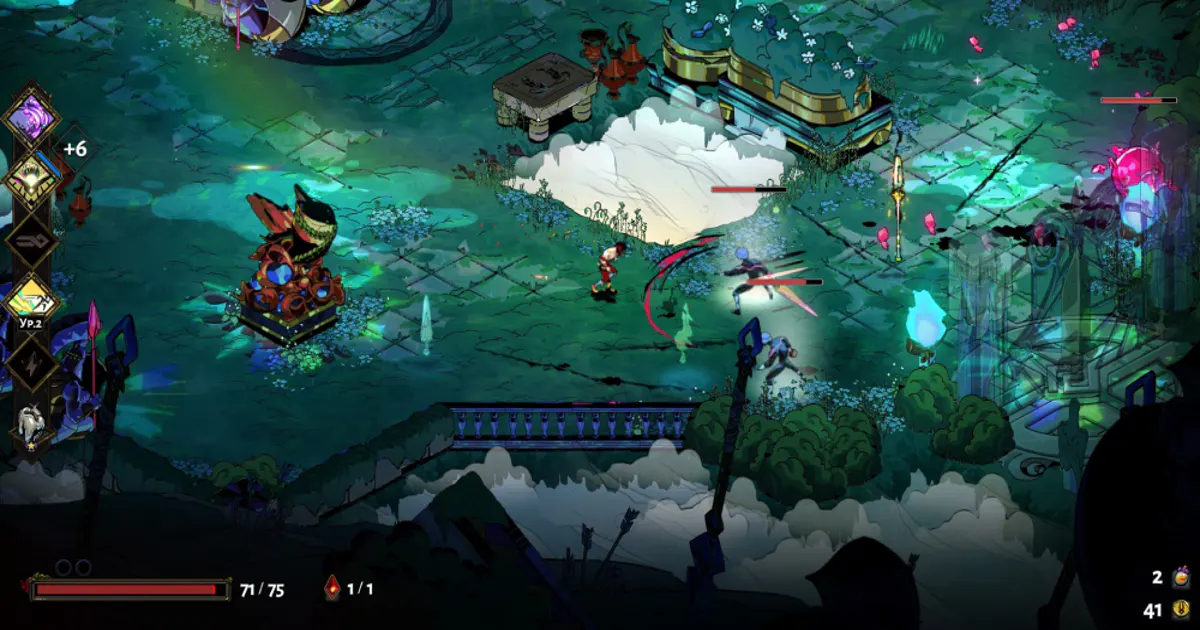
Hades is the perfect introduction to the genre. Each run takes you through shifting rooms, collecting godly boons, weapon upgrades, and effects that can completely change your combat style.
Defeat isn't wasted time: after dying, you return to a central hub with new dialogues, story events, and permanent upgrades. Even failed attempts move your progress forward.
Hades II expands on this formula, introducing a new protagonist, weapons, magic, and a revamped upgrade system that encourages experimentation.
Both games are ideal for those seeking a roguelite with fast-paced combat, meaningful progression, and a story that unfolds over many runs.
Dead Cells
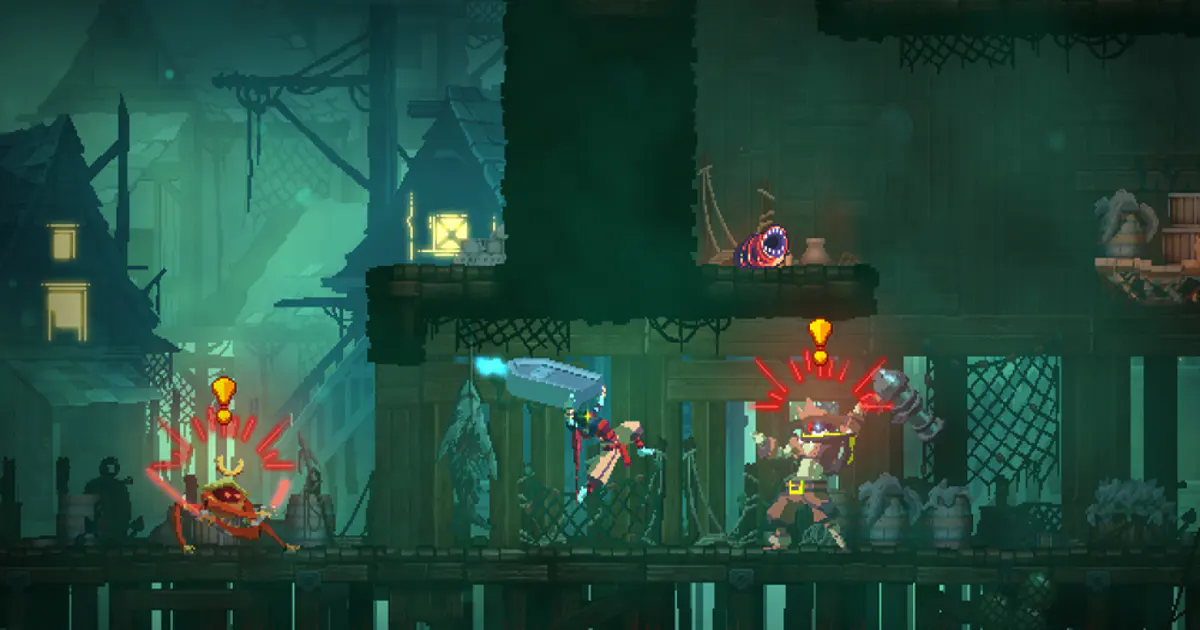
Dead Cells merges roguelike mechanics with 2D platforming and rapid combat. You explore interconnected areas, collect weapons, upgrades, and mutations, but lose most progress upon death and start anew.
Your arsenal shapes your experience: swords for close combat, bows for range, shields for parries, and traps or skills for creative builds. Routes also vary as new paths between zones unlock, so you're not repeating the same sequence every time.
Dead Cells is perfect for players who value responsive combat. Enemies demand constant movement, and late-stage mistakes can end even the best runs in seconds.
Risk of Rain 2
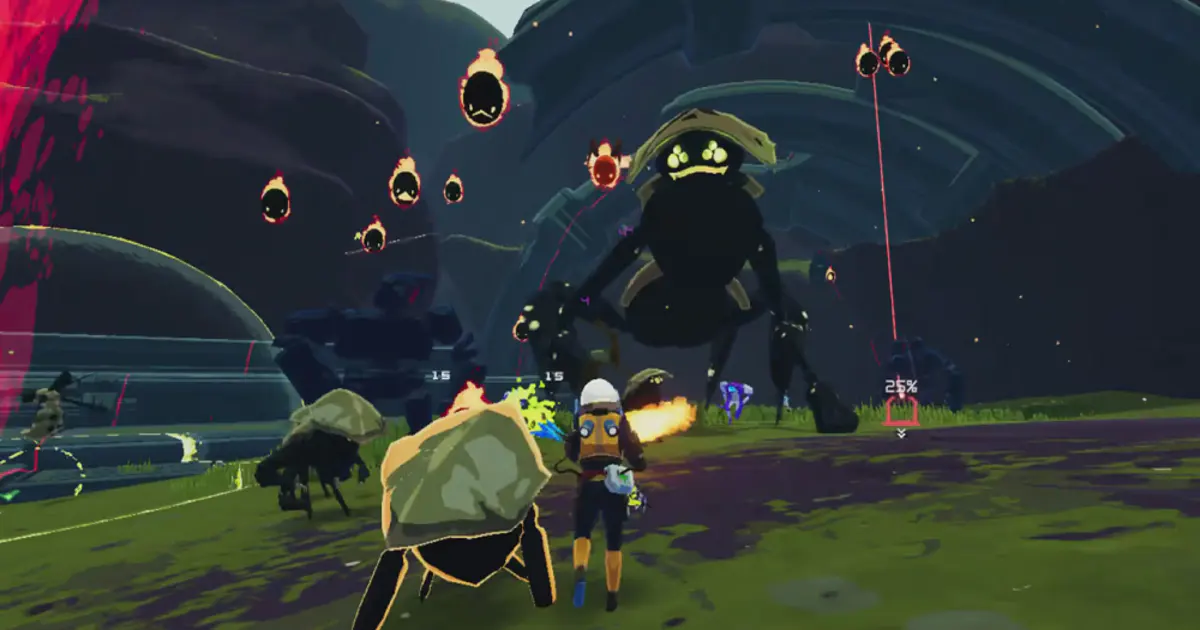
Risk of Rain 2 translates the roguelite formula into full 3D. Players traverse large environments, battle waves of foes, collect items, and search for teleporters to advance.
The core mechanic is stacking items-most can be acquired multiple times, amplifying their effects, turning your character into a powerhouse of interacting abilities, bonuses, and auto-attacks.
Difficulty scales with time-linger too long, and future stages get tougher. This forces a choice between speed and building a stronger loadout.
Risk of Rain 2 also excels in co-op: players can divide loot and specialize roles for strategic synergy within their team.
Enter the Gungeon
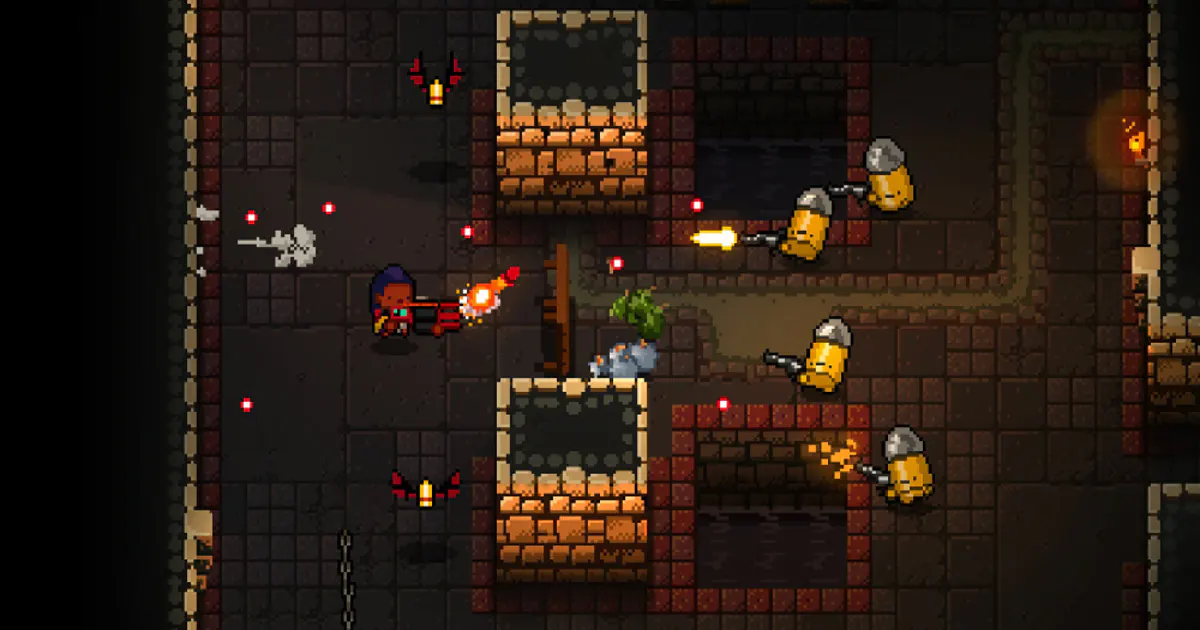
Enter the Gungeon blends roguelike structure with bullet hell chaos. Rooms fill with enemy projectiles, so you must shoot, dodge, and find safe spots simultaneously.
Replayability comes from the huge weapon variety-beyond pistols and rifles, there are intentionally absurd guns launching bizarre projectiles or interacting with other items in unique ways.
Each floor is freshly generated, changing room layouts, shops, secrets, and rewards. Even with experience, you can't simply plan a perfect route in advance.
Enter the Gungeon is for those who love challenge and mechanical skill. Permanent upgrades aren't enough-you'll need to master enemy attacks and hone your reflexes to succeed.
Best Strategy and Card-Based Roguelikes
Not all roguelikes demand quick reactions. In card and tactical games, the focus is on risk assessment, combo-building, and planning several moves ahead. Randomized cards, enemies, and rewards keep every run fresh, even after dozens of completions.
Slay the Spire
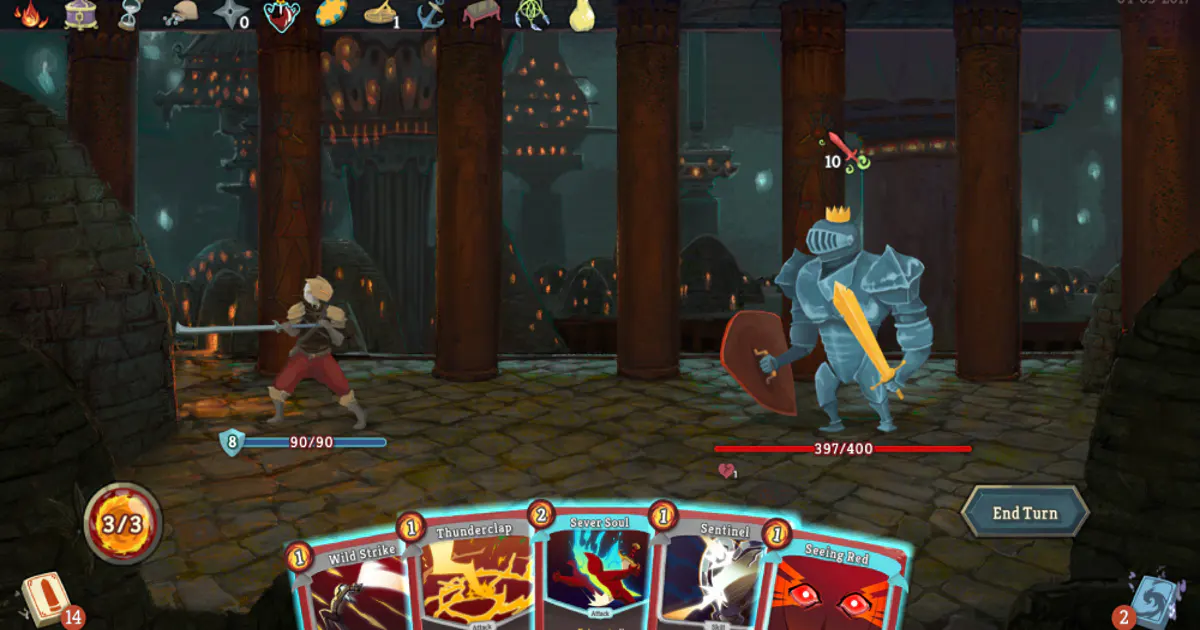
Slay the Spire is one of the most iconic card-based roguelikes. Your deck replaces traditional weapons, providing attacks, defenses, and special abilities drawn during combat.
Each win lets you add a new card, and relics grant passive bonuses. Gradually, you'll craft strategies-poison builds, rapid attacks, or powerful, high-cost combos.
More is not always better: a bloated deck can make it harder to draw crucial combos, so choosing which cards to skip is as important as picking the right ones.
Random events, varied paths, and enemy sets make every run unique, encouraging experimentation with different characters and higher difficulty levels.
Balatro
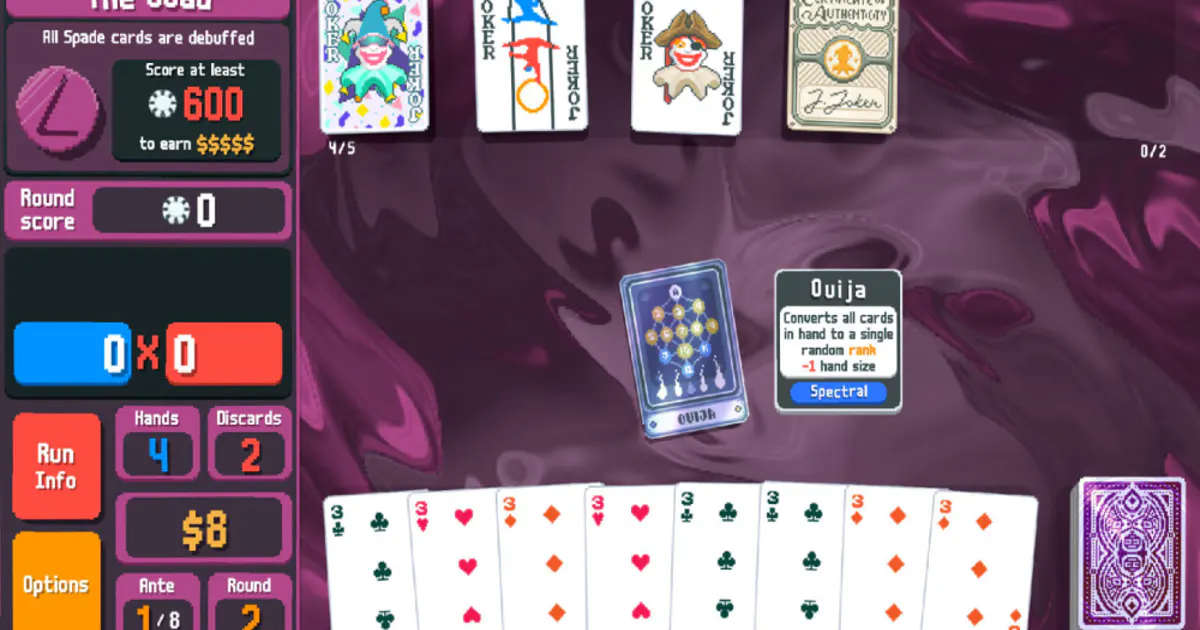
Balatro turns familiar poker hands into the core of a compelling roguelite. Build pairs, straights, flushes, and more to hit point targets within a limited number of hands.
But it's not just poker-Jokers radically alter scoring rules and enable wild combos. Some boost specific suits, others multiply points for certain cards, and some completely change your approach to runs.
You can also modify your deck mid-game: removing weak cards, upgrading strong ones, or adding special effects. This ensures no two successful runs play out the same way.
Balatro is proof that even simple core rules can drive immense replayability, as hunting for joker-card synergies can keep you engaged for dozens of hours.
Into the Breach
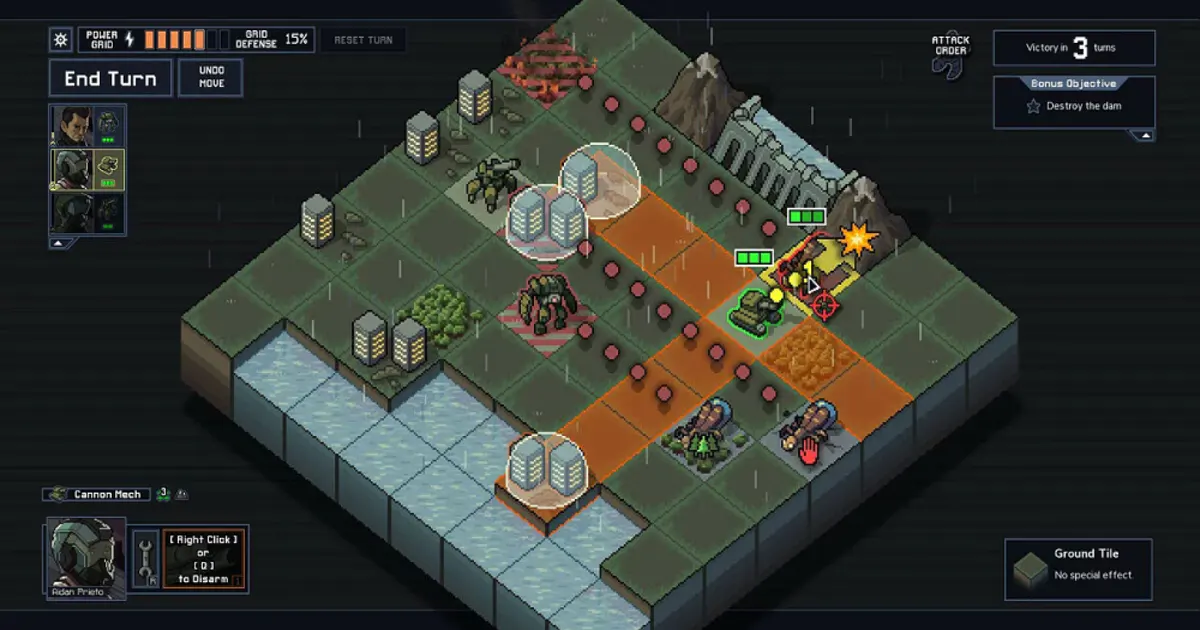
Into the Breach is a turn-based tactics game where you control a squad of mechs defending cities from giant monsters.
The twist: enemy actions are revealed in advance. Before your turn, you see exactly where foes will move and attack, making the challenge more about finding optimal solutions than reacting to surprises.
Sometimes it's better to push an enemy aside, force them to attack each other, or block new threats from spawning. Even small battlefields become logic puzzles where every unit's position matters.
Squad composition and available upgrades change between runs, and different mech teams require distinct strategies, keeping the game fresh even as you master one approach.
Darkest Dungeon
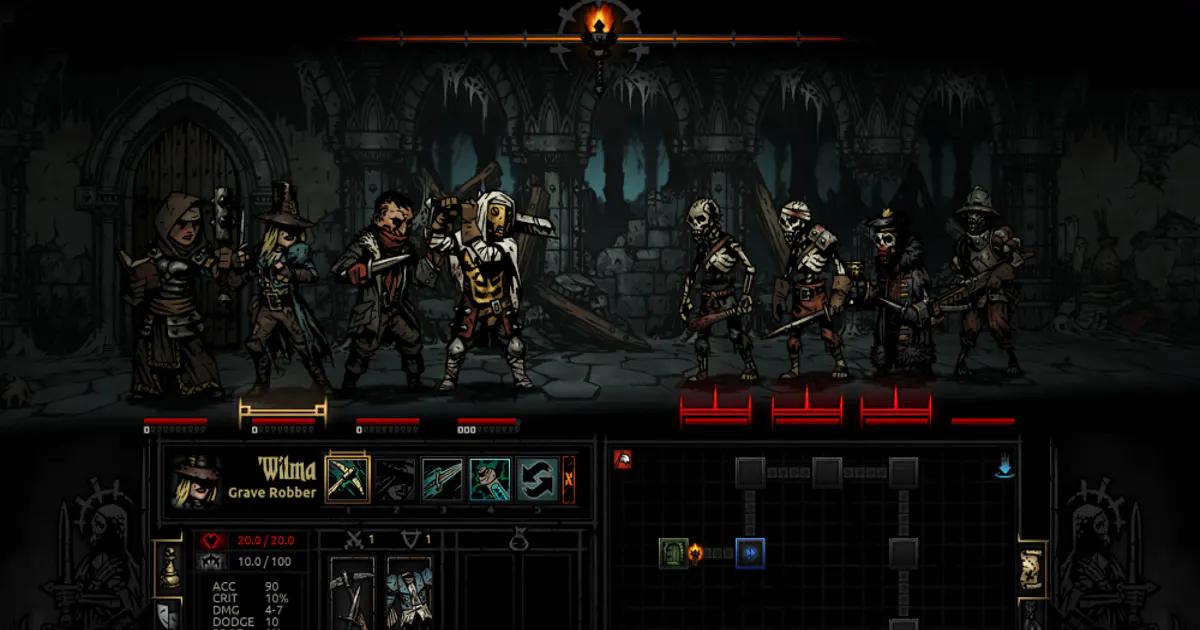
Darkest Dungeon merges roguelike elements with party management. Instead of a single hero, you build a squad from various classes and send them into perilous dungeons.
You must monitor not just health, but also stress, which can trigger negative effects, infighting, and reduced combat performance.
Team composition is vital: some heroes excel up front, others at range or as healers/debuffers. Losing a key member may force you to completely rethink your strategy.
Unlike fast-paced roguelites, Darkest Dungeon's replayability comes from risk management, squad building, and choosing between tempting rewards and the risk of losing valuable heroes.
Most Unique Roguelikes with High Replay Value
Some roguelikes stand out not just for randomization, but for novel mechanics rarely seen elsewhere. These games often deliver the highest replayability: even after dozens of hours, you'll still discover new combos, secrets, and systems to explore.
The Binding of Isaac: Rebirth
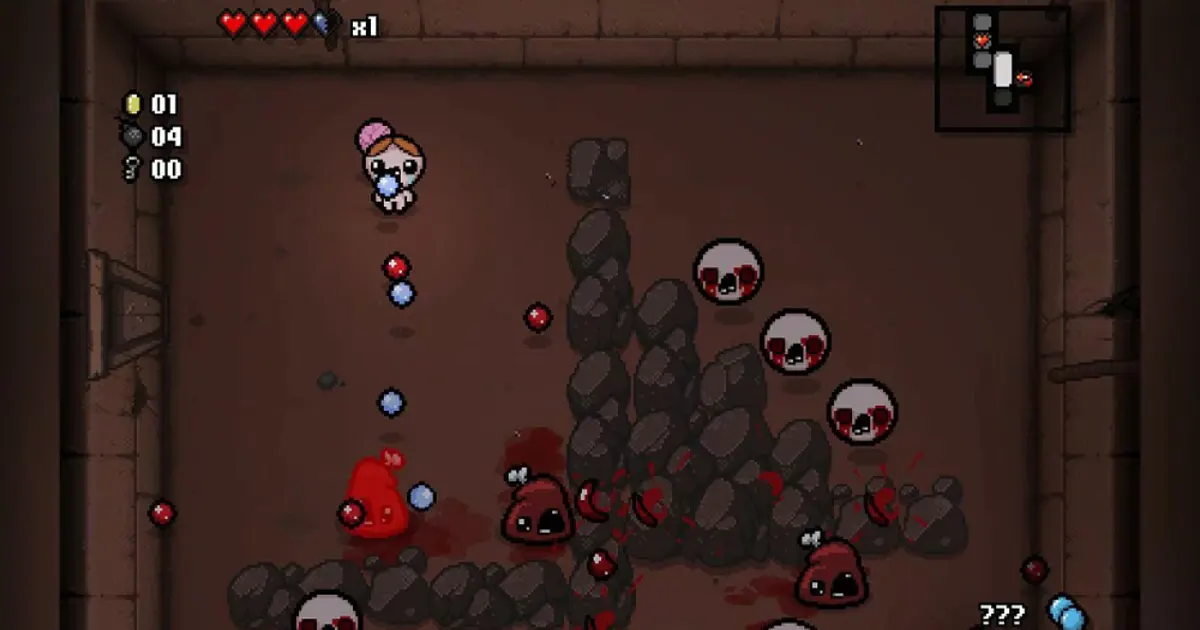
The Binding of Isaac: Rebirth centers on exploring random rooms, hunting for items, and fighting bosses. Its depth lies in the vast web of item interactions.
Each pickup changes your stats or abilities-some boost damage, others alter attacks or add bizarre effects. Items can combine into synergies, producing results impossible with standard upgrades.
No two runs feel the same: one attempt may end quickly due to poor drops, while another might turn you into a powerhouse on the first floors. The sheer number of characters, items, secrets, and challenges makes Isaac one of the richest roguelikes for those who love uncovering complex mechanics.
Noita
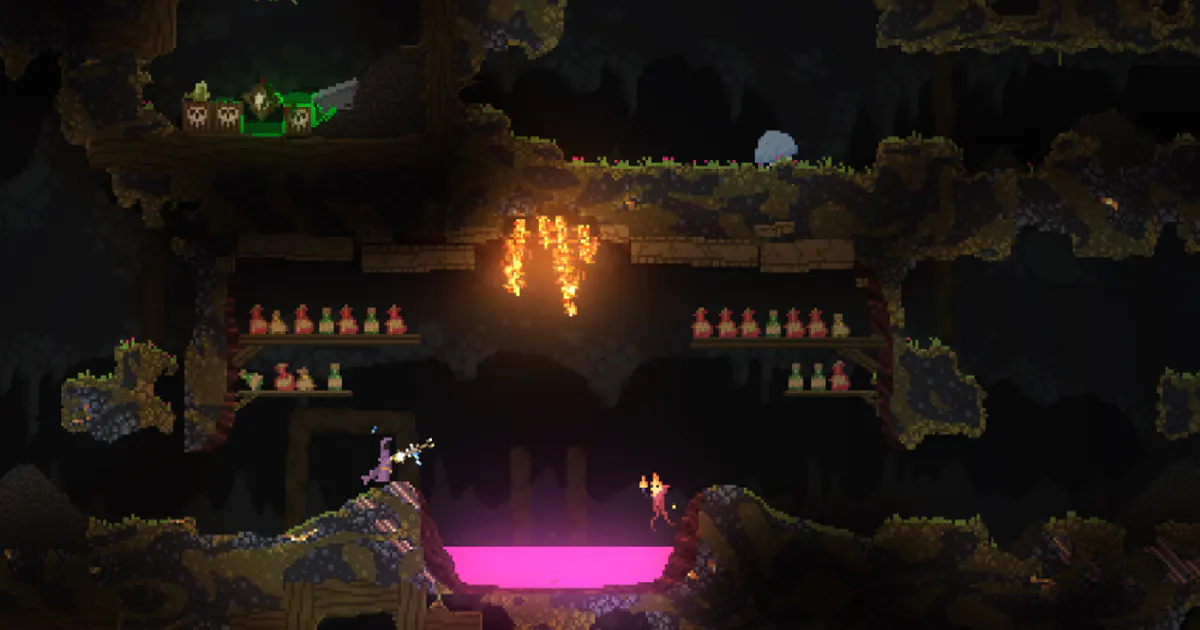
Noita sets itself apart by simulating almost every pixel in the world. Water flows, wood burns, acid dissolves, liquids mix, and explosions reshape entire levels.
The real depth is in wand crafting: you combine spells, modifiers, and firing sequences yourself. A simple wand can become a complex contraption unleashing dozens of projectiles or chaining wild effects.
Experimentation often leads to self-destruction-a powerful spell might explode in your face or trigger chaos in the environment. This unpredictability is Noita's greatest strength, as secret areas, rare interactions, and magical combos keep even veterans guessing.
If you love unique indie projects with experimental mechanics and atmosphere, be sure to check out our Top 7 Atmospheric Indie PC Games to Play in 2025.
Vampire Survivors
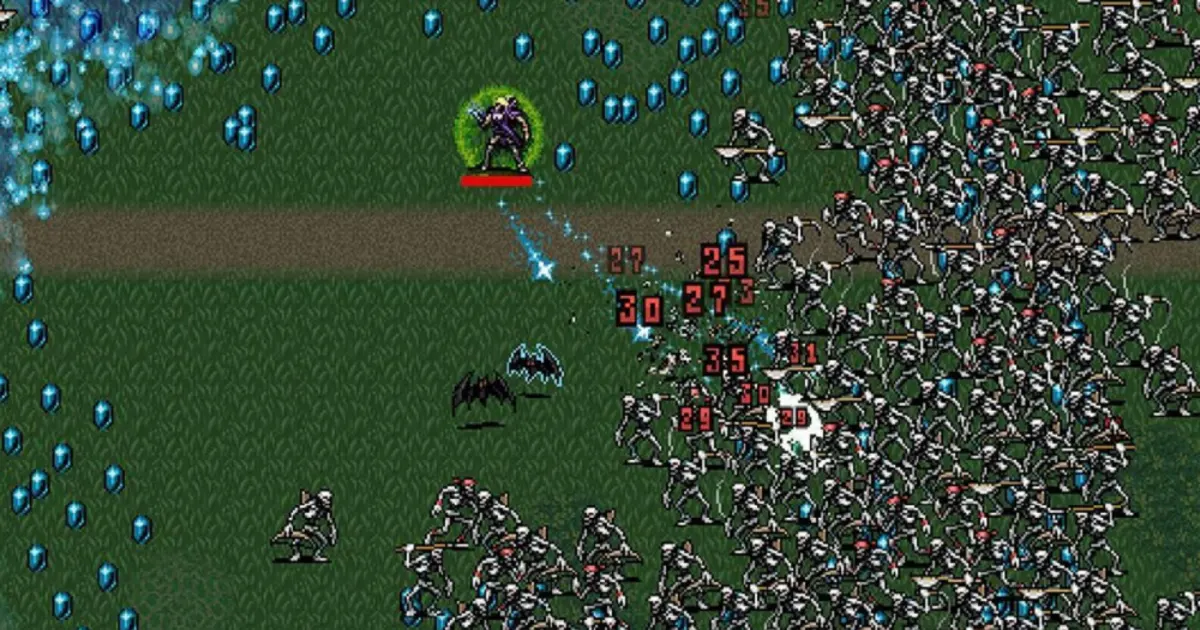
Vampire Survivors streamlines gameplay drastically: your character attacks automatically, so your focus is on movement, upgrade choices, and building an effective loadout.
Enemy waves grow until the screen is filled, and survival hinges on combining weapons and passive bonuses, with some combos evolving basic abilities into much stronger forms.
Its simplicity makes the game very accessible-rules are clear within minutes. Yet the variety of characters, weapons, and unlockable content ensures you always have new goals.
Vampire Survivors is ideal for short sessions: each run is quick, but it's always tempting to try a new build as soon as one ends.
Spelunky 2
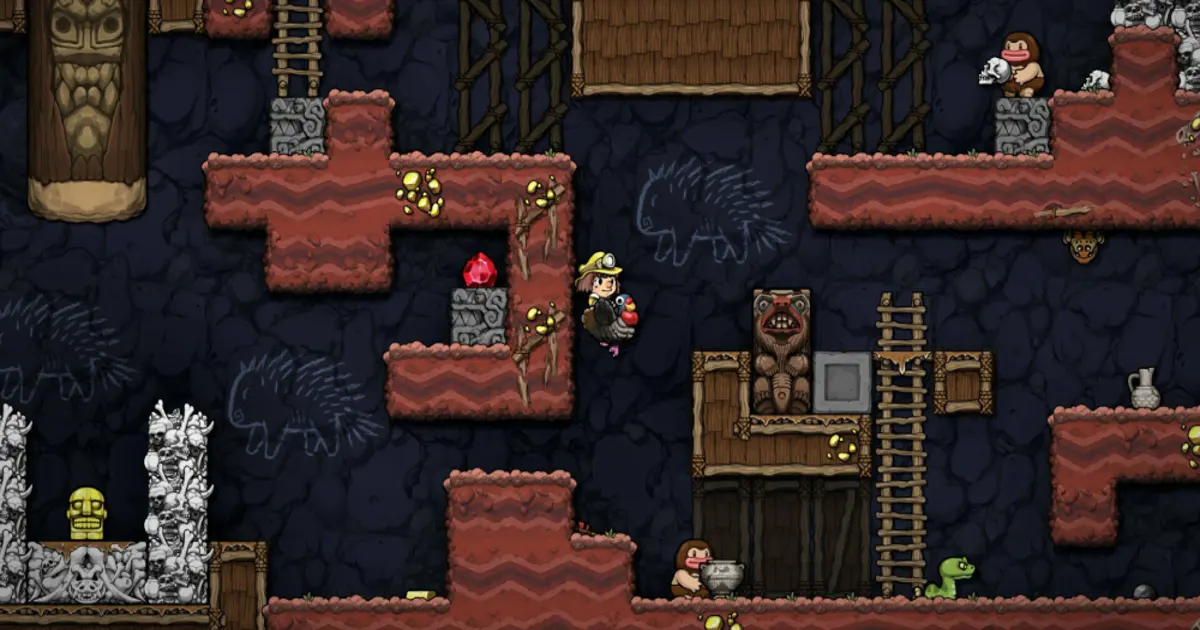
Spelunky 2 blends roguelike elements with platforming, emphasizing interactions between objects and the environment. Traps can kill both players and enemies, explosions open new paths, and a single misplaced item can trigger wild chain reactions.
Levels are procedurally generated with a set of predefined rules, keeping the game unpredictable but usually fair enough for players to learn and exploit situations.
Spelunky 2 is tough: your character is fragile, and minor mistakes can mean instant death. Progress comes not from powerups, but from learning the game's systems and mastering its challenges.
How to Choose the Right Roguelike for PC
While roguelikes share many traits, the gameplay experience can vary widely. Some require fast reflexes, others focus on planning and tactical play, and some highlight build experimentation. Choose based on your preferred style rather than just popularity.
For Roguelike Beginners
If you're new to roguelikes and roguelites, start with Hades or Dead Cells. Both explain their rules clearly, avoid overwhelming interfaces, and let you ease into repeat-run mechanics.
Hades is perfect if you value story and a constant sense of progression-new dialogues and upgrades unlock even after death. Dead Cells is better for those who love dynamic combat, platforming, and a wide variety of weapons.
Vampire Survivors is an even gentler introduction: minimal controls mean you can focus immediately on upgrades and experimenting with builds.
For Challenging Runs
If you thrive on punishing failure, try Spelunky 2, Noita, or The Binding of Isaac: Rebirth.
- In Spelunky 2, precision and environmental awareness are key-one misstep or trap can end a run instantly.
- Noita is challenging due to its deep systems-hazards include not just enemies, but also liquids, fire, explosions, and your own spells.
- The Binding of Isaac falls between the two: knowledge of items and smart combo-building is vital for success.
For Strategy Lovers
If you prefer tactics over reflexes, start with Slay the Spire, Balatro, or Into the Breach.
- Slay the Spire is about careful deckbuilding and understanding which cards work well together.
- Balatro delivers a similar experience with poker hands, jokers, and deck modifications.
- Into the Breach offers a compact, turn-based strategy where every move is a logic puzzle.
If action games are too stressful, strategic roguelikes may be the most comfortable way to explore the genre.
For Co-Op Play
Of the games listed, Risk of Rain 2 is the best for multiplayer. Teams explore levels, gather items, and power up their heroes together.
Co-op adds extra strategy: you can give the right item to the teammate who benefits most, and different characters can complement each other during battles.
The signature chaos of roguelikes remains: some runs grant powerful combos, others pit you against tough enemies and bad drops. Consider run length as well-Vampire Survivors and Balatro are ideal for short sessions, while Slay the Spire or Risk of Rain 2 can require much more time. Pick a game that fits your session style for the best replay value.
Conclusion
The best PC roguelikes aren't about lengthy story campaigns-they're about generating new and exciting playthroughs every time. Procedural generation, random items, varied builds, and high-stakes mistakes make repeat runs the core of the experience.
For genre newcomers, start with Hades, Dead Cells, or Vampire Survivors. If you love tactics and combo-building, try Slay the Spire, Balatro, or Into the Breach. For those seeking challenge and deep systems, Noita, Spelunky 2, and The Binding of Isaac: Rebirth are top picks.
While roguelikes and roguelites differ in mechanics, their unpredictability is what unites the best in the genre. A great roguelike keeps you coming back-not because you failed, but because every new run promises a completely different adventure.
Tags:
Similar Articles