The Best Sandbox Games for PC: Build, Survive, and Explore Your Own Way
Sandbox games for PC let you break free from strict storylines and invent your own adventures. Whether you want to build, survive, experiment, or explore, these games offer unmatched freedom to play your way. Discover the top sandbox titles, from Minecraft to No Man's Sky, and find the perfect fit for your playstyle.

Sandbox games for PC offer players what traditional story-driven projects often lack: the freedom to choose their own path. Instead of a strict route and constant waypoints, you're free to explore the world, build bases, engineer contraptions, gather resources, experiment with physics, or even invent your own goals entirely.
Yet, not all sandboxes are the same. Minecraft turns the world into a giant construction set, Project Zomboid builds freedom around deep survival mechanics, Garry's Mod lets you experiment with physics and objects, while Kenshi hardly explains who you are or where you should go.
This guide explores the best sandbox games for PC featuring open worlds, building, survival, and deep systems-games where you play by your own rules.
What Is a Sandbox Game and How Is It Different from an Open World?
A sandbox game gives you a toolkit of mechanics and lets you decide how to use them. The genre's core isn't just a big map, but the freedom to interact with the world however you want.
An open world alone doesn't make a game a sandbox. In a story-driven game with a large map, you might travel freely, but progression is usually predetermined. In a sandbox, it's the systems that matter-building a base, changing the environment, crafting, trading, or experimenting with physics.
Freedom of Choice: The Heart of the Sandbox Genre
A good sandbox rarely tells you what to do next. Instead of a chain of required tasks, you get tools and rules-within which you set your own goals.
In Minecraft, one player may explore caves, another might build a huge city, and a third could create intricate redstone machines. Kenshi lets you become a trader, mercenary, settlement owner, or simply roam a dangerous world. Even if quests exist, they're just one of many options.
This freedom is why sandbox games are perfect for endless play. Players return not just for new content, but for their own projects, experiments, and stories born from the interaction of game systems.
Building, Survival, Physics, and Deep Systems
Sandboxes can focus on vastly different mechanics. Some center on building, where the world is your resource pool for creating structures. Others focus on survival: finding food, building shelter, developing skills, and facing threats.
There are also games built for experiments. Garry's Mod lets you place and connect objects, testing how they interact with physics. Teardown makes destruction central, allowing multiple solutions to every challenge.
More systemic sandboxes put you in charge of entire production chains, cities, or settlements-freedom here is about how you build a functioning system, not just where you go.
So, "sandbox" covers a wide range of projects-but they all give you the tools, leaving the main scenario largely up to you.
The Best Sandbox Games for PC with Maximum Freedom
Minecraft - Limitless Building
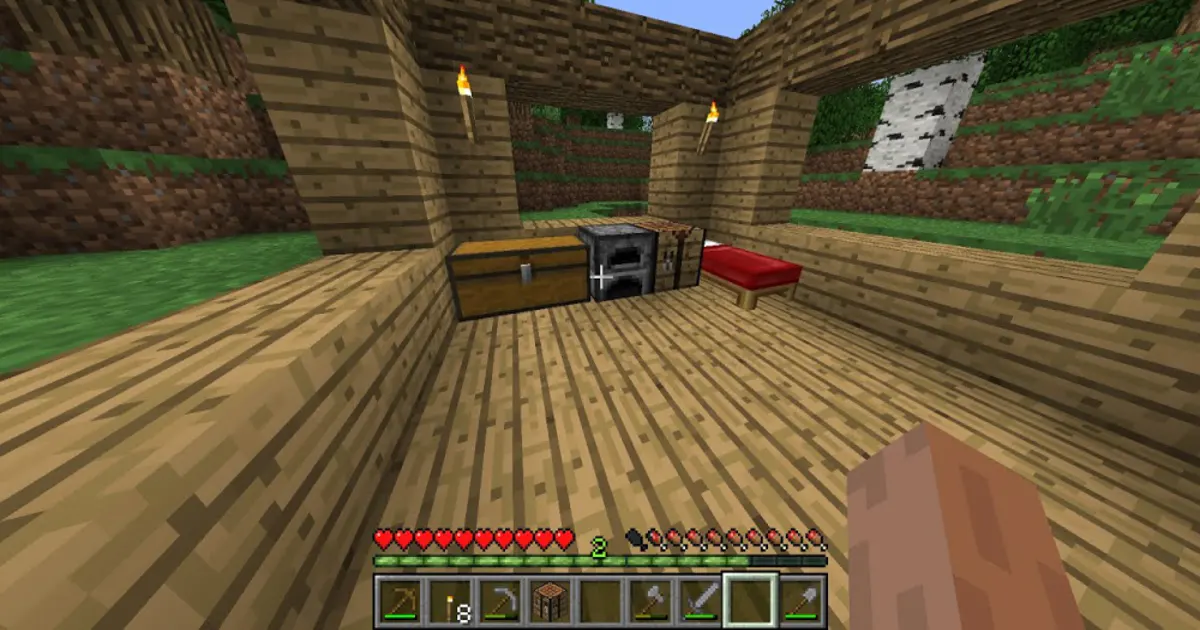
Minecraft is one of the most recognizable sandbox games, thanks to its almost total freedom. The world is made of blocks you can mine, move, and use to build anything from a simple house to a vast city, automated farm, or complex machine.
You set your own goals-explore caves and biomes, gather resources, build, fight mobs, or play in Creative Mode with unlimited materials. Redstone lets you design logic circuits, automatic doors, sorting systems, and more.
Mods and custom servers are a huge bonus, transforming the core game with new tech, magic, dimensions, economies, or unique rules. Minecraft is perfect if you love building and creating, or simply want ultimate freedom to experiment.
Terraria - Exploration, Building & Progression in 2D
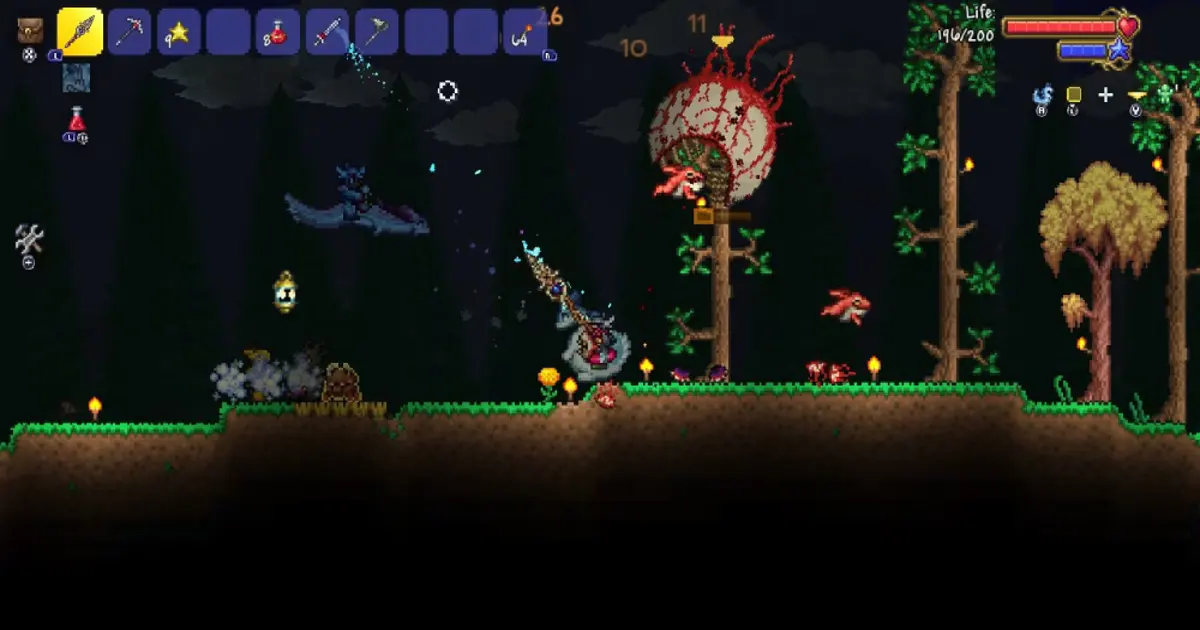
While often compared to Minecraft, Terraria is more about exploration, combat, and character development. You start almost empty-handed, steadily gather materials, craft gear, and venture into increasingly dangerous areas.
It's still a true sandbox: terraform the environment, dig tunnels, build vast bases, and create homes for NPCs. Procedural generation makes each playthrough unique, and hundreds of items let you experiment with combat styles and progression.
Terraria is ideal for those who want more progression and battles than a classic building sandbox. It's also very light on system requirements, making it a great pick for low-end PCs.
Garry's Mod - The Ultimate Physics Playground
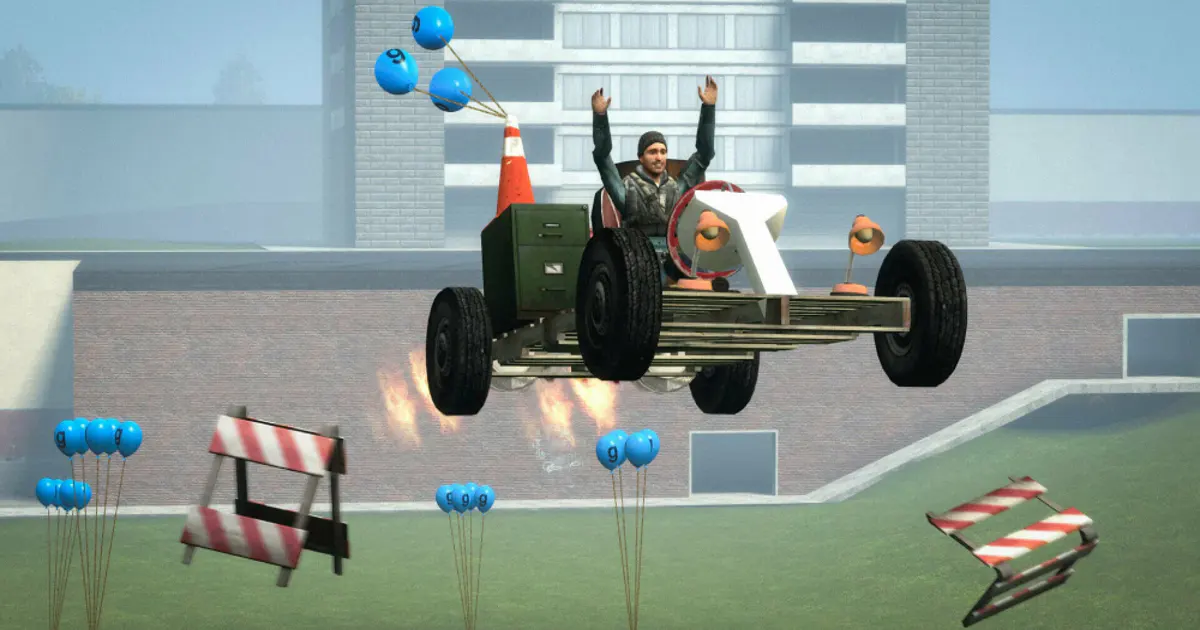
Garry's Mod isn't a traditional game-there's no campaign, progression, or preset goal. Instead, you get a toolkit for manipulating objects and physics.
Spawn items, connect them, build contraptions, launch vehicles, create machines, or run wild with absurd experiments. The physics engine is the main event: the fun isn't about completing tasks, but seeing what happens next.
Community content is huge. User-made maps, models, weapons, modes, and add-ons can turn Garry's Mod into almost any type of game-from roleplay servers to horror or competitive multiplayer.
Kenshi - A World That Sets No Boundaries
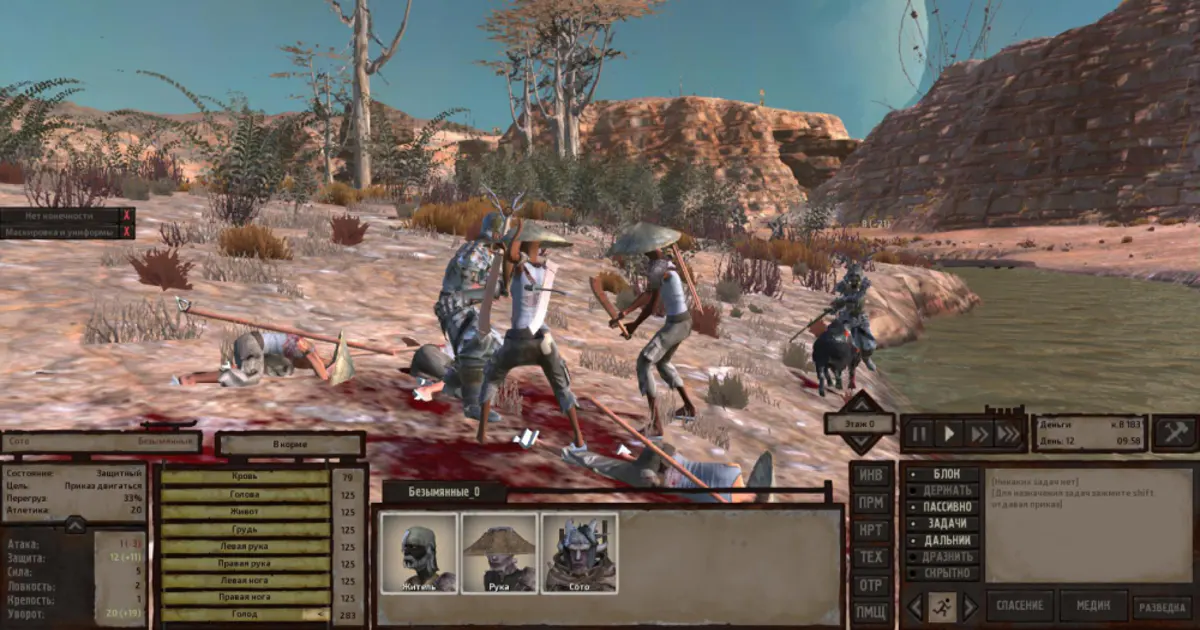
Kenshi offers a radically different sandbox experience. You're dropped into a harsh open world with no chosen one story or mandatory questline. Your starting character may be weak, poor, and unable to survive even basic threats.
From there, your fate is entirely up to you. Become a trader, wanderer, mercenary, bounty hunter, or lead your own squad. Later, you can build a settlement, set up production, and defend your territory.
Kenshi's world is deeply systemic: factions live independent lives, injuries matter, you can be captured or killed, and failure usually leads to a new story-not just a "Game Over" screen.
If you want to play a sandbox with friends, check out our collection: Top 5 Best Co-op PC Games to Play with Friends in 2025.
Open World Sandboxes with Building and Survival
Valheim - Base Building and Exploration
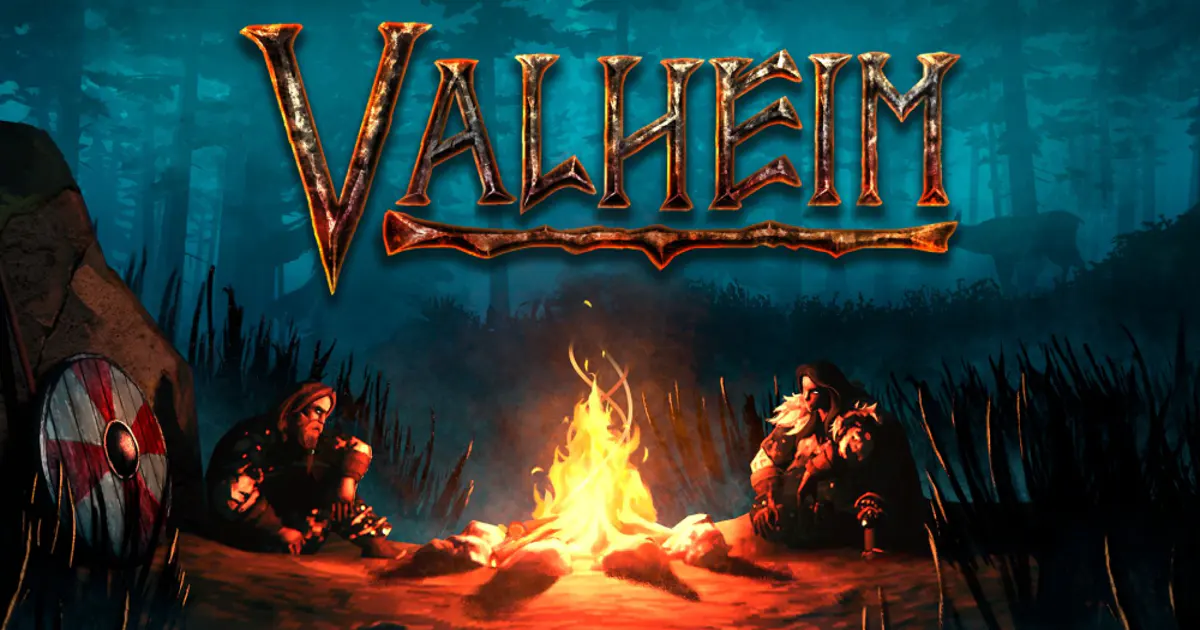
Valheim blends a vast procedural world with building and survival. You start from scratch: gather resources, craft tools, build your first shelter, and slowly venture further from safe starting lands.
The building system allows you to construct not just houses, but fortresses, villages, bridges, and sprawling bases. You must consider structural strength, resource access, and defending your settlement from creatures.
Progression is tied to exploring new biomes and defeating bosses. Each new area demands better equipment and preparation, making base building closely linked to both survival and advancement.
Project Zomboid - Deep Survival Sandbox
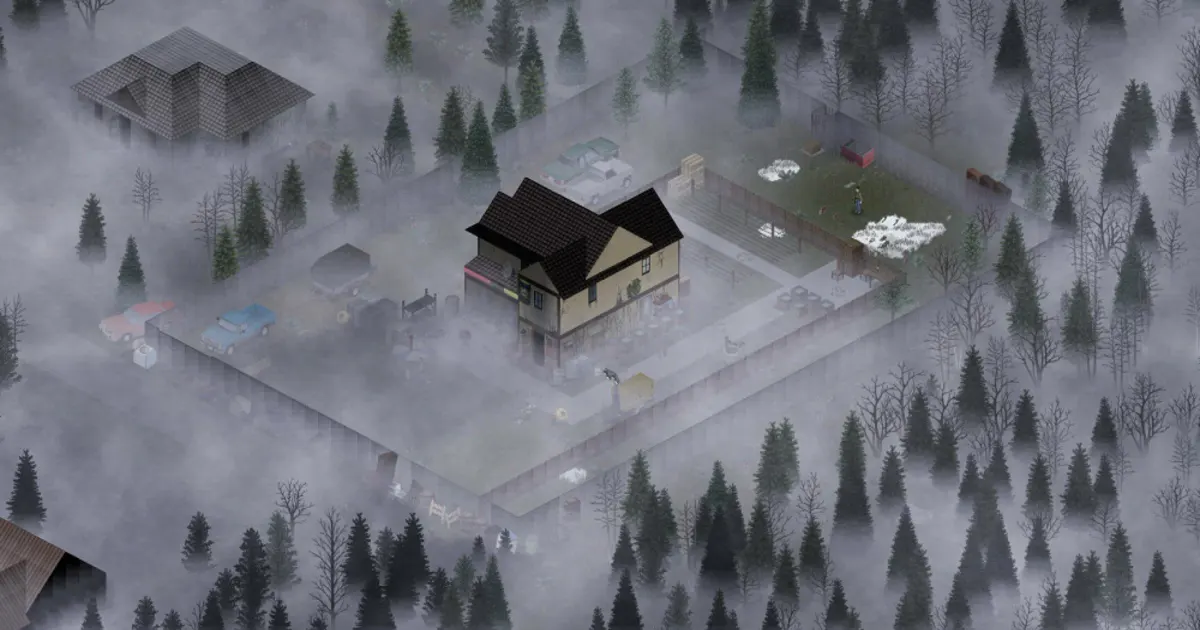
Project Zomboid is all about systemic survival after a zombie apocalypse. You must manage not just health and food, but exhaustion, stress, temperature, clothing, and many other factors.
Most goals are self-set: fortify a house, hunt for a car, grow crops, stockpile supplies, or brave another city for rare loot.
The interplay of systems is fascinating: noise attracts zombies, a broken window leaves you exposed, and a failed supply run can end with serious injury. Even small plans often become their own stories.
Project Zomboid is perfect for those who want a survival sandbox without the pressure of constant scripted missions.
No Man's Sky - Planetary Exploration, Bases, and Resources
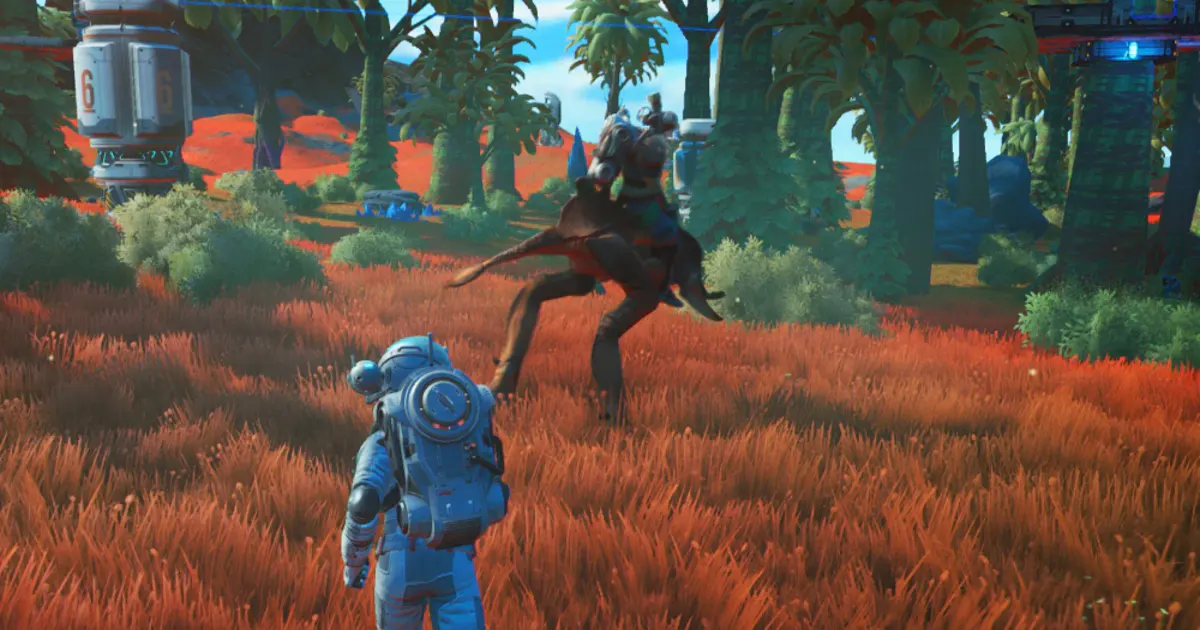
No Man's Sky takes the sandbox concept into a massive procedural universe. Travel between planets, explore unknown systems, gather resources, buy and upgrade ships, or simply seek out strange new worlds.
You can build bases, set up resource extractors, and create launch points for future expeditions. Focus on trading, space exploration, fleet management, or missions as you wish.
The real draw is the scale: instead of one map, you get countless star systems-so exploration itself becomes a playstyle.
Subnautica - Building and Surviving in the Deep
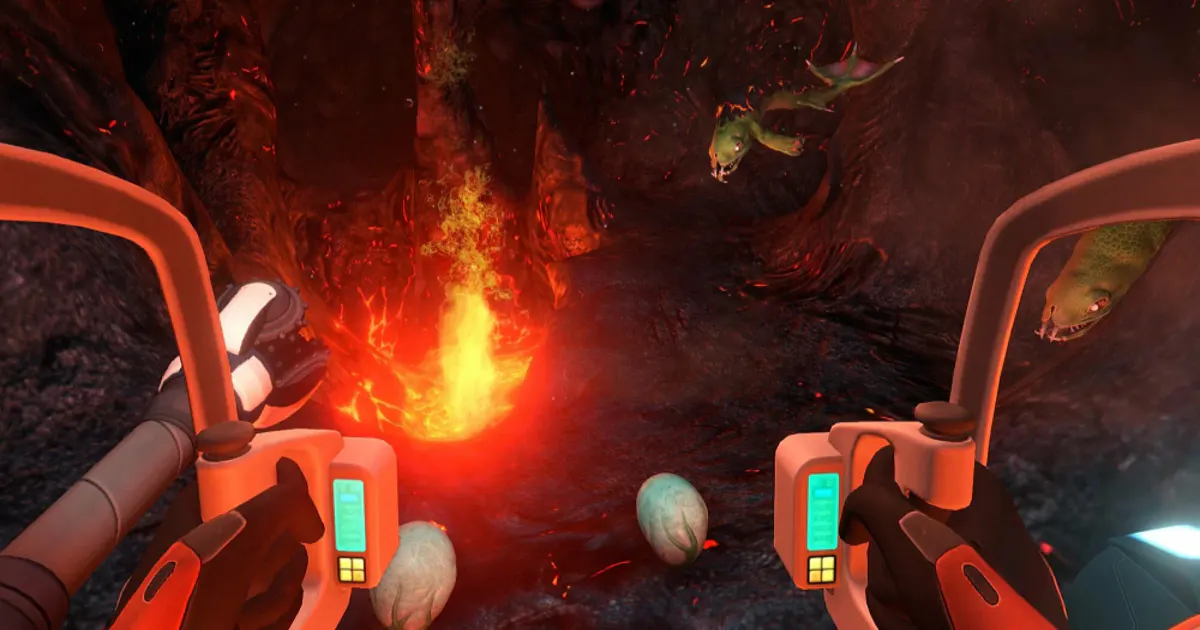
Subnautica is set almost entirely underwater. After a starship crash, you must seek resources, craft equipment, and explore an alien ocean planet.
As you progress, you unlock underwater bases, vehicles, and advanced tools. You can dive deeper to find new resources, dangerous creatures, and previously inaccessible areas.
Bases matter-serving as storage, manufacturing, and staging points for long expeditions. Expand with new rooms, energy systems, and modules.
Unlike pure sandboxes, Subnautica does have a main storyline, but you're free to decide when to explore, build, or hunt for resources.
Sandboxes for Building and Experimentation
Teardown - Destruction and Physics Experiments
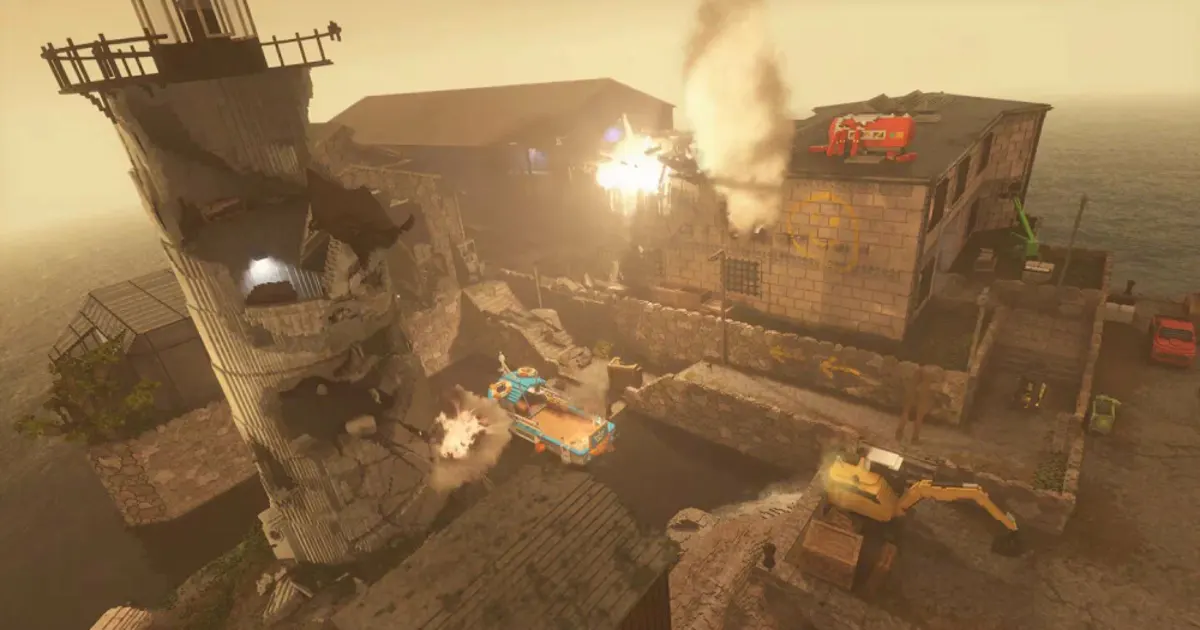
Teardown revolves around a fully destructible environment. Walls, roofs, furniture-everything is made of voxels, so you can literally carve paths through buildings with tools, vehicles, or explosives.
The key is freedom of approach: rather than one solution, you can pre-plan routes, destroy obstacles, place vehicles, and invent your own way to complete objectives as fast as possible.
Sandbox mode lets you focus entirely on physics and destruction. Mods add new maps, machines, weapons, and tools, greatly expanding what's possible.
Satisfactory - Building Huge Production Systems
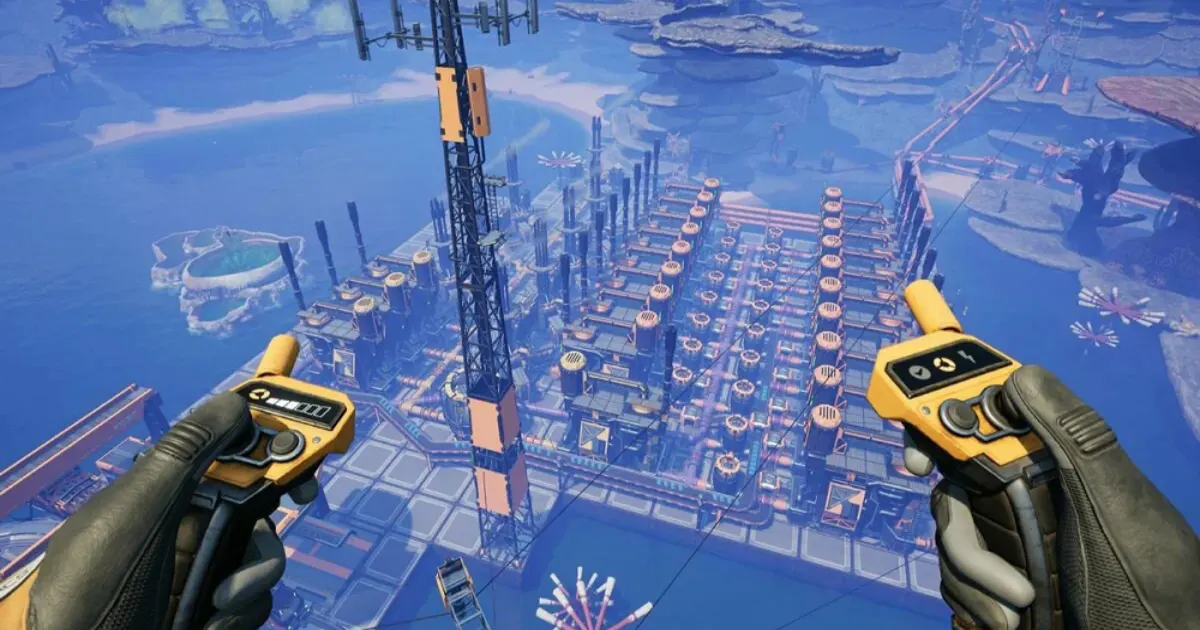
Satisfactory turns building into a full-blown engineering puzzle. Explore a vast planet, gather resources, and gradually build up automated production lines.
You'll start with a few machines linked by conveyors. Later, your factory becomes a sprawling system with multi-story workshops, railways, power grids, and complex logistics.
The game constantly encourages you to optimize: redesign resource flows, boost productivity, create compact layouts, or construct massive complexes around your equipment.
Satisfactory is perfect for those who enjoy planning and turning empty land into a working industrial empire.
Space Engineers - Starships and Engineering Marvels
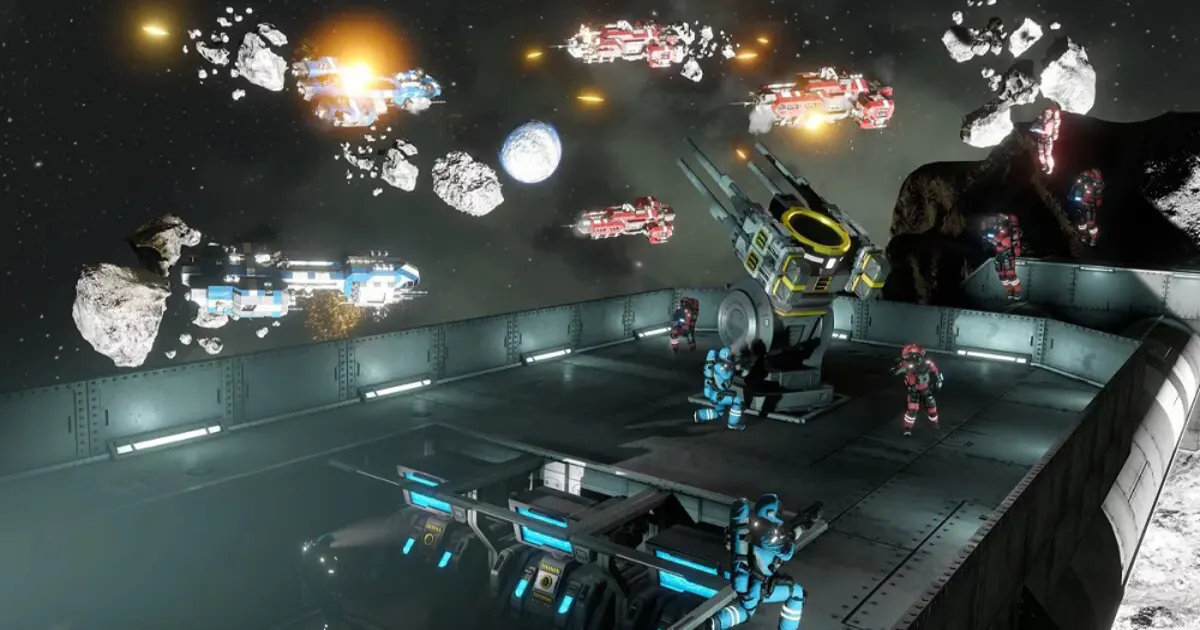
Space Engineers gives you blocks and physics systems to create spaceships, stations, ground vehicles, and more. It's not enough to just make something look cool-you need working power, engines, controls, and equipment placement.
Build a tiny probe, a massive cargo ship, or a fully automated base. Structures can take damage and break apart, so design flaws have real consequences.
The real fun is in experimentation: test new engine layouts, automate systems, program devices, or engineer solutions for specific tasks.
Cities: Skylines - The City as a Systemic Sandbox
Cities: Skylines brings sandbox gameplay to the city level. Lay out roads, residential and industrial zones, infrastructure, and watch your systems come to life.
Every decision affects the city: new districts need transport, expanding industry increases freight, and bad road design leads to traffic jams. Building becomes a constant search for balance between competing needs.
With minimal restrictions, Cities: Skylines becomes a true city-building sandbox-create realistic metropolises, experimental transit systems, or uniquely planned cities without following a preset scenario.
How to Choose the Right Sandbox Game
Don't pick a sandbox just by world size or content volume-choose based on what you want to do most. Some games focus on building, others on survival, exploration, or complex systems.
If You Love Building - Minecraft, Satisfactory, or Space Engineers
Minecraft is a universal construction kit: design architecture, build machines, automate mining, or ignore survival in Creative Mode.
Satisfactory is for those who love engineering production systems. The goal is to make your giant factory run faster and more efficiently. Space Engineers is all about engineering: ships, stations, and mechanisms not only look cool but must function properly.
If Survival Is Your Thing - Project Zomboid, Valheim, or Subnautica
Project Zomboid offers the deepest survival: mistakes can be fatal, and prepping your shelter, supplies, and vehicles is just as important as fighting zombies.
Valheim blends survival with progression and boss battles. Subnautica is for those who value exploration-progress unlocks deeper ocean regions and new resources.
If You Want to Experiment - Garry's Mod or Teardown
Garry's Mod gives you a set of tools and invites you to invent your own fun-especially with user-made mods, maps, and modes.
In Teardown, experimentation is all about destruction. Smash walls, demolish buildings, and literally carve your path to the goal. Perfect for fans of physics and creative solutions.
If Exploring Huge Worlds Appeals to You - No Man's Sky
No Man's Sky is for players who see exploration as the main appeal. Roam endless planets and star systems, upgrade ships, build bases, or trade resources.
Unlike most games with a single big map, here exploration never really ends-perfect for those who want to keep venturing into new frontiers rather than settling down in one place.
If You Want Maximum Freedom - Kenshi or Minecraft
Kenshi imposes almost no roles-recruit a squad, trade, build a settlement, join faction conflicts, or just wander. The best stories aren't from written quests, but from emergent events and your own choices.
Minecraft offers a different type of freedom: rather than complex social systems, you get a world you can reshape completely. Choose based on whether you want to create your own story in a living world, or rebuild the world itself as your sandbox.
For low-end PCs, Terraria remains one of the most accessible options-official requirements list just 2.5 GB of RAM. Note that Minecraft Java Edition is no longer as lightweight as it once was: minimum specs increased significantly in July 2026.
If your PC struggles with your chosen sandbox, check out our guide: How to Increase FPS in Games Without Upgrading Your PC.
Conclusion
The best sandbox games for PC aren't defined by the number of quests, but by how much they let you do without constant nudging from developers. Minecraft offers virtually unlimited building, Project Zomboid turns survival into a complex system, Teardown makes physics and destruction the main fun, and Kenshi lets you decide your character's role and future.
If you want to build and create, check out Minecraft, Satisfactory, or Space Engineers. For survival, Project Zomboid, Valheim, and Subnautica are top picks, while Garry's Mod and Teardown are best for experimenters. If exploring vast worlds is your thing, No Man's Sky is a must-try.
The real strength of the genre is that a good sandbox doesn't end when you finish the main questline. As long as the mechanics let you invent new goals, build, experiment, and create your own stories, you'll always have a reason to come back for more.
Tags:
Similar Articles