Dynamic Building Architecture: Shape-Shifting Solutions for Climate-Adaptive Cities
Dynamic building architecture is transforming urban design by enabling structures to adapt in real time to climate, light, and occupancy. Shape-shifting facades, smart materials, and digital controls boost energy efficiency, resilience, and user comfort-making buildings active participants in the fight against climate change. As innovations move from landmark projects to mainstream adoption, adaptive architecture is redefining the future of our cities.

Dynamic building architecture is revolutionizing how our cities respond to climate change and energy demands. For centuries, architecture relied on static design-buildings constructed for average climate conditions and left unchanged for decades. However, in the 21st century, this approach is increasingly inefficient. Global warming, extreme temperature swings, powerful winds, and rising energy consumption are prompting a fundamental rethink of architectural design.
Modern cities face overheating facades in summer, heat loss in winter, and a heavy reliance on HVAC systems. As climate change accelerates, traditional construction methods struggle to deliver energy efficiency and resilience. Architecture can no longer remain a passive shell.
Enter dynamic building architecture: a paradigm where structural elements can change their shape, position, or properties in response to the environment. These buildings react to sunlight, wind, temperature, and even human presence, adapting their configuration in real time. This is not mere futurism-shape-shifting buildings already exist and are shaping the architecture of tomorrow. The next step is integrating intelligent systems, smart materials, and management algorithms, making architecture an active player in the urban climate balance.
What Is Dynamic Building Architecture?
Dynamic building architecture is a design philosophy in which building elements physically transform or alter their characteristics in response to external conditions. Unlike traditional architecture, where form and structure are fixed, these buildings operate as adaptive systems.
The key concept is to interact with the climate rather than constantly fight it with energy-intensive systems. Structures may open and close, rotate towards the sun, tilt panels, or adjust transparency and ventilation. This integration makes a building a part of its environment, not just an isolated object.
It's important to distinguish dynamic architecture from "smart homes." While smart buildings manage systems like lighting and HVAC, shape-shifting buildings transform at the geometric and structural level-facades, roofs, and external shells physically change form.
This approach is closely linked to interactive architecture, where spaces respond to real-time changes. However, dynamic architecture focuses on kinetics and material transformation rather than just digital interfaces.
- Climate-adaptive buildings responding to sun and temperature
- Shape-shifting facades for lighting control
- Transformable structures with moving modules
- Biomimetic solutions inspired by nature
Ultimately, this marks a shift from static objects to architectural systems that "sense" their environment and adapt accordingly.
How Shape-Shifting Buildings Work: Mechanics and Technology
Shape-shifting buildings operate at the intersection of mechanics, engineering, and digital management. At their core are kinematic systems-movable elements that can rotate, fold, slide, or change the facade's geometry.
Key Technological Solutions
Mechanical Drives and Hinged Systems
The most straightforward solution uses electromechanical drives, hydraulics, or servomotors. Facade panels open like blinds, fold accordion-style, or rotate on an axis, managed automatically through sensors measuring light, temperature, and wind.
Modular Transformable Structures
Some buildings are designed with movable blocks. Sections change position to increase shade, improve ventilation, or shield from precipitation. These are especially effective in regions with extreme climate variations.
Movable Facades and Shells
Shape-shifting facades often act as a building's "second skin," dynamically filtering sunlight, reducing heat load, and lowering air conditioning needs. In hot climates, panels close up; in cooler conditions, they open for natural heating.
Sensors and Control Algorithms
Dynamic building architecture relies on digital systems. Sensors collect data on temperature, humidity, solar radiation, and wind speed, feeding it to management modules. Algorithms analyze parameters and adjust elements in real time.
Smart Materials
Beyond mechanics, materials that alter their properties without complex drives are used. Thermo-responsive panels bend when heated, and variable-transparency coatings adjust light transmission. These innovations reduce energy use and simplify construction.
The result is an adaptive building system, constantly balancing comfort, energy efficiency, and resilience to external forces.
Smart Materials in Construction and Biomimicry
Smart materials play a pivotal role in the development of dynamic building architecture, enabling structures to adapt to the climate without complex mechanisms or constant energy use.
Temperature-Responsive Materials
Thermo-bimetals and composite panels bend when heated, automatically changing shape under sunlight to reduce direct exposure. As temperatures drop, the material returns to its original form-ideal for shape-shifting facades in hot climates.
Variable Transparency Materials
Electrochromic glass and polymers adjust light transmission, darkening in bright weather to prevent overheating and becoming clearer in cloudy conditions. This reduces demand on HVAC and lighting, boosting building efficiency.
Shape Memory Materials
Shape memory alloys return to preset configurations after deformation, suitable for transformable structures needing repeated geometric changes without wear on complex mechanisms.
Biomimicry in Architecture
Biomimicry inspires climate-adaptive buildings by emulating nature's solutions for thermoregulation and environmental protection:
- Pine cones that open and close based on humidity
- Flower petals responding to light levels
- Animal skin regulating heat exchange
- Termite mounds with natural ventilation
Architects apply these principles to facades, shells, and ventilation systems, making buildings function more like living organisms-adapting to sun, wind, and temperature. In this way, dynamic architecture becomes part of a broader vision for sustainable development, interacting with the environment rather than resisting it.
Shape-Shifting Facades: Protection from Heat, Cold, and Wind
The facade is a building's primary interface with the environment, absorbing solar radiation, wind, precipitation, and temperature swings. In dynamic architecture, the facade becomes an active climate system, not just a static shell.
Protection Against Overheating
In hot climates, buildings face significant heat loads. Movable facade technologies automatically adjust panel angles based on sun position. When solar radiation peaks, elements close or rotate to create shade, reducing wall and window temperature and lessening the need for air conditioning.
Some climate-adaptive buildings use multi-layer shells: an outer layer acts as a dynamic filter, regulating light and airflow while maintaining natural ventilation.
Reducing Heat Loss in Winter
In cold weather, facades operate in reverse. Panels open to maximize sunlight, while additional shells reduce heat loss through air gaps, making shape-shifting buildings more energy efficient than traditional designs.
Wind and Extreme Condition Response
In wind-prone areas, facade elements can adjust their configuration to minimize drag. Some transformable structures fold or lock into safe positions during storms, enhancing durability and reducing structural stress.
Automatic Sun Shading Systems
Automatic facade shading systems operate via light and temperature sensors, adjusting louvers, screens, or panels in real time. Unlike traditional blinds, these are integrated into the building's design, optimizing the entire thermal model.
Thus, the facade becomes an adaptive envelope, enabling the building to engage with the climate rather than merely shield itself. This is a cornerstone of future architecture, where form and environmental efficiency are directly connected.
Interactive Architecture and Digital Management
Dynamic building architecture would not be possible without digital infrastructure. Management systems unite movable elements and smart materials into an adaptive environment, ushering in interactive architecture-spaces that respond in real time.
Sensor Networks and Data Collection
Modern climate-adaptive buildings are equipped with networks of sensors monitoring:
- Outdoor and indoor air temperature
- Humidity
- Solar radiation
- Wind speed and direction
- Human presence
This data forms a digital model of the building and its surroundings.
Algorithms and Automated Adaptation
Management systems analyze these indicators and make decisions: adjusting facade panel angles, activating ventilation, or changing glass transparency. Advanced projects use weather forecasting algorithms to prepare the building for upcoming changes.
This direct link between architecture and climate change enables predictive, not just reactive, adaptation.
Parametric Design
During the design phase, parametric architecture models account for countless variables-sunlight, wind patterns, seasonal shifts-anticipating transformation scenarios and optimizing movement mechanisms.
Integration with Energy Systems
Interactive architecture can link with energy management systems. For example, if a facade reduces solar load, electricity demand for cooling drops. In sunny weather, panels may open to boost energy generation if solar elements are integrated.
The building thus becomes a cyber-physical system, combining structure, sensors, algorithms, and drives-elevating dynamic building architecture to a high-tech engineering environment where data governs form.
Real-World Projects Around the Globe
Dynamic building architecture has been implemented in several landmark projects, showing how technology performs in real climates, not just in concept.
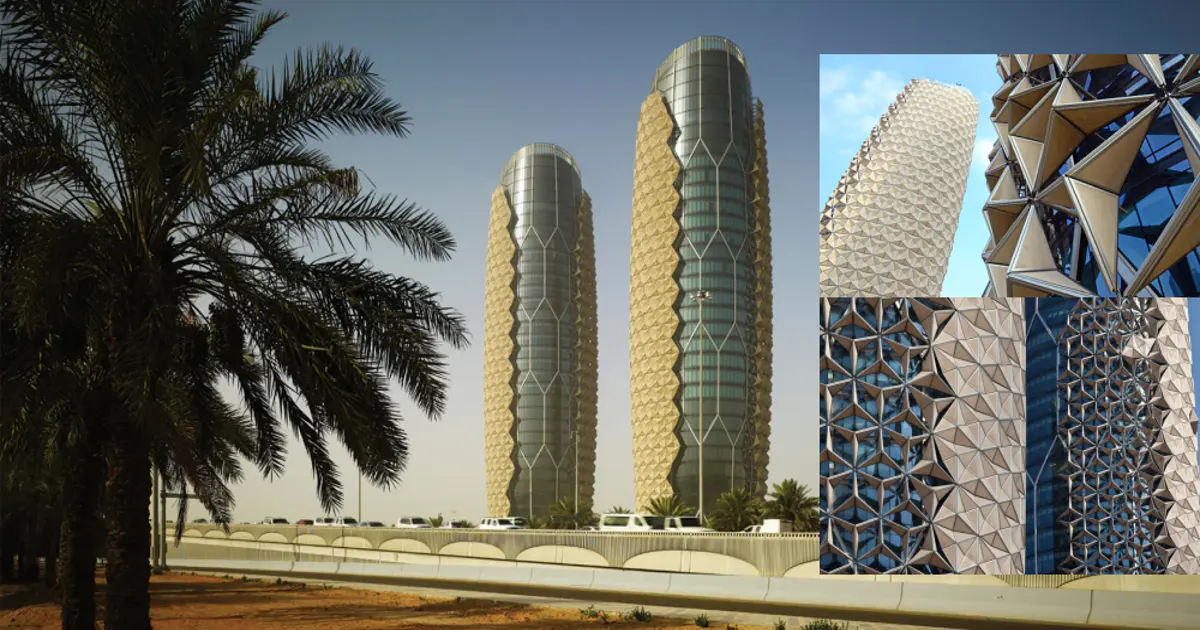
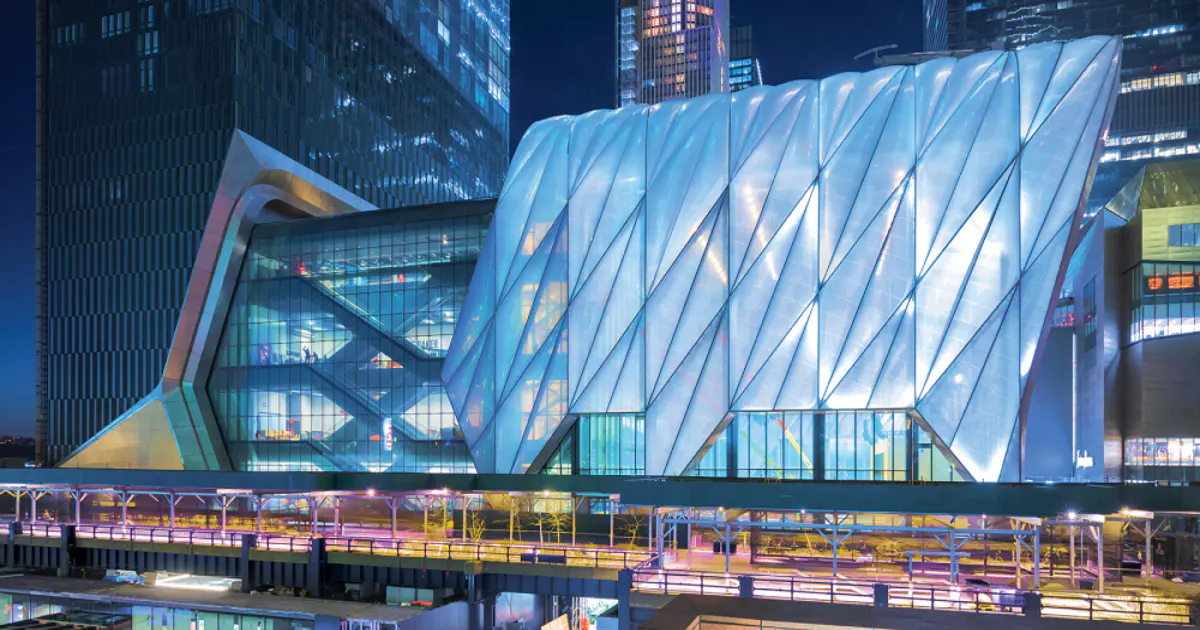
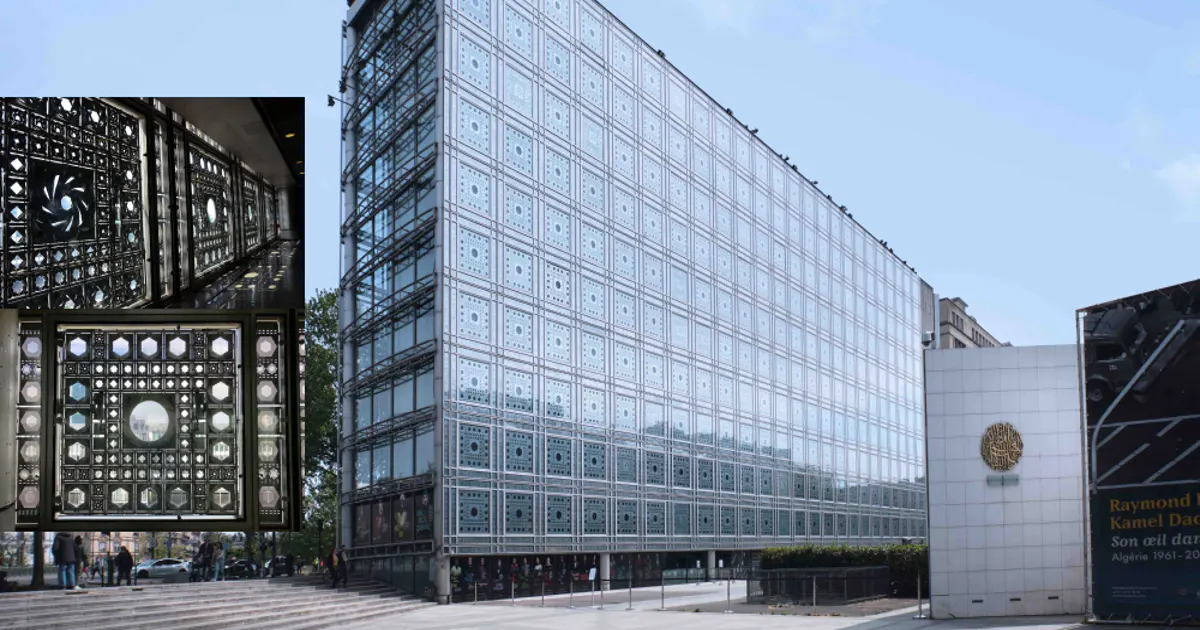
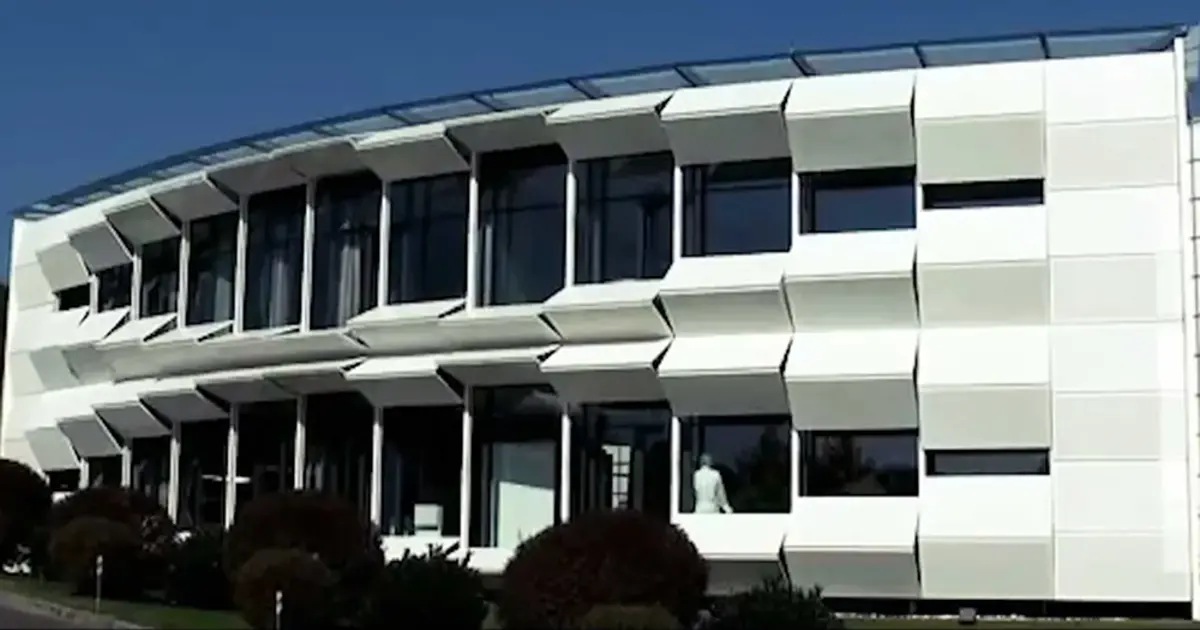
These projects prove that dynamic building architecture is not just experimental-it's a working technology. From climate-adaptive desert towers to cultural centers in megacities, form is increasingly becoming a variable.
Advantages and Limitations of the Technology
Dynamic building architecture offers a fundamentally new approach to climate and urban adaptation, but like any innovation, it has both strengths and limitations.
Advantages
- Increased energy efficiency: Shape-shifting buildings reduce heat loads in summer and minimize heat loss in winter, saving on HVAC expenses-crucial as energy costs rise.
- Climate adaptation: Architecture and climate change become interconnected; climate-adaptive buildings respond to extreme weather without major overhauls.
- User comfort: Automatic sun-shading systems regulate lighting and indoor climate, reducing glare and improving comfort.
- Spatial flexibility: Transformable structures let spaces change volume and configuration, valuable for public and cultural buildings.
- Architectural expression: Interactive architecture creates lively, responsive cityscapes, enhancing the object's aesthetic value.
Limitations
- High implementation cost: Transformation mechanisms, drives, sensors, and management systems raise project budgets, currently limiting solutions to landmark or premium projects.
- Maintenance complexity: Moving elements need regular technical checks and are subject to more wear than static facades.
- System reliability risks: Interactive architecture depends on digital infrastructure-sensor or algorithm failures can impact facade and climate adaptation.
- Climate and scale limitations: Not all regions economically justify dynamic architecture; in moderate climates, benefits may not outweigh costs.
However, advances in smart materials and declining costs of digital systems are making these solutions more accessible, moving from experimental to mainstream adoption.
The Future of Climate-Adaptive Buildings
Dynamic building architecture is moving beyond experiments to become a pillar of sustainable urban design. In coming decades, climate-adaptive buildings could become the construction standard, especially in areas with extreme weather.
Integration with Urban Systems
Future buildings will connect not just to their own sensors, but to urban digital infrastructure. Weather forecasts, heat island data, air pollution levels, and grid loads will directly influence facade and shell configurations-making dynamic architecture a cornerstone of the "smart city," where every building contributes to climate balance.
Material Evolution
Advances in smart materials will reduce reliance on complex mechanics. Shape memory materials, adaptive composites, and variable-transparency coatings will help buildings respond to their environment autonomously and affordably.
Artificial Intelligence and Predictive Control
Machine learning algorithms will analyze climate data and user behavior, enabling buildings to "learn" and optimize energy use and adaptation-shifting from reactive to predictive management.
Mass Adoption
Falling sensor and system costs are making dynamic building architecture more attainable. Solutions found in landmark projects today could soon become standard in offices, schools, and homes.
Architecture's future increasingly views form as variable, transitioning from static to adaptive-especially in the context of global climate change.
Conclusion
Dynamic building architecture is transforming the very philosophy of design. Whereas buildings were once immutable structures designed for average conditions, today they are adaptive systems capable of real-time response to climate, light, wind, and temperature.
Shape-shifting buildings have proven effective in hot, windy, and changeable regions. Moving facades, transformable structures, smart materials, and digital management algorithms are forging a new urban landscape-more flexible and energy efficient.
As climate change advances, architecture and technology are becoming ever more intertwined. Climate-adaptive buildings can lower grid loads, reduce emissions, and improve user comfort without drastically increasing resource use.
Interactive architecture is not just a visual effect, but an engineering answer to 21st-century challenges. Form is no longer static; it becomes a tool for environmental regulation.
The future of architecture is adaptive. The faster cities embrace these solutions, the more resilient they will be to the climate and energy challenges of the coming decades.
Tags:
Similar Articles