Tomb Raider Series Timeline: Every Game in Order & Franchise Evolution
Discover the complete history of the Tomb Raider franchise, from the original 1996 classic to the latest reimaginings and upcoming releases. Explore how Lara Croft and the series' gameplay, visuals, and storytelling have evolved across decades and multiple game eras.

Tomb Raider is one of the most recognizable video game franchises, and Lara Croft has become a character known far beyond the realm of gaming. The very first game, released in 1996, offered a unique mix of 3D exploration, platforming, puzzles, and shootouts that was innovative for its time.
Over the following decades, the series changed developers, visual styles, and even its approach to adventure gameplay several times. The classic games focused on intricate levels and precise jumps, Tomb Raider: Legend modernized the formula, and the 2013 reboot transformed Lara's story into a more cinematic survival adventure.
The history of Tomb Raider is therefore divided into several distinct eras. To understand how the series and Lara Croft herself have evolved, let's first review all the main Tomb Raider games in order, and then delve into each stage of the franchise's development.
All Tomb Raider Games in Order: Series Timeline
Throughout its existence, Tomb Raider has seen numerous main games, spin-offs, mobile projects, and remasters. However, the evolution of the series is best understood through its major PC and console titles.
| Game | Release Year | Developer | Era |
|---|---|---|---|
| Tomb Raider | 1996 | Core Design | Classic |
| Tomb Raider II | 1997 | Core Design | Classic |
| Tomb Raider III | 1998 | Core Design | Classic |
| Tomb Raider: The Last Revelation | 1999 | Core Design | Classic |
| Tomb Raider Chronicles | 2000 | Core Design | Classic |
| Tomb Raider: The Angel of Darkness | 2003 | Core Design | Classic |
| Tomb Raider: Legend | 2006 | Crystal Dynamics | Legend |
| Tomb Raider: Anniversary | 2007 | Crystal Dynamics | Legend |
| Tomb Raider: Underworld | 2008 | Crystal Dynamics | Legend |
| Tomb Raider | 2013 | Crystal Dynamics | Survivor |
| Rise of the Tomb Raider | 2015 | Crystal Dynamics | Survivor |
| Shadow of the Tomb Raider | 2018 | Eidos-Montréal / Crystal Dynamics | Survivor |
| Tomb Raider I-III Remastered | 2024 | Aspyr / Crystal Dynamics | Classic Remasters |
| Tomb Raider IV-VI Remastered | 2025 | Aspyr / Crystal Dynamics | Classic Remasters |
| Tomb Raider: Legacy of Atlantis | 2027 | Crystal Dynamics / Flying Wild Hog | New Era |
| Tomb Raider: Catalyst | 2027 | Crystal Dynamics | New Era |
The first major era includes six games by Core Design, which established the classic Tomb Raider formula: ancient ruins, isolated locations, challenging platforming, and Lara Croft as a confident, seasoned adventurer.
After The Angel of Darkness, development shifted to Crystal Dynamics. Tomb Raider: Legend rebooted the franchise with streamlined controls and a new Lara backstory. Anniversary reimagined the events of the 1996 original, while Underworld wrapped up this narrative arc.
Another reboot arrived in 2013, introducing a younger Lara at the start of her journey and overhauling gameplay. Large open areas, skill progression, crafting, and cinematic presentation became central. Rise of the Tomb Raider and Shadow of the Tomb Raider continued this approach.
Meanwhile, the return of classic games through Tomb Raider I-III Remastered and IV-VI Remastered allowed players to experience the first six entries with updated graphics and modern improvements, while maintaining their core structure.
The next stage is linked to Tomb Raider: Legacy of Atlantis and Catalyst. The Tomb Raider timeline thus reflects not just a release sequence but several almost independent interpretations of the franchise, each reimagining Lara Croft and the idea of tomb exploring in its own way.
The Classic Tomb Raider Era: The Birth of Lara Croft
The classic era of Tomb Raider established nearly all the elements the series is known for: exploring ancient sites, searching for hidden passages, acrobatics, puzzles, and globe-trotting adventures. This is where the original version of Lara Croft appeared-confident, independent, and already an experienced adventurer.
Tomb Raider (1996) - The Legend Begins
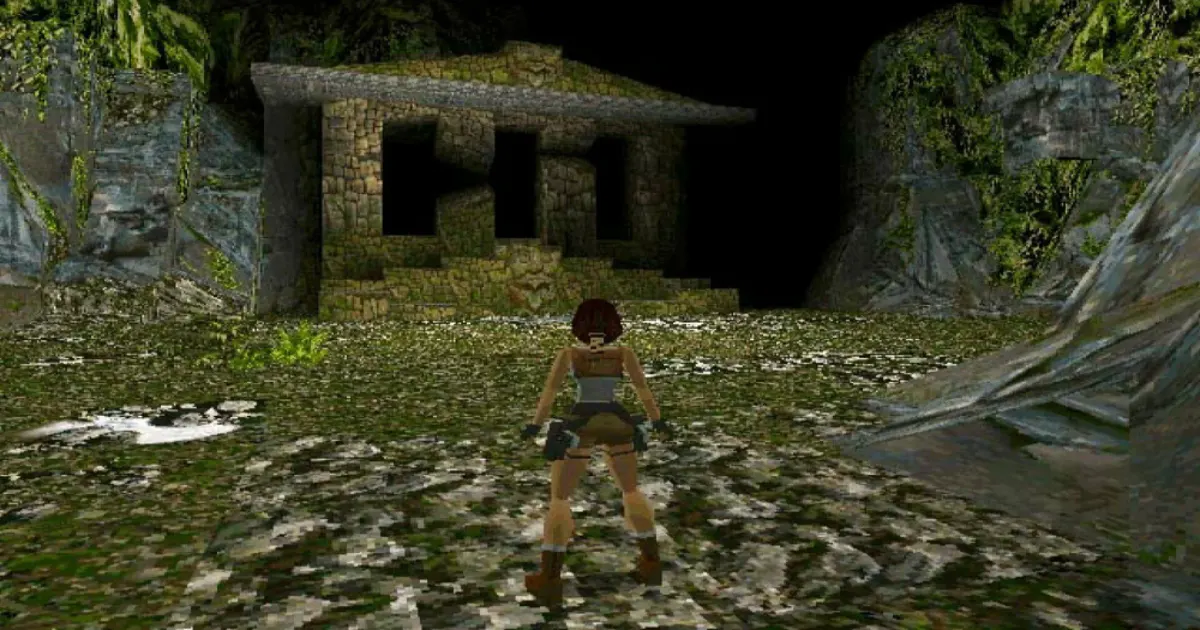
The first Tomb Raider stood out from most adventure games of the era by offering full 3D environments rather than 2D levels. Players could freely move, climb, jump between platforms, and search for ways forward.
The protagonist, British aristocrat Lara Croft, traveled the world in search of ancient artifacts, exploring Peru, Greece, Egypt, and the lost city of Atlantis. While the story mattered, the game's core was environmental exploration.
Levels were designed as massive 3D puzzles, requiring close observation, memorizing platform layouts, finding levers and keys, and calculating jumps. There were no modern hints, navigation markers, or automatic ledge-grabbing.
The controls might feel odd by today's standards-Lara's movements were grid-based, and jumps demanded precise positioning, a system nicknamed "tank controls" that became a hallmark of the classics.
Technical limits of the mid-90s shaped the game's visual style: Lara's model used few polygons, environments were angular, and many details were simple textures. Yet the game still managed to evoke a sense of vast, ancient spaces and solitary exploration.
The game's success quickly made Lara Croft one of gaming's most iconic figures, appearing in ads, magazines, and beyond. Tomb Raider became a major franchise.
The classic Tomb Raiders helped define 3D adventure games of the late 1990s. For more on other legendary titles from this era, check out our guide to the best classic PC games.
Tomb Raider II - The Series Expands
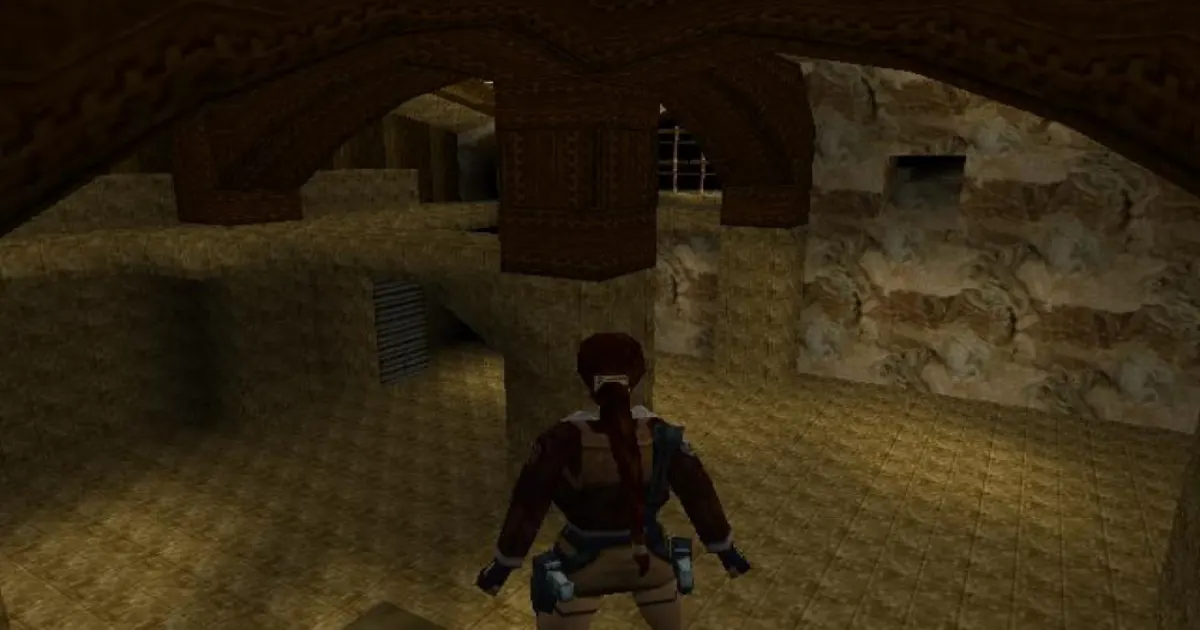
Just a year later, Tomb Raider II arrived, keeping the core formula but making Lara's adventures more varied. She now explored not only ancient ruins, but also Venice, an oil rig, a sunken ship, and snowy Tibet.
One of the biggest innovations was the introduction of vehicles: Lara could drive a motorboat and snowmobile, opening up larger areas and changing the pace of exploration. More weapons, expanded moves, and human enemies became standard.
The level design remained complex, with players still required to figure out where to go on their own. This was the era when Lara Croft became a pop culture icon, and Tomb Raider games began releasing almost annually.
Tomb Raider III - The Hardest Classic Entry
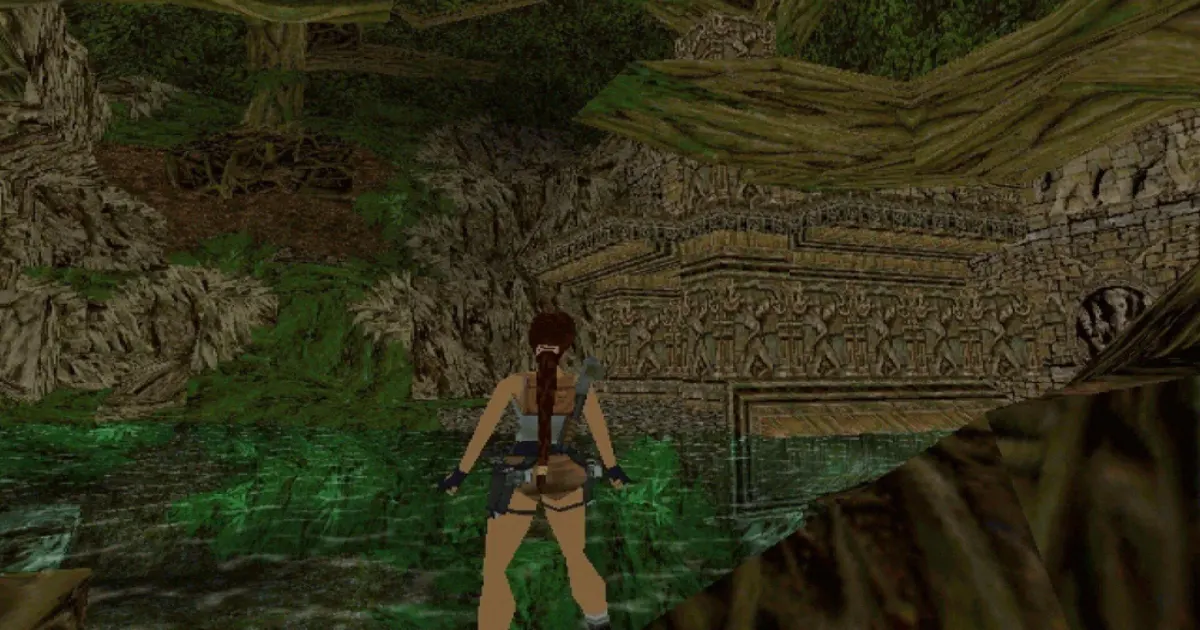
Tomb Raider III increased the series' scale, sending Lara to India, the South Pacific, London, Nevada, and Antarctica, with some regions playable in any order. Levels grew even more labyrinthine, featuring multiple routes, more traps, underwater sections, and new moves like crawling and shimmying.
The difficulty ramped up: levels had more forks and hidden passages, and a missed jump or item could force massive backtracking. The game's design philosophy embraced trial and error as part of the adventure.
Tomb Raider: The Last Revelation - A New Take on the Formula
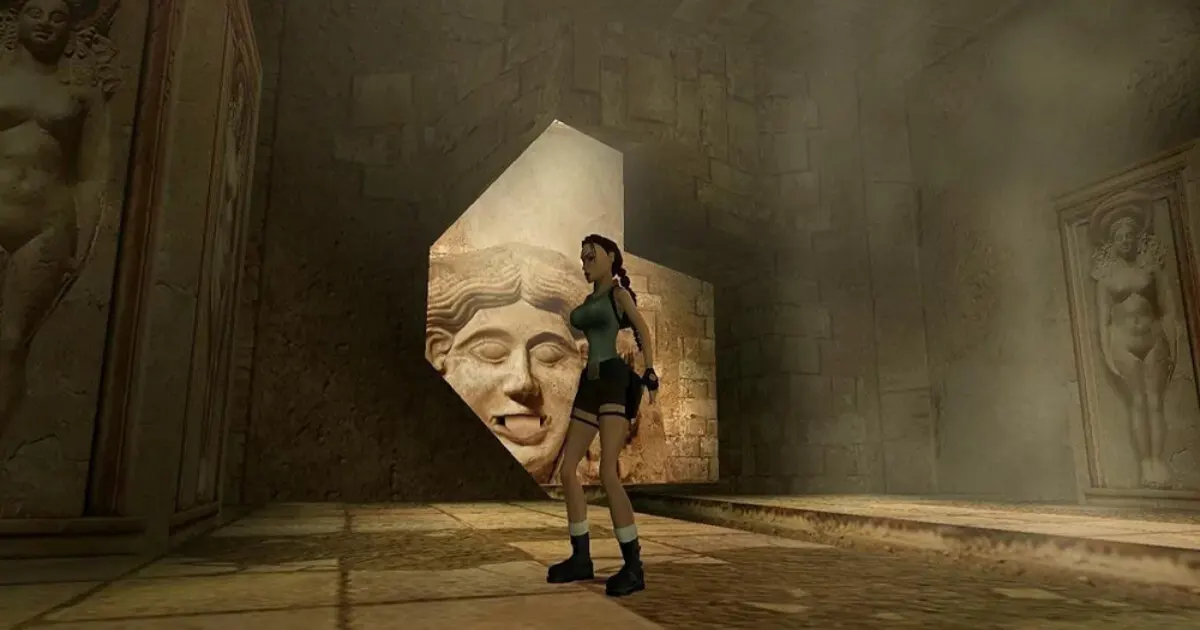
By 1999, annual releases were limiting the series. The Last Revelation aimed to refresh the structure while keeping classic gameplay. Most events took place in Egypt, connecting levels more closely for a cohesive journey through temples and tombs.
Puzzles increasingly involved interacting with the environment and required revisiting areas with new abilities. The story was given more focus, delving into Lara's past and her relationship with Werner Von Croy, ending on a notably dark note as Lara was presumed dead.
Tomb Raider Chronicles - Stories from Lara's Past
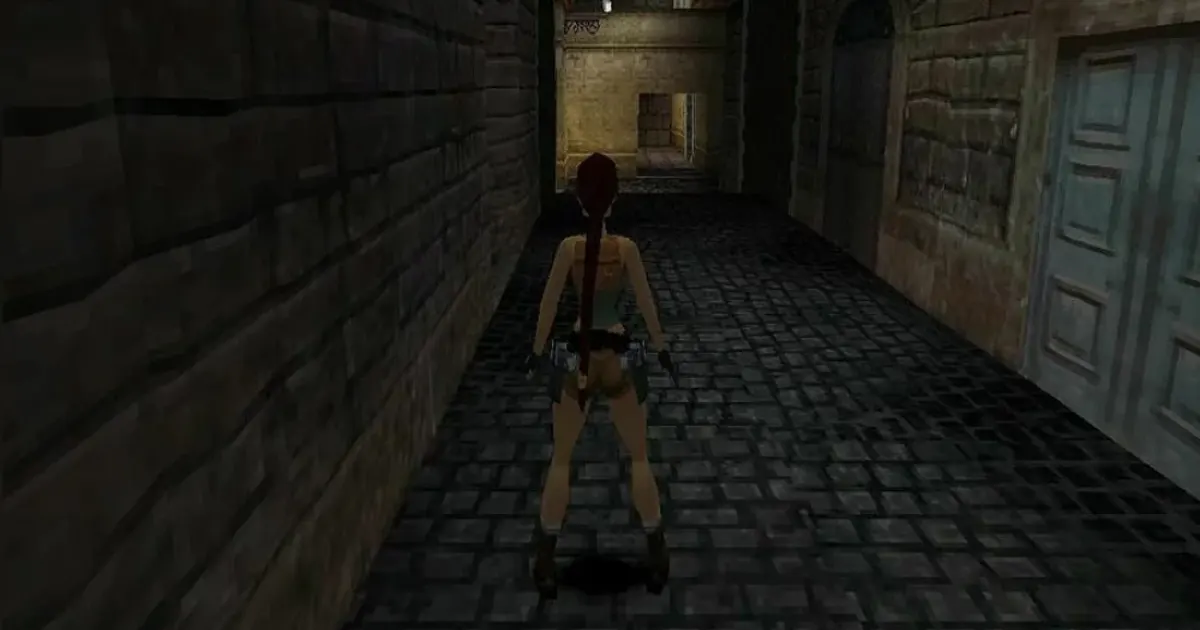
Released in 2000, Tomb Raider Chronicles was structured around Lara's friends reminiscing about her presumed death, with each chapter presenting a standalone adventure in Rome, on a Russian submarine, in Ireland, and a high-tech facility.
Differing atmospheres and mechanics marked each episode. For example, a story with young Lara focused entirely on exploration and evasion, as she had no weapons. However, by this point, the formula was growing stale, and the series needed a major overhaul.
Tomb Raider: The Angel of Darkness - Core Design's Biggest Gamble
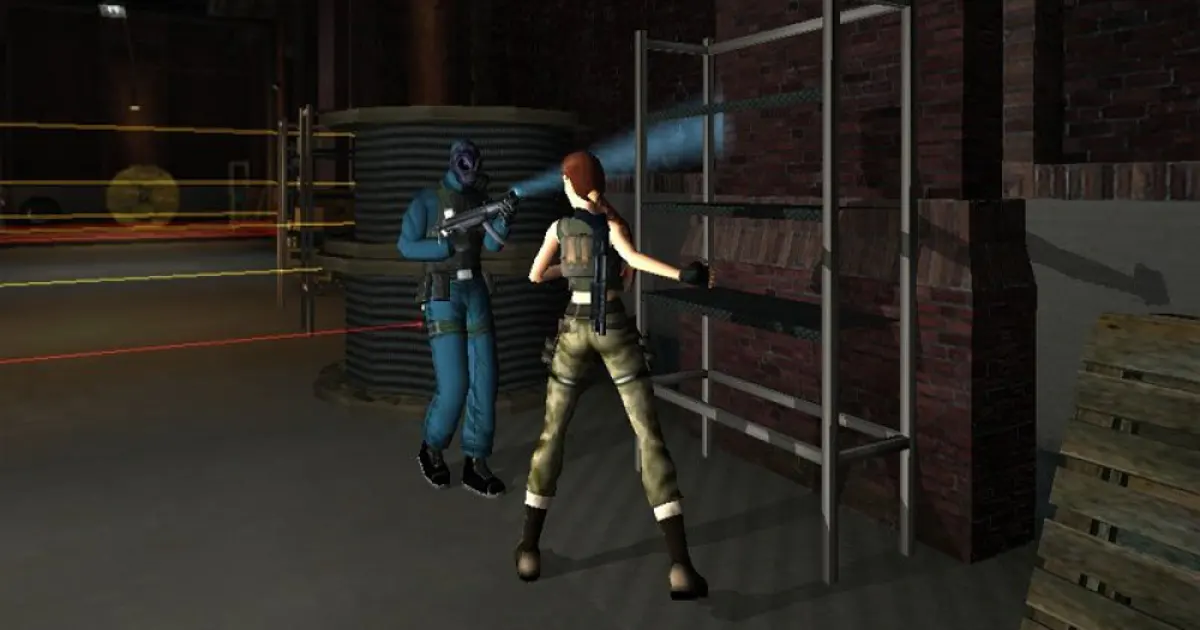
The Angel of Darkness (2003) was intended as a leap to a new generation, making the game darker, with a complex story and RPG-like elements. Events began in Paris, with Lara accused of murdering Von Croy. Significant portions took place in urban environments, featuring dialogue choices, character interactions, and physical upgrades.
The game also introduced a playable second character, Kurtis Trent. However, technical issues and unfinished mechanics plagued the project, and many planned features had to be cut.
It was the last main Tomb Raider by Core Design, ending the classic era and leading to a lengthy break before Crystal Dynamics took over development.
Tomb Raider Legend - The First Major Reinvention
After The Angel of Darkness, Tomb Raider was at a crossroads. The franchise was still famous, but the formula was outdated, and technical issues highlighted the need for a real reboot. Crystal Dynamics was tasked with redefining what modern Lara Croft should be.
The new team chose not to continue the direct story from Core Design, instead crafting their own version of Lara's biography and overhauling the mechanics. Movement became faster and more intuitive, the camera freer, and acrobatics less reliant on perfect positioning.
This ushered in a new era associated with three games: Legend, Anniversary, and Underworld.
Tomb Raider: Legend - Restoring the Franchise
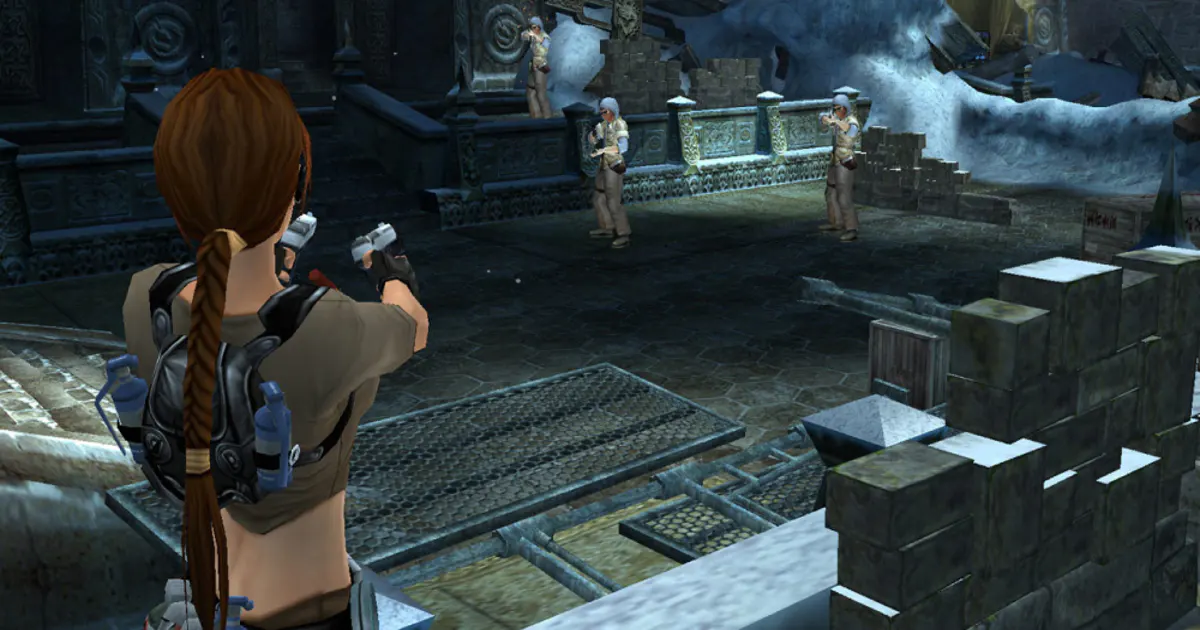
Tomb Raider: Legend (2006) was the first main entry from Crystal Dynamics, tasked not just with continuing the series but regaining trust after The Angel of Darkness.
Lara moved more fluidly, could grab ledges faster, and perform complex acrobatics with less precision. Levels became more linear and cinematic, with dramatic set-pieces and dialogue, but exploration, traps, and puzzles remained crucial.
A new mechanic, the magnetic grapple, allowed Lara to swing, pull objects, and interact with puzzles, diversifying the platforming without abandoning the series' roots.
Lara's character evolved as well-she spoke more during missions and communicated with her team via headset, making her less aloof than in the classics. Legend's plot introduced a new backstory, focusing on her mother's mysterious disappearance and Arthurian artifacts, a thread continued in Underworld.
Tomb Raider: Anniversary - A Return to the Beginning
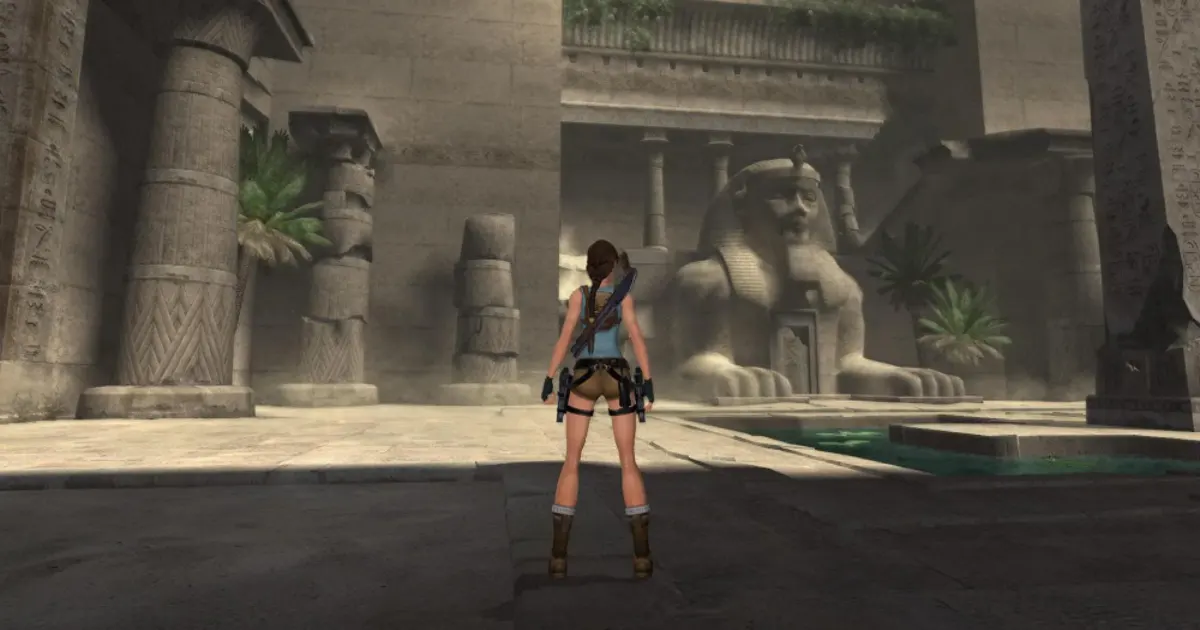
Building on Legend's success, Anniversary (2007) reimagined the original 1996 game. Key events were retained-searching for the Scion artifact, traveling to Peru, Greece, Egypt, and Atlantis, and facing Jacqueline Natla-but environments were rebuilt with then-modern technology.
Movement was updated, using Legend-style controls with auto-grabbing, free climbing, and the magnetic grapple. Areas felt faster and more dynamic, but exploration was still slower-paced than in Legend, emphasizing large open spaces and independent problem-solving.
Boss fights and story scenes were expanded, and Lara's emotional depth was highlighted, showing her reactions and the moral impact of her actions. Anniversary showcased how much Tomb Raider had changed in just eleven years.
Tomb Raider: Underworld - The Trilogy's Finale
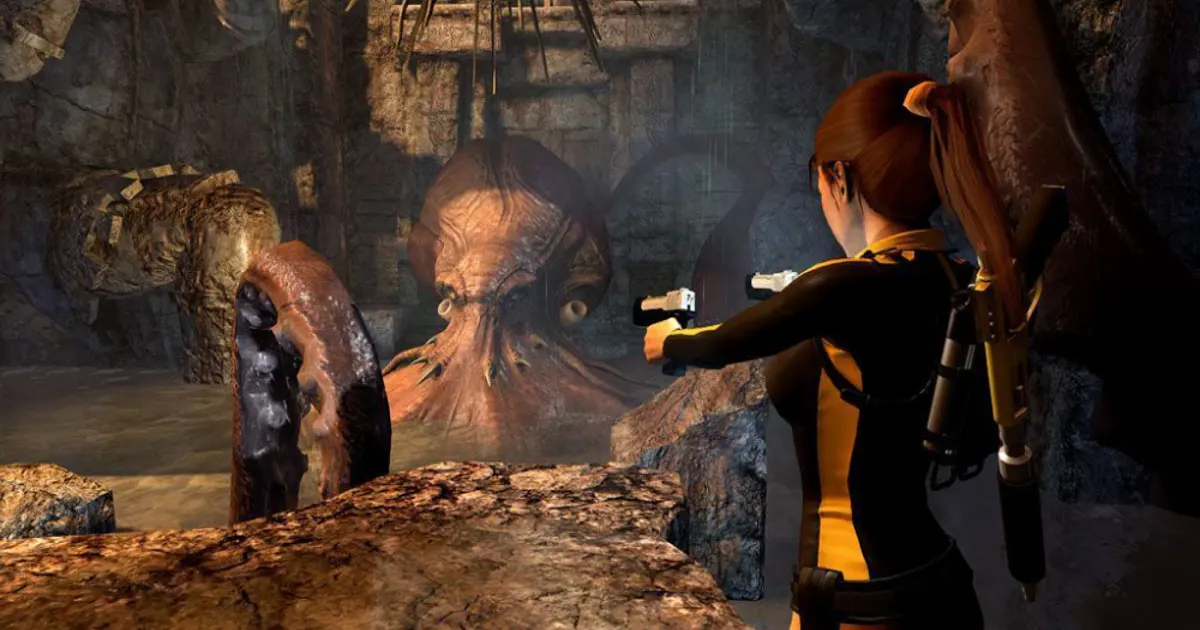
Underworld (2008) continued the Legend story and incorporated Anniversary's events. Lara's quest to uncover her mother's fate took her into Norse mythology and the underworld Helheim, revisiting characters and storylines from previous games.
The environment became less restrictive, with more movement options and natural interactions. Free climbing across certain surfaces allowed players to choose their own routes. Levels were larger and demanded more exploration, returning to the atmospheric roots of classic Tomb Raider.
While the trilogy modernized the formula, it still focused on an already established, experienced Lara. The next reboot would go much further, depicting the very beginning of Lara's journey and radically shifting the series' tone.
Tomb Raider 2013 and the Survivor Trilogy - A New Lara Croft
After Underworld, developers opted for a full reboot to reintroduce Lara Croft and explain how she became the legendary tomb raider. The Survivor Trilogy began with Tomb Raider (2013), presenting a young Lara facing real danger for the first time.
The tone shifted: survival, trauma, fear, skill progression, and a more realistic world took center stage. The series also became far more cinematic, blending exploration with modern action gameplay.
Tomb Raider (2013) - Lara's New Origin
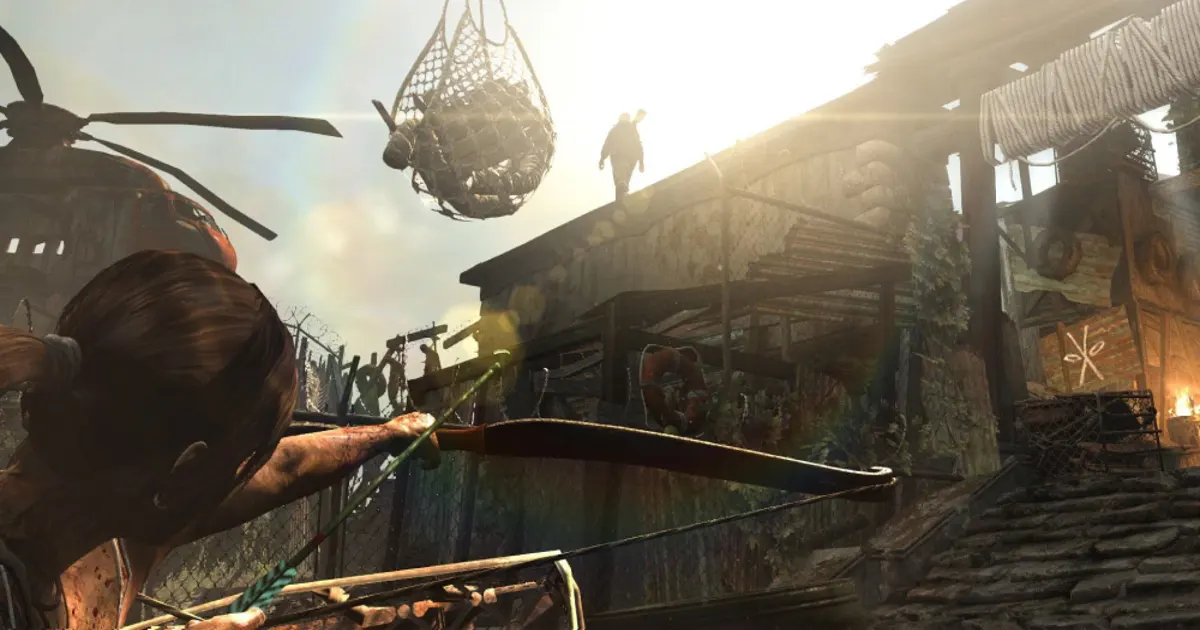
The 2013 reboot set events long before Lara became a famous archaeologist. She joins an expedition searching for the lost kingdom of Yamatai, but after a shipwreck is stranded on a mysterious island fighting for survival.
Early on, Lara is afraid, injured, and inexperienced in combat. As the story progresses, she learns to use weapons and gradually accepts the need to face danger alone.
Gameplay was overhauled: large interconnected zones replaced linear levels, and backtracking with new gear was encouraged. Skill trees allowed for new abilities, and resource gathering enabled weapon upgrades. The bow became a signature tool for both combat and exploration.
Acrobatics were simplified, with the game correcting movements for the player, making precise jumps less critical. Combat increased, with Lara battling groups of enemies, using cover, a variety of weapons, and stealth tactics.
Tombs became optional challenge rooms-short puzzle areas with rewards, rather than entire levels. The division between story and tomb exploration grew, contrasting with older games where levels themselves were massive puzzles.
Rise of the Tomb Raider - More Exploration and Tombs
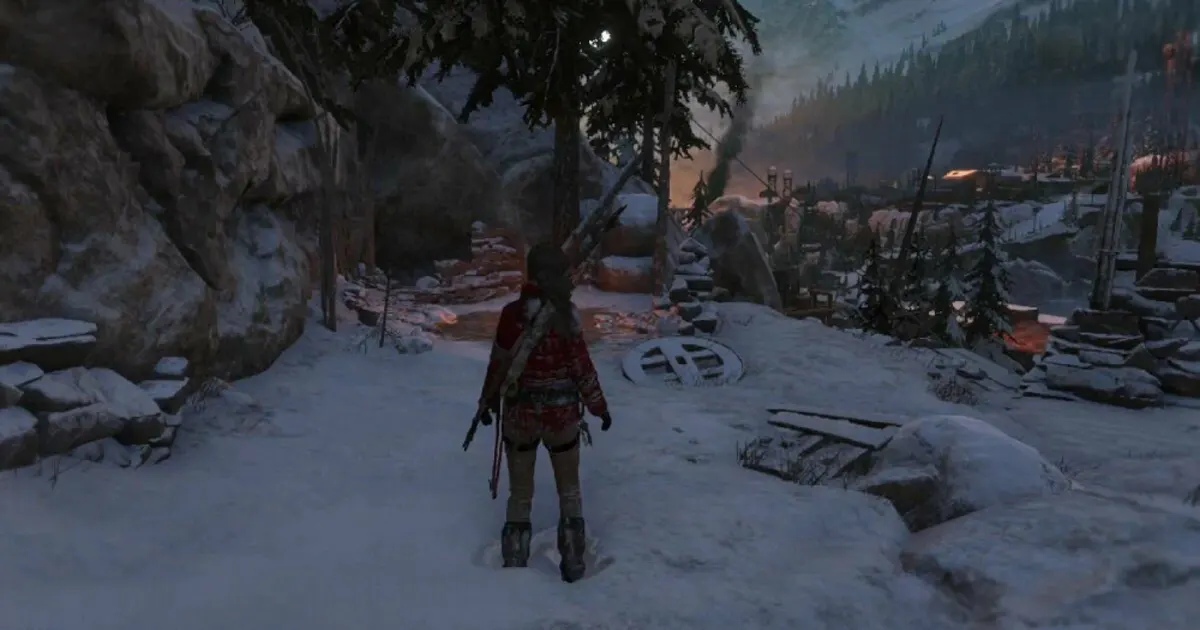
Rise of the Tomb Raider (2015) continued Lara's story, leading her to Siberia in search of the Divine Source, a legendary artifact said to grant immortality. She faces the organization Trinity, who are also after the Source.
The game expanded on the reboot's ideas: larger areas, more optional content, side quests, caves, and backtracking with new gear. More tombs were added, featuring complex physics, water, and environmental puzzles.
Crafting was deepened, allowing for custom ammo and upgrades from scavenged materials. Stealth options grew-Lara could hide in foliage, distract, and silently eliminate foes. Language puzzles encouraged studying murals and relics to unlock secrets.
Overall, Rise brought Tomb Raider closer to archaeological adventure, with survival still important but exploration and artifact hunting regaining prominence.
Shadow of the Tomb Raider - Completing Lara's Transformation
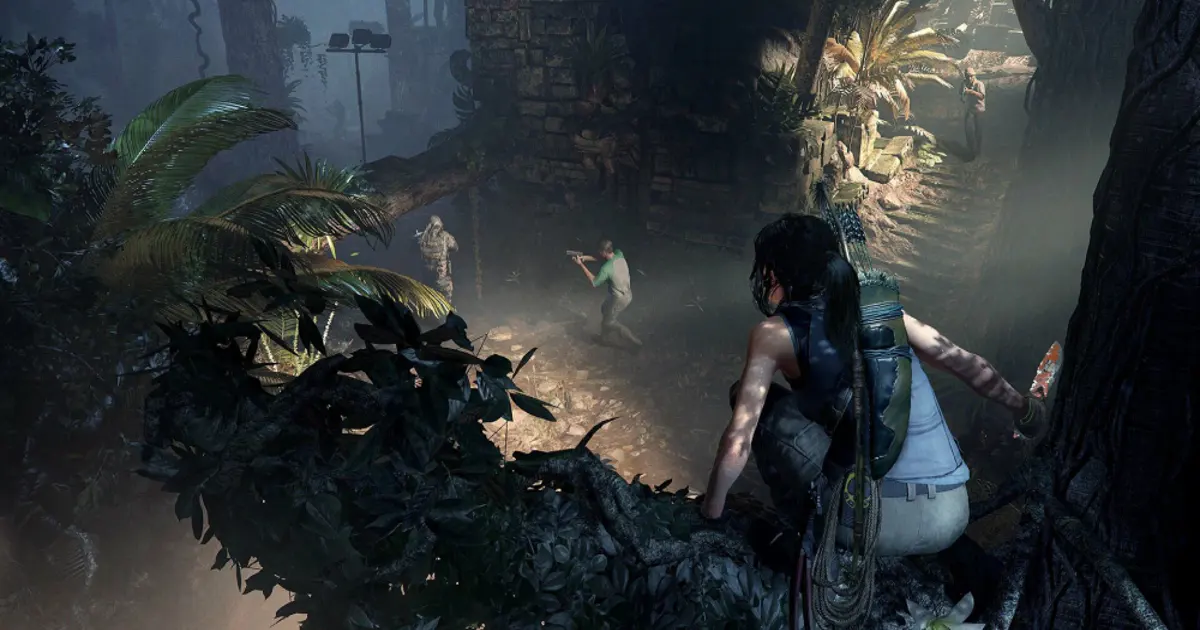
Shadow of the Tomb Raider (2018) ended the trilogy, set in Central and South America. Lara accidentally triggers a series of disasters after finding a Mayan artifact, while her conflict with Trinity continues.
The story focuses on the consequences of Lara's actions-she's now an experienced explorer, able to face any threat alone. Tomb exploration became even more important, with larger, multi-stage puzzle areas and traps.
Players could independently adjust difficulty for combat, exploration, and puzzles. Underwater areas were greatly expanded, and stealth was improved with features like mud camouflage and dynamic hiding.
Paititi, a hidden city with NPCs, merchants, and side quests, stood out as one of the largest hubs in the series. Shadow depicted Lara as the fully formed tomb raider, confidently deciphering languages, navigating traps, and seeking artifacts.
Yet the Survivor Trilogy was never a simple return to the old formula. It was built around large open areas, cinematic storytelling, RPG elements, crafting, and a blend of exploration with large-scale combat.
Return of the Classics and a New Tomb Raider Era
After the Survivor Trilogy, the series went quiet for several years, but Tomb Raider didn't disappear. Crystal Dynamics and partners began bringing back classic games to modern platforms while developing the next stage of the franchise.
This created a unique situation: on one hand, players could revisit the original Tomb Raider experience; on the other, new projects aimed to merge classic legacy with modern technology and design.
Tomb Raider I-III Remastered - The First Adventures Return
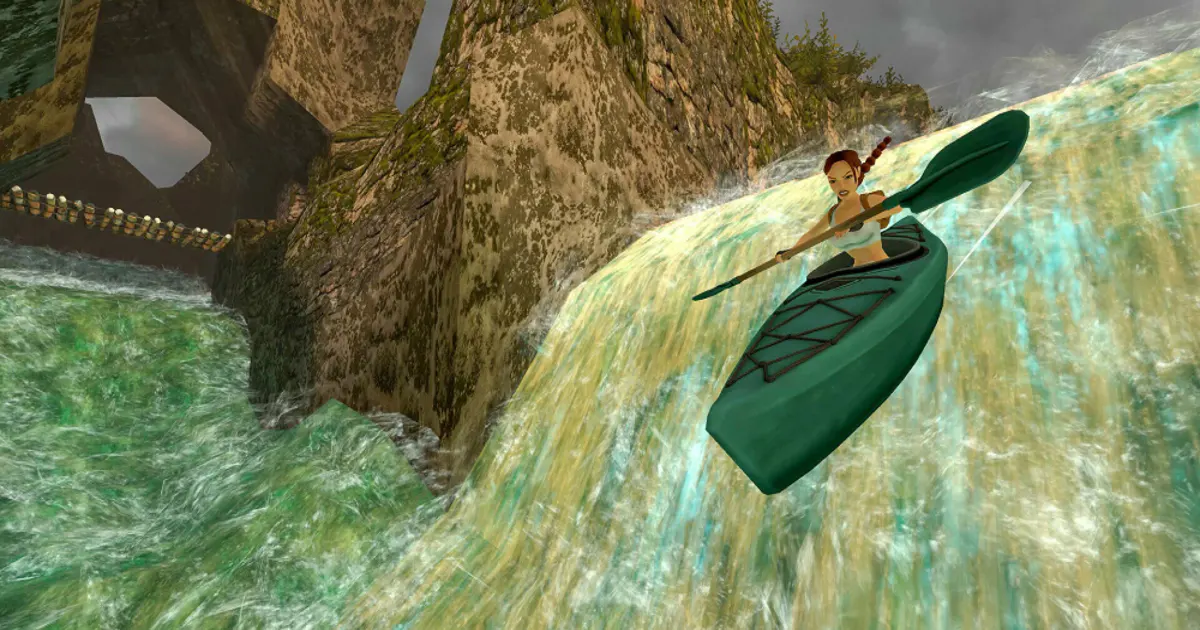
Tomb Raider I-III Remastered (2024) bundled the first three games and their expansions, developed by Aspyr. Rather than a full remake, the approach was cautious: core level geometry, puzzles, and gameplay stayed true to the originals, but models, lighting, and objects were modernized.
Players could instantly switch between original and updated graphics, highlighting decades of technological progress while keeping the classic gameplay intact. Modern controls were added, but tank controls remained optional, making the games more accessible to new audiences.
The remaster didn't turn the classics into Survivor-era games-demanding jumps, complex levels, and minimal hints remained. The collection showcased just how much the series changed, yet the core idea of exploring dangerous ancient sites remains unmistakable.
Tomb Raider IV-VI Remastered - Preserving the Late Classics
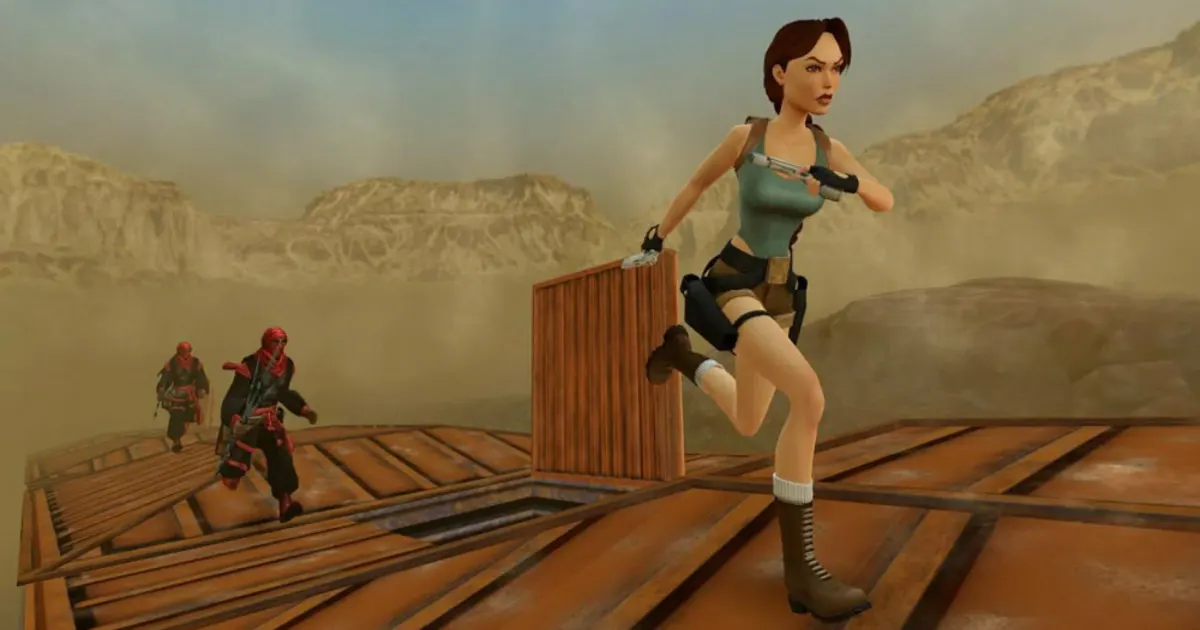
Released in 2025, Tomb Raider IV-VI Remastered included The Last Revelation, Chronicles, and The Angel of Darkness. Players could switch between classic and modern graphics, choose control schemes, and use extra features like photo mode.
Significantly, The Angel of Darkness saw gameplay tweaks and restoration of some cut features. All six Core Design entries became available in modern format, making the classic era easily accessible. The remasters proved there's still demand for the old-school formula: sprawling labyrinths and challenging acrobatics set the classics apart from today's adventure games.
Tomb Raider: Legacy of Atlantis - A Modern Reimagining of 1996
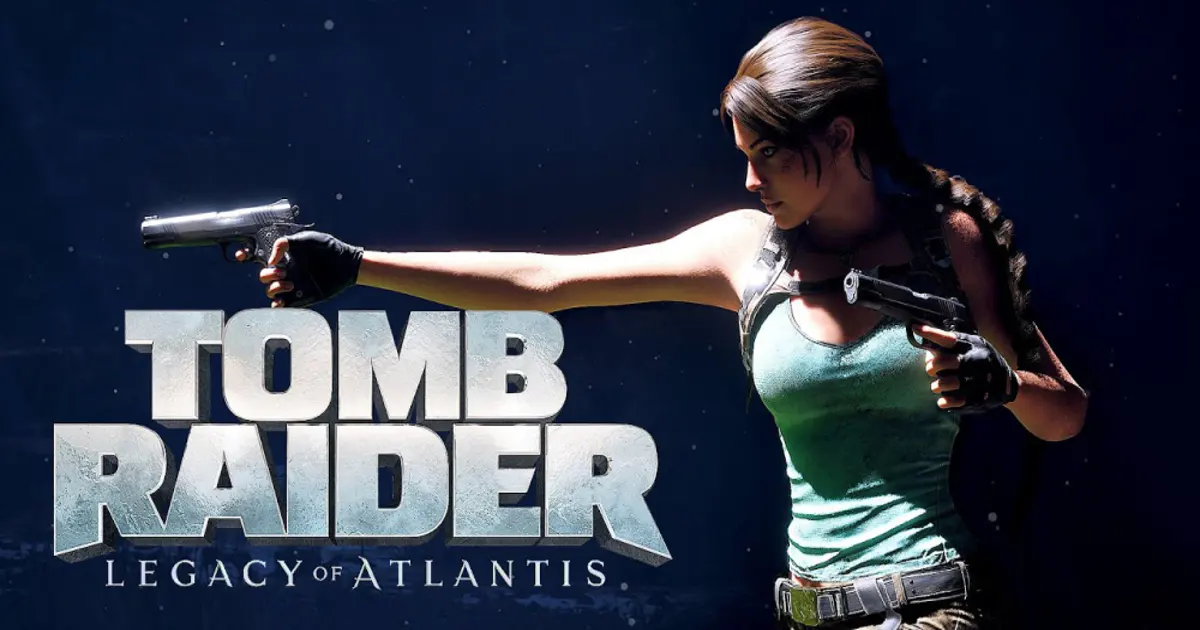
The next major project is Tomb Raider: Legacy of Atlantis (2027), a full reimagining of the original game by Crystal Dynamics and Flying Wild Hog, built on Unreal Engine 5. The core plot remains-Lara seeks the Scion artifact in Peru, Greece, and Egypt-but levels are no longer literal recreations.
Environments are much larger and more interconnected, with puzzles redesigned for modern gameplay. Unlike Anniversary (2007), which reimagined the original with then-modern mechanics, Legacy of Atlantis revisits the source material twenty years later, blending old atmosphere with current technology.
This project aims to bridge generations: the story and imagery are classic, but visuals, scale, and controls are thoroughly modern. Exploration, acrobatics, and intricate ruins remain central.
Tomb Raider: Catalyst - The Next Chapter
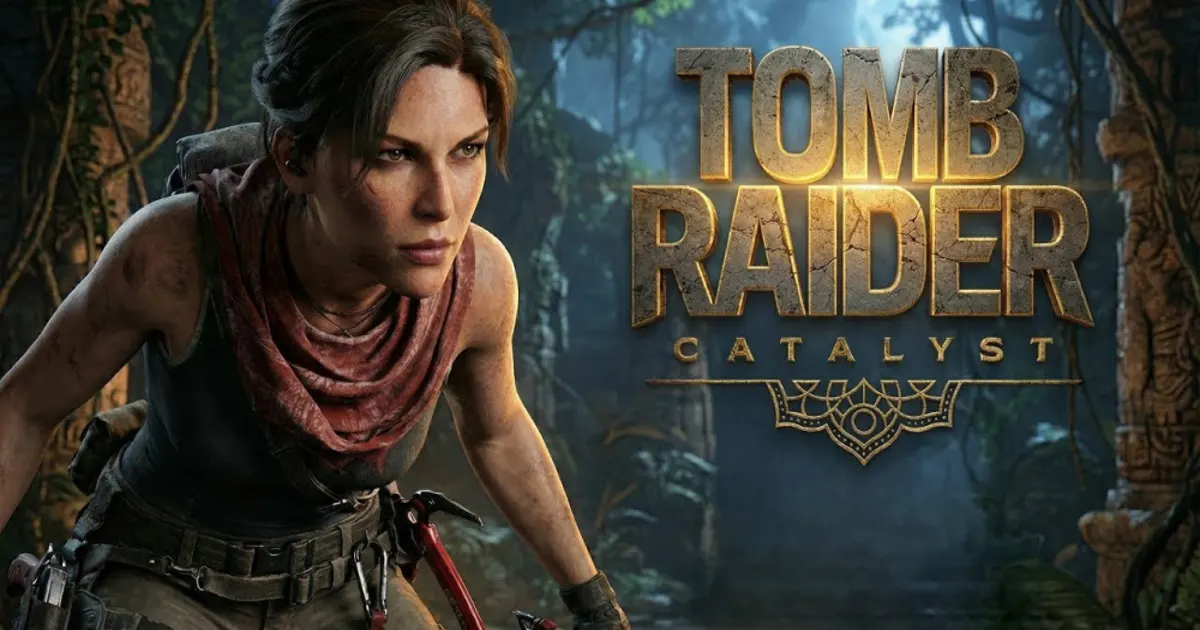
In parallel, Crystal Dynamics is developing a brand new mainline game, Tomb Raider: Catalyst (2027), for PlayStation 5, Xbox Series X|S, and PC. Unlike Legacy of Atlantis, it's an entirely new story set in Northern India after a mythic cataclysm, with treasure hunters converging on newly revealed secrets.
Lara must prevent the misuse of newfound powers and navigate complex relationships with rivals and allies. Catalyst promises the largest world in the series, not just by map size but by the depth of exploration, lost tombs, intricate puzzles, and specialized gear.
This game illustrates the series' evolution: classic Tomb Raider focused on small, intricate levels; the Survivor Trilogy brought semi-open hubs; Catalyst will expand this into the franchise's biggest world yet.
Modern Tomb Raider is increasingly returning to the image of an accomplished adventurer, moving beyond the origin story of the 2013 reboot. Nearly three decades after her debut, Lara Croft stands between two versions of Tomb Raider: Legacy of Atlantis revisits the origins, while Catalyst aims to define its future, blending classic elements with modern mechanics.
Conclusion
The history of Tomb Raider demonstrates how much a series can change while maintaining its core identity. Since 1996, the developers, technology, controls, level design, and even Lara Croft herself have evolved, yet the exploration of ancient sites, artifact hunting, and puzzles remain central.
Classic Tomb Raiders emphasized complex labyrinthine levels and demanding acrobatics. Legend, Anniversary, and Underworld modernized the formula with improved controls and cinematic flair. The 2013 reboot went further, portraying Lara as a young woman learning to survive and gradually becoming the Tomb Raider.
Remasters of the first six games let players rediscover the franchise's roots, while Legacy of Atlantis and Catalyst open the door to its next era. The former returns directly to the 1996 adventure, while the latter continues Lara's story in a new age.
For those wanting to play all Tomb Raider games in order, it's best to start with the originals or their remasters to appreciate how game design and Lara Croft herself have evolved. For players finding classic controls too unfamiliar, starting with Tomb Raider: Legend or the 2013-2018 trilogy and then working back is a great alternative.
Tags:
Similar Articles