The Ultimate Guide to AI Translator Earbuds: Breaking Language Barriers in Real Time
Translator earbuds use AI to deliver real-time speech translation, helping users communicate across languages almost effortlessly. This guide explains how translator earbuds work, compares top models, highlights their benefits and limitations, and explores how close we are to seamless, barrier-free conversation.

Translator earbuds are no longer science fiction-they're real AI gadgets that are bringing us closer to effortless conversations without language barriers. These devices can recognize speech, send it for AI-powered translation, and deliver the result as text or spoken phrases. Ideally, it feels like a normal conversation: one person talks in their language, and the other hears the translation almost instantly.
However, the technology isn't perfect yet. Factors like background noise, accent, speech speed, language support, and processing delays all affect translation quality. That's why translator earbuds are best seen not as magic replacements for language learning, but as practical tools for travel, brief conversations, work meetings, or situations where quickly grasping the gist is key.
This article explores how AI translator earbuds work, how they differ from standard smartphone apps, which models are on the market, and just how close we are to truly barrier-free communication.
What Are Translator Earbuds?
Translator earbuds are gadgets that help you understand speech in another language almost in real time. They may look like regular TWS earbuds, but their primary function is not music-it's live conversation processing: the device picks up a phrase, sends it to a translation system, and returns the result to the user.
There are two main types:
- Dedicated translator earbuds designed specifically for multilingual dialogues. They often feature unique communication modes, language selection apps, and scenarios like one-on-one conversations or ambient speech listening.
- Regular wireless earbuds paired with a smartphone and a translation app. In this case, the earbuds themselves don't "know" languages; they simply transmit audio and use microphones, while the main processing happens on the phone or in the cloud.
So, "translator in your ear" doesn't always mean a standalone device. More often, it's a combination of microphones, a smartphone, an app, an AI model, and an internet connection. The better this setup is configured, the more natural the conversation feels.
How AI Translator Earbuds Work
AI translator earbuds don't just swap words like a traditional dictionary. The process involves several steps: recognizing speech, converting it to text, translating the meaning into another language, and then displaying or voicing the result. That's why even "instant" translation comes with a slight delay.
Speech Recognition
The first stage is voice capture. Microphones in the earbuds or phone pick up the speaker's voice and try to separate it from background noise. This is crucial in public places like streets, cafes, airports, or transport hubs.
Then, the system converts the sound to text. At this step, pronunciation, speech speed, accent, and mic quality play a major role. If the phrase is misrecognized, the translation will also be inaccurate, no matter how advanced the AI model is.
Machine Translation
Once the speech is transcribed, machine translation takes over. Modern systems don't just match words from a dictionary; they analyze the whole phrase: word order, context, idioms, and intended meaning.
This is where AI truly shines. It can better understand conversational language, abbreviations, and imperfect phrases compared to older translation tools. Read more about how AI is transforming translation in the article How Automatic Translation Has Changed Thanks to Artificial Intelligence.
Audio Output
After translation, the result is delivered to the user. Sometimes the text appears on your phone screen; in other cases, it's spoken through a speaker-or, most conveniently, directly into your earbud.
Even with high quality, this isn't quite a "live dub" without pauses. The system needs to process at least part of the phrase before delivering a translation. So, conversations with these earbuds are easier, but not always as quick or natural as speaking the same language.
Translator Earbuds vs. Smartphone Apps
Standard smartphone translation apps are great for short phrases-asking directions, clarifying the time, or ordering at a café. But in real conversations, the phone can disrupt the natural flow: you have to take it out, unlock, select languages, hold it up, wait, and hand it back.
Translator earbuds make this process more seamless. You can hear the translation directly in your ear without glancing at the screen after every line. In some modes, both speakers wear an earbud, making the exchange feel almost like a normal conversation: one talks, the other hears the translation, and responds in their language.
The main difference isn't that earbuds are "smarter" than a phone-it's the convenience of the scenario. The phone remains the control hub for language selection, translation mode, internet connection, and sometimes text display. But earbuds remove extra steps and help keep your attention on the conversation, not the screen.
Still, smartphone apps may be better for translating signs, menus, documents, or showing text to someone. Earbuds excel in spoken exchanges: trips, meetings, lectures, and quick chats where grasping the general idea fast matters most.
Popular Translator Earbud Models
Translator earbuds shouldn't be judged as regular TWS headphones for music. What matters is whether translation is built into the product or added as a smartphone feature. Models fall into two categories: dedicated translators and mainstream earbuds with AI features inside an ecosystem.
Timekettle W4 Pro
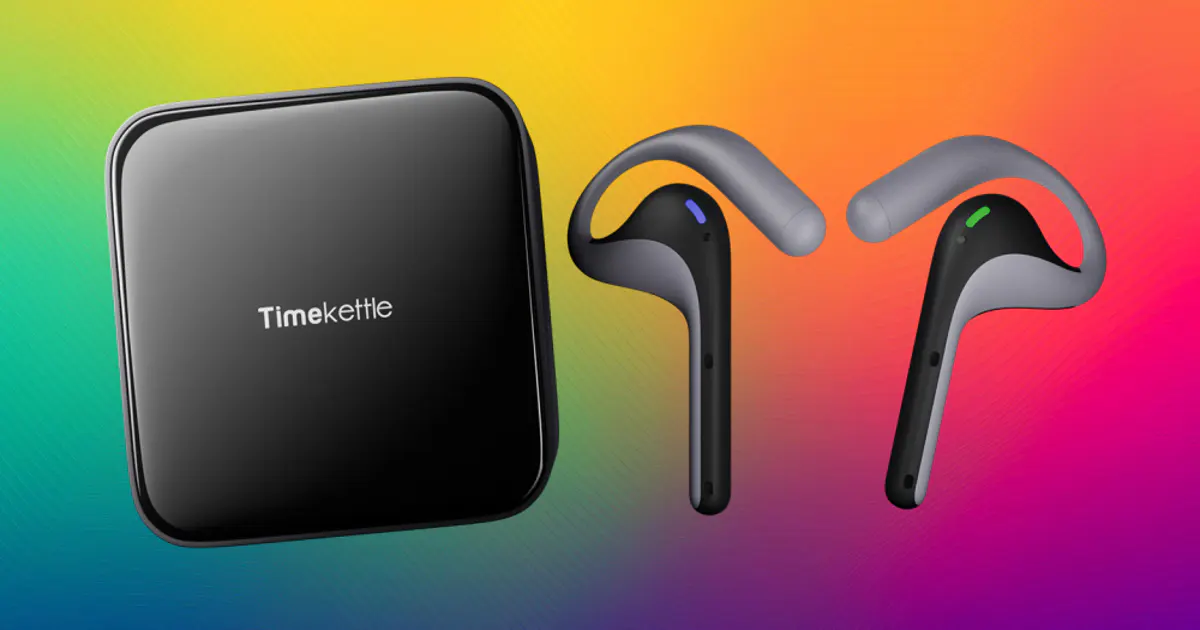
The Timekettle W4 Pro is a dedicated AI translation earbud. It focuses less on music and calls, and more on conversations between people speaking different languages. It offers modes for personal dialogs, listening to speech, and translating media content.
This type of earbud is closest to the idea of an "in-ear translator"-ideal for meetings, travel, conversations with foreigners, or quick understanding without constant screen interaction.
Timekettle WT2 Edge / W3
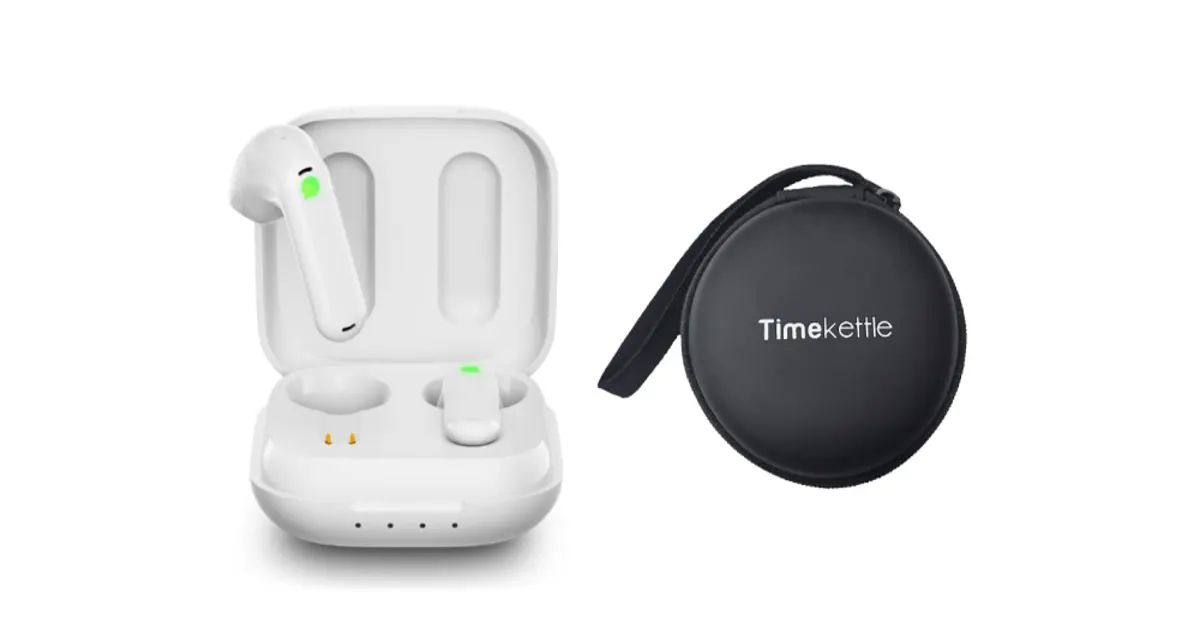
The Timekettle WT2 Edge and W3 are also dedicated earbuds for two-way translation. They're designed for live dialogue: one person speaks in their language, the other hears the translation, and responds through the system.
The main advantage is hands-free communication. You don't need to hold your phone throughout the conversation. However, translation quality still depends on the language, speech speed, background noise, and system accuracy.
Google Pixel Buds
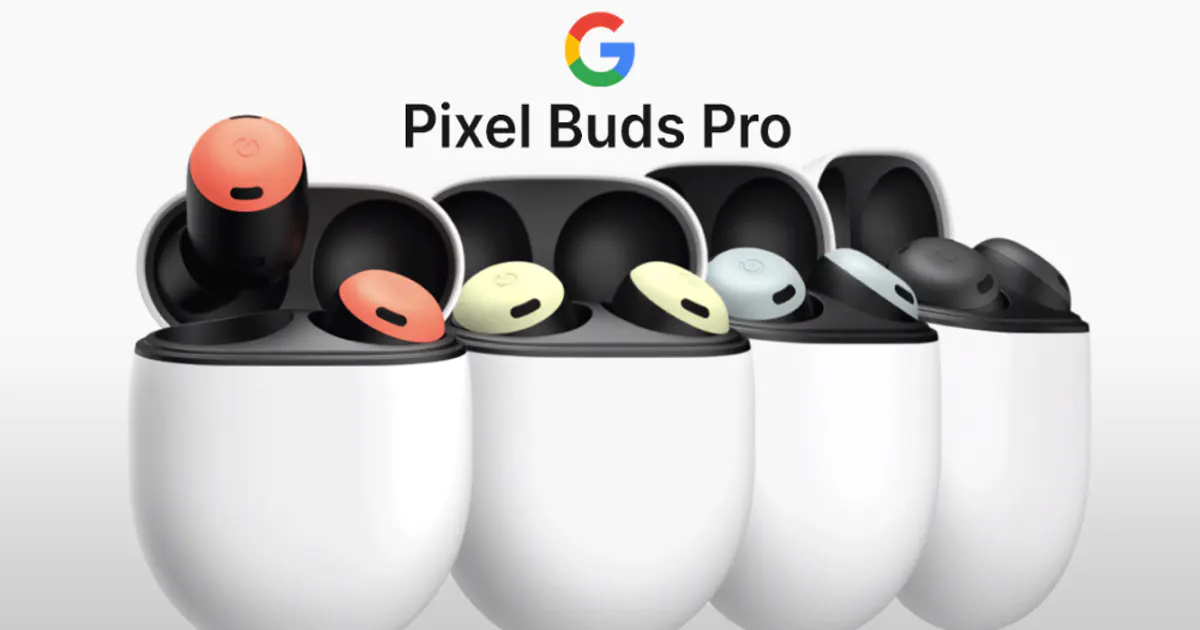
Google Pixel Buds work differently. They're not standalone translators, but TWS earbuds that use Google Translate with a compatible Pixel or Android phone. The translation is handled by the phone, app, and Google's services-not by the earbuds themselves.
This is convenient for those already using the Google ecosystem. You can hear translations and minimize screen time, but they aren't fully autonomous translators.
Samsung Galaxy Buds3 / Buds3 Pro / Buds3 FE
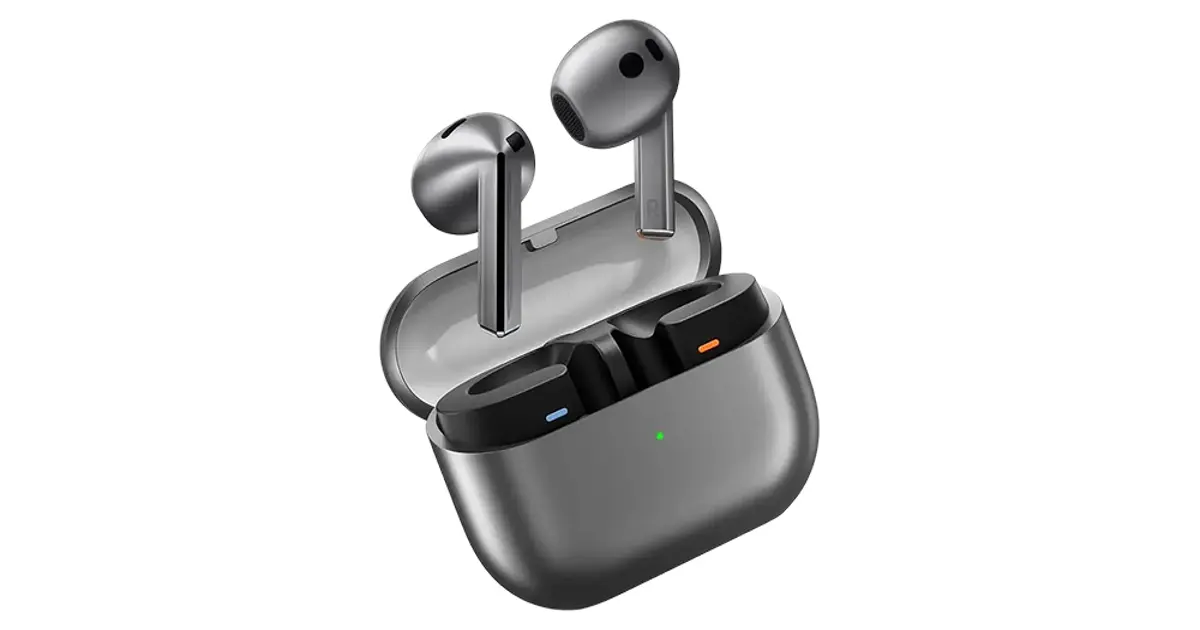
Samsung Galaxy Buds3, Buds3 Pro, and Buds3 FE are mainstream earbuds where translation appears as part of Galaxy AI features. Using a compatible Galaxy device, you can launch translator mode, view text, and hear translated speech in the earbuds.
This is a great fit for Samsung users, since translation is built into the Galaxy AI ecosystem. But remember, without a compatible phone and the right features, the earbuds won't function as standalone translators.
Any TWS Earbuds on Android + Google Translate
You can also use regular Bluetooth earbuds with Google Translate on Android-no need for a special model. This is the most versatile option, as it requires no dedicated gadget. But it's usually less natural: some actions still happen on the phone, and convenience depends on the app, language support, and regional availability.
Comparison Table: Translator Earbud Models and Formats
| Model / Format | Description | Strength | Main Limitation |
|---|---|---|---|
| Timekettle W4 Pro | Dedicated AI translator earbuds | Various translation modes for dialogs, speech, and media | Niche: more of a translator than a universal TWS earbud |
| Timekettle WT2 Edge / W3 | Two-way translation earbuds | Hands-free and convenient for live one-on-one talks | Quality depends on noise, language, speech speed, and connection |
| Google Pixel Buds | TWS earbuds with Google-powered translation | Great for Pixel and Android ecosystem users | Translation works via phone and Google services |
| Samsung Galaxy Buds3 / Buds3 Pro / Buds3 FE | TWS earbuds with Galaxy AI features | Fits seamlessly into Samsung Galaxy ecosystem | Depends on compatible phone and AI feature availability |
| Any TWS Earbuds + Google Translate | Universal option with regular Bluetooth earbuds | Use your existing earbuds without a special translator device | Less natural; some actions remain on the smartphone |
This table highlights the key difference: models like Timekettle are designed around translation, while Pixel Buds and Galaxy Buds offer translation as part of a broader ecosystem. The former is better for frequent multilingual dialogues; the latter is ideal for those seeking AI translation without an extra device.
Regular TWS earbuds with a translation app remain the easiest way to try out the feature, though the experience is closer to a smartphone translator than true, seamless in-person conversation.
Where Real-Time Translator Earbuds Are Already Useful
Translator earbuds shine where perfect accuracy isn't required. Their strength is quickly conveying the gist and helping people stay engaged in conversation. That's why they're already valuable for travel, brief meetings, and everyday situations where you'd otherwise have to reach for your phone repeatedly.
Travel
While traveling, translator earbuds are useful in hotels, cafés, airports, shops, or on public transport. For example, you can ask for directions, talk to front desk staff, explain booking issues, or understand announcements.
You don't always need perfect literary translation for these scenarios. What matters is quickly grasping what's needed and getting your point across. Here, real-time AI translation already lowers the language barrier significantly.
Work and Meetings
In business meetings, translator earbuds can serve as a supplementary tool. They help you follow the conversation, understand the context, and not fall behind if someone speaks a language you don't know.
However, for crucial negotiations, legal phrasing, medicine, finance, or technical details, these devices shouldn't replace professional interpreters-one wrong term can change the meaning, and AI doesn't always capture nuances or subtext.
Learning and Everyday Communication
Speech translation earbuds can help with lectures, chatting with foreign friends, or participating in international events. They reduce anxiety about unfamiliar languages and let you engage more quickly.
Still, they don't replace language learning. Think of them more as backup: they help you understand the other person now, but don't provide the same level of freedom that comes with real fluency.
Limitations of Real-Time AI Translation
Real-time AI translation is much more convenient than before, but it still depends on the quality of the original speech. If someone talks quickly, interrupts themselves, uses slang, or is in a noisy environment, the system may misrecognize the phrase before it's even translated.
Translation Delay
Even the fastest translator earbuds don't work instantly. They must first pick up the phrase, recognize the speech, process it, translate, and then play the result. Each step adds a slight pause.
For casual conversations, this isn't a big deal. But in live discussions where people respond quickly, interrupt, or switch topics, delays can disrupt the flow. So, this translation feels more like a helpful bridge than flawless, pause-free dubbing.
Noise and Accents
Microphone and noise-cancellation quality greatly affect results. In quiet rooms, translation can work far better than in stations, cafés, or busy streets. If the system mishears the original phrase, you may get an inaccurate translation.
Accents remain a challenge. AI models are trained on tons of voices, but unusual pronunciation, mixed languages, and fast speech can still lower accuracy-especially in languages with many dialects and colloquialisms.
Context and Emotions
It's easier to translate words than to convey intonation, irony, cultural context, or hidden meaning. In everyday conversation, much is understood from tone, pauses, facial expressions, and the surrounding situation.
This is still a weak spot for AI translation. It can convey the general meaning, but may make phrasing too flat, miss jokes, or fail to catch emotional nuance. Read more about how neural networks are learning to process text, sound, and context together in the article How Multimodal Artificial Intelligence Is Revolutionizing AI.
How Close Are We to Barrier-Free Communication?
For simple, everyday scenarios, barrier-free communication is already partly here. Translator earbuds help you order food, ask for directions, understand quick replies, pose questions at a hotel, or hold basic conversations with someone who doesn't speak your language.
But communication isn't fully free yet. Conversations still require pauses, clear speech, and a willingness to rephrase if the translation is off. The more complex the topic, the higher the risk of errors: everyday questions are understood better than professional debates, jokes, sarcasm, or culturally loaded phrases.
The main shift is that the language barrier is lower than ever. In the past, lack of language skills often meant avoiding interaction. Now, you can at least start a dialogue and understand the main idea. For travel, events, and brief meetings, that's a huge leap forward.
The ideal scenario-two people talking freely, with no delay or loss of meaning-remains a future goal. To get there, AI translation needs to better understand context, emotions, noisy settings, accents, and natural speech tempo.
Should You Consider Translator Earbuds Now?
Translator earbuds are already worth considering if you have a clear use case. For example, frequent travel, interactions with foreign colleagues, attending international events, or wanting to understand speech faster without constantly looking at your phone.
Dedicated models like Timekettle are best for those who prioritize conversation translation-they're more like communication tools than everyday universal earbuds. This format is suited to travel, meetings, negotiations, and situations where translation matters more than music, calls, or noise-cancellation.
Pixel Buds and Galaxy Buds are appealing for those invested in those ecosystems. If you have a compatible phone, translation becomes just another AI feature alongside voice assistants, calls, and regular audio. It's more convenient for everyday use, but depends on your phone, app, and regional feature availability.
Before choosing, focus on practical factors: supported languages, offline mode availability, ease of starting translation, mic performance in noisy places, whether you can use it for live dialogue without constant screen interaction, and compatibility with your phone.
Overall, these gadgets are already helpful-but not for everyone. If you only need translation a couple times a year, a standard app and regular TWS earbuds might suffice. If you have frequent multilingual conversations, dedicated AI translation earbuds can truly simplify and naturalize communication.
Earbuds are evolving from simple music devices into wearable AI interfaces: they help you listen, understand, analyze, and interact with digital services. For more on this trend, see the article Earables: The Future of Smart Headphones for Health and Fitness.
FAQ
How do translator earbuds work?
Translator earbuds use microphones, a smartphone or built-in app, speech recognition, AI translation, and audio playback. The device hears a phrase, turns it into text, translates it to the chosen language, and delivers the result to your earbud or screen.
Do AI translator earbuds require an internet connection?
Usually, yes. High-quality real-time translation relies on cloud AI services. Some devices have offline modes, but these are often limited in language support and may be less accurate than online translation.
Can translator earbuds replace language learning?
Not entirely. They help you understand the main idea and hold simple conversations, but don't always capture emotions, jokes, context, or complex phrasing. For travel and everyday needs, that may be enough, but true fluency still offers more freedom.
Are translator earbuds suitable for business negotiations?
They're useful as a supplementary tool, especially to follow the conversation. But for crucial agreements, legal matters, medicine, finance, or technical discussions, you shouldn't rely solely on AI translation.
How are AI translator earbuds better than regular apps?
The main advantage is convenience. With an app, you have to look at the screen and manage translation manually. Earbuds let you hear the result in your ear, making conversations less fragmented-even though the phone and app are still part of the system in most cases.
Conclusion
Translator earbuds have moved from experimental idea to real tool. They're helpful for travel, everyday chats, international meetings, and situations where you want to quickly understand someone without juggling multiple apps.
Yet, they can't fully remove language barriers-delays, noise, accents, complex topics, and lack of emotional context still pose challenges. That's why AI translator earbuds are best seen as assistants that lower the barrier, not as perfect substitutes for language fluency.
If you need translation only for occasional trips, your phone and regular earbuds may be enough. But if multilingual conversations are routine, dedicated or AI-enabled earbuds can make communication much easier and more natural.
Tags:
Similar Articles