The Ultimate Guide to Smart Alarm Clocks: Wake Up Gently and Rested
Smart alarm clocks offer a gentler, more personalized way to wake up, using light, sound, vibration, and sleep tracking. Learn how they work, compare top models, and discover which type best fits your morning routine and sleep needs.

Smart alarm clocks are transforming the way we wake up by offering a gentler, more personalized morning routine. Unlike traditional alarms that simply blast a loud sound at a set time, these next-generation gadgets gradually increase light, play calming sounds, use vibration, analyze your sleep via an app, or try to wake you at the optimal moment within a chosen window.
How Smart Alarm Clocks Work
Smart alarm clocks consider not just time, but also the context of your awakening. While a regular alarm rings at an exact moment-7:00 means 7:00-a smart device may factor in light, movement, sounds, your chosen wake interval, app data, or signals from a wearable device.
The simplest type is a sunrise alarm clock, which gradually increases brightness to simulate dawn. This provides a gentle visual cue, making waking up less jarring-especially helpful in winter when mornings are dark.
More advanced models analyze your sleep using data from your smartphone, smartwatch, fitness tracker, or sensors near your bed. The alarm then tries to sound at the lightest stage of sleep within your chosen window. For example, if you set a window from 6:40 to 7:00, the alarm will aim to wake you when your sleep is shallowest.
It's important to note that these systems aren't as precise as medical sleep studies. Smart alarms use indirect indicators like movement, vibration, sound, heart rate, or app data, focusing on comfort rather than diagnosis.
Phase-Based Smart Alarms
Phase-based smart alarms attempt to wake you during lighter sleep, leaving you feeling more refreshed. Instead of a fixed wake time, users set a wake interval, giving the device flexibility to choose the optimal moment. The wider the window, the better the chances for a gentle wake-up; too narrow, and it becomes like a regular alarm.
These are most effective when paired with wearables-smartwatches, fitness bands, or rings-which track more detailed movement and heart rate data. While your phone on the nightstand can help, it's less accurate, especially if you share your bed or move your phone during sleep.
Smart Alarms with Apps
Many smart alarm clocks with apps allow you to personalize your wake-up scenario-choose melodies, light intensity, length of simulated sunrise, wake window, volume, weekday schedules, and evening routines.
Some devices assist with winding down at night-dimming lights, playing calming sounds, and reducing distractions. This holistic approach helps improve not just your mornings but your evenings as well.
The app often provides statistics like bedtime, snooze frequency, sleep duration, and routine regularity. While not medically precise, these insights can reveal habits, such as constant snoozing indicating chronic sleep debt rather than a melody issue.
Main Types of Smart Alarm Clocks
Smart alarm clocks differ in design and wake-up method. Some focus on light, others on sleep analysis, and some use vibration or apps. The best choice depends on your specific struggles with waking up.
Sunrise Alarm Clocks
Sunrise alarms gradually increase brightness before your set time, creating a smooth transition from darkness to light-ideal for early risers or those who struggle with dark winter mornings. Many models add calming nature sounds, white noise, or gentle melodies, making waking up less harsh.
Phase-Based Smart Alarms
These alarms try to wake you during lighter sleep phases via an app, wearable, or dedicated device. You set a window, and the gadget chooses the optimal moment. The main benefit is a more natural waking experience, though results depend on sensor accuracy and your sleep habits.
Vibrating Smart Alarms
Vibrating alarms wake you with tactile signals rather than sound, commonly found in smartwatches, fitness bands, rings, or pillow devices. This is ideal for couples, families with children, or anyone who wants to avoid loud alarms. However, deep sleepers may need additional cues like sound or light.
Hybrid Smart Alarms
Hybrid models combine several wake-up methods-light, sound, app, schedule, and even smart home integration. For example, a device might gradually turn on a soft light, then play a gentle melody, and finally show sleep stats in the app. These are perfect for those who want a full morning routine, but require proper setup to utilize their full potential.
Popular Smart Alarm Clocks and Wake-Up Gadgets
The smart alarm market splits into two groups: bedside devices and wearables. Bedside devices excel at light-based waking and evening routines, while wearables are better for vibration and sleep analysis. Your choice should depend on the type of wake-up you need.
Hatch Restore 3
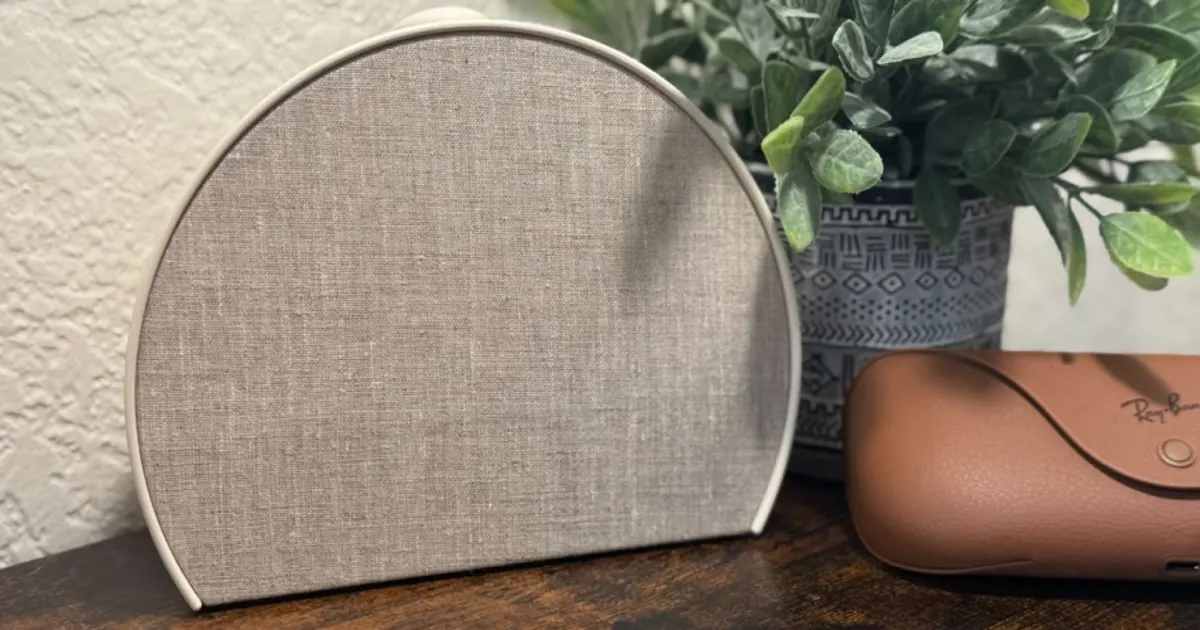
Hatch Restore 3 is renowned for its sunrise simulation, relaxing sounds, evening routines, and app control. It's great for establishing a full sleep-wake routine, especially for those wanting to keep their phone away from the bed while maintaining full control over their sleep schedule.
Philips SmartSleep Wake-up Light
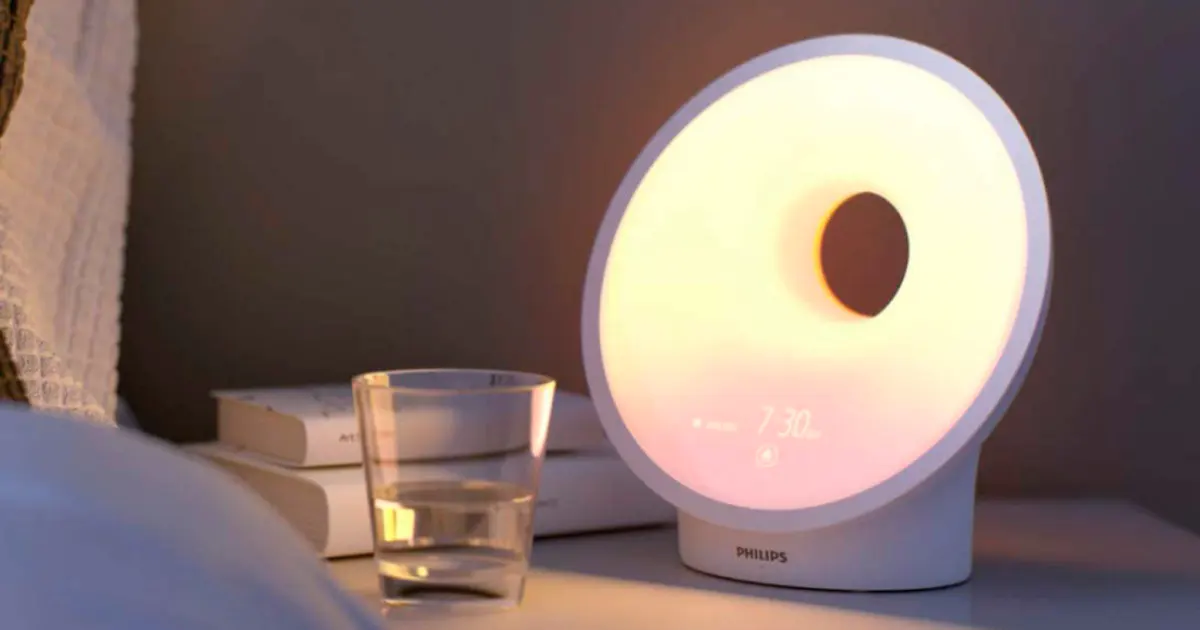
This classic sunrise alarm clock gradually increases light and plays gentle sounds, making it perfect for those who struggle with dark mornings-particularly in fall and winter. Its simplicity and clear focus make it a practical alternative to phone apps or traditional alarms.
Lumie Bodyclock Shine 300
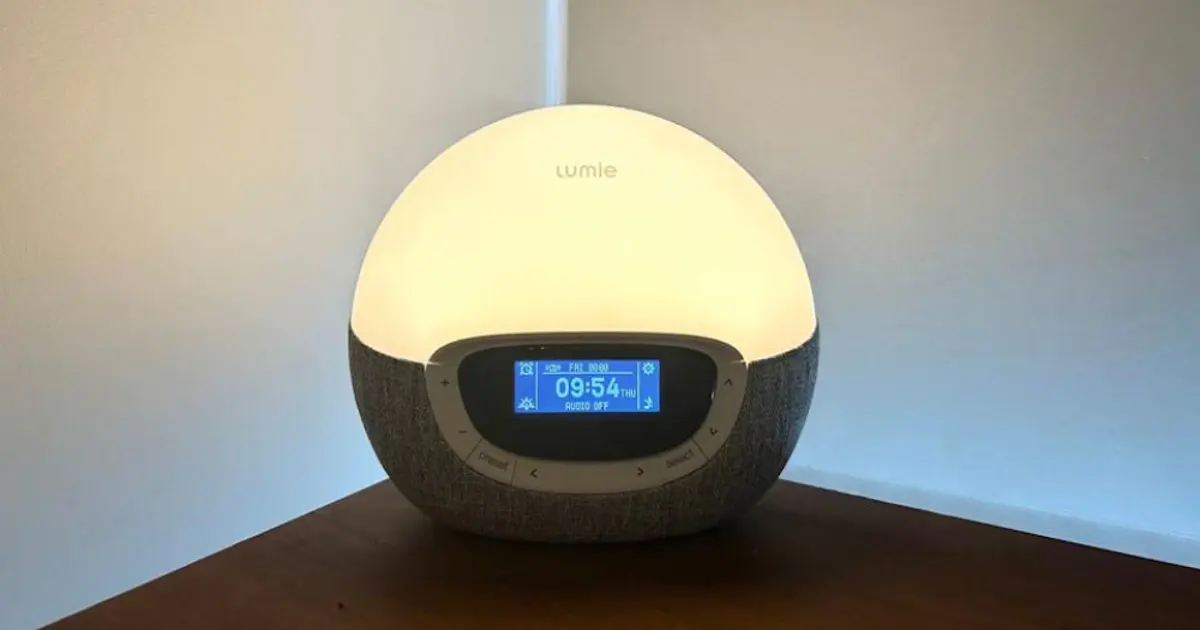
Lumie's alarm is all about customizable lighting, simulating both sunrise and sunset to help you wake up and wind down more naturally. It's ideal for those sensitive to light and seeking a more natural sleep-wake rhythm.
Loftie Clock
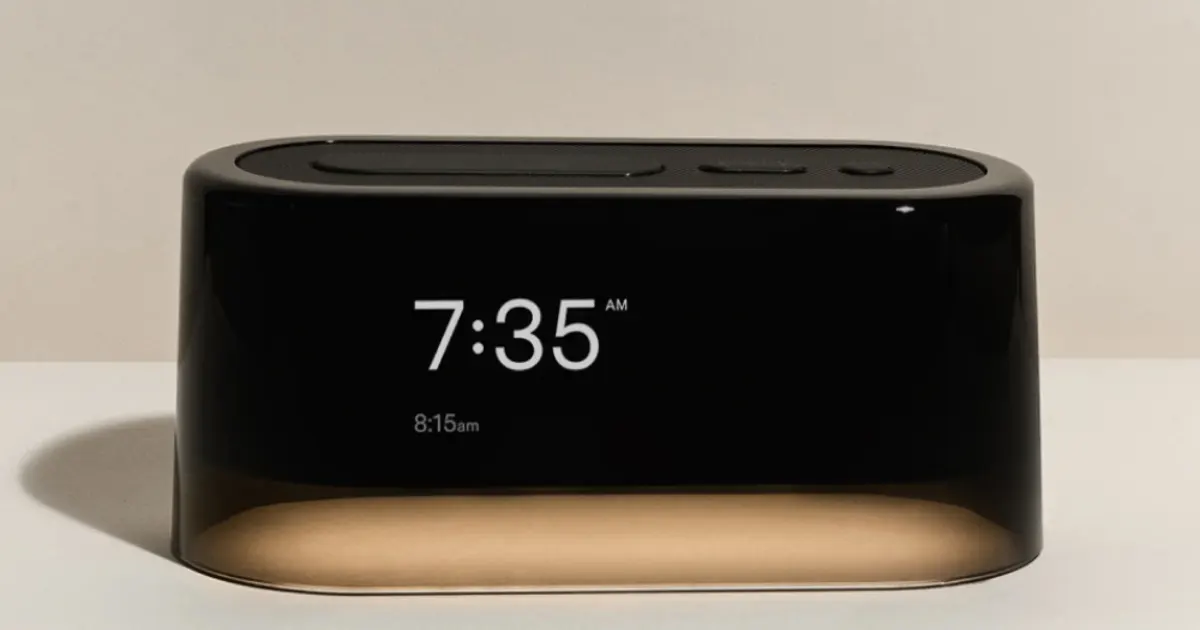
The Loftie Clock is designed for people who want to reduce phone use before bed. It combines alarm, nightlight, and calming soundscapes, helping to create a distraction-free, relaxing environment for sleep as well as a gentle wake-up experience.
Loftie Lamp
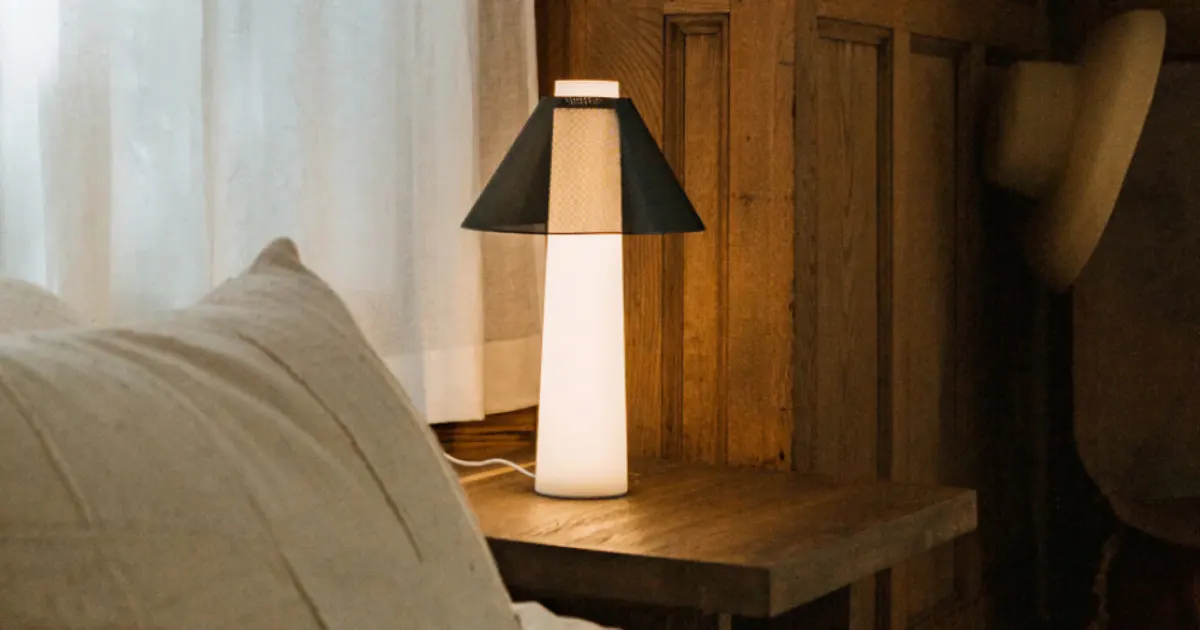
More of a smart lamp than a conventional alarm, the Loftie Lamp focuses on lighting scenarios and bedroom ambiance. It's perfect for those who value visual comfort and want to integrate lighting and design into their sleep routine.
Hatch Rest 2nd Gen
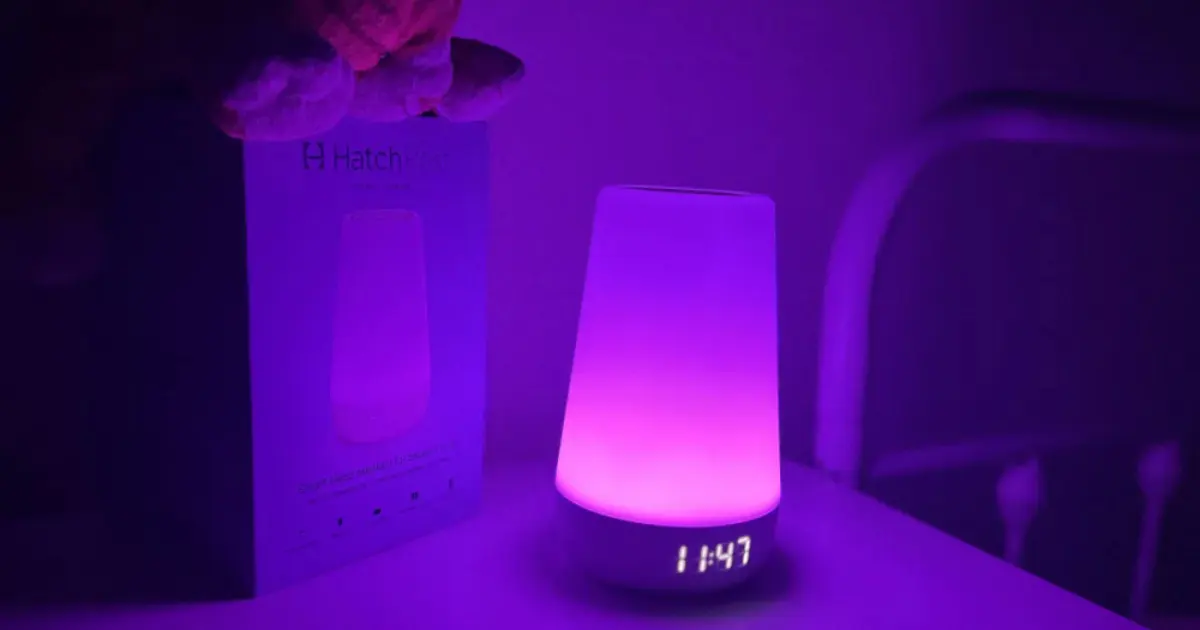
Hatch Rest 2nd Gen is aimed mainly at children's rooms, combining a nightlight, sleep sounds, and sleep routines. For parents, it helps establish a predictable bedtime and wake-up routine for kids, using light and sound cues.
Smartwatches and Fitness Bands
Devices like the Apple Watch, Samsung Galaxy Watch, Garmin, Huawei Band, and Xiaomi Smart Band offer vibration alarms and sleep tracking. Since they're worn on the body, they're more accurate at detecting movement and heart rate, making them ideal for phase-based waking and personalized, silent alarms.
Comparison Table: Top Smart Alarm Clocks
| Model / Type | Format | Wake Method | Best For | Main Advantage |
|---|---|---|---|---|
| Hatch Restore 3 | Sunrise smart alarm | Light, sound, app, sleep routines | Those wanting custom morning & evening routines | Versatility |
| Philips SmartSleep Wake-up Light | Sunrise alarm | Gradual light & gentle sounds | Anyone struggling with dark mornings | Simplicity |
| Lumie Bodyclock Shine 300 | Sunrise alarm | Sunrise and sunset simulation | Light-sensitive users | Natural waking |
| Loftie Clock | Smart bedside alarm | Sound, nightlight, sleep routines | Those wanting less phone time in bed | Reduced digital noise |
| Loftie Lamp | Smart sleep lamp | Lighting scenarios & soft ambiance | Design-conscious sleepers | Comfortable light |
| Hatch Rest 2nd Gen | Children's sleep gadget | Nightlight, sounds, sleep & wake routines | Parents and kids | Helps build routines |
| Smartwatches & fitness bands | Wearable gadget | Vibration, sleep analysis, scheduled alarms | Those wanting silent, personalized alerts | Vibration & sleep tracking |
This table shows that smart alarm clocks serve different needs. If your main issue is dark mornings and harsh wake-ups, sunrise models are best. To cut pre-bed phone use, choose standalone bedside devices like the Loftie Clock. For vibration, sleep stats, and phase-based waking, wearables are often more convenient.
Don't choose by features alone: a simple sunrise alarm may be perfect for one person, while another needs a silent wearable. The more closely a gadget addresses your actual problem, the more helpful it will be.
Smart Alarm Clock or Fitness Band: Which Should You Choose?
Both smart alarm clocks and fitness bands aim to improve your mornings, but in different ways. Bedside alarms shape your environment with light, sound, and atmosphere; wearables track movement, heart rate, and sleep phases, waking you with vibration.
If darkness makes waking difficult, a sunrise alarm is best-especially for winter, early schedules, or blackout-curtained rooms. A fitness band can vibrate, but won't create a natural morning ambiance.
For in-depth sleep analysis, personalized stats, and silent waking, choose a smartwatch or fitness band. These wearables track sleep more accurately and wake you quietly. For more on similar devices, check out our guide to the top 5 smart rings for 2025.
You can also combine both: use a sunrise alarm for light and a wearable for vibration-ideal for sensitive sleepers wanting a gentle, multi-sensory wake-up. Your choice depends on the root cause of tough mornings: harsh alarms and darkness call for sunrise models; those wanting sleep tracking and quiet waking will prefer wearables; for the softest wake-up, blend light, vibration, and calming sounds.
Do Smart Alarm Clocks Really Help You Wake Up Easier?
Smart alarms can make mornings more comfortable but aren't magic fixes for chronic sleep deprivation, late nights, or erratic routines. If you're only sleeping 4-5 hours, no gadget can make up for lost rest.
Their greatest impact comes as part of a healthy habit. Sunrise alarms ease your body into wakefulness; vibration reduces the shock of loud sounds; phase-based alarms may pick a gentler wake moment. All these features reduce the feeling of being yanked from sleep.
The main benefit comes from consistency: waking at the same time daily, not hitting snooze repeatedly, and avoiding screens late at night make your smart alarm more effective. It's a tool for maintaining routine, not building one from scratch.
On the flip side, some users obsess over sleep stats and start worrying about every "bad" graph, which can add stress. Treat the data as a guideline, not a diagnosis.
If your main issue with waking is smartphone overuse at night, a smart alarm alone won't solve it. Start by eliminating evening distractions-notifications, social media, bright screens, endless scrolling. For more advice, read our article on digital detox and better sleep.
Ultimately, smart alarm clocks help you wake up easier when you give them the right conditions: enough sleep, a suitable wake method, and not using them as an excuse for poor sleep habits. Think of them as tools for a smoother morning, not a cure for fatigue.
How to Choose a Smart Alarm Clock
Select a smart alarm based on your main waking challenge, not just features. Some need gentle light, others need vibration to avoid waking a partner, and others want sleep tracking and precise wake-up timing.
Wake Method
- If darkness is an issue, choose a sunrise alarm for a gradual, natural wake-up-great for winter, early schedules, and rooms lacking natural light.
- If loud sounds irritate you, a vibrating alarm in a smartwatch, band, or pillow device is ideal-especially if you share your bed.
- If you want to wake at the best moment, look for a phase-based alarm using body data: watches, bands, or rings. Phones work, but tend to be less accurate.
App Integration
An app makes alarms more flexible-set weekday schedules, dawn duration, volume, sounds, evening routines, and wake windows. But avoid overly complicated devices that demand constant attention; simple setups are often more sustainable.
Sleep Tracking Accuracy
Wearables usually track sleep better since they're on your body, monitoring movement, pulse, and activity. Bedside alarms are less precise but excel at controlling light and ambiance. Don't expect medical accuracy-focus on habit awareness and gentler waking.
Ease of Daily Use
A good smart alarm should be easy to adjust, not blindingly bright, play non-irritating sounds, and have a simple snooze. Consider your bedside setup-does it fit on your table? Does your wearable need frequent charging? Is app setup straightforward? Convenience increases the likelihood you'll use it daily.
Who Benefits Most from Smart Alarm Clocks?
Smart alarms help those who wake up groggy due to a mix of darkness, harsh signals, unstable routines, and chronic snoozing. They make mornings more predictable and less stressful.
Sunrise models are especially useful for early risers, shift workers, or anyone living in regions with long dark mornings. Vibration alarms are great for people who share a room and don't want to disturb others. Phase-based alarms appeal to those curious about their sleep patterns and wanting habit insights.
If you're already interested in sleep tech, you might enjoy our guide to the top 5 AI sleep and anti-snoring gadgets for 2025, which covers advanced solutions for tracking sleep, breathing, and overall rest quality.
These devices work best for those willing to tweak habits-setting gentle light, comfortable sounds, realistic wake times, and not endlessly snoozing. Used well, a smart alarm can become a true part of your morning rhythm, not just another gadget on your nightstand.
Who Might Not Benefit?
Smart alarms can disappoint if you expect instant solutions for sleep problems. If you consistently go to bed late, get little sleep, and always wake tired, a gadget won't fix the core issue.
Some users may become overly focused on sleep scores, leading to unnecessary stress. Light-based alarms aren't ideal if you wear a sleep mask, turn away from light, or share a room with someone disturbed by early light. Vibration-only alarms might not wake very deep sleepers.
If you dislike complex setup or app management, opt for simple models with minimal features. And remember, a smart alarm isn't a medical device-if you experience persistent morning fatigue, frequent night wakings, or daytime sleepiness, consult a specialist for deeper solutions.
FAQ
How does a smart alarm clock work?
It uses not just a set time but also light, sound, vibration, and data from apps or wearables. Simple models use gradual light, while advanced ones analyze movement and try to pick the gentlest wake moment.
Do phase-based alarms really help?
They can, if you get enough sleep and set a reasonable window. They aren't perfectly accurate but can wake you when you're in a lighter sleep stage, based on movement, heart rate, or other signs.
Which is better: a sunrise alarm or a smartwatch?
Sunrise alarms are best for gentle waking in dark rooms. Smartwatches are better for vibration, sleep analysis, and personalized silent alarms. For maximum benefit, use both together.
Can I use my phone as a smart alarm?
Yes, with the right app. However, phones generally track sleep less accurately than wearables and can disrupt your routine if you're tempted to check notifications at night.
Conclusion
Smart alarm clocks make waking up easier not through magic, but by offering a gentler approach to mornings. Rather than abrupt sounds, they use light, vibration, soothing sounds, sleep analysis, and routines-helping you start your day with less stress, especially if you wake early or dislike loud alarms.
For dark mornings, sunrise models work best. For silent, personal alarms, smartwatches and fitness bands with vibration are ideal. For evening routines and maximum flexibility, consider hybrid bedside devices.
Most importantly, don't expect these gadgets to fix chronic lack of sleep. Smart alarms are most effective when you already have a basic routine: enough sleep, set schedules, and reduced evening distractions. Used well, they become a true ally for calmer, more predictable mornings.