The Best Electric Toothbrushes: Full Guide to Standard, Sonic & Smart Models
Discover the best electric toothbrushes for every need, from standard rotating models to advanced sonic and smart brushes. Learn how cleaning technology, brush head type, pressure sensors, and smart features impact your choice. Our comprehensive guide reviews top picks for sensitive teeth, braces, and budget options so you can find the perfect brush for your oral hygiene routine.

The best electric toothbrushes are distinguished not only by price and design, but also by their cleaning technology. Some models clean teeth using a rotating head, others utilize high-frequency sonic vibrations, while premium devices come equipped with pressure sensors, zone tracking, and smartphone apps.
This means choosing an electric toothbrush is about more than just comparing power and modes. It's important to consider the type of technology, sensitivity of your teeth and gums, whether you have braces, the cost of replacement brush heads, and whether you really need smart features. In this article, we'll review the main types of electric toothbrushes, compare their advantages, and highlight which models suit different needs.
Key Differences: Standard, Sonic, and Smart Electric Toothbrushes
The main difference between electric toothbrushes isn't in the number of modes, but in how the bristles move. This affects the cleaning sensation, brush head shape, brushing technique, and how easily you can control pressure on teeth and gums.
Rotating and Oscillating Toothbrushes
Classic electric toothbrushes typically use a small round head that rotates back and forth. Some models add pulsation, which helps the bristles remove plaque more effectively.
This design is convenient because the small head is easy to move sequentially from tooth to tooth. You don't need to make broad manual movements-just guide the brush along your teeth and let the mechanism do the work.
These brushes tend to deliver a noticeable mechanical cleaning sensation. Some users find this thorough, while others may find it too intense, especially if they have sensitive gums. That's why a pressure sensor is a useful feature, warning you if you press too hard.
How Sonic Toothbrushes Work
A sonic toothbrush uses a slim, elongated head, similar in shape to a manual brush. Its motor produces thousands of movements per minute, so you don't need to move your hand much.
The term "sonic" doesn't mean your teeth are cleaned by sound waves themselves. The real cleaning is done by the bristles, which mechanically remove plaque from the tooth surface and gumline.
Generally, sonic models feel smoother than brushes with a round rotating head. The familiar brush head shape also makes the transition easier for those switching from manual brushes.
When choosing between a sonic or an electric toothbrush, remember that a sonic model is also electric. In practice, this comparison usually refers to a sonic brush versus a classic rotating-head model.
What Smart Toothbrushes with Apps and Sensors Offer
Smart toothbrushes can use either sonic or oscillating technology, but feature additional sensors and wireless smartphone connectivity.
The most useful features include brushing time tracking, pressure sensors, and monitoring which zones of your mouth you've cleaned. The app provides statistics, reminds you about missed areas, and helps you develop a better technique.
However, having an app doesn't automatically make a brush more effective. If you already brush for two minutes, cover all areas evenly, and don't use excessive pressure, many smart features may become unnecessary extras.
So, when choosing between standard, sonic, and smart models, focus first on the cleaning mechanism, brush head comfort, and pressure sensor-then consider Bluetooth, apps, and advanced statistics.
Best Standard Electric Toothbrushes
This category includes models with a round head that rotates or oscillates. They're great for anyone moving up from a manual brush who doesn't need an app, AI, or detailed brushing statistics.
Top All-Around Choice - Oral-B iO Series 3
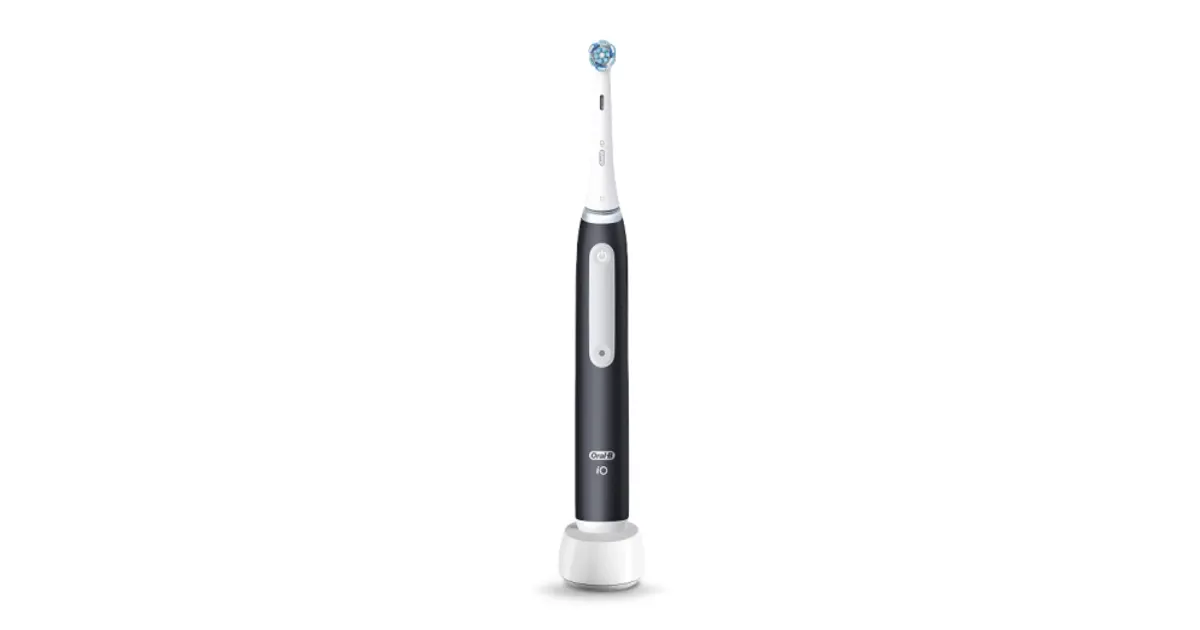
The Oral-B iO Series 3 bridges the gap between basic electric brushes and premium smart models. It uses Oral-B's round head with micro-vibrations and offers three modes: Daily Clean, Sensitive, and Whitening. The built-in timer is set for two minutes and signals every 30 seconds to switch zones.
One standout feature is the easy-to-read pressure sensor. A light ring shows when you're pressing too hard, too lightly, or just right. The brush also reduces intensity if you apply too much pressure.
The iO Series 3 does not connect to an app-that's only found in pricier models. This way, you get the main benefits of the iO platform without paying extra for features you might not need.
Best Budget Option - Oral-B Vitality Pro
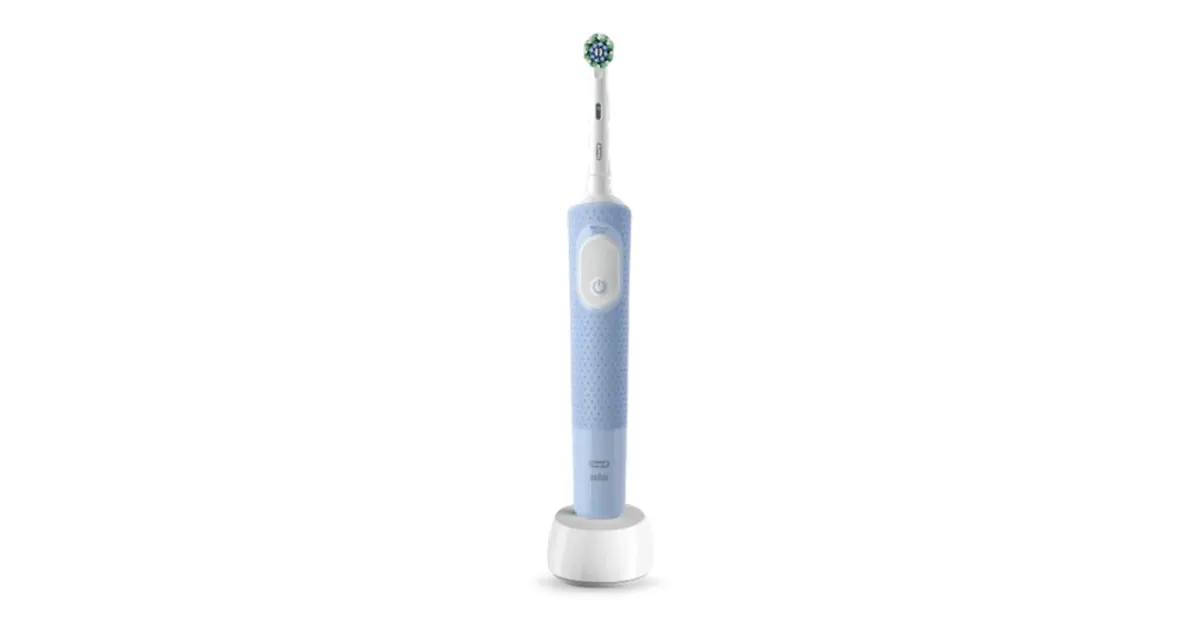
If you want a no-frills electric toothbrush, the Oral-B Vitality Pro is a great pick. It uses classic Oral-B 2D technology-its round head rotates and oscillates. There are three modes: Daily Clean, Sensitive, and Sensitive Plus.
This model includes a two-minute timer, so you can control brushing time even on a budget. There's no advanced pressure sensor or premium features-just simplicity and reliability.
Vitality Pro is ideal if you want an entry-level electric brush: turn it on, pick a mode, start brushing. Another plus is the wide selection of compatible Oral-B heads, making it easy to find replacements that suit your preferences.
Top Pressure Sensor Pick - Oral-B Pro 3
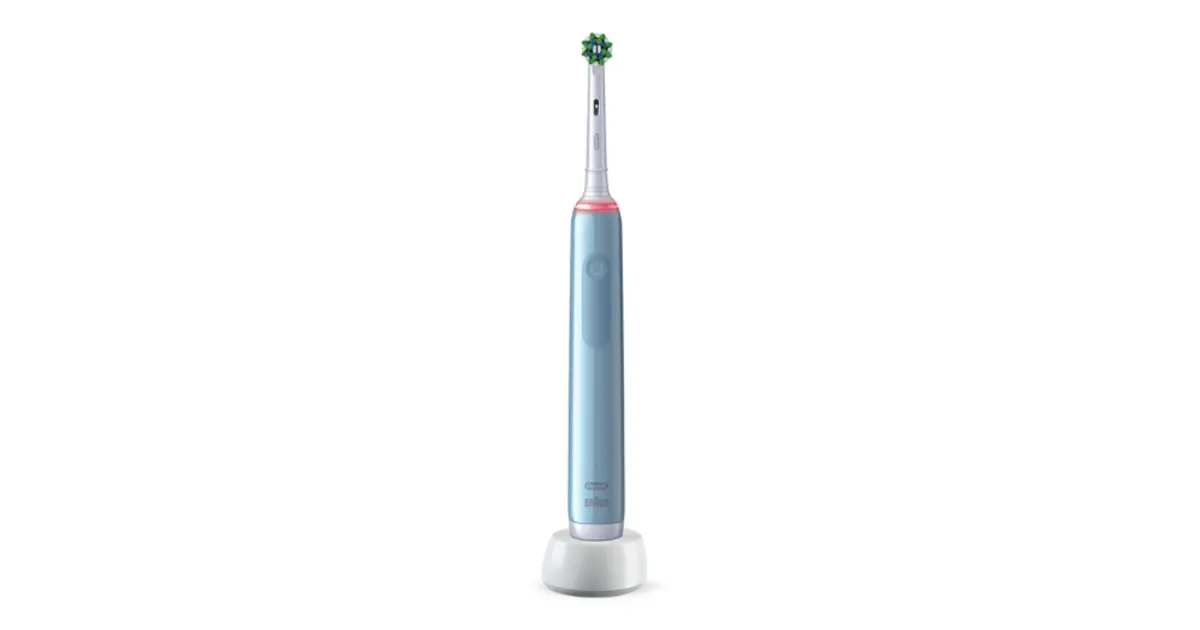
The Oral-B Pro 3 (also known as Pro 3 3000) stands out for its pressure control system. A visual indicator around the handle alerts you if you're pressing too hard on your teeth or gums.
This model uses Oral-B's classic 3D technology: the head rotates, oscillates, and pulsates. It offers three modes-Daily Clean, Sensitive, and Whitening-and a built-in timer to help you brush for the recommended two minutes.
The main difference between the Pro 3 and the higher-end iO Series 3 is the platform. The Pro 3 doesn't have iO's micro-vibration drive or special iO heads, but it uses proven Oral-B tech and more affordable compatible heads. It's perfect if you want a clear pressure sensor without moving up to the pricier iO series.
Best Sonic Toothbrushes
Sonic models use an elongated head that vibrates rapidly. They often feel more like manual brushes than round-head models, making them easier for many to adapt to.
Top All-Around Sonic - Philips Sonicare 5300
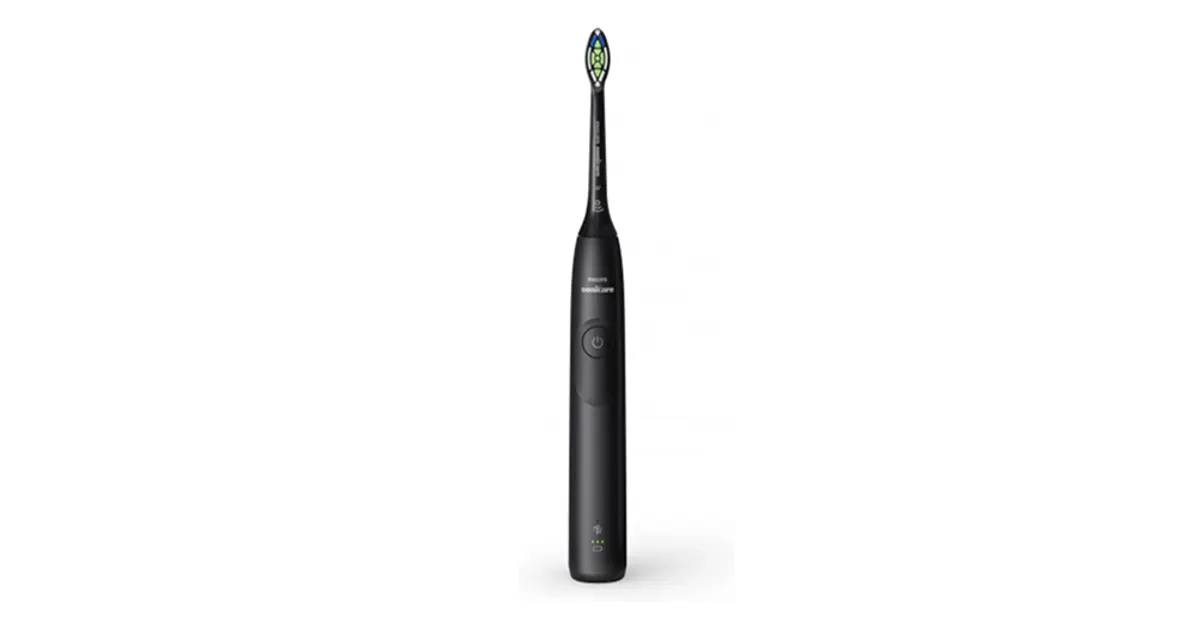
The Philips Sonicare 5300 is a great universal sonic toothbrush. The latest Series 5300 model features next-gen Sonicare technology, two intensity levels, and a pressure sensor that alerts you if you're pressing too hard. The battery lasts up to 21 days with regular use.
This brush isn't overloaded with extras but covers all your daily needs. It has a two-minute timer with intervals, a reminder to change the head, and adjustable intensity for comfort.
Its biggest advantage is striking a balance between features and simplicity. It's not a basic model, but it avoids the added cost of apps and tracking functions found in pricier Sonicare lines.
Best Budget Sonic - Philips Sonicare 4100
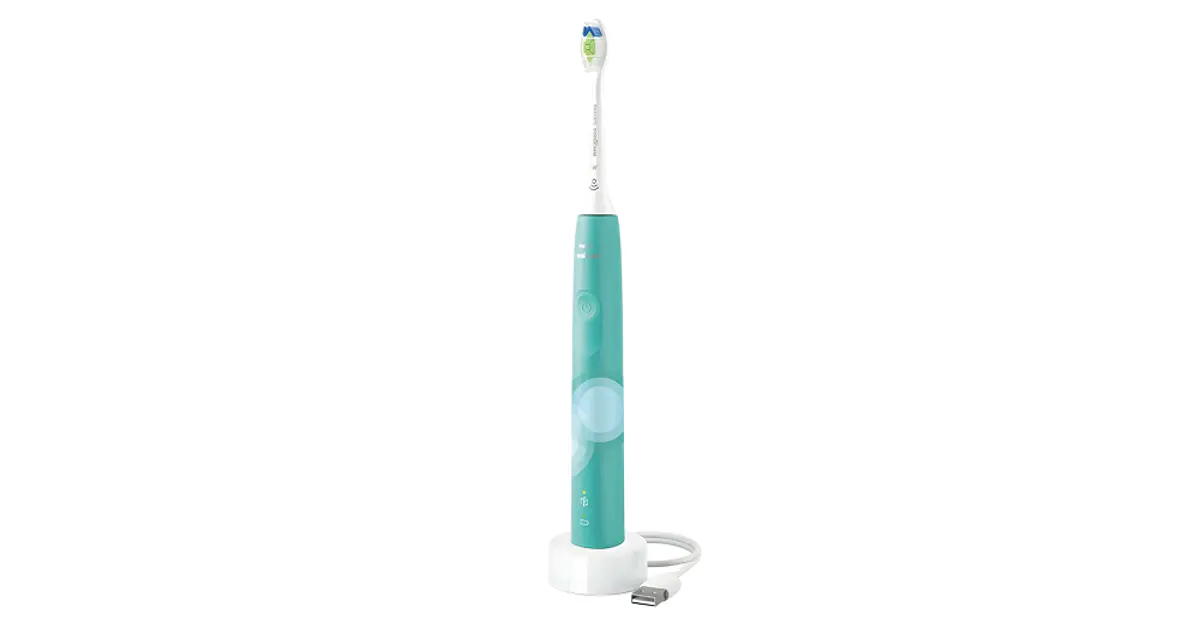
The Philips Sonicare 4100 is a simple way to try sonic brushing. Depending on the version, it offers a pressure sensor, SmartTimer, and QuadPacer, which reminds you every 30 seconds to switch zones. Current models last up to 21 days on a charge.
There aren't a lot of modes or smart features. For a budget brush, this is a plus: you get Sonicare's core technology, brushing time control, and protection against excessive pressure-all without a complex menu.
The 4100 is especially good as your first sonic toothbrush. If you later want softer cleaning, whitening, or more intensity levels, you can upgrade to a higher series.
Best for Sensitive Teeth - Philips Sonicare 6100
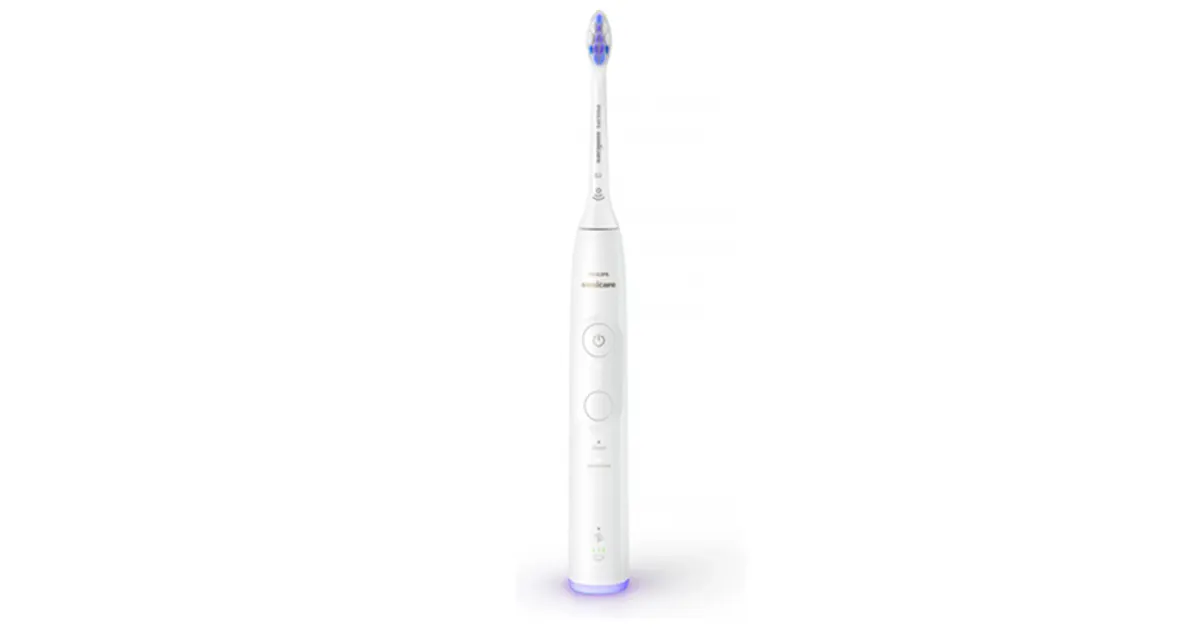
The Philips Sonicare Series 6100 is tailored for gentle cleaning. It features a dedicated Sensitive mode, an S2 Sensitive brush head, and three intensity levels, so you can reduce power if standard brushing feels too strong.
It also has a visual pressure sensor to help you spot when you're pressing too hard. The battery lasts up to 21 days per charge.
However, sensitive teeth or gums don't mean you should always use the lowest setting. If you often experience pain, bleeding, or discomfort while brushing, consult a dentist first to identify the cause before choosing your mode and head type.
Best Smart Electric Toothbrushes
Smart electric brushes stand out with extra sensors and smartphone connectivity. The app can track brushing time, pressure, motion, and missed zones-helpful when you want to improve your technique, not just for collecting stats.
Best with App & Zone Tracking - Oral-B iO Series 9
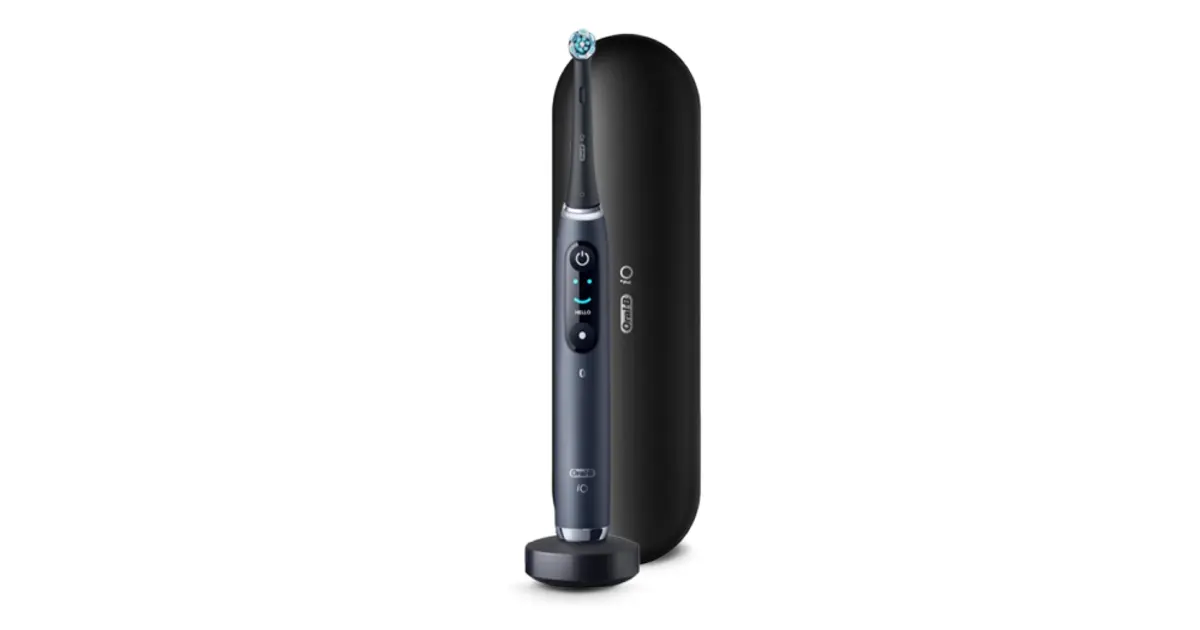
The Oral-B iO Series 9 is one of the most advanced models from Oral-B. It connects to your smartphone via Bluetooth, and the app uses motion tracking and 3D Teeth Tracking to show how evenly you brush all tooth surfaces.
During brushing, the app highlights areas you've missed, and the brush itself features a color display and pressure sensor. The indicator shows if your pressure is too high, too low, or optimal. There are seven brushing modes, including Daily Clean, Sensitive, Super Sensitive, Gum Care, and Intense Clean.
The main reason to choose the iO Series 9 over simpler iO models is advanced technique coaching. If you don't plan to use the app often, many of the premium features may go unused, and a more affordable model might be a better choice.
Best Smart Sonic Brush - Philips Sonicare 9900 Prestige
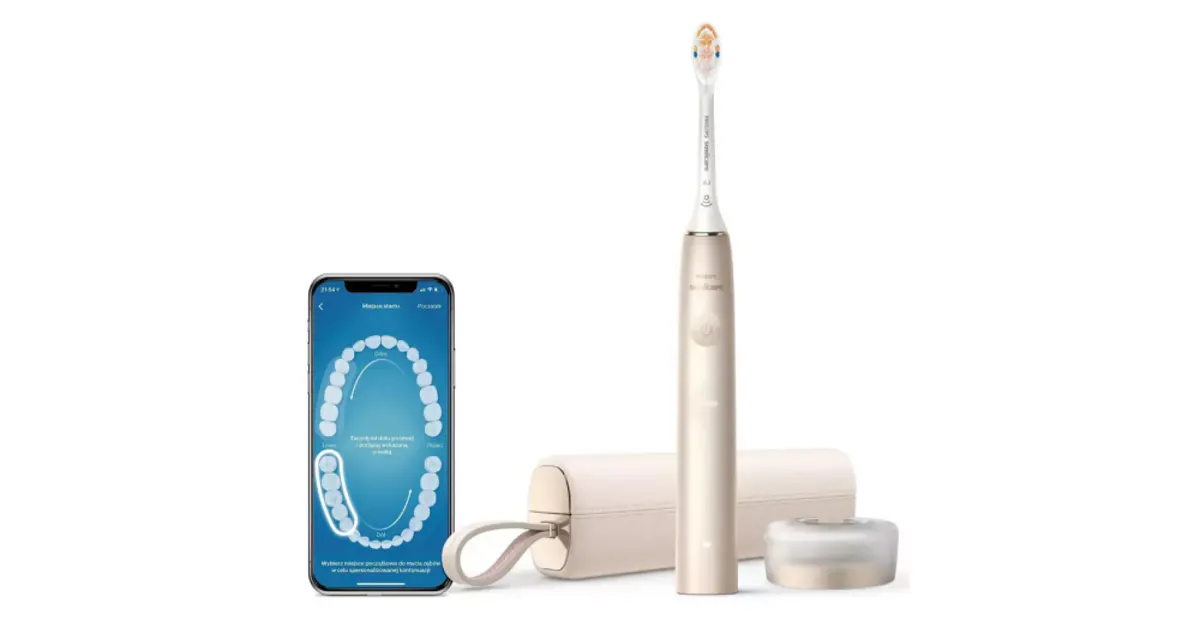
The Philips Sonicare 9900 Prestige takes a different approach. Its SenseIQ technology analyzes pressure, motion, and coverage while brushing, and can automatically reduce intensity if you press too hard.
The Sonicare app displays data about pressure, movement, duration, and thoroughness. Stats are saved automatically, so you don't have to keep your phone nearby every time-you can review results later by day, week, or longer.
This model is ideal if you want smart features in a sonic toothbrush. It doesn't just record stats-it actively intervenes if you're brushing too hard.
When App Features Are Really Useful
An app is most helpful if you're new to electric brushing and want to improve your technique. For example, you might consistently brush your front teeth longer than your back teeth, apply too much pressure in certain areas, or finish too soon. A smart brush makes these habits visible.
Zone tracking is especially useful in the first weeks. The Oral-B iO Series 9 can monitor coverage of all tooth surfaces, while the Sonicare 9900 Prestige analyzes pressure, movement, and coverage in real time.
But you don't need an expensive smart toothbrush just for statistics. If you already brush every area evenly, keep to the recommended time, and don't press too hard, a regular timer and pressure sensor are typically enough. In that case, it's wiser to choose a comfortable model with affordable replacement heads than pay extra for Bluetooth and analytics.
How to Choose an Electric Toothbrush
When choosing an electric toothbrush, focus on practical features: brush head movement type, pressure sensor, cost of replacement heads, and daily usability. Extras like an app, display, or multiple modes are nice, but not essential for most users.
Sonic or Rotating: Which to Choose?
The main difference lies in cleaning mechanics. Oral-B uses a round head with oscillating motion, while iO models add micro-vibrations. Philips Sonicare uses a slim head with rapid sonic vibrations.
A rotating brush may appeal to those who like to clean each tooth individually with a small round head. A sonic brush more closely mimics the feel and shape of a manual brush, making the transition easier for many.
There's no universally "best" type. The most important thing is that the brush is comfortable to use twice a day, replacement heads are easy to find, and your chosen intensity doesn't cause discomfort.
Brushes for Sensitive Teeth
If you have sensitive teeth, look for a model with a dedicated Sensitive mode or adjustable intensity. For example, Philips Sonicare offers special S2 Sensitive heads, and some models let you fine-tune the power.
A pressure sensor is equally important. Sonicare brushes may alert you with a vibration change, light, or sound when you press too hard. Oral-B iO uses a color indicator for this purpose.
Don't use strong pressure constantly: just gently guide the electric brush along your teeth and let it do the work. If even gentle settings regularly cause pain or discomfort, consult your dentist first.
Electric Brushes for Braces
With braces, it's vital to clean around brackets, wires, and between teeth. The American Association of Orthodontists emphasizes thorough hygiene and using interdental brushes for hard-to-reach areas.
When picking an electric brush for braces, focus on a compact brush head, good pressure control, and the ability to clean carefully around orthodontic components-not just the number of modes.
No single brush solves every need. Interdental spaces and areas around braces may require additional hygiene tools, usually recommended by your orthodontist.
Other Factors Beyond Modes
One of the most useful features is a pressure sensor. It helps you avoid pressing too hard. Modern Oral-B iO brushes show low, optimal, and excessive pressure, while Sonicare models alert you with light or vibration changes.
Another key factor is the price and availability of replacement heads. You'll need to replace them regularly, so expensive or hard-to-find heads can become a bigger cost than the brush itself. Most Sonicare models use the universal click-on mount, though there are exceptions.
A two-minute timer with 30-second intervals is also helpful, letting you divide brushing evenly across your mouth without watching the clock. This feature is common even in budget models.
Battery life matters most for travelers. If your brush stays on its charging base, the difference between two and three weeks' battery life is usually negligible.
Oral-B vs. Philips Sonicare: The Core Differences
The main distinction between Oral-B and Philips Sonicare is the cleaning technology. Oral-B uses a small round head and oscillating motion, while Sonicare relies on an elongated head with fast sonic vibrations.
Oral-B offers a wide selection of models with visual pressure indicators, and in the iO line, you'll find apps, zone tracking, and interactive displays in higher-end versions. All iO models require dedicated iO heads.
Philips Sonicare focuses on the classic elongated head, varying intensity levels, and sonic technology. Most models use compatible click-on heads, making it easy to stick with your favorite style across different series.
If you prefer cleaning each tooth with a round head, look at Oral-B. If you want the familiar feel of a manual brush and a smoother brushing experience, consider Sonicare. In both cases, prioritize a comfortable model with a pressure sensor and accessible replacement heads over brand loyalty.
Conclusion
When choosing the best electric toothbrush, don't focus solely on price or the number of modes. For most people, cleaning mechanism, brush head comfort, pressure sensor, and head availability are more important.
Classic round-head models like Oral-B are great for those who want to clean each tooth individually. Philips Sonicare's sonic brushes resemble manual brushes and often feel more familiar. Consider smart models with apps if you genuinely want to track brushing zones, pressure, and technique.
For everyday use, a quality electric toothbrush with a two-minute timer and pressure sensor is usually enough. Advanced features only matter if you'll actually use them. If you have sensitive teeth, gum issues, or braces, follow your dentist or orthodontist's recommendations when choosing a brush.
Tags:
Similar Articles