The Complete Evolution of Fallout: All Games in Order and Their Impact
Explore the full history of the Fallout series, from its isometric RPG roots to modern 3D adventures and multiplayer experiments. Discover how each game shaped the post-apocalyptic universe, and find out which Fallout title is best for you to start with today.

Few video game universes can boast the same level of cultural impact as the irradiated wastelands of Fallout. The Fallout series history began over twenty years ago, evolving from a niche isometric RPG into a massive franchise. This journey features experimentation, genre shifts, major successes, and some controversial decisions. In this article, we'll explore all Fallout games in order, trace the evolution of its lore, and help you understand how the post-apocalyptic world has changed over time.
How the Legend Began: The Creation of Fallout
The unique story of the Fallout series started in the mid-1990s at Interplay Entertainment. Brian Fargo's team initially planned to base their game on the GURPS tabletop RPG system. However, after disagreements with its creator, they urgently developed their own mechanics, resulting in the iconic S.P.E.C.I.A.L. system. Thus, the creation history of Fallout was built on a foundation of carefully balanced stats, skills, and perks.
The developers drew inspiration from retrofuturism, the Mad Max films, and their own 1988 classic, Wasteland. The concept-a world stuck in 1950s American culture and destroyed by global nuclear war-became the franchise's calling card. The game focused on gritty realism, dark humor, and total player freedom, an innovative approach for the time.
The Classic Isometric Era
Fallout (1997)
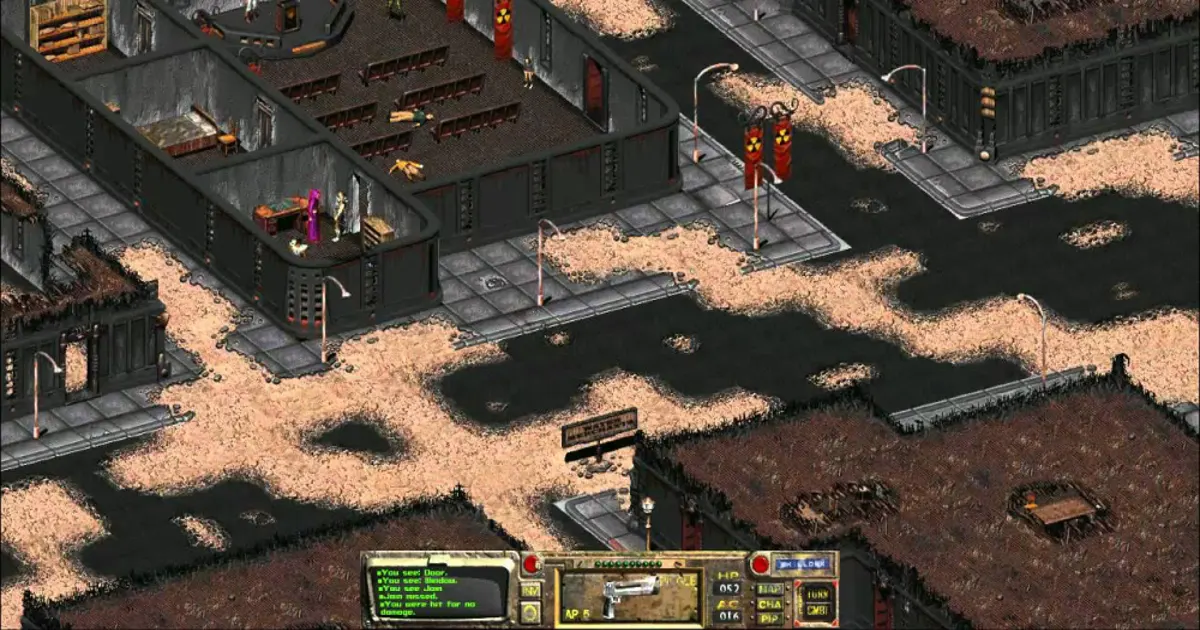
The original game laid the foundations of the lore, introducing players to an unforgiving nuclear wasteland. As the Vault 13 Dweller, players embarked on a dangerous quest to find a water chip and save their underground home. The game featured tense turn-based combat, a nonlinear story, and the option to complete most quests without firing a single shot-relying solely on charisma and intelligence.
Fallout 2 (1998)
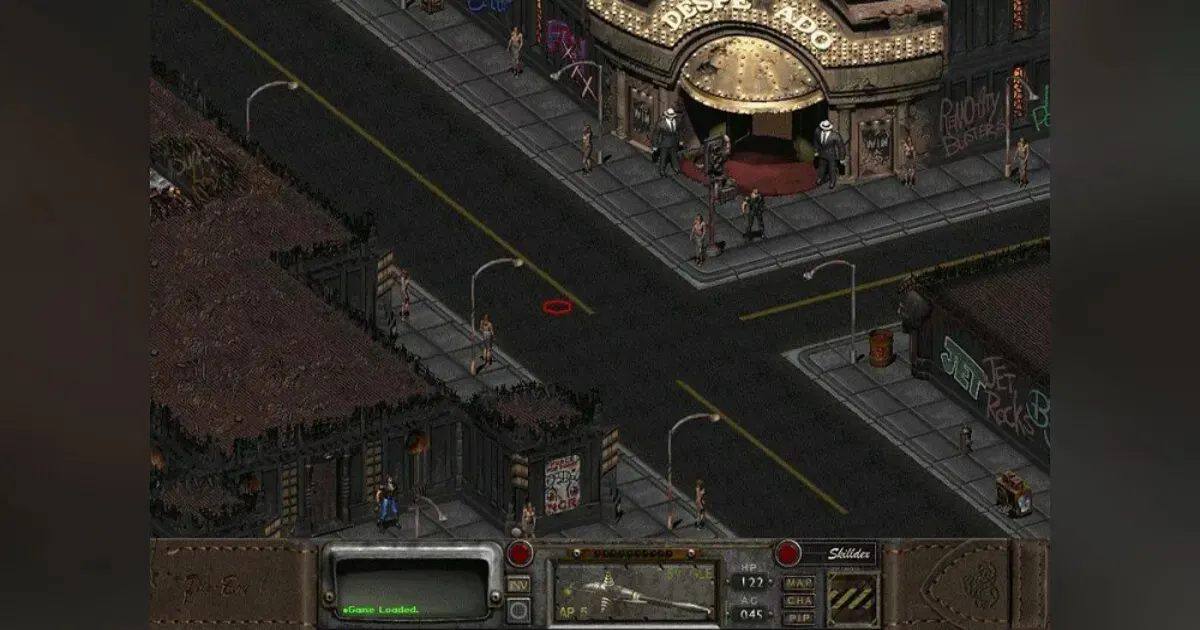
The sequel, developed by Black Isle Studios, massively expanded the scope. Set 80 years after the original, players took on the role of the Chosen One, a descendant of the first Vault Dweller, searching for the G.E.C.K. device to save their village. Fallout 2 became a cult classic, thanks to its huge array of factions, dark humor, hundreds of Easter eggs, and stunning gameplay variety.
Fallout Tactics: Brotherhood of Steel (2001)
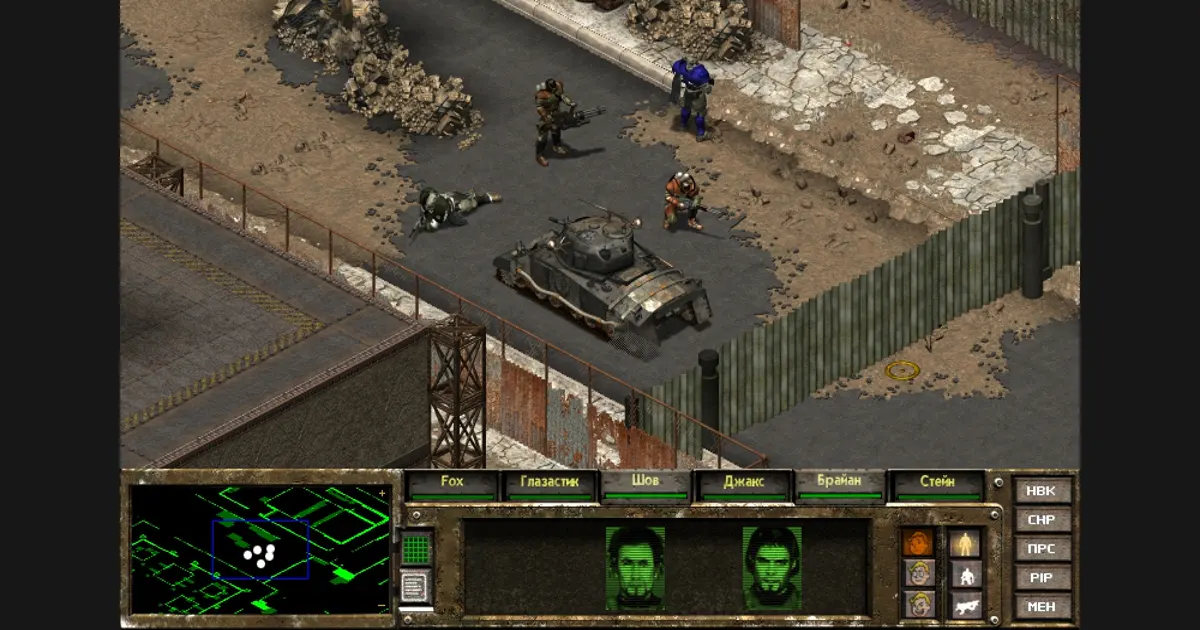
This spin-off from Micro Forté shifted the focus from role-playing to tactical squad battles. The story centered on the Eastern Brotherhood of Steel as they tried to establish themselves in the Midwest. The game featured updated isometric graphics and let players control a full squad, including ghouls and deathclaws. Despite taking liberties with canon, it gained a loyal following among fans of complex turn-based strategy.
The Shift to 3D and the Bethesda Era
In the early 2000s, Interplay faced severe financial troubles, leading to the cancellation of their in-development Fallout 3 (Project Van Buren) and the sale of the franchise rights. Bethesda Softworks, known for its expansive open-world games, became the new owner. The studio decided to bring its RPG experience into the Fallout universe, leveraging its expertise in building fantasy worlds. Learn more about Bethesda's history with The Elder Scrolls series. This bold move forever changed the look and feel of the wasteland, transforming the series from niche isometric RPGs into mainstream 3D adventures.
Fallout 3 (2008)
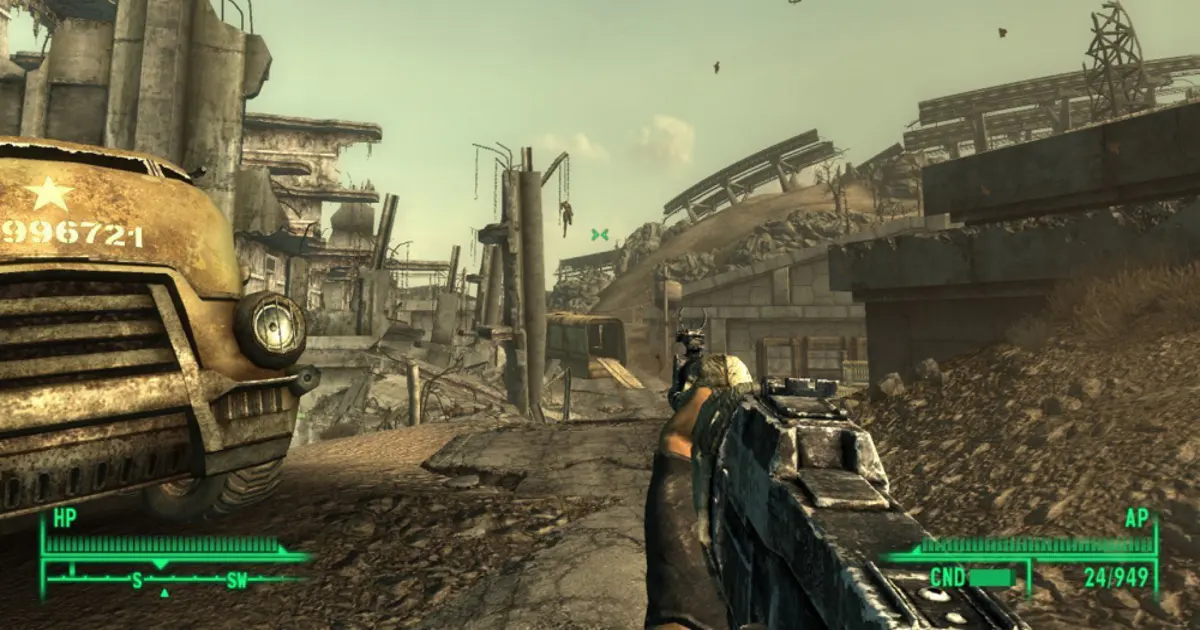
The third installment shifted the action to the East Coast, in the ruins of Washington, D.C. Players took the role of the Lone Wanderer, leaving Vault 101 to search for their father and water purification technology. Major innovations included first/third-person perspectives and the V.A.T.S. targeting system, which allowed players to pause the game and target enemy body parts, preserving tactical depth from previous titles.
Fallout: New Vegas (2010)
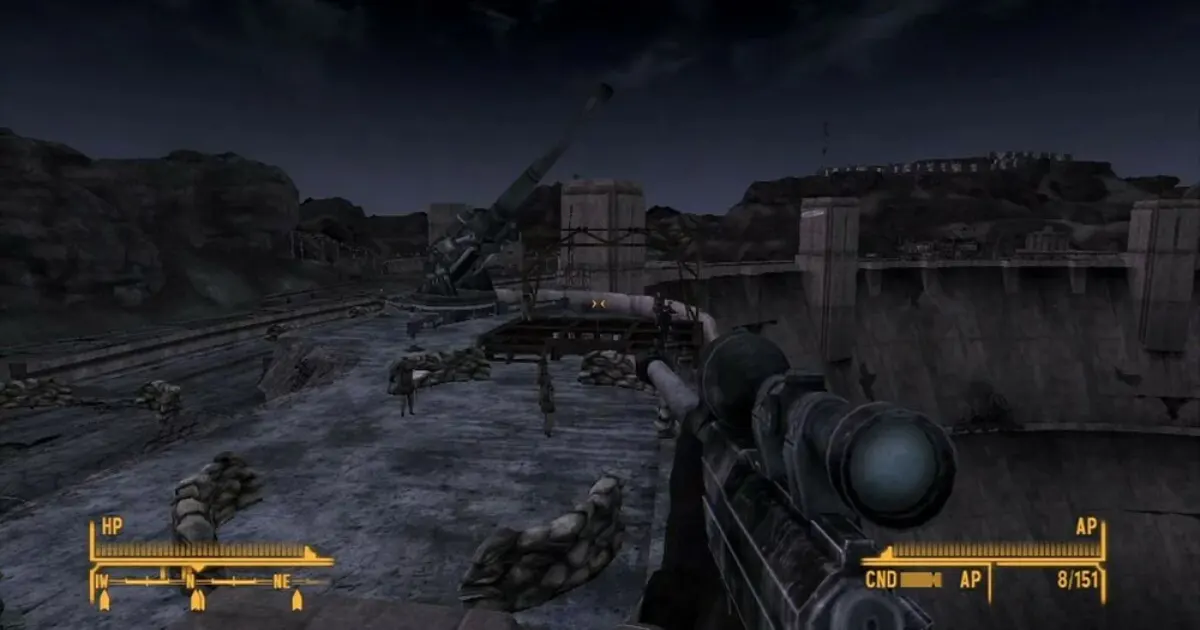
Obsidian Entertainment, staffed by developers from the original games, took the reins for the next entry. Set in the Mojave desert, several major factions clashed for control of the Hoover Dam. For many fans, the answer to why Fallout New Vegas is the best game in the series lies in its incredible variety. Deep dialogue, a complex reputation system, and the ability to become a true villain restored the franchise's spirit of player freedom.
Modern Hits, Experiments, and Multiplayer
With massive profits from the 3D universe, Bethesda continued to expand the franchise. Subsequent games focused on enhanced graphics, dynamic combat, and entirely new mechanics like settlement building and online play.
Fallout 4 (2015)
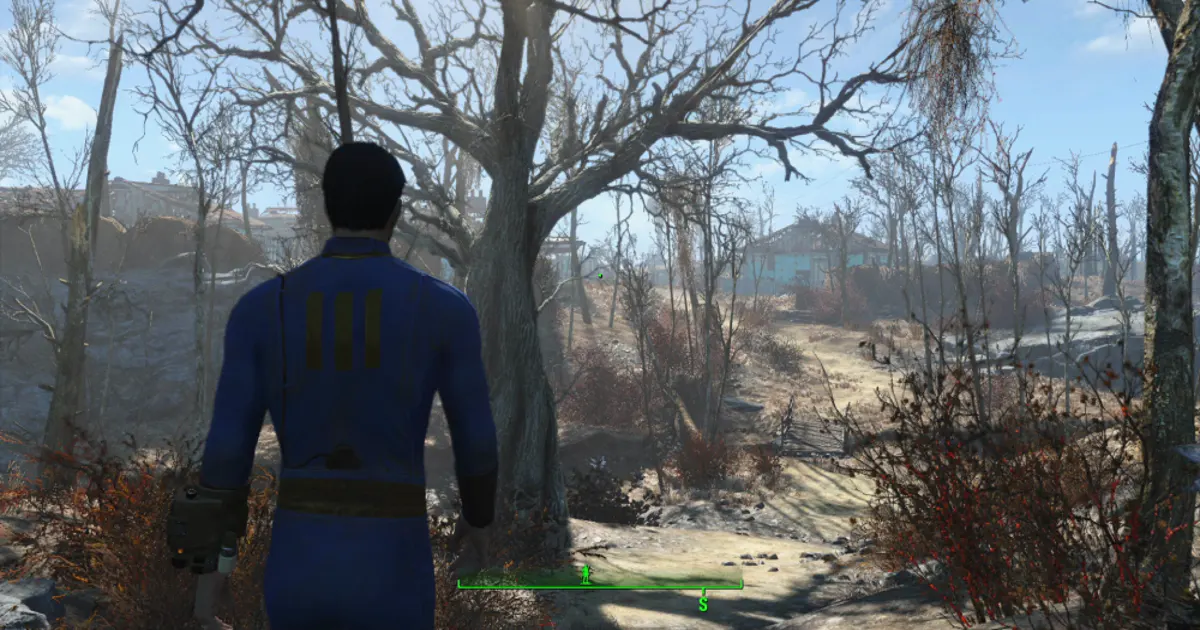
The fourth entry sent the Survivor to explore Boston's Commonwealth in search of their kidnapped son. The game introduced improved shooting, a robust crafting system, and large-scale settlement construction. However, its RPG elements were significantly simplified: dialogue was reduced to four short choices, and skills merged with perks. Despite criticism from hardcore fans, it became the studio's most successful commercial hit.
Fallout Shelter (2015)
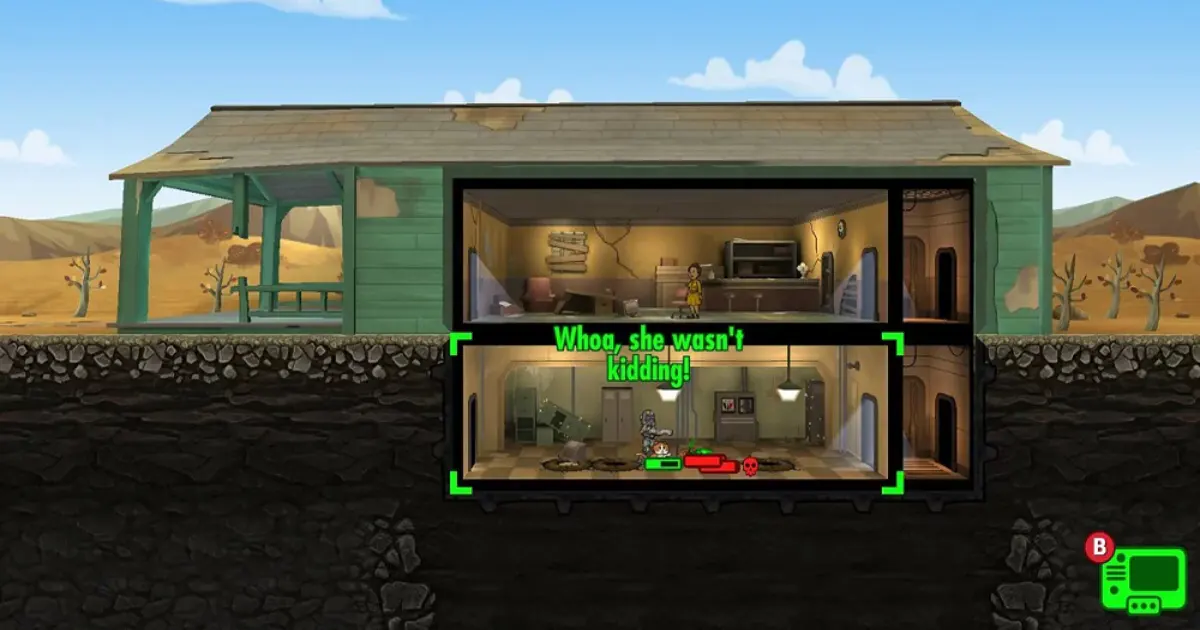
This surprise mobile spin-off was announced and released on the same day, quickly topping the charts. Players took on the role of Overseer, managing their own underground Vault, allocating resources, and protecting dwellers from raids. Its simple yet addictive base management attracted millions of new fans to the brand.
Fallout 76 (2018)
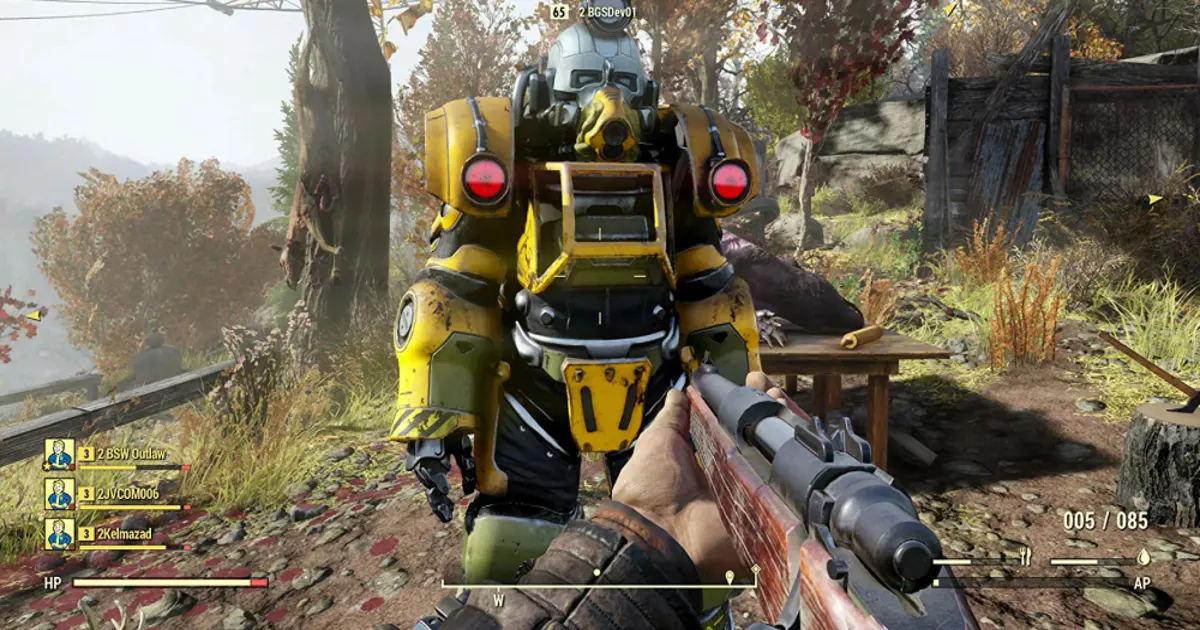
The series' first experimental multiplayer project served as a prequel, set in Appalachia just 25 years after the bombs fell. At launch, the game suffered from bugs and a lack of NPCs, leaving the world feeling sterile. Today, when considering whether Fallout 76 is worth playing, it's important to note the game has radically transformed. Major updates have added full story quests, factions, live characters, and turned it into a fantastic cooperative sandbox.
Where Should You Start Playing Fallout Today?
The perfect entry point depends on your gaming preferences and tolerance for dated mechanics. If you're not put off by retro graphics and want to experience the hardcore, turn-based origins of the universe, start with the original duology. These titles remain the gold standard for classic CRPGs.
For fans of modern mechanics, sleek visuals, and dynamic combat, Fallout 4 is the best choice. It's the most newcomer-friendly, streamlining complex RPG systems and letting you comfortably explore a vast open world, gather resources, and build your own cities.
For many, New Vegas is the sweet spot. This game balances a 3D open world with incredible role-playing depth, where every dialogue and choice truly matters. We explored similar choice-driven games in our feature on the best story games where your decisions shape the narrative.
Conclusion
The Fallout universe has come a long way, weathering changes in ownership, a painful shift from isometric to full 3D, and bold online experiments. Today, the franchise offers something for everyone: from thoughtful tactical battles in the classics to ambitious base-building and cooperative raids in the modern era.
Newcomers should start with Fallout 4 for its accessible gameplay or New Vegas for its deeply engaging story. No matter your choice, this dark yet strangely captivating retro-futuristic world is sure to draw you in for dozens of unforgettable hours.
FAQ
Who created the original Fallout?
The first game was developed by Interplay Entertainment's in-house team led by Brian Fargo and Tim Cain in 1997.
Which Fallout game is considered the best by players?
Among classic isometric titles, Fallout 2 is the absolute favorite. For modern 3D projects, most gamers overwhelmingly prefer New Vegas by Obsidian Entertainment.
Is Fallout 76 worth playing now?
Absolutely. The game has changed dramatically since its rocky launch: developers fixed technical issues, added NPCs, new factions, and engaging quests, transforming it into a stable and exciting multiplayer sandbox.
Tags:
Similar Articles