The Complete History of Need for Speed: Every Game, Era, and Evolution
Explore the evolution of Need for Speed from its 1994 debut to Unbound, tracing every era, game, and gameplay shift. Discover how the iconic racing series reinvented itself with supercars, police chases, street culture, and deep customization to remain a leader in the genre for over 30 years.

Need for Speed is one of the longest-running racing series in the gaming industry. The very first installment was released back in 1994, and since then, the franchise has constantly reinvented itself: realistic supercar races gave way to police chases, nighttime street racing, deep tuning, open worlds, and experiments with more advanced driving physics.
Over the decades, Need for Speed has passed through several distinct eras. For some, the series is synonymous with Underground and Underground 2, for others-with police chases and the iconic BMW M3 GTR from Most Wanted, while younger fans might have discovered the franchise through Heat or Unbound. Throughout, certain ideas kept coming back: fast cars, the thrill of speed, police rivalry, and the ability to truly make a car your own.
This article covers every major Need for Speed game in order, from the original The Need for Speed to the most recent releases. We'll explore how the developers' approach to racing evolved, which games defined the franchise, and why, after more than 30 years, the Need for Speed name remains one of the most recognizable in the genre.
From Supercars to Police Chases: Need for Speed in the 1990s and Early 2000s
The Need for Speed - 1994
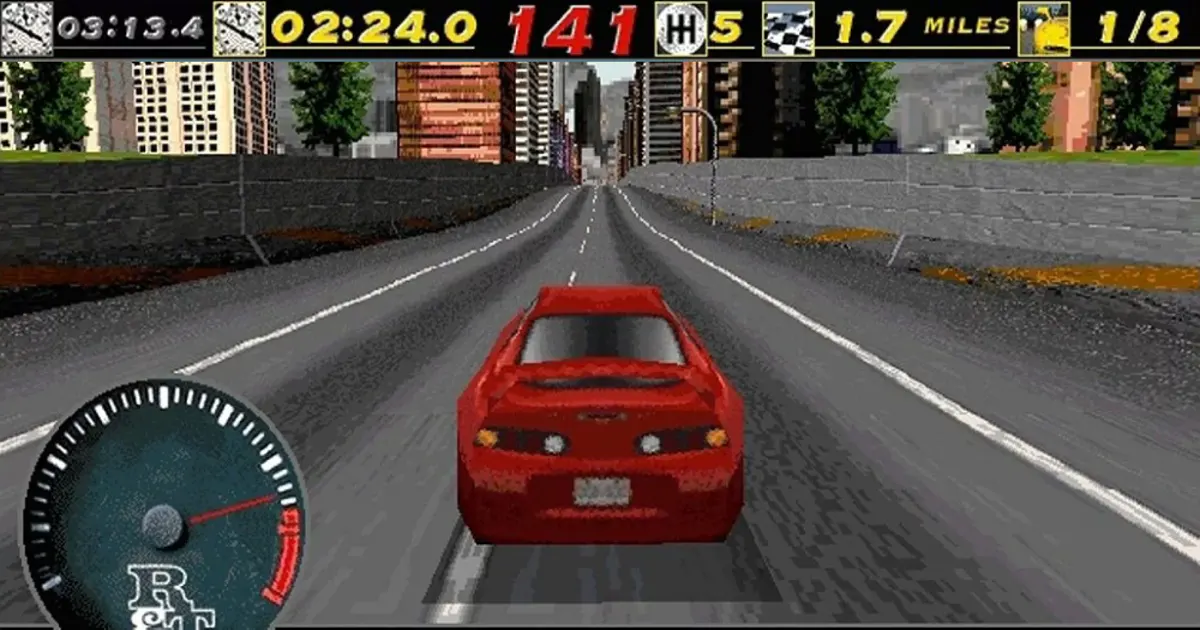
The story of Need for Speed began on August 31, 1994, with The Need for Speed debuting on the 3DO console before landing on DOS, PlayStation, and other platforms. Unlike many arcade racers of its time, the first game aimed to capture not only speed, but also the feeling of handling real, expensive sports cars. Today, EA marks this date as the official start of the franchise.
The game featured cars like the Lamborghini Diablo VT, Ferrari 512 TR, Chevrolet Corvette ZR-1, and Porsche 911 Carrera. Each car had its own stats, photos, and video materials, with input from Road & Track magazine helping to create a more authentic experience.
Races took place not only on closed tracks, but also on public roads with civilian traffic. Police chases were already present, meaning the concept of escaping the law was part of the series long before the famous Most Wanted and Hot Pursuit games.
Need for Speed II - 1997
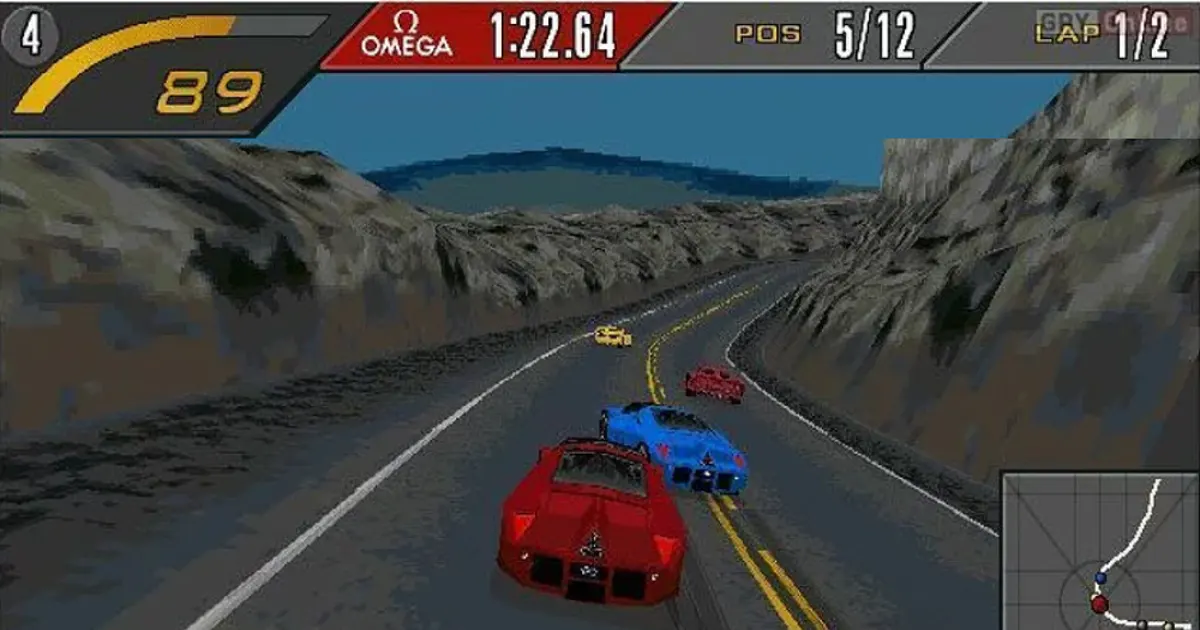
Need for Speed II shifted the series further towards arcade action. While the original attempted to emulate real-world handling, the sequel focused on pure speed, flashy tracks, and rare supercars.
The car roster included the Ferrari F50, McLaren F1, Lotus GT1, and other exotic models that few players in the 1990s could ever see outside of magazines. Race locations became more diverse, set on stylized tracks around the globe.
Police chases were removed, making Need for Speed II one of the few early entries centered almost exclusively on racing itself. However, this wouldn't last long-the next installment would make the rivalry between racers and police a defining feature of the franchise.
Need for Speed III: Hot Pursuit - 1998
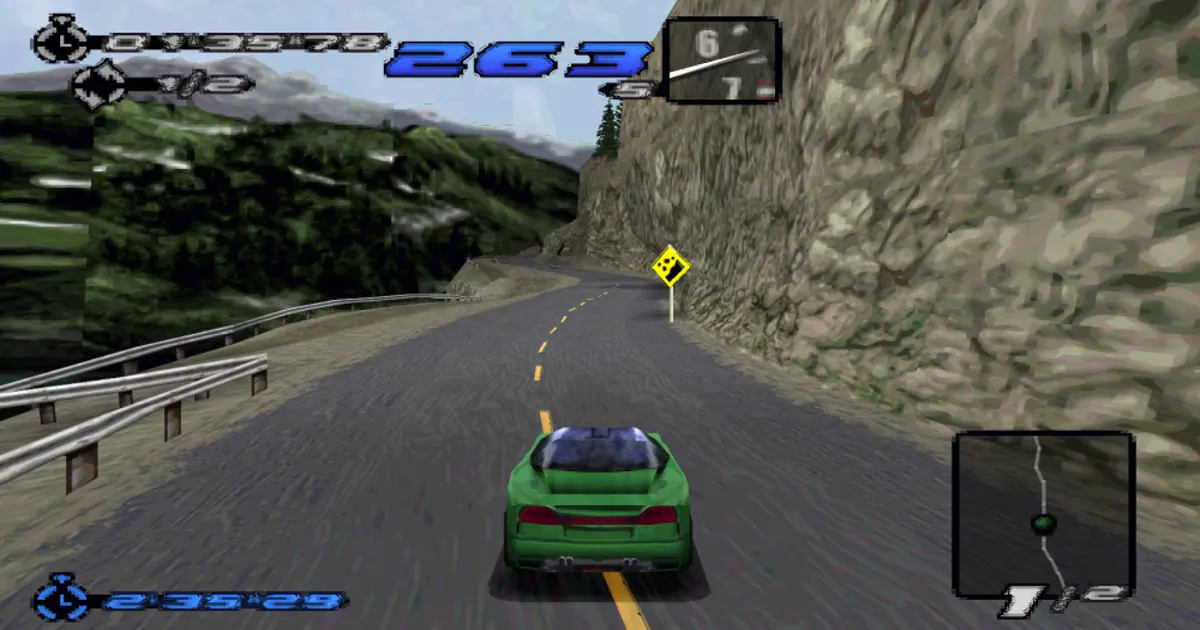
Released in 1998, Need for Speed III: Hot Pursuit established one of the series' most iconic mechanics: police chases. During races, patrol cars could pursue offenders, block the road, and attempt to stop you.
The standout feature was the Hot Pursuit mode, allowing players to take the role of either the racer or the cop. This two-sided rivalry became so successful that the Hot Pursuit name would return multiple times in future games.
NFS III kept the core of the early games-fast, expensive cars like Ferraris, Lamborghinis, and Corvettes. But now, speed took on a new meaning: it wasn't enough to finish first, you also had to evade the police.
This blend of exotic cars, high speeds, and chases began to define the unique style of Need for Speed.
Need for Speed: High Stakes - 1999
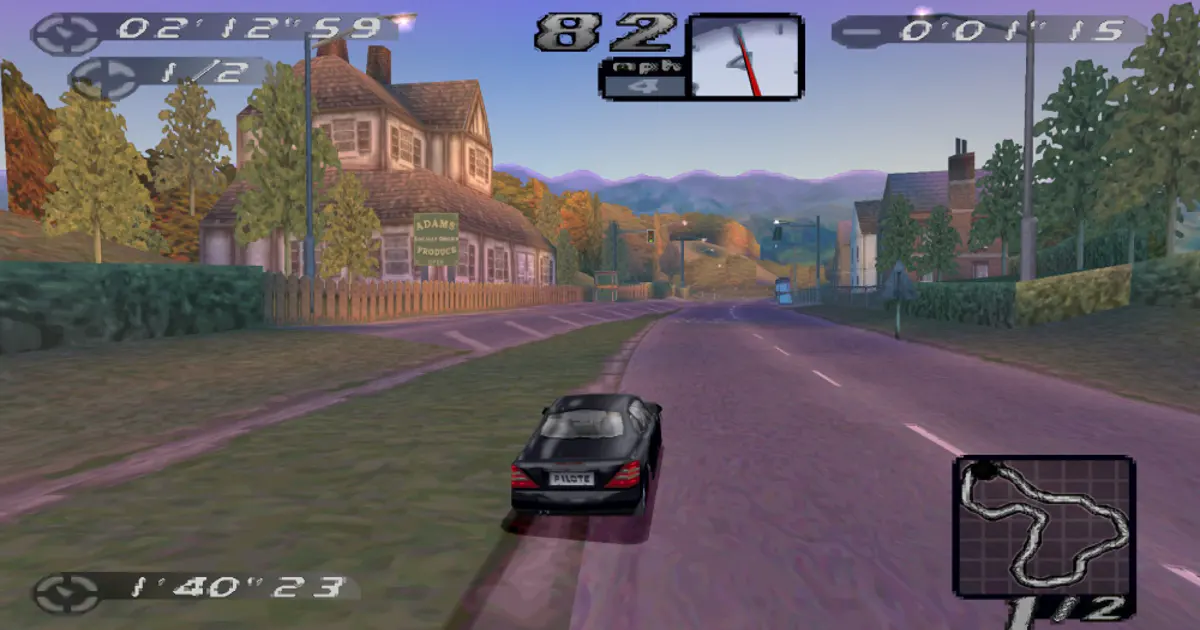
High Stakes built on the ideas of Hot Pursuit, deepening progression with a full career mode involving car purchases, repairs, and upgrades. Vehicles were no longer just selections before a race-you now had to care for their condition.
A key innovation was the damage system: crashes affected a car's appearance and performance, adding a new risk element to the arcade formula.
The "high stakes" mode introduced pink slip races, where the winner could take the loser's car. This raised the stakes of each race well beyond a simple leaderboard position.
Police chases became even tougher, making High Stakes a natural evolution of the formula set by NFS III, rather than a complete overhaul.
Need for Speed: Porsche Unleashed - 2000
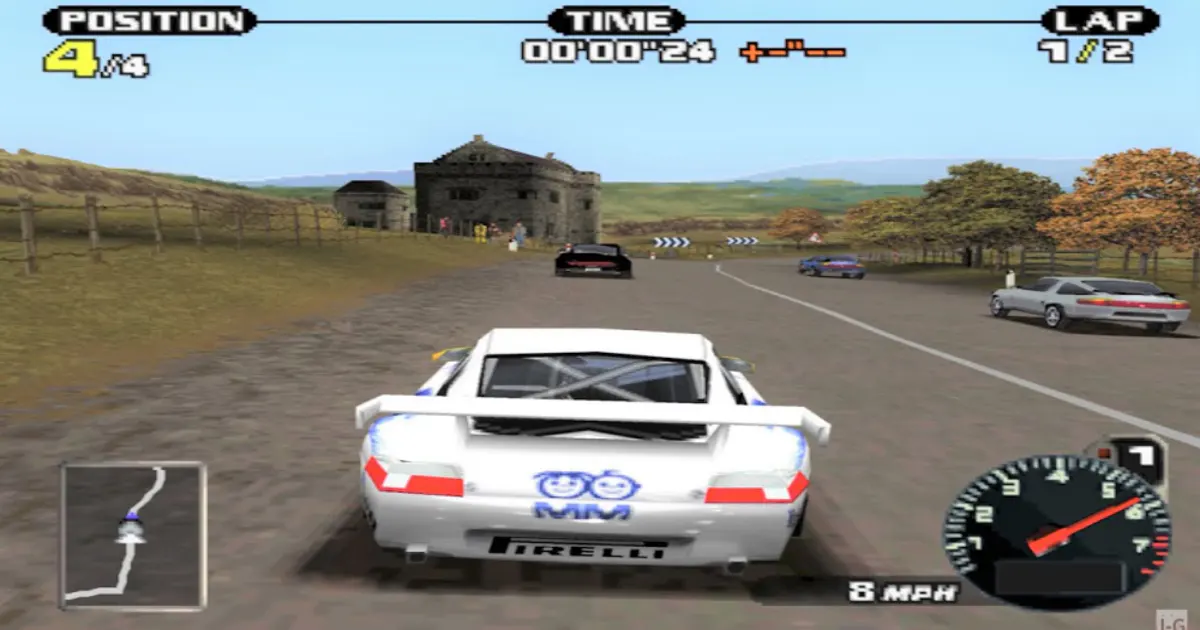
This installment was one of the series' boldest experiments. Porsche Unleashed (or Porsche 2000 in some regions) focused exclusively on Porsche cars, offering an interactive journey through the brand's history. The Evolution mode took players through different eras, from classic mid-20th-century models to the then-modern Porsche sports cars.
The Factory Driver mode featured special challenges, such as slaloms, deliveries, and skill demonstrations. The game paid great attention to vehicle handling-Porsches from different generations felt distinct, and the gameplay was notably more serious than future installments. Police chases were still present, though less central.
Porsche Unleashed demonstrated how freely Electronic Arts experimented with Need for Speed at the time, swinging between police action and a single-make automotive encyclopedia.
Need for Speed: Hot Pursuit 2 - 2002
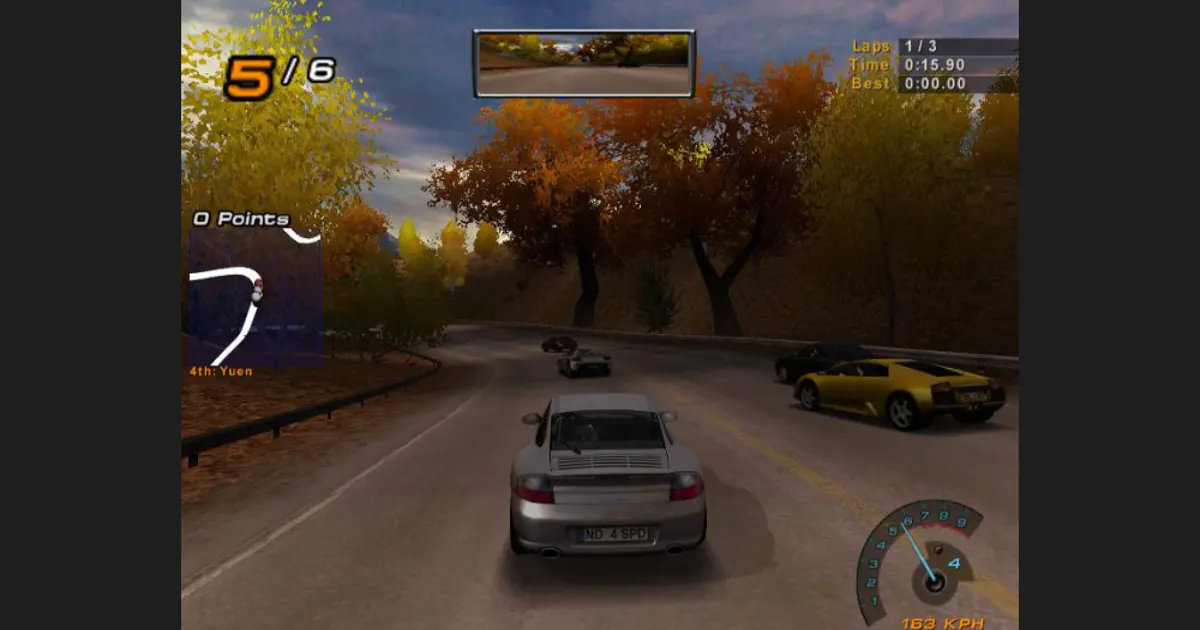
After the Porsche experiment, the series returned to its roots: supercars, scenic tracks, and cops. Hot Pursuit 2 expanded on the NFS III concept, featuring police using roadblocks, spike strips, and even helicopters, making chases more intense. You could also play as the police, chasing down racers with high-powered vehicles.
The car lineup focused again on the dream machines of the early 2000s: Ferraris, Lamborghinis, Porsches, and other expensive sports cars. This image-beautiful cars on open roads with the police in pursuit-defined Need for Speed for years.
Hot Pursuit 2 marked the end of the series' first big era. The next year, EA would completely change the mood, swapping sunlit supercar tracks for neon-lit cityscapes, Japanese cars, and massive tuning opportunities with Need for Speed: Underground.
The Golden Era: Underground, Most Wanted, and Carbon
Need for Speed: Underground - 2003
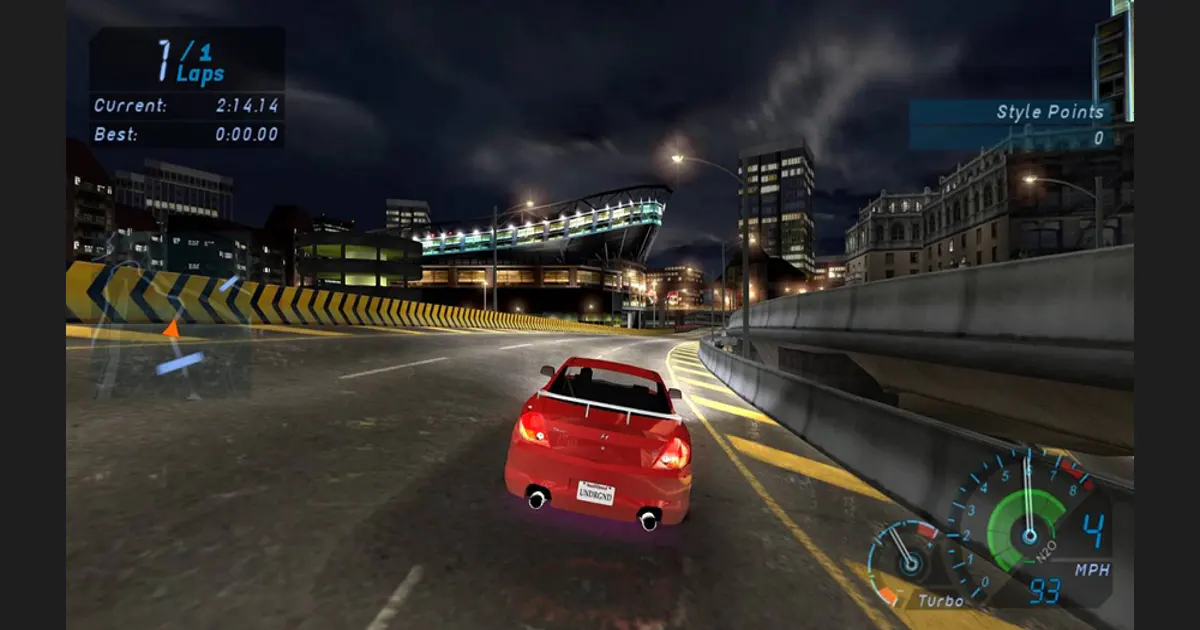
In 2003, the series underwent one of its most important transformations. Need for Speed: Underground left behind the tradition of racing expensive supercars on scenic roads and plunged players into a neon-soaked world of nighttime street races, illegal competitions, and deep customization.
The car roster shifted focus from Ferraris and Lamborghinis to street-culture icons: Mitsubishi Eclipse, Nissan Skyline GT-R, Toyota Supra, Mazda RX-7, Honda Civic, and more. You could overhaul your vehicle's look and performance in unprecedented detail, swapping bumpers, spoilers, rims, vinyls, neon lights, and performance upgrades.
The game's timing was perfect: after the popularity of street racing movies and the rise of Japanese sports cars, tuning became part of mainstream pop culture. Underground exploited this atmosphere and shaped a new identity for Need for Speed.
The disciplines evolved as well-drag and drift races joined the classic circuit events, requiring different setups and skills. However, there was no open world yet; players navigated events via menus.
Need for Speed: Underground 2 - 2004
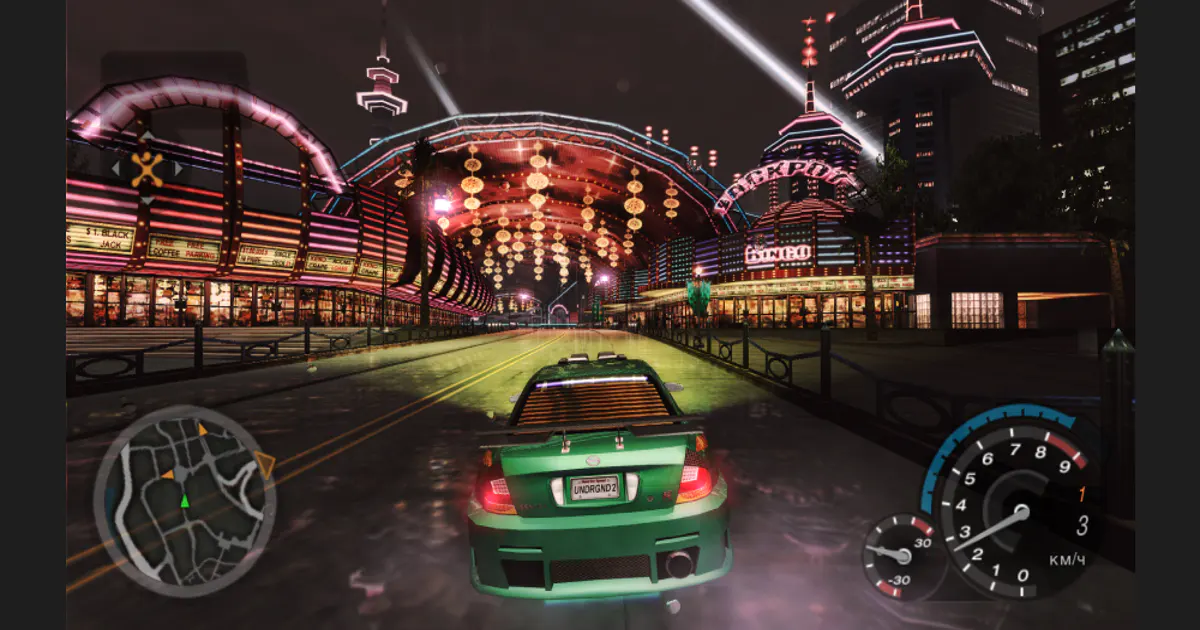
Just a year later, Underground 2 expanded on nearly every idea from its predecessor. The most notable change was the open city of Bayview, allowing players to freely cruise the streets, discover races, tuning shops, and other activities.
Customization options exploded. You could modify almost every visual detail-body kits, hoods, mirrors, lights, interiors, audio systems, and even fine-tune minor elements. While some mods had little impact on speed, the ability to create a unique car became a major draw.
Performance tuning also went deeper, letting players tweak suspension, gear ratios, aerodynamics, and more. For an arcade racer of the mid-2000s, this level of customization was surprisingly detailed.
Underground 2 firmly established Need for Speed's connection to street racing. The next game would show, however, that this formula could be combined with another major franchise element-massive police chases.
Need for Speed: Most Wanted - 2005
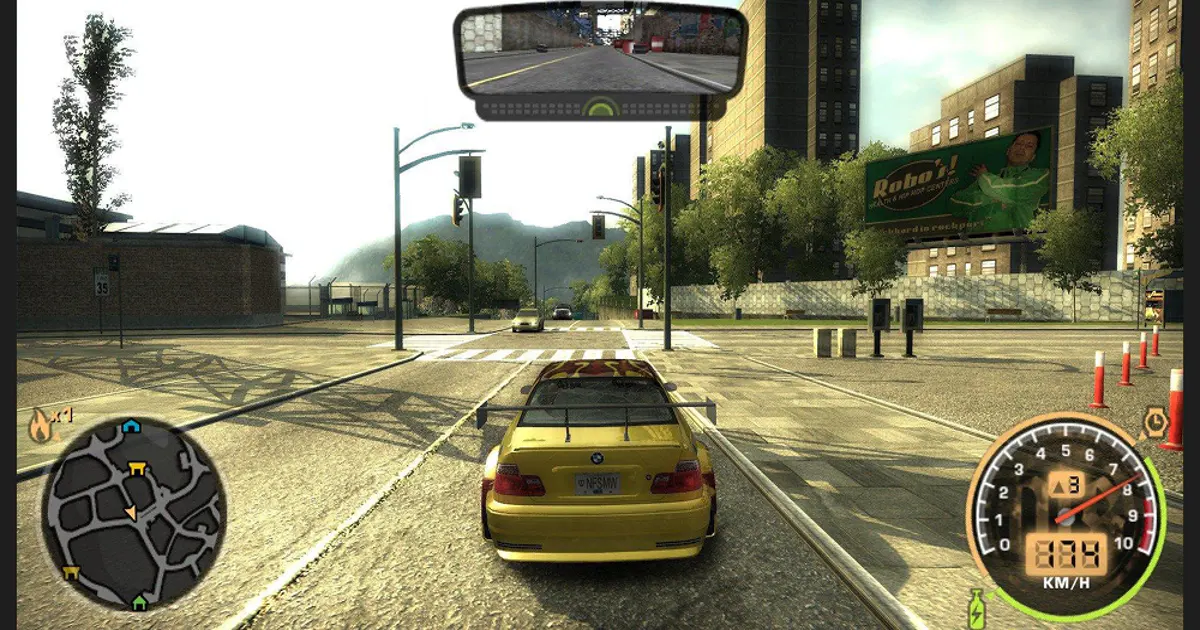
Most Wanted blended the ideas of two series eras. From Underground it inherited tuning, city street racing, and illegal competition culture; from classic Hot Pursuit, the police returned as a full-fledged adversary.
The story revolved around the Blacklist-a ranking of the 15 most wanted racers in Rockport. The protagonist loses their BMW M3 GTR to Razor and must climb the list, defeating rivals and reclaiming the iconic car.
The silver-blue BMW M3 GTR became one of the franchise's most recognizable vehicles, recurring in later Need for Speed games and serving as a series symbol.
Most Wanted stood out for its police pursuits: the longer you evaded capture, the higher your wanted level grew. Faster police cars, SUVs, helicopters, roadblocks, and spike strips would join the chase. Players could use destructible scenery and hideouts to escape once out of sight.
Thanks to its blend of street racing, tuning, and chases, Most Wanted became the game that defined Need for Speed for many fans, even as the franchise released new entries almost every year.
If you want to revisit other classics from this era, check out our feature on Legendary Old PC Games: The Best Projects of Past Years.
Need for Speed: Carbon - 2006
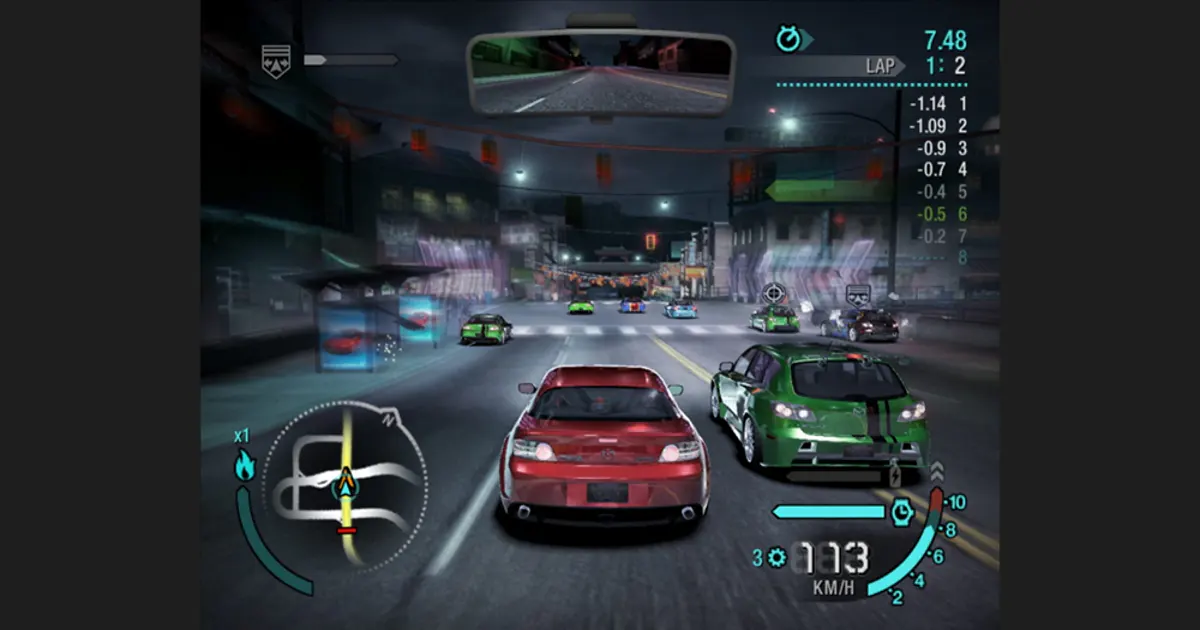
Carbon picked up the story almost immediately after Most Wanted, but this time in the nighttime city of Palmont. The progression focused on territorial control: the city map was divided between factions, and players would win races to seize districts, eventually challenging the area boss.
A standout feature was canyon racing, where players first tried to stick close to a rival on narrow mountain roads before swapping roles. A mistake could mean crashing or falling off a cliff, giving these races a unique tension.
Cars were now split into three main classes-Tuner, Muscle, and Exotic-each with different handling. Customization introduced the Autosculpt system, letting players manually shape certain body parts.
Police chases remained, but became less central; the focus shifted to crews, territory, and nighttime racing.
Need for Speed: ProStreet - 2007
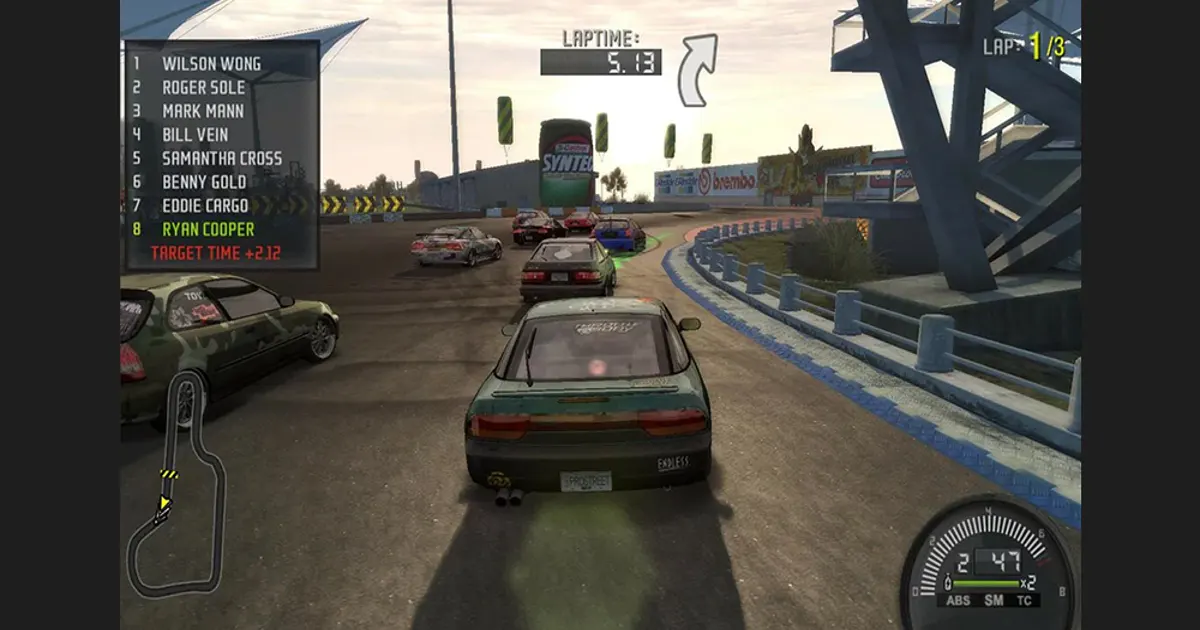
After several games about illegal street racing, EA shifted gears with ProStreet, moving competition to sanctioned events and closed tracks. Gone were open-world exploration and police chases; instead, players competed in organized speed races, drag, drift, and circuit events.
The physics became more demanding-while still accessible, ProStreet's handling required care, especially with powerful cars. The damage system made collisions a significant concern.
Tuning remained a key feature, with even greater visual and performance customization. Some modifications now affected aerodynamics directly.
At release, this change was divisive, as many fans expected another story of nighttime city streets. But ProStreet showed that Need for Speed could still experiment with its formula.
Need for Speed: Undercover - 2008
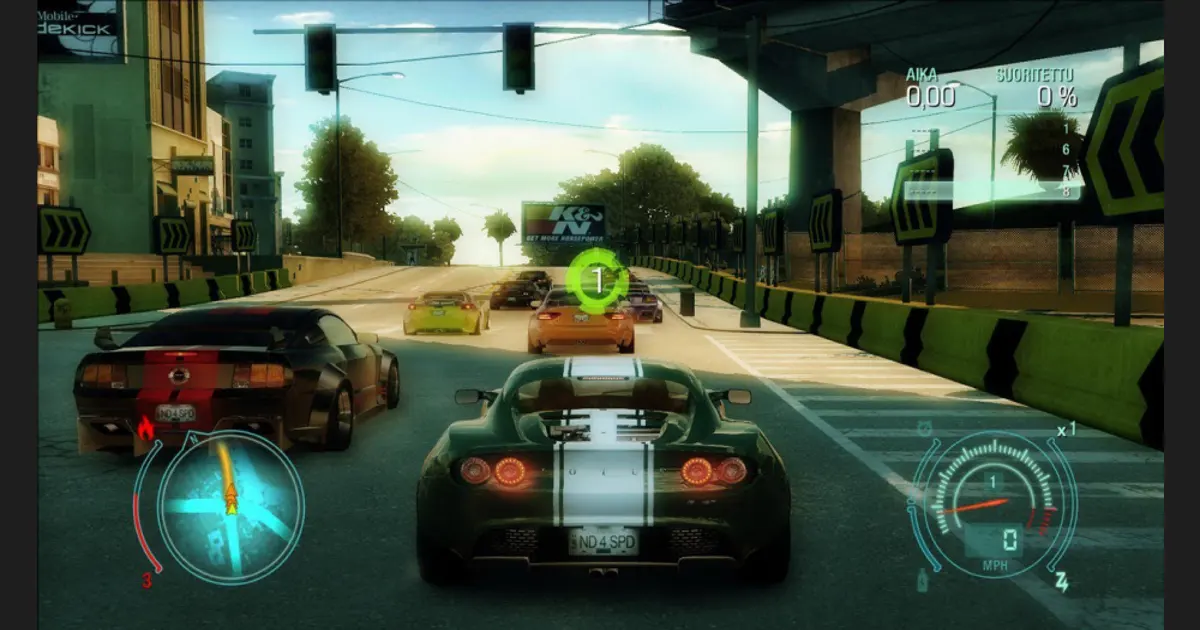
With Undercover, the series returned to open-world, police chases, and illegal racing, aiming to recapture the magic of Most Wanted and Carbon. The protagonist goes undercover among street racers, with a story presented through live-action cutscenes.
Police pursuits were once again a core gameplay element. Players evaded cops through the city, wrecked police cars, and leveraged the environment to escape.
However, by this point, the annual release cycle was showing its strain. In six consecutive years, the series had produced Underground, Underground 2, Most Wanted, Carbon, ProStreet, and Undercover, each trying to offer a new spin on the familiar formula.
After Undercover, EA began seeking more radical directions, experimenting with simulation, online play, cinematic campaigns, and a return to classic Hot Pursuit gameplay.
Searching for a New Direction: Shift, Hot Pursuit, The Run & Most Wanted
Need for Speed: Shift - 2009
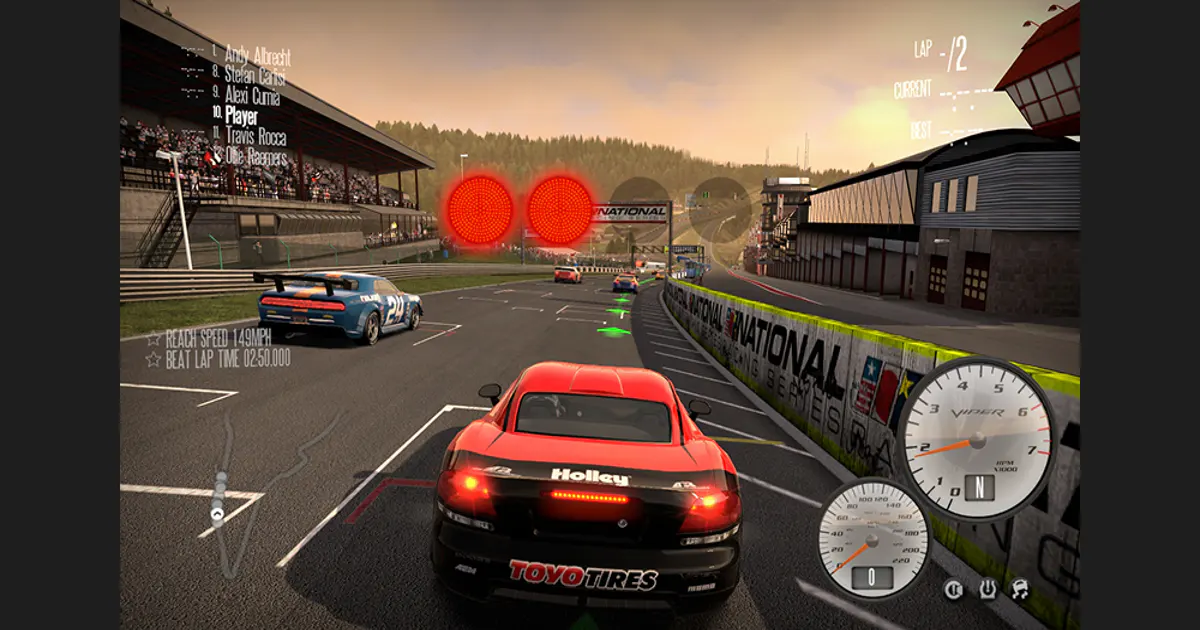
In 2009, EA dramatically changed course with Shift, dropping street racing, police, and open cities in favor of closed tracks and a more realistic driving approach. The central innovation was the immersive in-cockpit perspective, responding dynamically to acceleration, braking, and crashes.
Handling was more demanding-players needed to brake, choose lines, and manage car power carefully. Still, Shift stopped short of full-on simulation, maintaining an accessible core.
This marked the first time in years that Need for Speed distanced itself from the elements associated with Underground and Most Wanted. The experiment was successful enough to spawn a direct sequel.
Need for Speed: Nitro - 2009
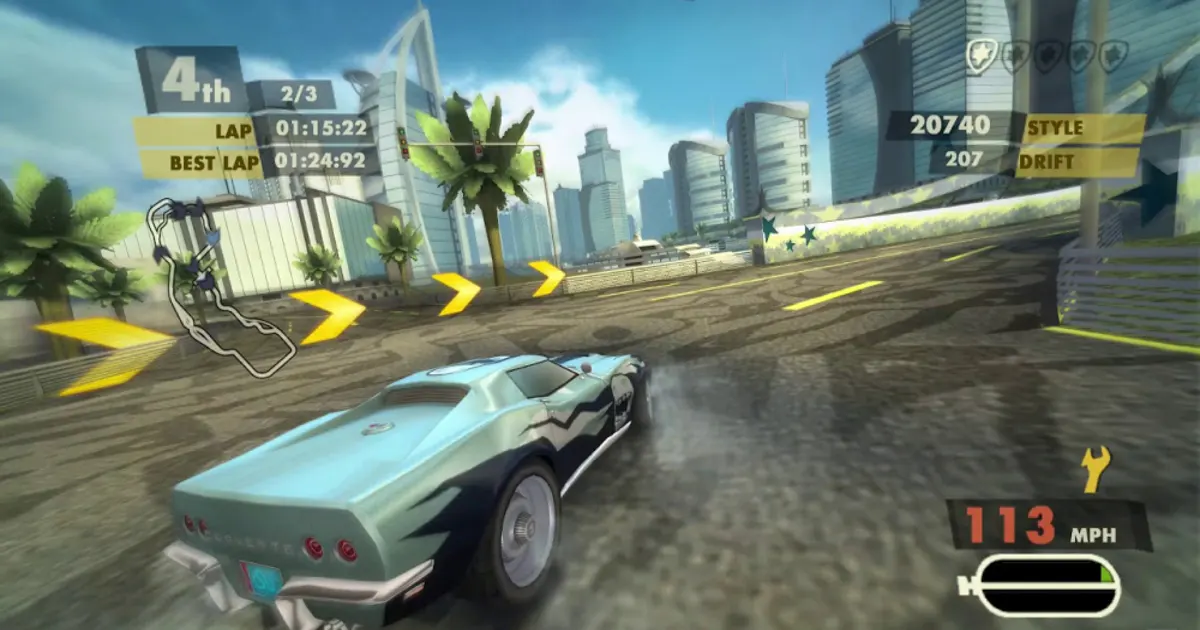
Also in 2009 came Nitro, focused on Nintendo Wii and DS. This was almost the polar opposite of Shift, offering a bright, intentionally arcade experience: stylized cars, simple controls, and tracks built for high-speed action.
Nitro illustrated how splintered the Need for Speed strategy had become, with serious Shift and casual Nitro coexisting under one brand.
Need for Speed: World - 2010
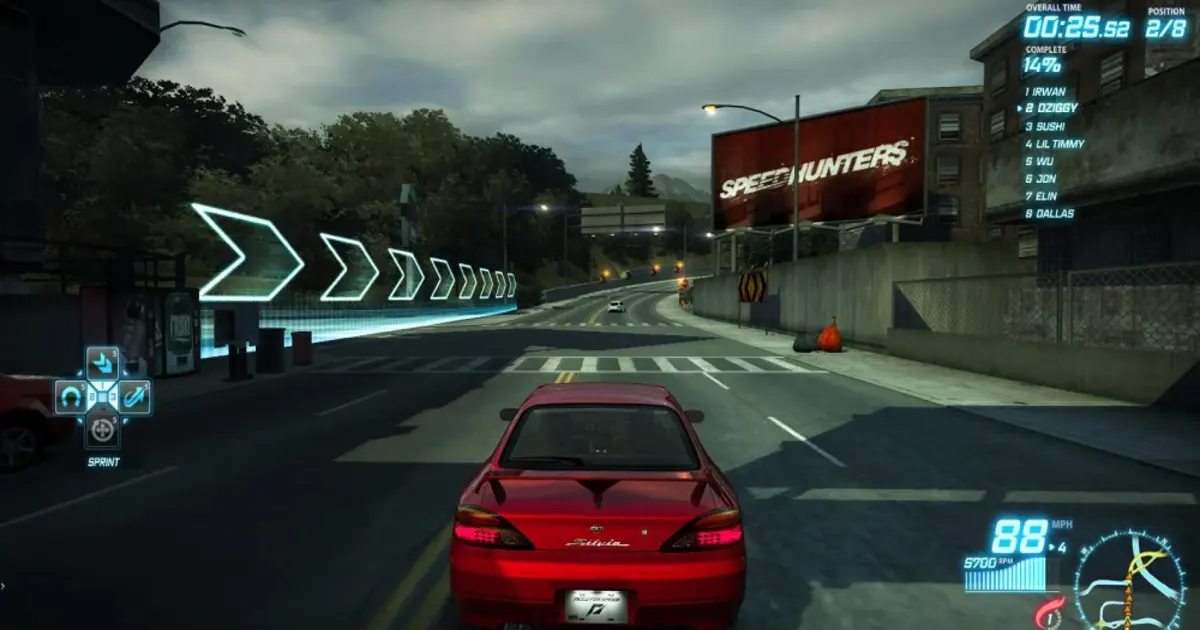
World was the next experiment: a full-fledged online PC racer launched in summer 2010. It combined racing, police chases, and RPG-like progression in a persistent online world, using city elements from previous games. Players explored a shared map, raced, evaded police, and unlocked new cars and features.
The focus on a live online environment, with real players as opponents, marked a new step for the series, building a game-as-a-service model rather than a traditional single-player campaign.
Need for Speed: Hot Pursuit - 2010
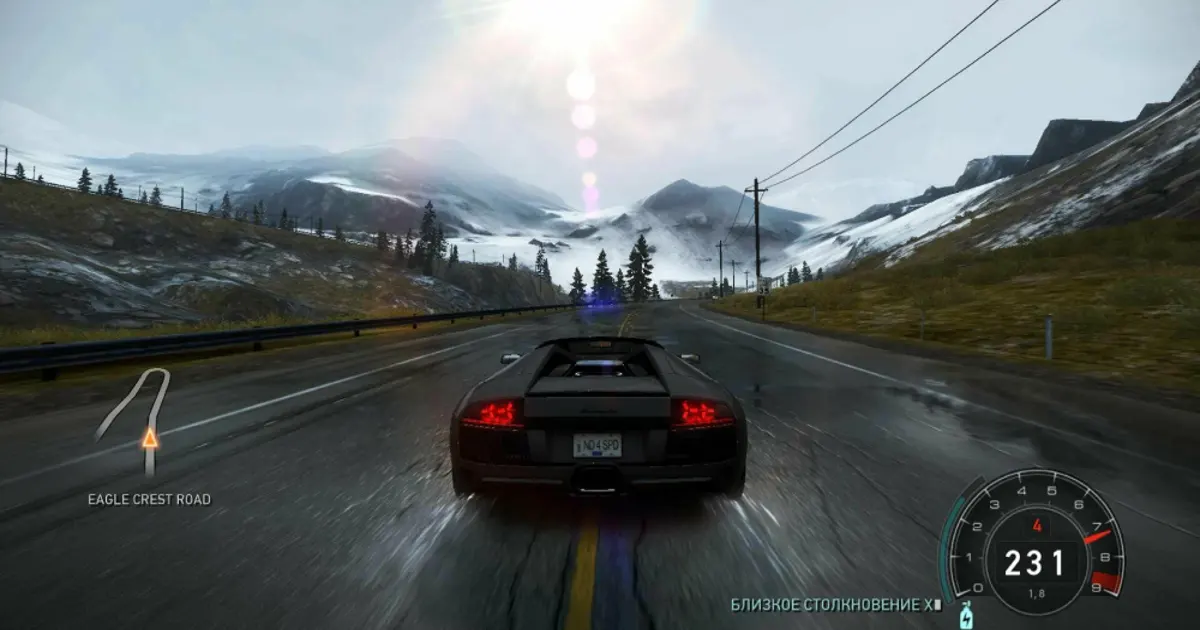
That same year, Criterion Games brought Need for Speed back to its roots with Hot Pursuit (2010), again pitting supercars against the police. Players could pursue separate careers as racers or cops, with cops using roadblocks, spike strips, and other tools to stop offenders.
The Autolog system was a key innovation, automatically comparing scores with friends and turning every event into a competition.
Criterion's goal was to bring back the speed, chases, and supercars, while making competition between friends a constant aspect of gameplay.
Shift 2: Unleashed - 2011
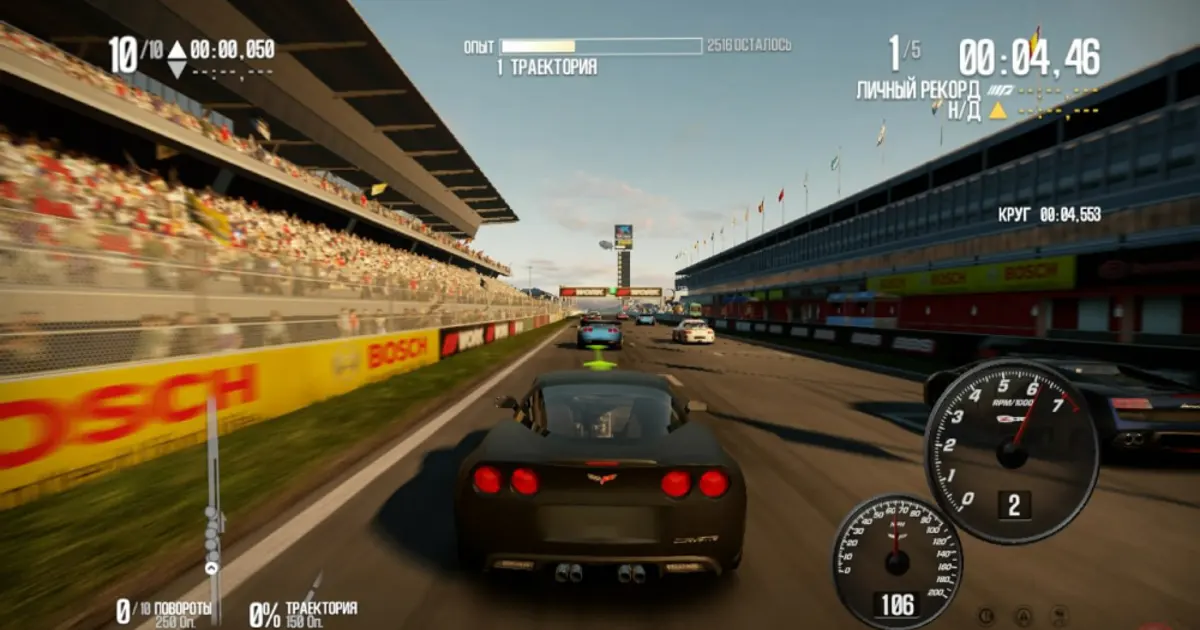
This sequel distanced itself even further from traditional Need for Speed, focusing on real tracks, cockpit view, and demanding handling. Night races, with limited visibility, added new challenge, while the dynamic camera continued to heighten immersion.
However, after Shift 2, the series moved back to its arcade roots-serious racing games would no longer be central to the franchise.
Need for Speed: The Run - 2011
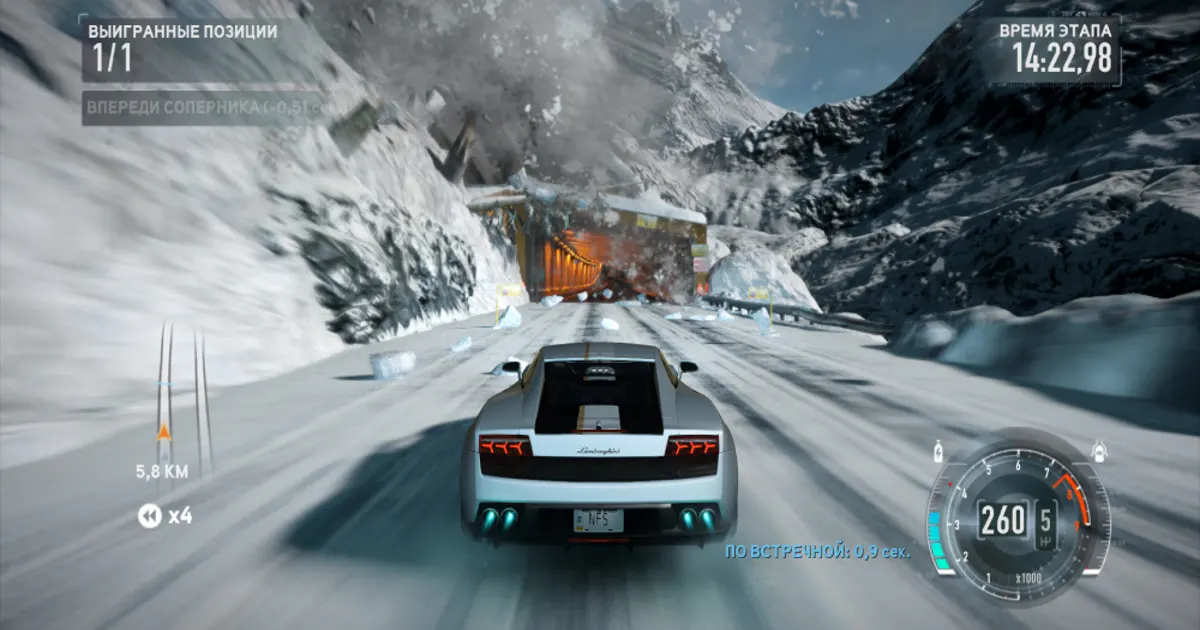
The Run tried a completely new concept: a coast-to-coast race across the USA, from San Francisco to New York. The campaign was a cinematic road trip, punctuated by cutscenes and even sequences outside the car-unusual for a racing game.
Rather than an open world, players followed a set route, making the story feel more like an action movie than a typical NFS campaign.
Need for Speed: Most Wanted - 2012
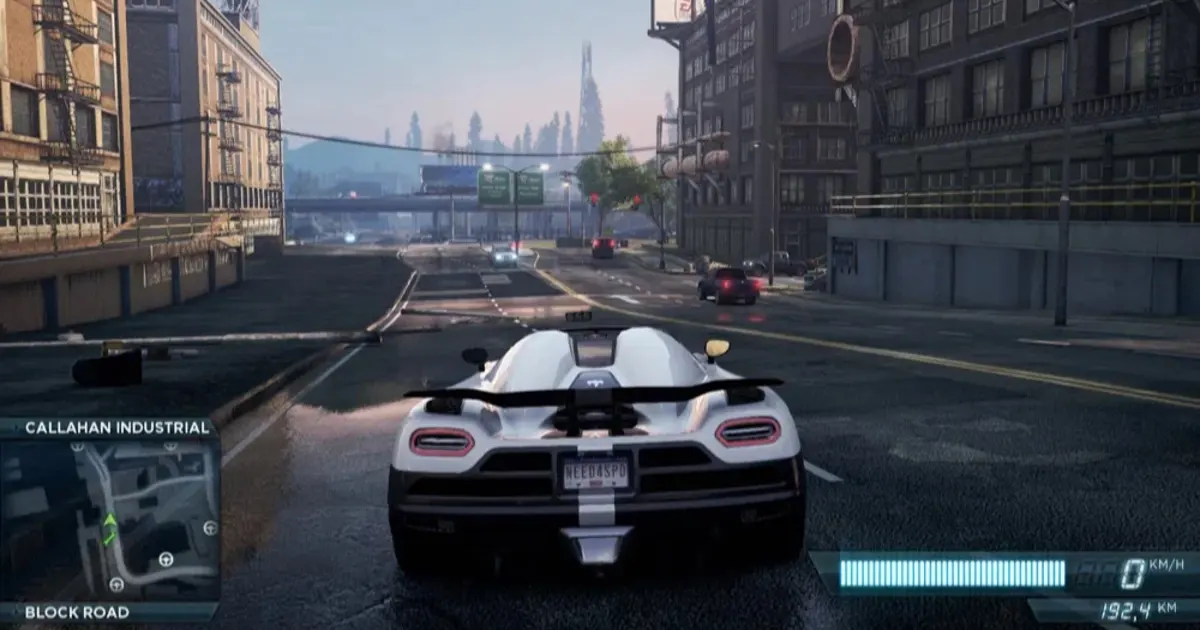
The Most Wanted name returned in 2012, but Criterion's version was a reimagining rather than a direct remake of the 2005 classic. Set in Fairhaven City, players had immediate freedom-cars could be found on the street, and most activities didn't require a traditional career progression.
The main goal was climbing the Most Wanted list, but the structure was much simpler. The emphasis was on open-world exploration, speed, and friend competitions, with an expanded Autolog 2 system. The game's design was heavily influenced by Burnout Paradise.
Despite the familiar name, this was a very different game, focusing more on freedom and online rivalry than story or tuning.
Need for Speed: Rivals - 2013
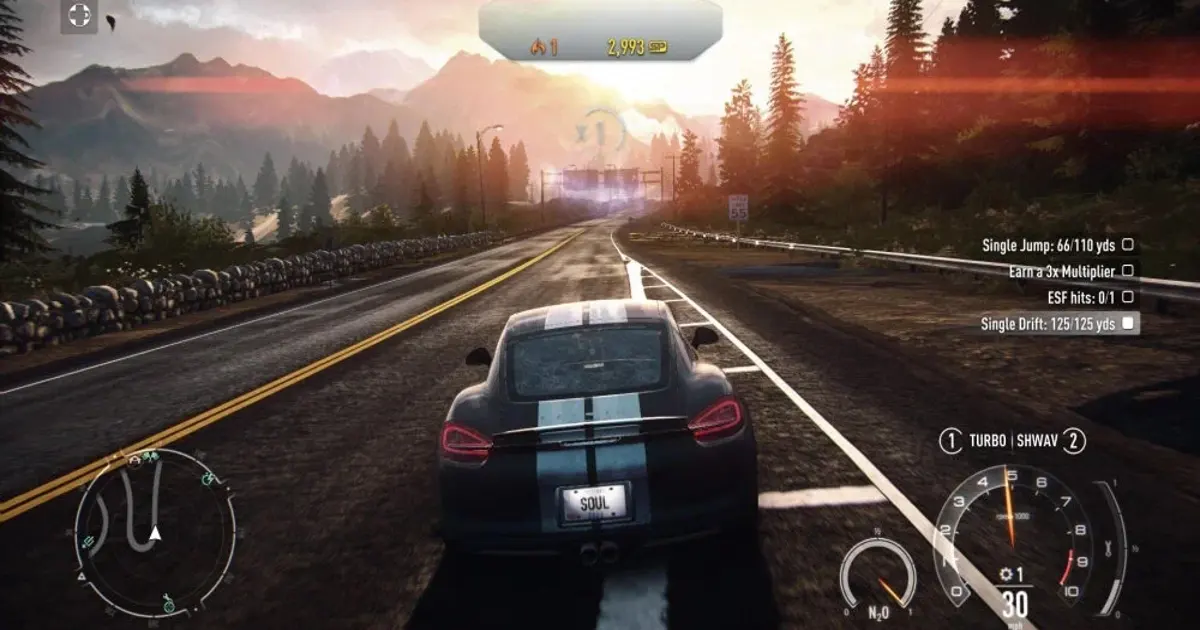
Rivals continued the racer-vs-police formula. Each side had its own progression, cars, and tools. The AllDrive system blurred the line between solo and online play-players could run into others in the open world, turning routine exploration into spontaneous chases or races.
For racers, risk and reward ramped up as you chained successful actions; for police, powerful cars and special gadgets made their gameplay unique. Rivals marked the end of an era of annual experimentation before EA paused for a major reboot.
The Reboot Era: Need for Speed 2015, Payback, and Heat
Need for Speed: No Limits - 2015
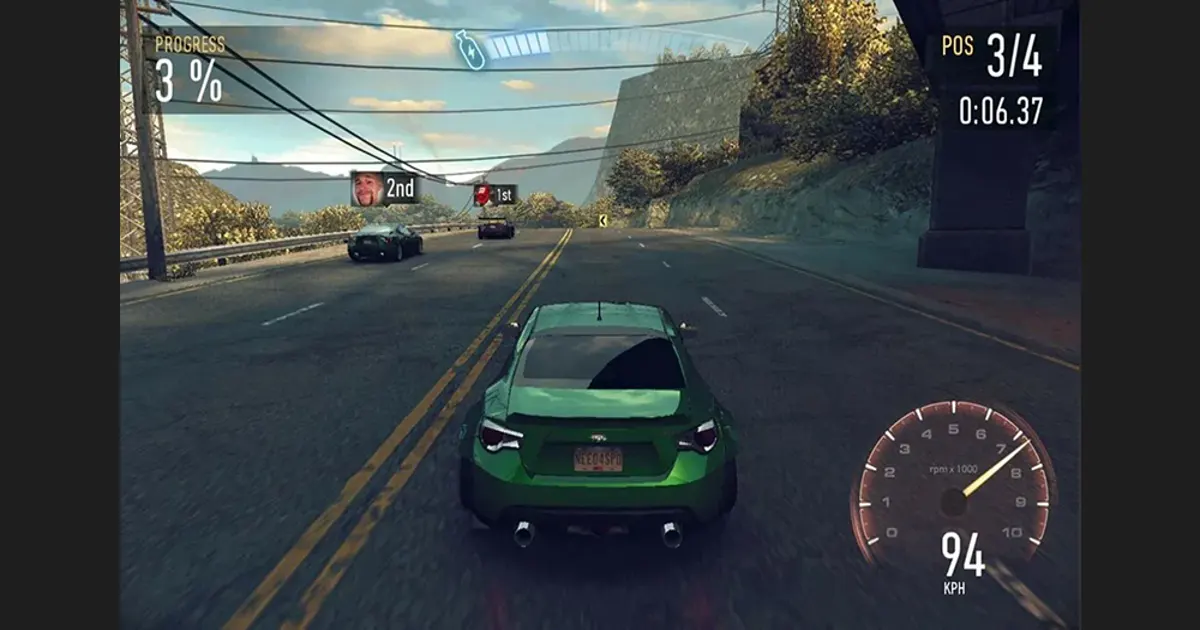
2015 saw the franchise's first mobile-first game: No Limits on iOS and Android, bringing street racing to smartphones with touch controls and bite-sized races. Tuning remained central, with over 2.5 million possible visual and performance combinations.
No Limits is a continually updated free-to-play mobile title, distinguishing it from the mainline entries.
Need for Speed - 2015
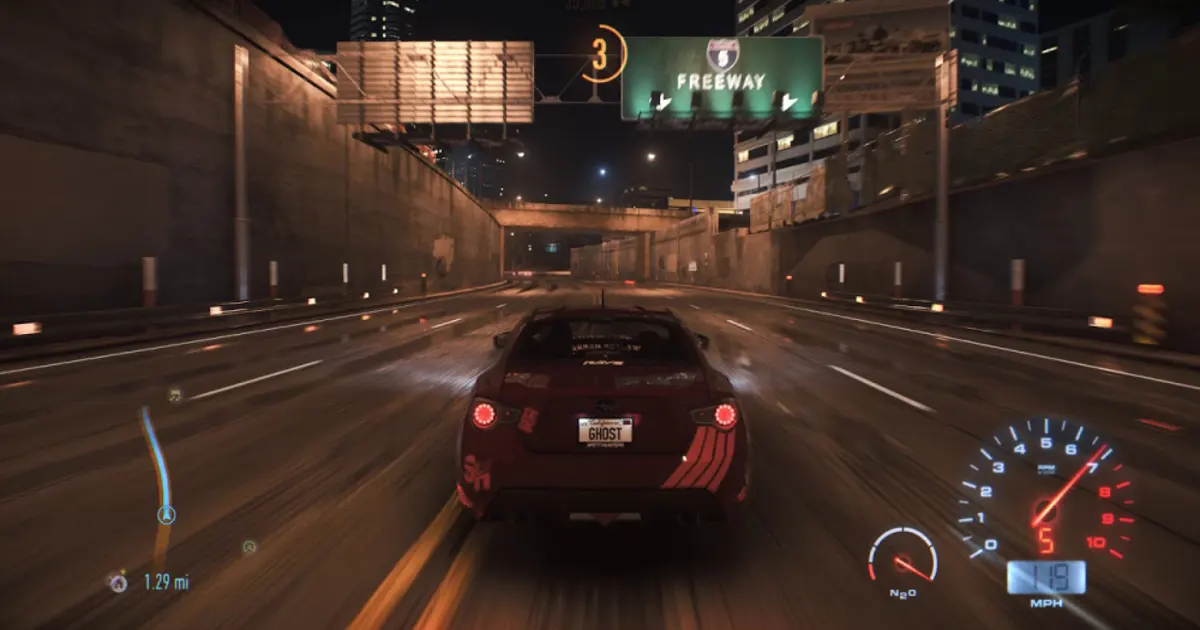
After a year without a main release, Need for Speed returned with a full reboot. Ghost Games aimed to unite the franchise's most memorable elements: a neon-lit city, illegal racing, deep tuning, open world, and car culture storyline-all set in Ventura Bay, almost entirely at night.
The game emphasized extensive customization, real tuning brands, and the ability to craft unique liveries and setups. The campaign revolved around five styles-Speed, Style, Build, Crew, and Outlaw-each representing a different facet of car culture.
The story was told via live-action cutscenes, with real automotive personalities like Ken Block, Magnus Walker, and Akira Nakai making appearances.
Need for Speed: Payback - 2017
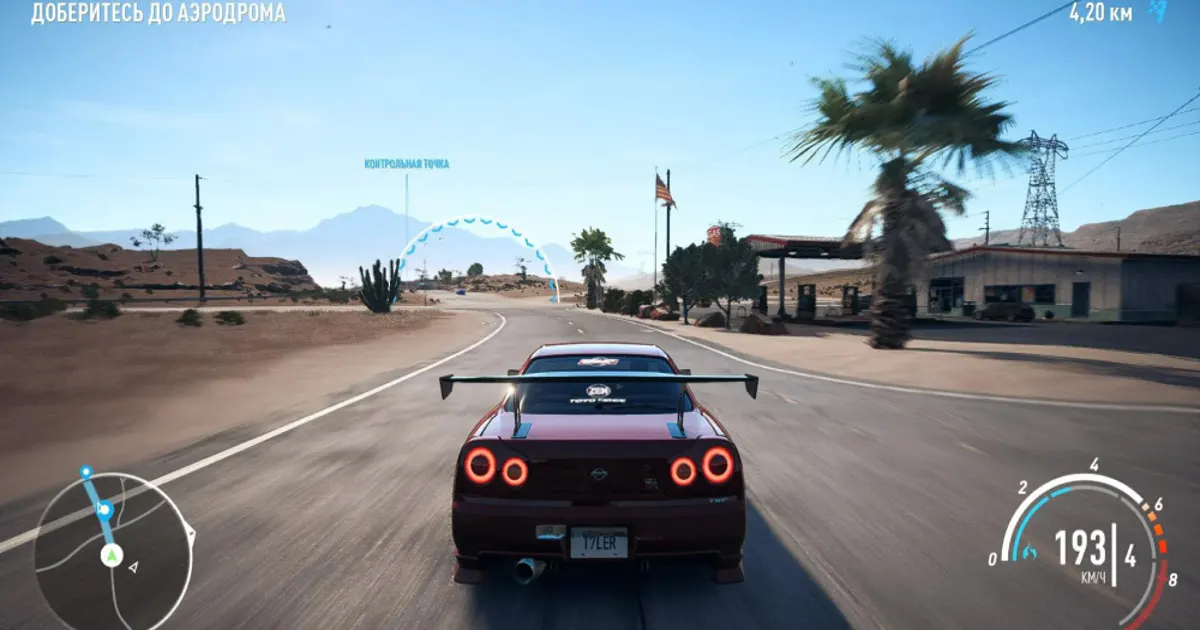
Payback moved away from the all-night atmosphere, instead offering a blockbuster adventure in Fortune Valley. The story followed three characters-Tyler (racing), Mac (off-road), and Jess (chases and deliveries)-as they fought the criminal organization The House.
The game leaned into action-movie set pieces: cinematic chases, jumps, takedowns, and truck heists. Open-world diversity included cities, deserts, mountains, and off-road areas, with cars split into classes for different events.
Customization was still a highlight, especially with Derelict cars that players rebuilt from scrap. Payback continued the franchise's experimental streak, this time focusing on story and spectacle.
Need for Speed: Heat - 2019
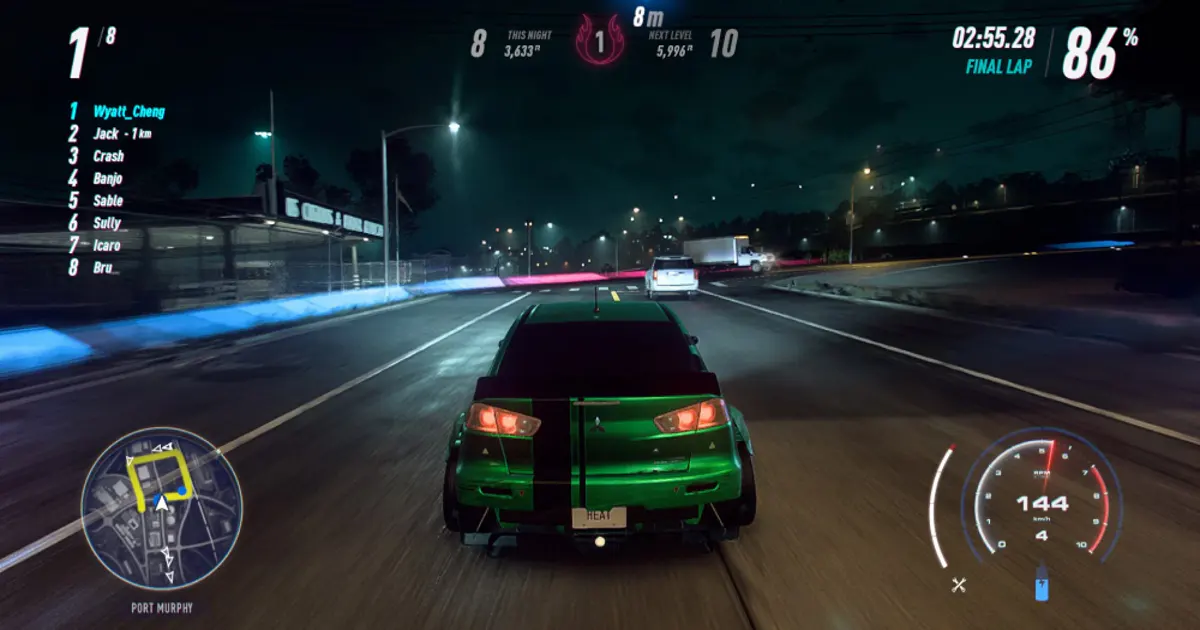
Heat aimed to merge street racing, tuning, and police pursuits into a unified system. Set in vibrant Palm City, the game split gameplay into day and night: daytime legal races earned cash, while nighttime illegal races built reputation.
The risk level shifted accordingly-police interference was minimal by day, but at night, chases became crucial. The longer you stayed out at night, the more reputation you could earn, but getting busted meant losing much of it.
This system solved a long-standing issue: now, racing and pursuits were intertwined, directly affecting progression.
Once again, tuning was central. Players could customize bodywork, wheels, paint, exhaust sound, and performance for a variety of race types-from street to drift to off-road.
Heat felt like a blend of several NFS eras: street culture and customization from Underground, tense chases from Most Wanted, and open world from modern installments.
Need for Speed: Hot Pursuit Remastered - 2020
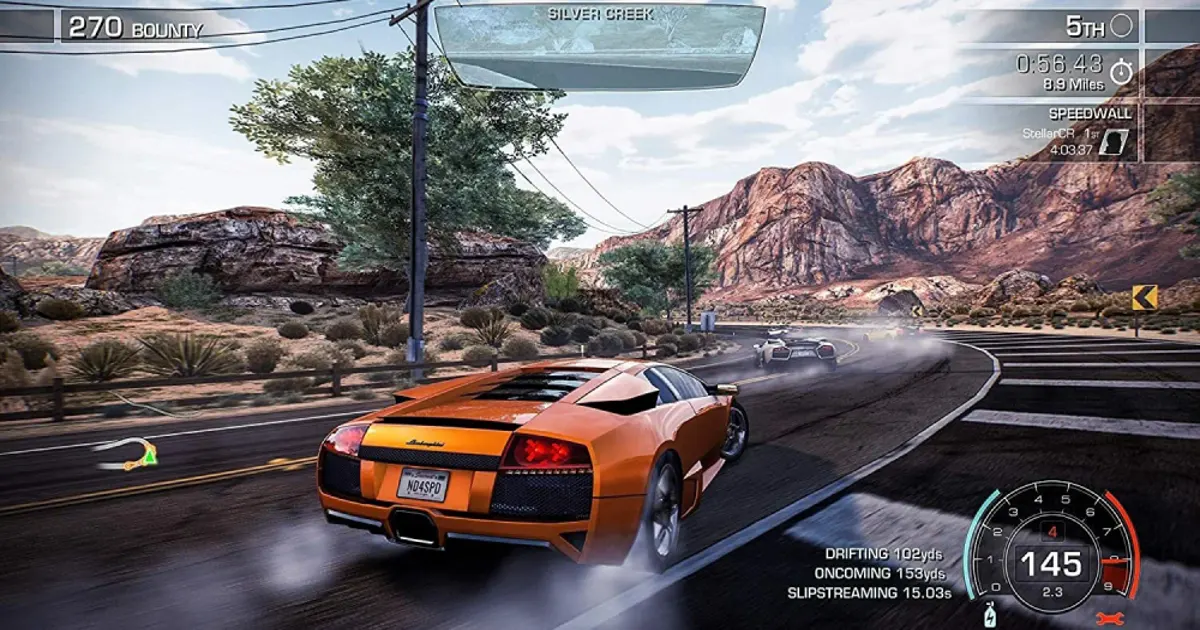
2020 marked the first modern remaster of a recent entry: Hot Pursuit Remastered updated the 2010 Criterion game with better graphics, technical improvements, and cross-platform multiplayer. The core structure-dual careers as racer and cop, supercars, special equipment-remained, now with all main DLC included.
The Autolog system returned, keeping friend competition at the forefront even a decade after its introduction.
Need for Speed Unbound and the Modern Era
Need for Speed Unbound - 2022
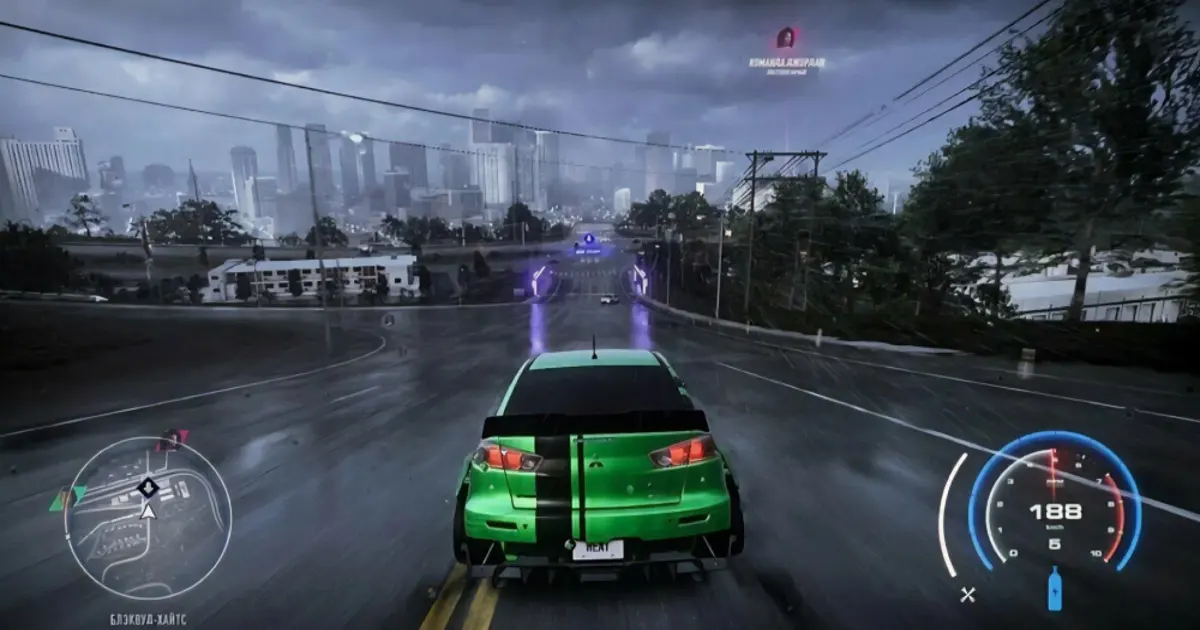
Unbound, released December 2, 2022, was developed by Criterion Games (creators of Hot Pursuit 2010 and Most Wanted 2012). Its main innovation was a bold visual style-realistic cars fused with illustrated effects, graffiti, stylized characters, and vibrant animations for jumps, drifts, and nitro boosts, reflecting modern street culture.
The story takes place in Lakeshore City, centering around preparation for The Grand competition. Players start with modest means, race to earn cash, upgrade cars, and qualify for weekly events-each race balancing profits with the risk of losing earnings.
Police chases returned: the more rules you broke and illegal events you entered, the higher your heat level. You had to decide whether to risk further races or bank your winnings for the night.
Customization remained central, with radical visual options for some cars. Combined with character clothing and visual effects, your ride became an expression of style rather than just a means to win.
How Unbound Brought Back Classic Need for Speed Ideas
Post-launch, Unbound received major Volume updates that gradually reintroduced elements from different franchise eras. In 2024, as Need for Speed turned 30, developers openly embraced series history to shape Unbound's ongoing evolution, aiming for the "Ultimate NFS Experience."
For example, Volume 7 brought back Drag and reworked Drift, directly referencing Underground's legacy. More and more updates nodded to the franchise's history-most notably, the return of the BMW M3 GTR from Most Wanted 2005, which, nearly 20 years later, still connects new NFS games to their roots.
For a comparison of modern Need for Speed entries with other top racing games, check out our guide to Best PC Racing Games 2026: Top Simulators, Arcade, and Open World.
How the Need for Speed Formula Changed Over 30 Years
The history of Need for Speed shows there was never a single, unchanging formula. Each generation of players formed their own idea of what an NFS game should be.
In the 1990s, the series showcased expensive sports cars-Ferraris, Lamborghinis, Porsches-dream machines for most of the audience. Police chases gradually became central, especially with Hot Pursuit.
With Underground, the focus shifted to neon-lit cities, Japanese cars, tuning, and street racing culture. Underground 2 added the open world, while Most Wanted combined it all with epic police chases.
Carbon continued the street era, but soon the series experimented: ProStreet and Shift leaned into serious competition, The Run tried a cinematic road trip, and World turned NFS into a persistent online world.
Hot Pursuit 2010 and Rivals proved that the classic racer-vs-cop formula still worked. NFS 2015, Heat, and Unbound revived deep customization and a modern car culture vibe.
Thus, Need for Speed's evolution was never linear-the series often abandoned its own most successful ideas, only to return to them years later in a new form.
Why Underground and Most Wanted Became Series Icons
While Need for Speed had many successful eras, the games from the mid-2000s shaped the franchise's modern image the most.
Underground made tuning a core mechanic and a way for players to express their style-speed wasn't everything, looks mattered too. Underground 2 added open-world exploration and even deeper customization, solidifying features that are now considered essential to NFS.
Most Wanted brought aggressive police chases and the memorable Blacklist system. The BMW M3 GTR, Razor, and the city of Rockport became so iconic that later games repeatedly referenced them.
Still, the series' best can't be summed up in just three titles. Hot Pursuit spawned another crucial branch, Porsche Unleashed was a unique experiment, and recent games like Heat and Unbound tried to unite ideas from across generations.
What Happened to Need for Speed?
After Unbound, the series found itself in a unique position. The game received extended support, with major Volume updates over several years, adding new modes, cars, and callbacks to classic NFS.
However, on February 3, 2025, the team announced the end of Unbound's update cycle, with developers joining Criterion's Battlefield project. EA stated that Need for Speed would continue with a smaller core team, but Criterion later became heavily involved in Battlefield development.
As of October 2026, no new mainline Need for Speed has been announced-the latest game on the official site remains Unbound.
The franchise is not entirely dormant, though: the mobile No Limits continues to get new content, with EA's calendar listing events into late 2026.
In short, Need for Speed is currently on pause between major phases. Over three decades, the series has changed developers, directions, and its own formula more than once, so this break is nothing new for NFS.
Conclusion
In over 30 years, Need for Speed has evolved from exotic supercars on scenic roads to open-world street culture, deep tuning, and massive police chases. The series has changed developers and gameplay formulas many times, resulting in classic Hot Pursuit entries alongside Underground, Most Wanted, Shift, The Run, Heat, and Unbound-sometimes as different from each other as separate franchises.
The 2000s were especially defining: Underground made tuning central to NFS, Underground 2 added open-world exploration, and Most Wanted united street racing with police action, gifting the series the legendary BMW M3 GTR. Later games repeatedly revisited these concepts, adapting them for new generations.
If you want to experience classic Need for Speed, start with Underground 2, Most Wanted 2005, or Carbon. For those who love supercars and police chases, Hot Pursuit 2010 and its remaster are great picks. Among modern entries, Heat and Unbound best capture the familiar blend of open world, customization, and illegal racing.
The history of Need for Speed proves the series never relied on a single, lucky mechanic. It constantly evolved alongside car culture and the gaming industry itself-and this ability to keep reinventing itself has kept NFS relevant for decades.
FAQ
-
What was the first Need for Speed game?
The first game in the series was The Need for Speed, released in 1994 for the 3DO console and later ported to PC and PlayStation. Even the debut featured expensive sports cars, traffic, and police chase elements.
-
When was the first Need for Speed released?
The original The Need for Speed launched on August 31, 1994. Electronic Arts considers this the official birthday of the franchise.
-
How many Need for Speed games are there?
The exact number depends on whether you count mobile games, remasters, and spin-offs. The main series includes more than two dozen major releases-from The Need for Speed to Unbound. There are also mobile-only titles like No Limits, Need for Speed World, portable versions, and remasters.
-
Which Need for Speed games are the most popular?
The most well-known entries are typically Underground, Underground 2, Most Wanted 2005, Carbon, and Hot Pursuit 2010. Underground and Most Wanted especially influenced the franchise's evolution with their tuning and police chase mechanics.
-
In what order should you play Need for Speed?
Most Need for Speed games are standalone stories, so playing strictly in release order isn't necessary. To trace its evolution, go by release year. To experience the most iconic era, start with Underground → Underground 2 → Most Wanted 2005 → Carbon, then move to Hot Pursuit 2010, Heat, and Unbound.
Tags:
Similar Articles