Home Weather Stations in 2026: The Ultimate Guide to Smart Climate Control
Home weather stations in 2026 offer advanced monitoring for temperature, humidity, CO₂, and air quality. Discover how smart sensors and automation can enhance your comfort, support healthy living, and integrate seamlessly with modern smart home ecosystems. Learn how to choose the right model for your apartment, private home, or family needs.

Home weather stations in 2026 are no longer a niche gadget for weather enthusiasts. These convenient devices are now essential for monitoring the microclimate in apartments, private homes, children's rooms, home offices, or bedrooms. Modern weather stations display not just outdoor temperature, but also humidity, pressure, air quality, CO₂ levels, and other parameters that directly affect your well-being.
The main benefit of these devices isn't just a pretty forecast screen-it's actionable, easy-to-understand data. If your room is too dry, stuffy, or humidity changes sharply, a weather station helps you ventilate, turn on a humidifier, adjust ventilation, or simply understand why it's become harder to work or sleep. This is especially important for families with children, allergy sufferers, smart home owners, or anyone who spends a lot of time indoors.
What Is a Home Weather Station and How Does It Work?
A home weather station is a set of sensors that measure indoor air parameters and, with an external sensor, outdoor conditions as well. Basic models show temperature, humidity, and atmospheric pressure. More advanced devices track CO₂, volatile organic compounds, noise levels, and overall air quality.
Typically, the system consists of a main unit and one or more additional sensors. The main unit stays indoors, displays data on a screen, and can connect to an app. External sensors can be placed outside, on a balcony, in the garage, greenhouse, or another room. This lets you see differences between inside and outside conditions, rather than relying solely on generic online forecasts.
Modern smart weather stations do more than just measure. They log historical readings, send alerts, create graphs, and can trigger smart home automation. For example, if humidity drops below comfort level, the humidifier turns on; if CO₂ rises, you're reminded to air out the room or ventilation kicks in automatically.
What Data Do Modern Weather Stations Collect?
- Temperature and humidity are the core measurements, helping you judge indoor comfort. Too dry air can irritate skin and membranes; high humidity encourages mold and bad odors.
- Atmospheric pressure is important for both weather prediction and for people sensitive to pressure changes. Some stations analyze pressure trends and offer local forecasts (rain, cold snap, or improved weather).
- Advanced home weather stations also measure CO₂ and air quality. This is especially useful in bedrooms, kids' rooms, offices, and poorly ventilated spaces. High CO₂ isn't always noticeable at first, but can affect focus, drowsiness, and cause stuffiness.
How Is a Weather Station Different from a Basic Temperature Sensor?
Many smart temperature and humidity sensors can display basic readings in an app, but a full-fledged home weather station is much more functional. The distinction is especially clear in smart home scenarios and for ongoing microclimate monitoring.
A basic sensor usually only measures temperature and humidity. It often lacks a display, local analytics, or advanced automation support. These are best for spot-checking-like in a fridge, nursery, or near plants.
A home weather station typically acts as a central hub. It aggregates data from multiple sensors, shows historical trends, displays forecasts, and can automatically interact with other devices. Some models connect several external sensors at once-ideal for large homes or apartments with different climate zones.
In 2026, models with Wi-Fi and smart home integration are especially popular. They sync with Apple HomeKit, Google Home, Aqara Home, SmartThings, and other platforms. Read more about the evolution of these systems in our article on the Internet of Things (IoT) in 2026.
Key Features in Home Weather Stations for 2026
Today's home weather stations go far beyond simple temperature readings. Manufacturers focus on automation, remote access, and integration with other devices. These are the features that make a gadget truly valuable in daily life.
Wi-Fi and Mobile App
Wi-Fi connectivity is now essential. It allows you to check data from your smartphone anywhere in the world. Users receive alerts about sudden temperature swings, poor air quality, or high humidity.
A quality app also stores historical data, letting you track how the microclimate changes throughout the day, how effective your ventilation is, or how heating affects winter humidity.
External Sensors for Outdoors and Multiple Rooms
A weather station with an external sensor is much more useful than basic models. Place one sensor outside, another in the bedroom, a third in the nursery or basement. This lets you control the climate throughout the home, not just in a single spot.
Some systems support up to 5-8 sensors at once-especially relevant for private homes, where different rooms vary greatly in temperature and humidity.
Smart Home and Voice Assistant Integration
Support for voice assistants is becoming standard. Many models work with Alexa, Google Assistant, and Siri, letting you ask for the bedroom temperature or air quality by voice.
Integration with automation scenarios is also increasingly common. For example, if a sensor detects rising bathroom humidity, the exhaust fan turns on. If temperature drops below a set point, the heater is activated.
This ecosystem development is shaping how devices form a unified digital environment. Learn more in the article "The Human Digital Ecosystem 2026: Device Synchronization and New Habits".
Automation Scenarios
Automation is what makes smart sensors genuinely practical for the home. In 2026, weather stations are increasingly central to full-fledged home management.
- The humidifier turns on automatically if the air is too dry
- The air conditioner responds to rising temperatures
- The air purifier activates when air quality worsens
- The system sends an alert if a room gets too stuffy
Such scenarios not only boost comfort but also reduce energy consumption, as devices only run when needed.
Best Home Weather Stations and Smart Sensors of 2026
In 2026, the home weather station market splits into two main trends: some devices focus on compactness and smart home integration, others on advanced air monitoring and working with multiple external sensors. The right choice depends on whether you need basic temperature control or a comprehensive microclimate monitoring system.
Xiaomi Smart Temperature and Humidity Monitor
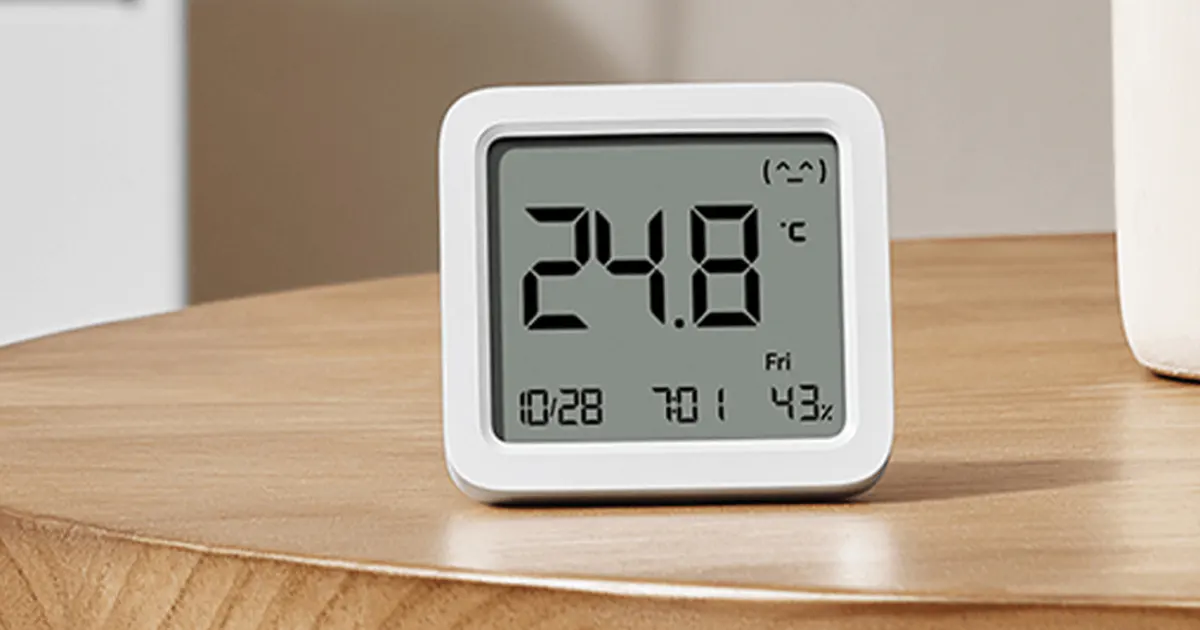
One of the most popular models for apartments and smaller spaces. This compact device runs a long time on battery and integrates easily with the Xiaomi Home ecosystem.
Simplicity is its main strength: it displays temperature and humidity, sends data to the app, and can participate in automations-like turning on a humidifier or air conditioner when certain thresholds are reached. Perfect for those needing affordable, minimalist climate control without complex setup.
Netatmo Weather Station
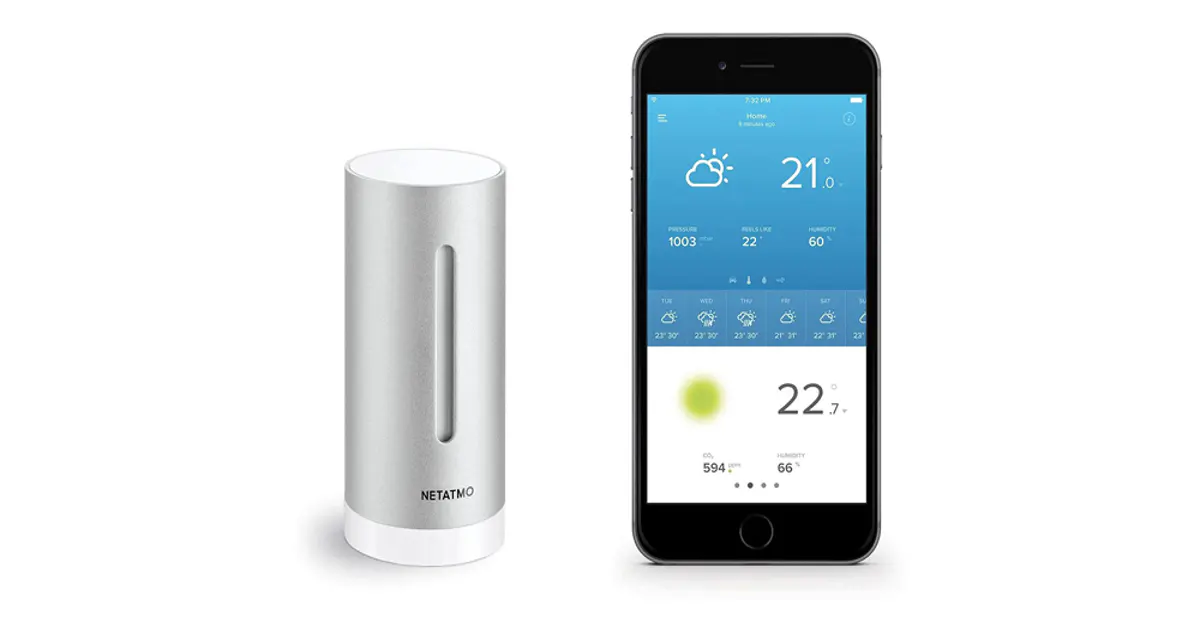
This home weather station focuses on deeper air monitoring. Along with temperature and humidity, it analyzes CO₂ levels and noise indoors.
Netatmo is often chosen for bedrooms, offices, and children's rooms because it helps track air quality in real time. The CO₂ alert function is especially valuable, reminding you to ventilate as needed. The system supports external modules and suits both private homes and large apartments.
Aqara TVOC Air Quality Monitor
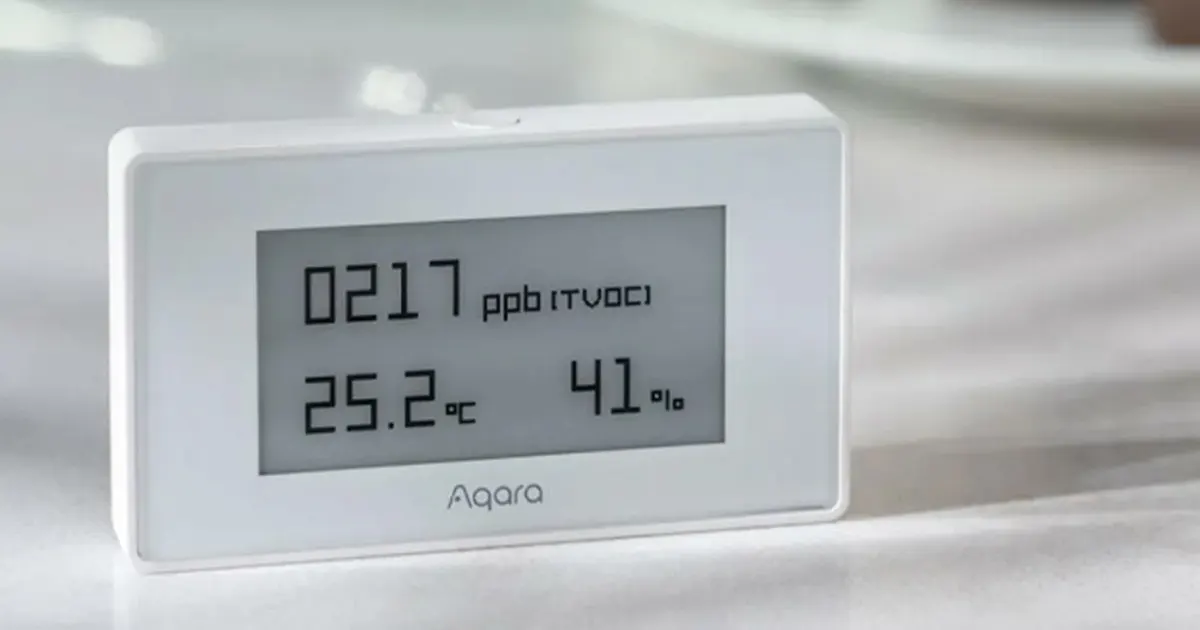
A compact sensor for monitoring air quality and volatile organic compounds. Aqara emphasizes smart home integration and automation.
It supports Zigbee and can work with other Aqara sensors, such as automatically turning on ventilation or an air purifier if air quality drops. For users with Apple HomeKit or Aqara Home, it's among the most convenient options for temperature and humidity monitoring.
TFA Dostmann View Pro
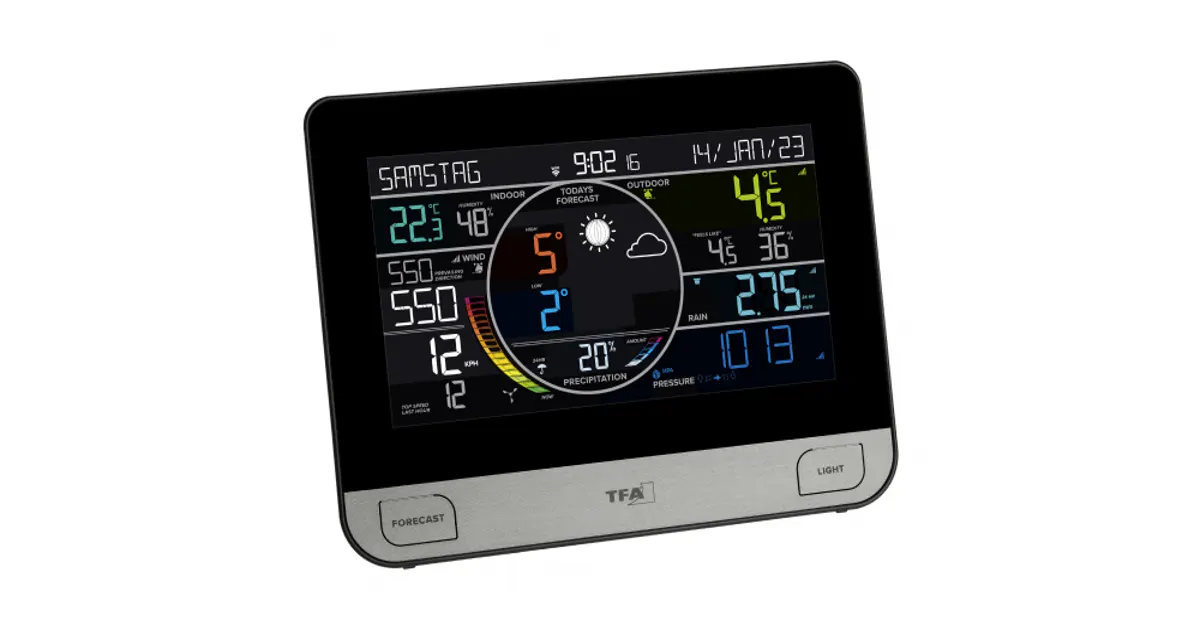
A more traditional home weather station focused on weather analytics and working with external sensors-often chosen by private homeowners.
This system supports multiple external modules, displays local weather changes, and helps monitor not just the house, but also outdoor, garage, or greenhouse conditions. It's a great pick for those who value extensive environmental monitoring over just app integration.
Comparison Table: Home Weather Stations 2026
| Model | Wi-Fi | CO₂ | Smart Home | External Sensors | App | Automation |
|---|---|---|---|---|---|---|
| Xiaomi Smart Temperature and Humidity Monitor | Yes | No | Yes | Limited | Yes | Yes |
| Netatmo Weather Station | Yes | Yes | Yes | Yes | Yes | Yes |
| Aqara TVOC Air Quality Monitor | Yes | Partially | Yes | No | Yes | Yes |
| TFA Dostmann View Pro | Yes | No | Partially | Yes | Yes | Limited |
How to Choose the Right Home Weather Station
When choosing a home weather station, consider not just the range of features, but your actual use cases. Some users need only a simple temperature and humidity sensor; others require comprehensive air monitoring with automation.
For Apartments
For most apartments, a compact model with Wi-Fi and a mobile app is sufficient. The key features are temperature, humidity, and alerts about poor air quality.
- Compact designs
- App support
- Smart home integration
- Automation for humidifiers or air conditioners
Such sensors are especially useful in winter when heating dries out the air, affecting sleep, skin, and well-being.
For Private Homes
In a house, support for multiple external sensors and multi-zone monitoring is more important. Temperature in the bedroom, outdoors, basement, and garage can vary greatly, so one measurement point isn't enough.
- Monitor outdoor weather
- Basement humidity
- Greenhouse temperature
- Air quality in different rooms
For larger homes, pick models with extensive measurement history and reliable wireless connections between sensors.
For Families with Children and Allergy Sufferers
Here, controlling humidity and air quality is crucial. Too dry air can irritate mucous membranes, while high CO₂ impairs sleep and focus.
- CO₂ monitoring
- Air quality alerts
- Integration with purifiers and humidifiers
- Automated ventilation scenarios
Even a basic microclimate monitoring system can significantly improve comfort.
For Smart Home Ecosystems
If you already use Aqara, Xiaomi, Apple HomeKit, Google Home, or SmartThings devices, choose a compatible model. Weather stations then become part of your overall automation system:
- Air conditioner adjusts temperature
- Air purifier responds to pollution
- Blinds close when a room overheats
- Ventilation turns on automatically
Such scenarios are increasingly standard in modern homes.
Which Home Weather Stations Are Truly Useful-And Which Are Just Marketing?
Manufacturers often add dozens of secondary features that look good in ads but rarely get used in real life.
When a Basic Sensor Is Enough
If you simply want to monitor temperature and humidity in a room, there's no need to buy an expensive weather station. A compact sensor with an app covers most household needs.
- Small apartments
- Single rooms
- Nursery monitoring
- Working with a humidifier
When a Full-Featured Weather Station Is Justified
Go for a comprehensive system if you need:
- Multi-room monitoring
- Air quality control
- Automation support
- Outdoor sensors
- Historical data and analytics
These devices are particularly valuable in private homes and spaces with unstable microclimates.
However, not all "AI features" or smart forecasts are truly necessary. Many are more marketing than substance. Find out more in the article "Artificial Intelligence: Real Value or Marketing Myth?"
Conclusion
By 2026, home weather stations have become part of the smart home ecosystem, not just electronic thermometers. Even basic models help you better control your microclimate, monitor humidity, and make living and working spaces more comfortable.
For apartments, a compact temperature and humidity sensor with an app is usually sufficient. Owners of private homes will benefit from models with multiple external sensors and automation. For those concerned about air quality, look for devices with CO₂ monitoring and integration with air purifiers.
When choosing, focus on your actual needs-not just the feature list. In most cases, a stable, user-friendly monitoring system is more valuable than an overloaded weather station with dozens of rarely used options.