Smart Humidifiers vs. Air Purifiers: Features, Differences, and Buying Guide
Discover the key differences between smart humidifiers and air purifiers, essential features to look for, and how to choose the right device for your home. Learn about popular models, maintenance tips, and when a combination device makes sense for a healthier living environment.

Humidifiers and air purifiers solve two different but related problems: dryness indoors and air pollution. The first maintains a comfortable humidity level, while the second removes dust, pollen, pet hair, odors, and fine particles from the air. Smart models add sensors, automatic modes, and app-based controls for extra convenience.
These gadgets are especially useful in apartments with central heating, homes near busy roads, for allergy sufferers, pet owners, or people who work from home. However, choosing a device just because it's "smart" isn't enough: it's more important to understand its function, what filters it uses, how noisy it is, and how easy it is to maintain.
This article explains the differences between smart humidifiers and smart air purifiers, which features are truly essential, reviews several popular models, and provides a comparison table.
Why Smart Gadgets Are Essential for a Healthy Home Environment
Indoor air quality is rarely stable on its own. In winter, heating dries out the air; in summer, dust, pollen, and urban smog infiltrate, while cooking, cleaning products, pet hair, textiles, and dust on furniture affect air quality year-round. Even regular ventilation doesn't always solve the problem, as outdoor air may bring new pollutants instead of freshness.
Dry air can cause tight skin, dry mucous membranes, discomfort during sleep, and difficulties working long hours on a computer. Excessively high humidity is also harmful, as it can make the air stuffy and encourage mold growth. Therefore, the goal of a humidifier is not just to "add mist," but to maintain a healthy humidity level without over-humidifying.
Air purification presents similar challenges. Dust isn't always visible, while fine particles, pollen, and odors may linger even after cleaning. That's why an air purifier for home is useful for more than just allergy sufferers-it helps reduce airborne particles near busy roads, in homes with pets, or where windows are often open during pollen season.
Smart models take over part of the control process. Sensors monitor humidity and air pollution; the device automatically adjusts its operation mode; and the app lets you check air quality, set schedules, and receive notifications for filter changes or reservoir maintenance. As a result, your gadget provides a more predictable and comfortable microclimate-not just a "set-and-forget" device.
Humidifier vs. Air Purifier: What's the Difference?
Humidifiers and air purifiers are often seen as similar because both relate to indoor climate, but they serve distinct purposes. A humidifier addresses dryness, while an air purifier tackles airborne contaminants. Before buying, identify the main comfort issue at home: dryness, dust, allergens, odors, or all of the above.
Smart Humidifiers
Smart humidifiers are essential where air is too dry-most noticeable in winter due to heating, but also in summer with heavy air conditioner use. The device evaporates or disperses water, maintaining healthy humidity. In smart versions, a sensor monitors the humidity: if it drops below a set threshold, the device works harder; once optimal, it reduces power.
Air Purifiers
Air purifiers work differently. They draw air through filters, trapping dust, hair, pollen, fine particles, and some odors. Good models typically use a HEPA filter for mechanical filtration and a carbon filter to reduce odors. Smart air purifiers show air quality, react to pollution spikes, and can automatically ramp up airflow after cooking or when a window is open.
Combination Devices
Some devices combine both functions-humidification and purification-which is convenient if you want a single gadget, especially for smaller spaces. However, universal models may not purify as effectively as dedicated purifiers or humidify as quickly as specialized humidifiers. Combination devices are best for moderate needs, not as the only solution for severe allergies or very dry air.
Essential Features of Smart Humidifiers and Air Purifiers
The main benefit of smart humidifiers and air purifiers isn't the app itself, but automation. A good device shouldn't require constant manual switching-it should sense when the air is dry, when pollution increases, and when it can reduce power to minimize noise.
- Built-in Hygrostat: For humidifiers, a hygrostat measures and helps maintain the desired humidity level rather than just dispersing water unchecked. This is especially useful at night and during heating season. Without it, the device may over-humidify, risking condensation, dampness, and odors.
- Pollution Sensor: For air purifiers, a pollution sensor is crucial. Ideally, it should detect fine particles like PM2.5 and display air quality in the app or on-screen. This allows the device to react appropriately-ramping up during cooking, dust, or open windows, and switching to quiet mode when the air is clean.
- Scheduling: Schedules are handy, such as running the purifier more before bedtime or maintaining bedroom humidity at night. Smart home integration allows voice control or automated routines-for more, check out our guide to the best smart speakers of 2025.
- Maintenance Reminders: Timely filter changes for purifiers and cleaning the water reservoir for humidifiers are essential for effectiveness. Filter replacement indicators, app notifications, and easy disassembly are more important than decorative modes.
- Night Mode: Devices may be powerful, but if they disturb sleep, they're not useful in bedrooms. A good night mode reduces noise and dims displays, quietly maintaining comfort without drawing attention.
Popular Smart Humidifiers and Air Purifiers
Xiaomi Smart Air Purifier 4 Pro
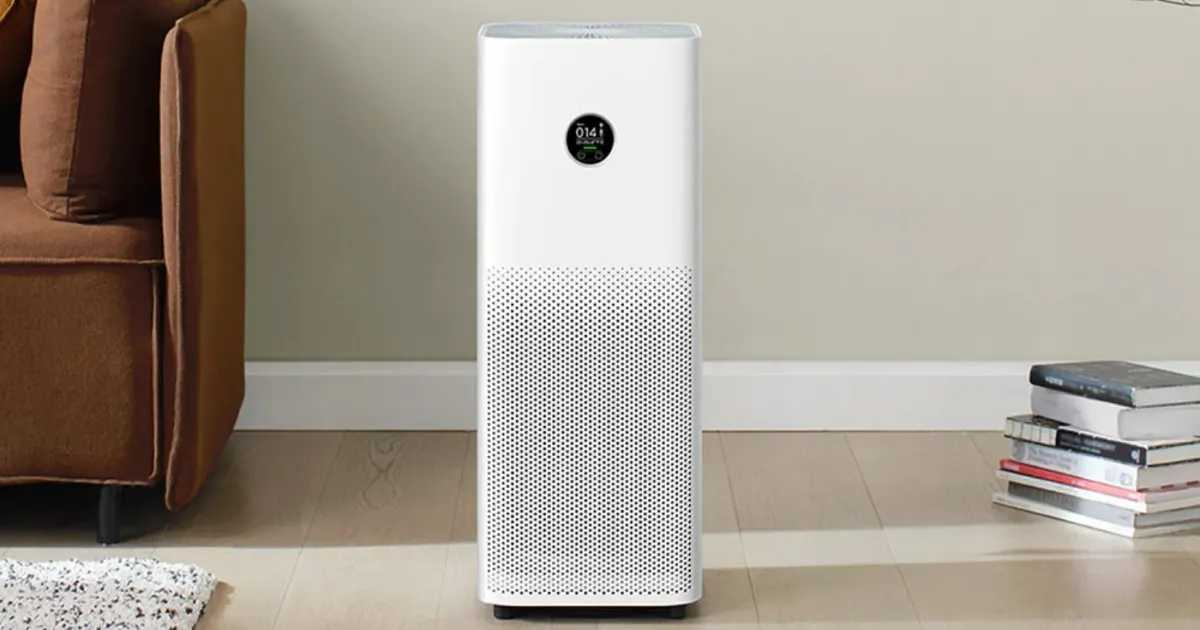
The Xiaomi Smart Air Purifier 4 Pro is a smart home purifier designed to tackle dust, pet hair, pollen, odors, and fine particles. It's a logical choice for apartments facing busy roads, homes with pets, or areas with heavy pollen during blooming seasons.
The key advantage is automatic operation guided by sensors. The purifier tracks air quality, displays pollution levels, and adjusts power without manual input. This means it can quietly run at low speed most of the time, increasing airflow only when needed.
App integration is also important-control modes, check air quality, and monitor filter maintenance from your smartphone. For smart home enthusiasts, this makes the purifier part of a wider ecosystem, not just a standalone device you have to manually switch on.
Dyson Purifier Humidify+Cool Formaldehyde
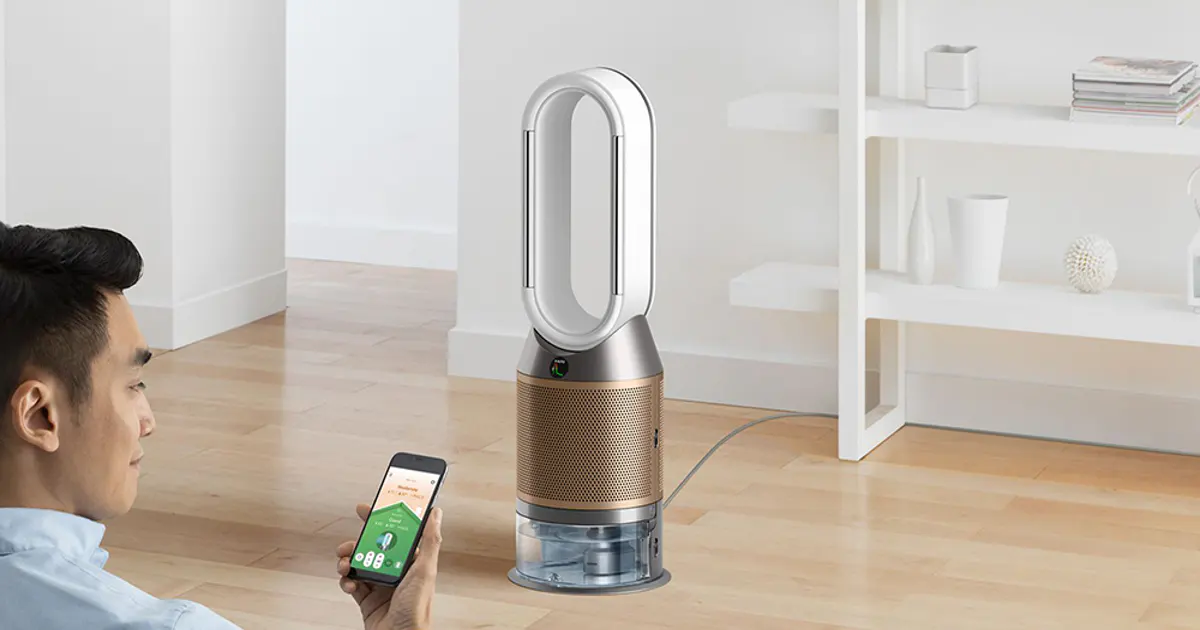
The Dyson Purifier Humidify+Cool Formaldehyde combines purification, humidification, and ventilation. This all-in-one approach suits those who want a single, impactful device for their home microclimate rather than several separate appliances.
The model's strength is its comprehensive solution: it filters air, maintains humidity, and distributes airflow throughout a room-ideal for living rooms, bedrooms, or workspaces where both air quality and comfort are priorities.
Combination devices are best viewed as universal solutions: they're excellent for covering several household needs at once, but in cases of severe allergies or extreme dryness, a dedicated purifier or humidifier may be more effective.
Xiaomi Smart Humidifier 3
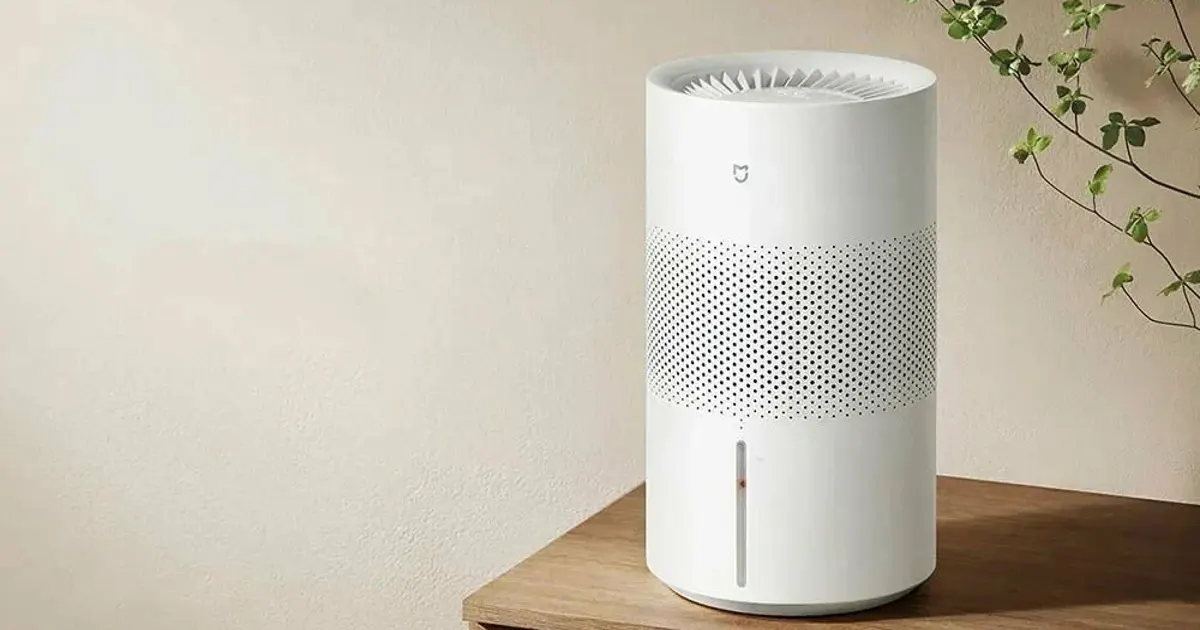
The Xiaomi Smart Humidifier 3 is a smart humidifier designed for apartments, especially where dryness is a problem in winter due to heating. This model focuses on maintaining humidity in bedrooms, nurseries, or workspaces, not on air purification.
The smart humidifier's advantage is its ability to work towards a set humidity level. There's no need to constantly toggle it on and off-it automatically adjusts output when the sensor detects deviations. This is especially handy at night for stable air without excessive noise or manual adjustments.
When choosing a humidifier, remember to maintain it properly: regularly clean the reservoir and change the water. Don't run the humidifier at maximum power unchecked-the goal is balanced comfort, not excessive humidity.
Smartmi Evaporative Humidifier 2
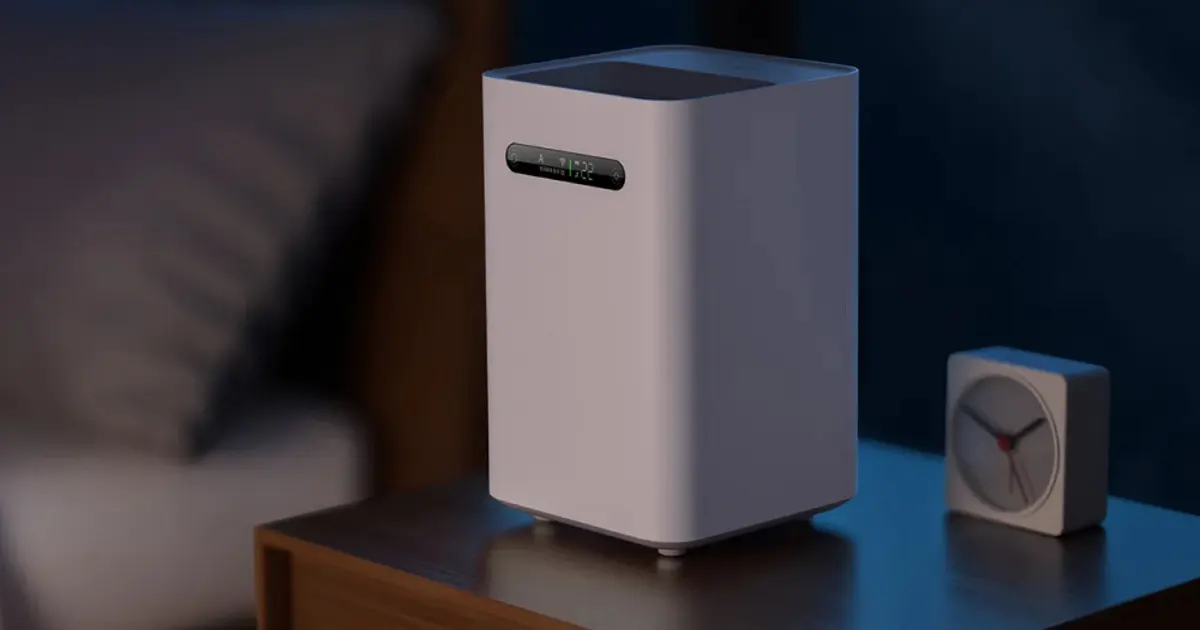
The Smartmi Evaporative Humidifier 2 is an example of an evaporative humidifier. Unlike ultrasonic models, it does not create visible mist but humidifies the air through natural evaporation-a popular choice for those wanting gentle, quiet operation.
The main benefit of evaporative models is a lower risk of white residue on furniture (common with ultrasonic humidifiers using hard tap water). The device runs unobtrusively, making it suitable for continuous background operation.
This type fits well in bedrooms or rooms where you want regular humidification without a "foggy" feeling. However, maintenance remains important: clean water-contact parts to preserve efficiency and hygiene.
Comparison Table: Popular Models
| Model | Device Type | Main Use Case | Strengths | Best For |
|---|---|---|---|---|
| Xiaomi Smart Air Purifier 4 Pro | Smart Air Purifier | Removing dust, pollen, pet hair, odors, fine particles | Auto mode, air quality sensor, app control, high performance for apartments | City dwellers, pet owners, anyone wanting a home air purifier |
| Dyson Purifier Humidify+Cool Formaldehyde | Purifier + Humidifier | Comprehensive microclimate control in one system | Purifies, humidifies, ventilates, tracks pollution, strong automation | Those seeking one device instead of several and value versatility |
| Xiaomi Smart Humidifier 3 | Smart Humidifier | Maintaining humidity in dry rooms | Target humidity, smartphone control, ideal for bedrooms, heating season | Anyone with dry indoor air, especially in winter |
| Smartmi Evaporative Humidifier 2 | Evaporative Smart Humidifier | Gentle natural humidification without visible mist | Evaporative method, background operation, less white residue with hard water | Those wanting quiet, consistent humidification without foggy air |
This table shows there's no single "best" device. If dust, allergens, and odors are the main issue, a purifier is the logical choice. If dryness is the problem-especially from heating or air conditioning-a humidifier is more important. Combination models suit those wanting one solution for both tasks and are willing to compromise on specialization.
How to Choose an Air Purifier for Your Apartment
Don't choose an air purifier based on looks or the number of modes, but by how much air it can filter quickly. If it's too weak for your room, it'll look good but barely work. Focus first on the recommended room size and air processing power.
For bedrooms, quiet operation and night mode are most important; for living rooms, more power; for kitchens or studios, the ability to quickly remove odors and fine particles after cooking. If your apartment is near a road, models with strong mechanical filtration and a PM2.5 sensor are best, as they respond not just to visible dust but also to fine pollutants.
Filters are the next key point. HEPA filters trap dust, pollen, hair, and other particles; carbon layers help reduce odors. Be wary of devices that emphasize "ionization" or "fresh air" but lack clear information about filtration. A purifier must pass air through a filter, not just give the impression of working.
Maintenance is also crucial. Check if replacement filters are easy to find, how simple they are to change, and whether there's a resource indicator. An air purifier works effectively only as long as the filter isn't clogged. If consumables are rare or expensive, the device quickly becomes an overpriced fan.
Smart features like apps, schedules, and auto mode are helpful-but should supplement, not replace, effective filtration. The ideal scenario: the purifier automatically tracks air quality, increases power when polluted, reduces noise at night, and reminds you when service is due.
Which Air Purifier Is Best for Allergy Sufferers?
For allergy sufferers, an air purifier needs to be not just "smart" but truly effective at filtration. Prioritize models with HEPA filters, as these trap pollen, fine dust, pet hair, skin particles, and other common irritants. Carbon filters help with odors but aren't as crucial for allergens.
Capacity also matters. If a purifier is designed for a small room but used in a large living area, it can't process enough air quickly. Allergy sufferers should choose a device with extra coverage so it doesn't run at full capacity all the time and can quickly clean air after ventilation, cleaning, or returning home.
Pay attention to body sealing: air should pass through the filter, not around it via gaps. Quality models have tightly fitting filters and a clear airflow path: intake, filtration, and clean air output. This is critical if the device is for reducing allergens, not just comfort.
Auto mode is convenient, but don't rely solely on it-sensors may not always detect pollen or pet hair specifically. During high pollen seasons or after cleaning, run the purifier more actively or set a schedule for increased power.
If you have pets, an air purifier won't replace cleaning, but it will help by capturing hair, dust, and fine particles stirred up by movement. Models with easy-to-clean pre-filters or external filter layers are especially useful for quick removal of large debris.
When to Choose a Humidifier
Choose a humidifier when dryness is the main problem, not dust or odors. This is usually most obvious during heating season: the air feels heavy, skin dries out, your throat may feel rough in the morning, and sleep is less comfortable. In this case, an air purifier alone won't help, as it filters rather than adds moisture.
For bedrooms and children's rooms, smart humidifiers with automatic humidity control are particularly convenient. These don't require constant monitoring, as the device adjusts its output as needed, helping avoid extremes of dryness or over-humidification (which can cause condensation on windows).
If your water is hard, pay attention to humidifier type-ultrasonic models may leave white residue on furniture if you use regular tap water. Filtered water or an evaporative humidifier (which operates more gently and doesn't disperse minerals) can help avoid this issue.
Humidifiers are also useful in workspaces, especially for those who spend long hours at the computer. Dry air increases discomfort during prolonged focus, while stable humidity makes the room more pleasant for extended periods. Just don't place the device too close to electronics or furniture to prevent moisture buildup on surfaces.
Before buying, consider not only tank size and smart features but also ease of maintenance. The reservoir needs to be washed regularly, water changed, and internal parts cleaned of buildup. If the design is inconvenient, even a good humidifier may quickly become neglected.
Should You Get a Combination Device?
A combination device is ideal if you need both humidification and purification but don't want two separate gadgets. This is convenient for small apartments, bedrooms, home offices, or living rooms where saving space and controlling the microclimate from one app are priorities.
The main advantage is versatility: it reduces dust and maintains humidity with one set of controls and automation. This is perfect if you want a simple setup-just power on, set your preferences, and forget about constant manual adjustments.
However, there are trade-offs. A dedicated air purifier typically filters better, especially in dusty homes, homes with pets, or for severe allergies. A dedicated humidifier may be more effective for quickly increasing humidity in very dry spaces. Combination devices are best for moderate needs, not for maximum performance in every category.
Before purchasing, check how the device combines its functions. Some focus more on filtration with basic humidification, others are the reverse. Also, consider maintenance-since both filters and a water tank are involved, you'll need to care for both to keep the device effective.
This option is best for those who want an all-in-one solution for everyday comfort. If your main issue is clearly defined-such as pollen allergies or persistent winter dryness-a specialized device may be the better choice.
Key Considerations Before Buying
- Start with your needs, not the brand. If your air is dry, get a humidifier. If dust, pollen, pet hair, odors, or outdoor air are the problems, opt for a purifier. A combination model is suitable for basic comfort, but don't expect it to be the best at everything.
- Room size. Devices should be chosen for specific rooms, not the whole apartment. A purifier in the bedroom, a humidifier in the nursery, and a combination device in the living room may be more logical than one device you move from room to room.
- Noise. Smart humidifiers and purifiers often run for hours, so noise level matters. Bedrooms need a quiet night mode and dimmed displays-no abrupt power changes.
- Maintenance. Purifiers need accessible replacement filters, clear resource indicators, and easy filter changes. Humidifiers require a handy tank, easy cleaning, and protection from stagnant water. Complicated maintenance quickly becomes frustrating, no matter the specs.
- App and automation. It's helpful if the gadget can run on a schedule, maintain set humidity, react to air quality, and send notifications. Smart features should enhance a good design-not compensate for weak performance or poor maintenance.
- Filter types for purifiers. HEPA handles fine particles and allergens; carbon combats odors. For humidifiers, the humidification method matters: ultrasonics are fast and compact but may cause residue; evaporative models are gentler and less prone to this issue.
Are Smart Humidifiers and Air Purifiers Worth It?
Smart humidifiers and air purifiers are worth buying if you want to support a healthy home environment consistently, not just occasionally. Their main value is in sensor-driven automation: they track humidity, air quality, and particulate pollution, adjusting operation accordingly.
For dry apartments, a smart humidifier is easier than a standard one, as it keeps humidity in a comfortable range rather than running at one speed. This is especially noticeable in winter, when heating rapidly dries the air and daily manual adjustments become a hassle.
Smart air purifiers are useful where dust, pets, allergies, cooking odors, or windows facing busy streets are issues. Automatic mode allows the device to react faster than you'd notice a problem. Purifiers don't replace cleaning or ventilation, but they complement them well.
A smart device is a justified purchase if it suits your room size, runs quietly at night, and is easy to maintain. But don't overpay just for a fancy app, lighting, or voice control if the filtration is weak, the tank is inconvenient, or replacement parts are expensive and hard to find.
The best approach is to choose a gadget for your actual problem: humidifier for dryness, purifier for allergens and dust, and a combination device for basic comfort in a small apartment. Then, smart features genuinely improve your home, rather than being just decorative extras.
Conclusion
Humidifiers and air purifiers address different needs, so choose based on your home's specific problems-not just the latest "smart" trend. For dryness due to heating or air conditioning, a smart humidifier with a hygrostat and automatic humidity control is most beneficial. For dust, pollen, pet hair, odors, or city air, a home air purifier with a HEPA filter, carbon layer, and air quality sensor is a better fit.
Combination devices are handy for basic microclimate control, saving space and simplifying management, but don't always replace a powerful purifier or specialized humidifier. For allergy sufferers, a high-performance purifier with solid filtration is crucial-not just a stylish gadget with an app.
The optimal strategy is to clarify your main scenario: dryness, air pollution, or both. Then consider room size, noise level, filter types, maintenance, and automation features. That way, smart humidifiers and air purifiers will truly enhance comfort-not just take up space.
FAQ
- What is the difference between a humidifier and an air purifier?
- A humidifier increases humidity indoors, while an air purifier removes dust, pollen, pet hair, fine particles, and some odors from the air. They are different devices: the first combats dryness, the second addresses air pollution.
- Which is better for an apartment: a humidifier or an air purifier?
- If your apartment is dry-especially in winter-choose a humidifier. If the main problem is dust, allergens, odors, or city air, a purifier is more useful. For both functions and limited space, consider a combination model.
- Do I need an air purifier if I ventilate frequently?
- Ventilation helps refresh air but doesn't always make it cleaner. If your windows face a road, construction, or pollen season, outdoor air can bring in dust and allergens. In these cases, an air purifier is still useful even with regular ventilation.
- Which air purifier is best for allergy sufferers?
- Choose a model with a HEPA filter, adequate coverage for your room, and a tightly sealed filter compartment. Auto mode is helpful, but during pollen season or after cleaning, it's best to run the purifier more actively.
- Can I use a humidifier and air purifier at the same time?
- Yes, you can. The purifier will filter the air, and the humidifier will maintain humidity. Just don't place the humidifier too close to the purifier, so moisture doesn't go directly into the filter and reduce efficiency.