The Best City-Building Strategy Games on PC for Every Playstyle
Discover the top city-building strategy games for PC, from realistic simulators like Cities: Skylines II to cozy builders such as Foundation and Fabledom. Explore games that focus on infrastructure, deep economic systems, survival, and creative city design-there's a perfect city builder for every type of player.

City-building strategy games on PC have come a long way from simple house placement and road construction. Modern city builders require players to manage transportation, economy, resources, citizen satisfaction, production chains, and even the consequences of their political decisions.
There's a huge variety among PC city-building games. Cities: Skylines lets you design a sprawling metropolis, Workers & Resources focuses on complex economic systems, Frostpunk challenges you with survival, while Foundation and Fabledom offer a more relaxed, cozy village-building experience.
This roundup features the best city-building strategy games on PC for every playstyle-from ultra-realistic simulators and deep economic strategies to creative city builders where atmosphere and the joy of construction matter just as much as efficiency.
Metropolises & Realistic City-Building Simulators
If you want more than just placing buildings-like designing a full city with roads, districts, public transport, and utilities-classic city-building simulators are your best bet. Here, an early mistake can turn into gridlock, power shortages, or logistical nightmares hours later.
Cities: Skylines II - Building a Modern Megacity
Cities: Skylines II emphasizes large scale and detailed management of modern urban infrastructure. You'll lay out roads, designate residential, commercial, and industrial zones, develop transit systems, and provide for citizens' needs-electricity, water, healthcare, education, and more.
The core feature is the interconnectedness of city systems. Adding new neighborhoods increases traffic, jobs shift commuting patterns, and a lack of transit forces more cars onto the roads. To succeed, you'll need to continually redesign as your city grows.
This game is perfect for those who love large, modern cities and enjoy planning intricate road networks, transit lines, and neighborhoods for tens of thousands of people.
Workers & Resources: Soviet Republic - Economic City-Building
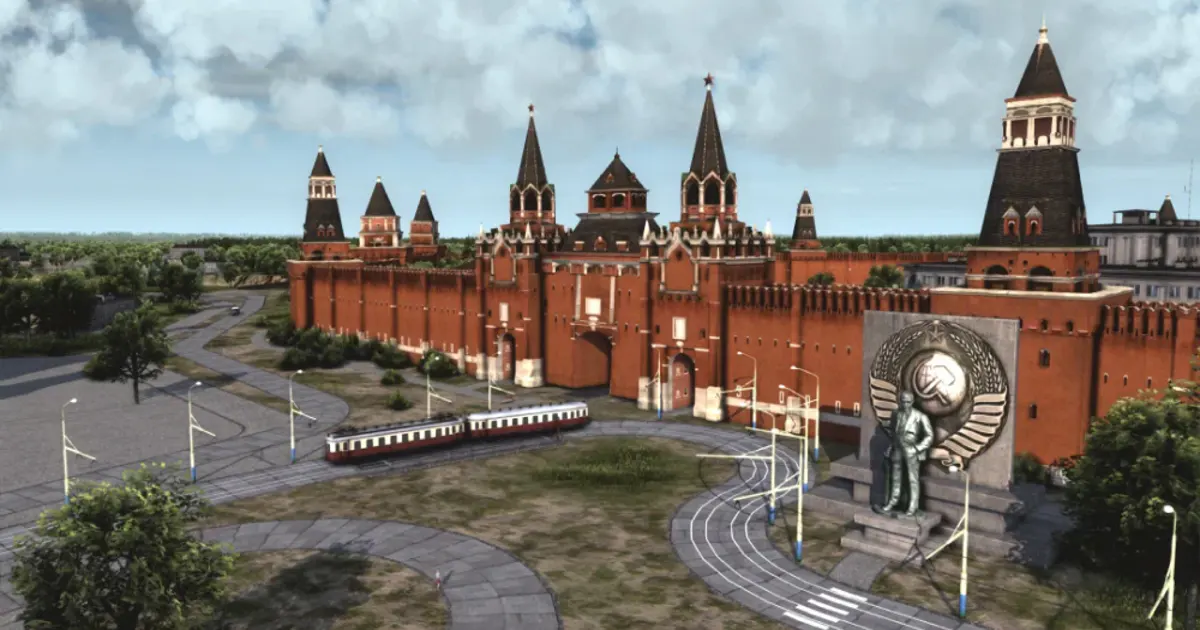
Workers & Resources: Soviet Republic dives deeper than most city builders. It's not enough to just place a power plant or store-you must set up entire supply chains.
Electricity must be produced and distributed, fuel delivered to stations, workers transported to factories, and construction materials can be made and shipped by truck or rail. The city becomes a vast mechanism where transport, industry, and citizens are tightly linked.
Poorly placed factories cause logistical bottlenecks, a bus shortage can halt production, and a suboptimal rail line can cripple your economy. The learning curve is steeper than Cities: Skylines, but it's ideal for players seeking maximum depth in city, economy, and logistics simulation.
Cities: Skylines - The Classic, Content-Rich Alternative
The original Cities: Skylines remains an excellent choice for those wanting a familiar, well-developed ecosystem. The core loop is the same: start with a plot of land, build roads, zone areas, and grow your settlement into a metropolis. New transport types, services, and complex traffic problems arise as your city expands.
What makes this version stand out is its massive library of expansions and mods. You can tweak roads, transit, buildings, maps, and mechanics, essentially building your own custom city simulator. For fans of classic city builders with tons of content and modding options, the first Cities: Skylines is still a top pick.
City-Builders with Deep Economic Systems
Not all city builders focus on street layouts. In economic city-building strategies, production, trade, and supply chains are everything. A beautiful city can quickly run into trouble if factories lack materials, warehouses overflow, or citizens can't get what they need.
Anno 117: Pax Romana - Building the Roman Empire
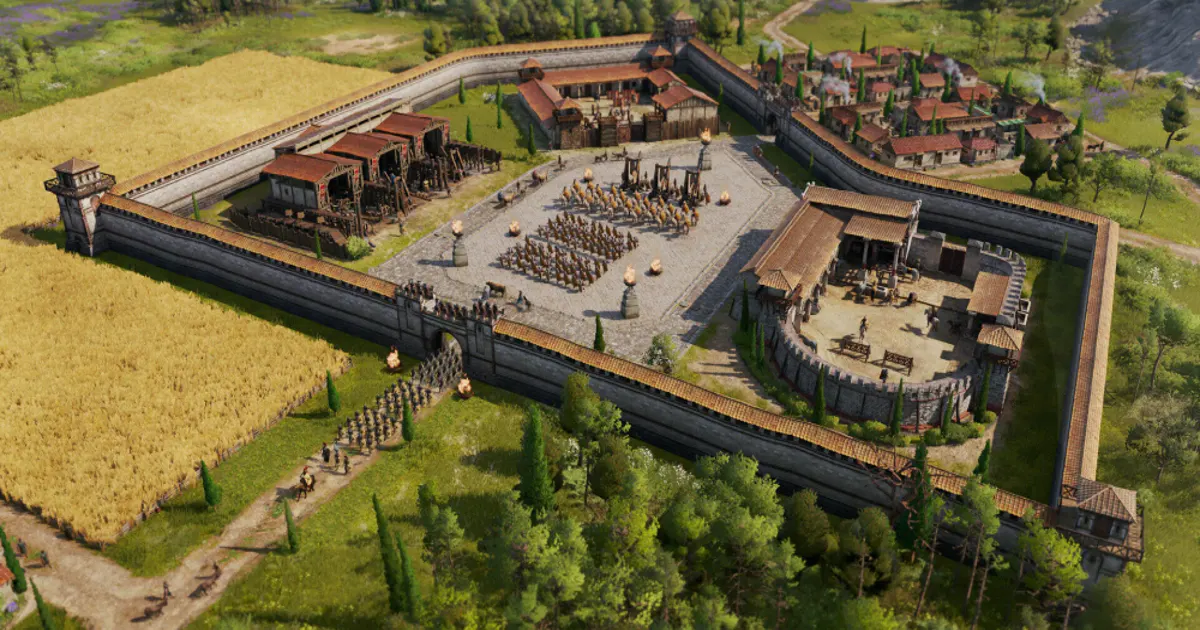
Anno 117 brings the series' iconic formula to the Roman Empire. Instead of modern roads and skyscrapers, you'll grow ancient settlements, supply citizens, and transform small towns into major economic centers.
The heart of the game is production chains: to meet a single need, you might need to extract raw materials, process them elsewhere, and finally deliver goods to the people. Higher population levels require even more complex chains.
Trade and resource distribution between regions are crucial. Not every area can produce everything, so you'll need specialized towns and efficient trade routes. Anno 117 is perfect for those who want to blend beautiful city-building with managing a vast economic system.
Anno 1800 - Industry, Trade, and Expansive Cities
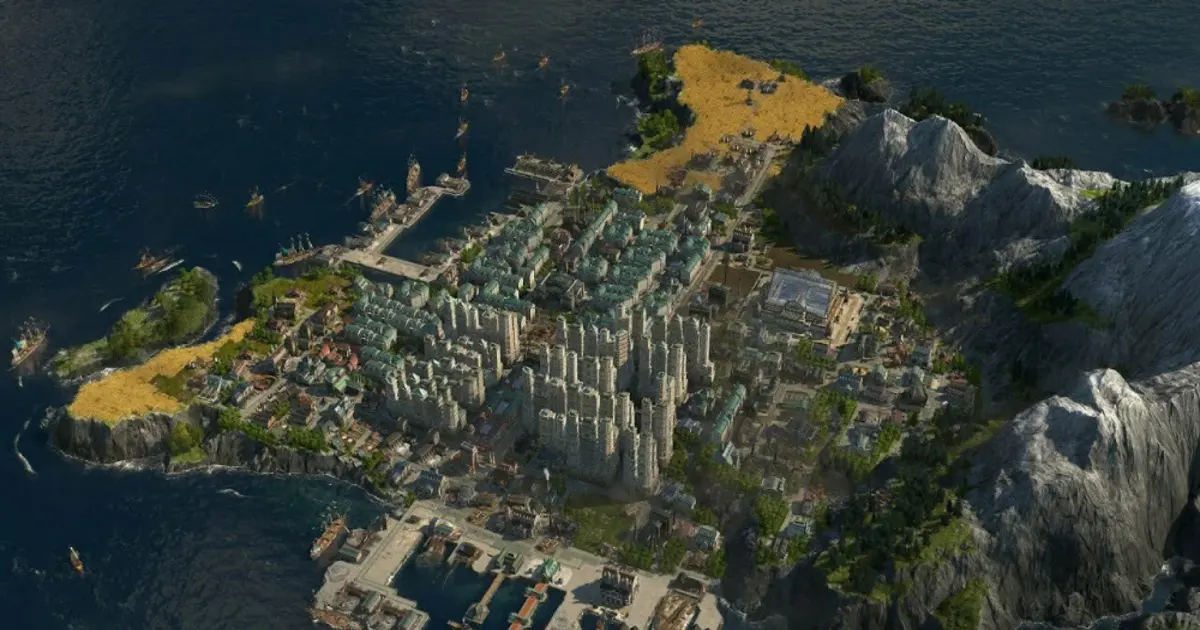
Anno 1800 offers a similar approach but sets you in the Industrial Revolution. Start with a small village and grow it into a bustling industrial city with factories, ports, railroads, and a complex trading system.
Each population group has unique needs. Workers want certain goods; engineers need others. To meet these demands, you'll extend production chains, extract resources, process them, and deliver finished products to consumers.
Eventually, you'll outgrow a single island. Since resources are scattered, you must build a network of settlements, moving goods by ship between regions. Anno 1800 is a dream for strategy fans who love optimizing factories, logistics, and trade routes.
Tropico 6 - City-Building Meets State Management
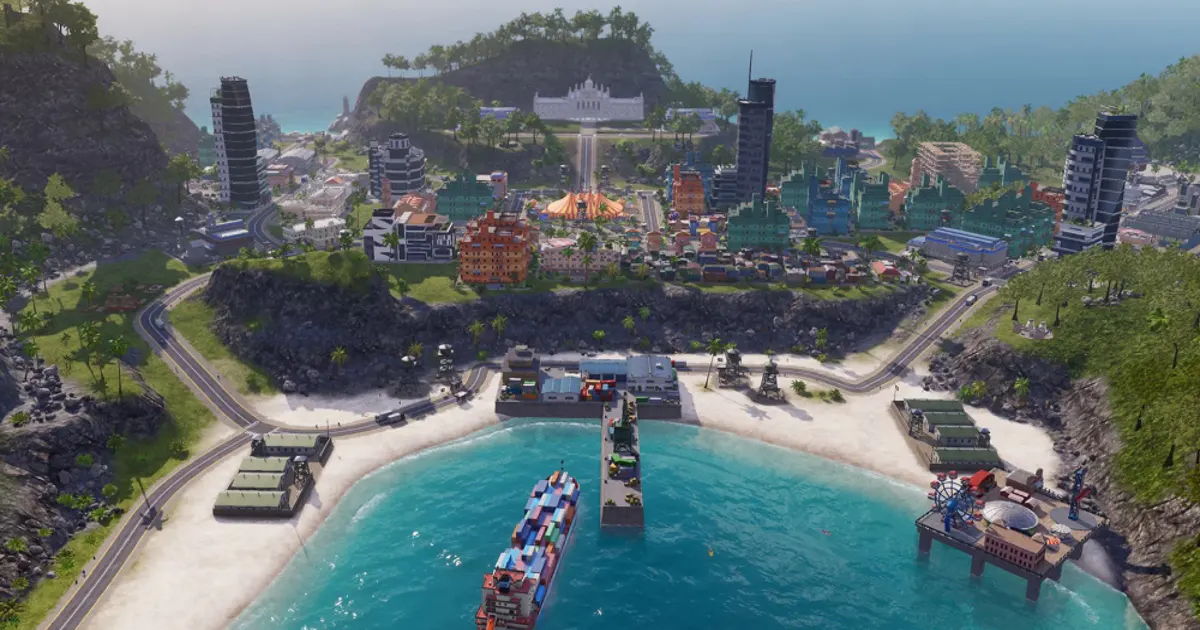
Tropico 6 is lighter in tone, but beneath its colorful, satirical shell lies a robust economic strategy. You're the leader of an island nation: build homes, businesses, farms, power plants, tourist sites, and transport infrastructure.
The economy heavily depends on exports, so you must efficiently produce and ship goods to the port. Citizens have political views, needs, and quality-of-life demands-ignoring housing, health, or entertainment quickly affects their attitude toward your rule.
Tropico 6 strikes a balance between classic city-building and political-economic simulation. Easier to learn than Workers & Resources, it still offers much more state management than a standard city builder.
City-Builders Where Survival Is Key
Some city-building strategies turn urban development into a constant fight for resources. Here, it's not enough to design pretty blocks and transit-you must manage food, fuel, harsh climates, disease, and other threats.
Frostpunk 2 - Surviving an Endless Winter
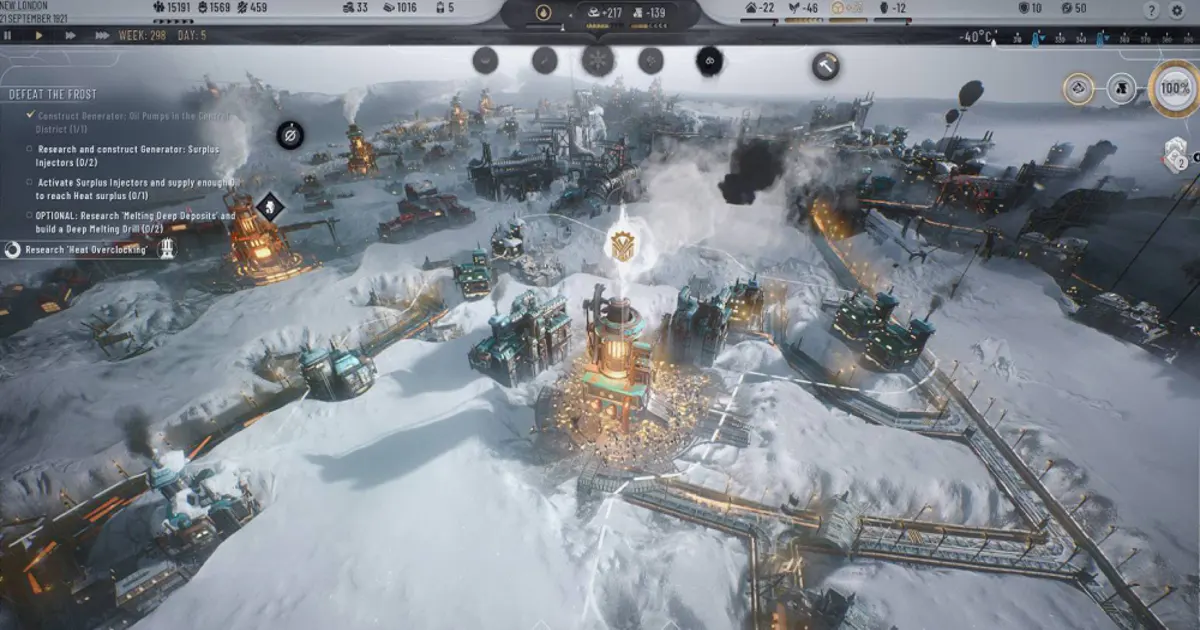
Frostpunk 2 stands apart from traditional city builders. Your city exists in a world gripped by extreme cold, so almost every decision involves scarce resources and survival.
You'll grow a large city divided into specialized districts-some focused on resource extraction, others on housing, production, or heating. Balancing the needs of each district is crucial as you expand.
Politics add extra complexity. Multiple factions have their own visions for society's future, and economic choices can spark unrest. Managing your city becomes a mix of urban planning and political simulation. Choose Frostpunk 2 if you're drawn to tough choices and survival rather than free-form city creation.
Farthest Frontier - From Village to Fortress
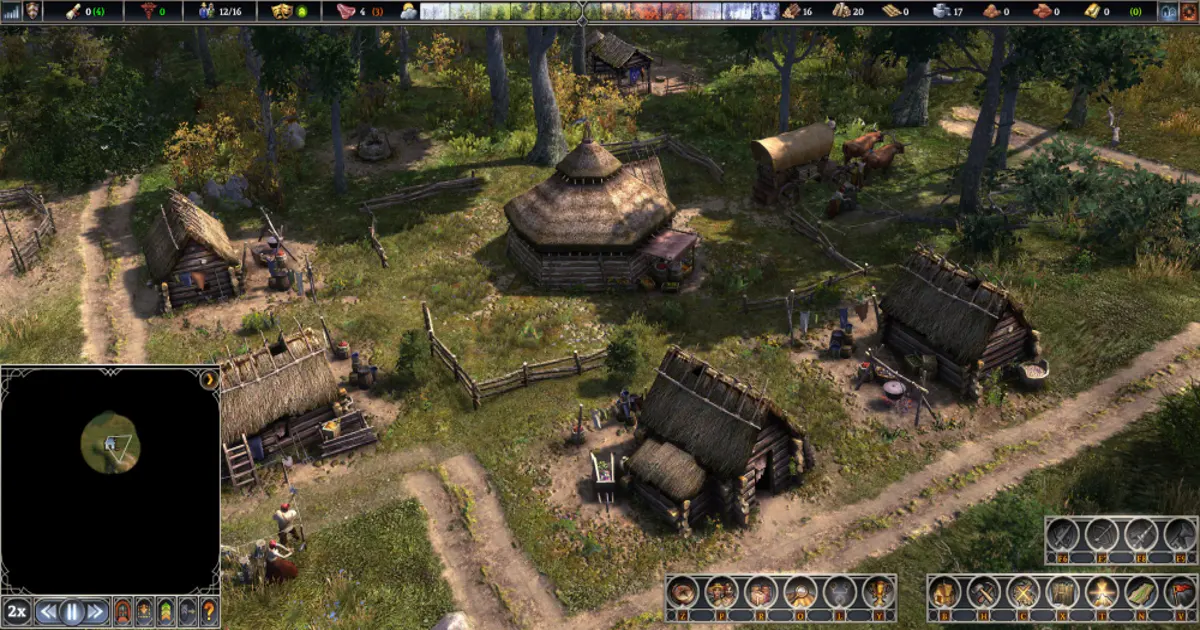
Farthest Frontier starts peacefully, with settlers founding a village in untouched wilderness. But it quickly becomes clear that every new building demands a carefully planned supply system. Residents need food, firewood, clothing, tools, and housing. Food can spoil, harvests depend on field conditions, and poorly organized production leads to shortages.
City location matters: forests provide timber, fertile land supports agriculture, and mineral deposits enable industry. The map shapes not just your settlement's look but its entire economy. Over time, your small village can become a fortified town, but external threats-disease, food shortages, raids-force you to stockpile resources and carefully plan ahead.
Manor Lords - Medieval Cities Without Grids
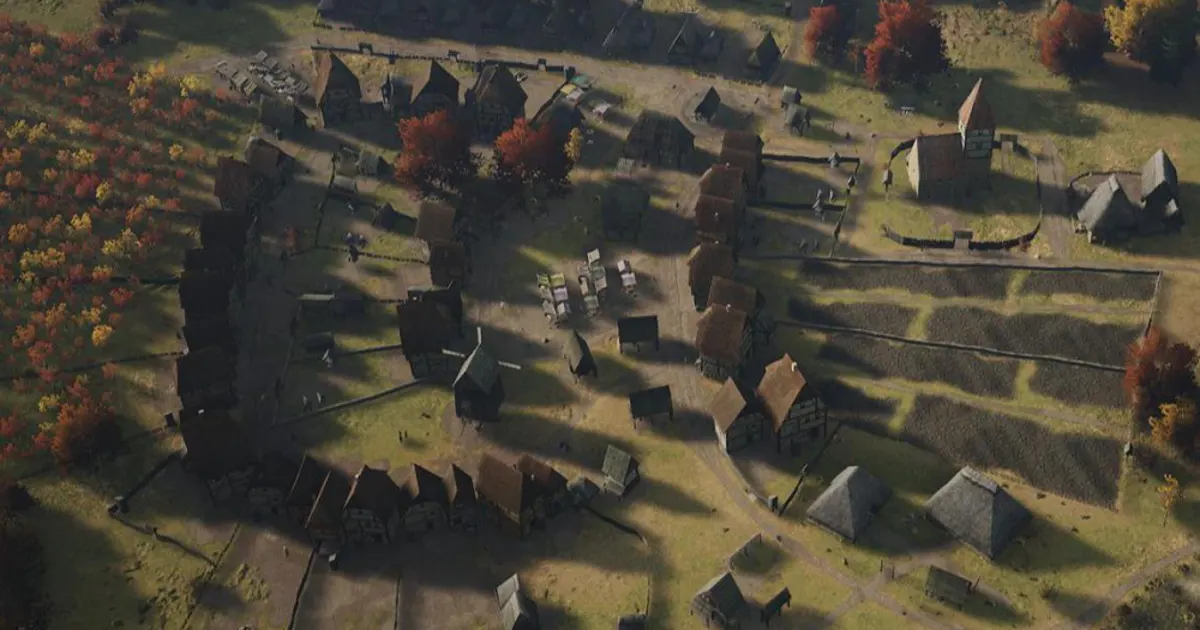
Manor Lords is notable for its open-ended construction. Instead of rigid grids, you draw roads by hand, and plots and buildings organically form a medieval town. Development starts with a small settlement: residents need homes, food, and fuel, then workshops and more complex production chains.
You can assign families to different roles and use space near homes for gardens or craft production. The economy is tied to available resources and seasons-you'll need to gather wood, grow food, establish storage, and ensure goods reach where they're needed. Manor Lords also includes territory expansion and real-time battles, blending city-building with real-time strategy.
Cozy & Unique City-Building Games
Not everyone wants to wrestle with traffic, taxes, and dozens of production chains. Some city builders focus on atmosphere, unusual mechanics, and a slower pace, while still delivering a rewarding settlement-building experience.
Timberborn - Beavers, Water, and Vertical Cities
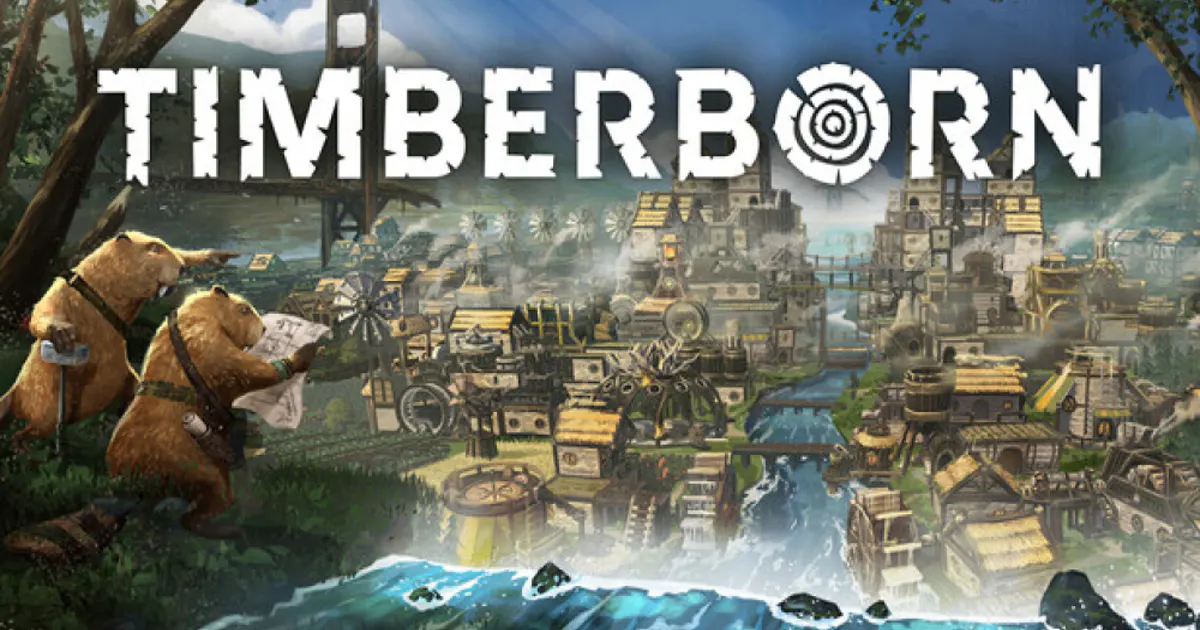
Timberborn stands out for its premise: after humanity disappears, intelligent beavers build settlements in a world plagued by drought. Water is the main resource-you construct dams, canals, and reservoirs, alter river flows, and must store enough for the dry season. Without good water management, fields dry up, factories stall, and your population suffers.
Another feature is vertical building: you can stack structures, link them with platforms and bridges, turning even small areas into multi-level cities. Unlike many city builders, Timberborn doesn't constantly throw disasters at you-once systems are set up, you can focus on improvements and simply enjoy watching your beaver colony thrive.
Foundation - Organic Medieval Cities
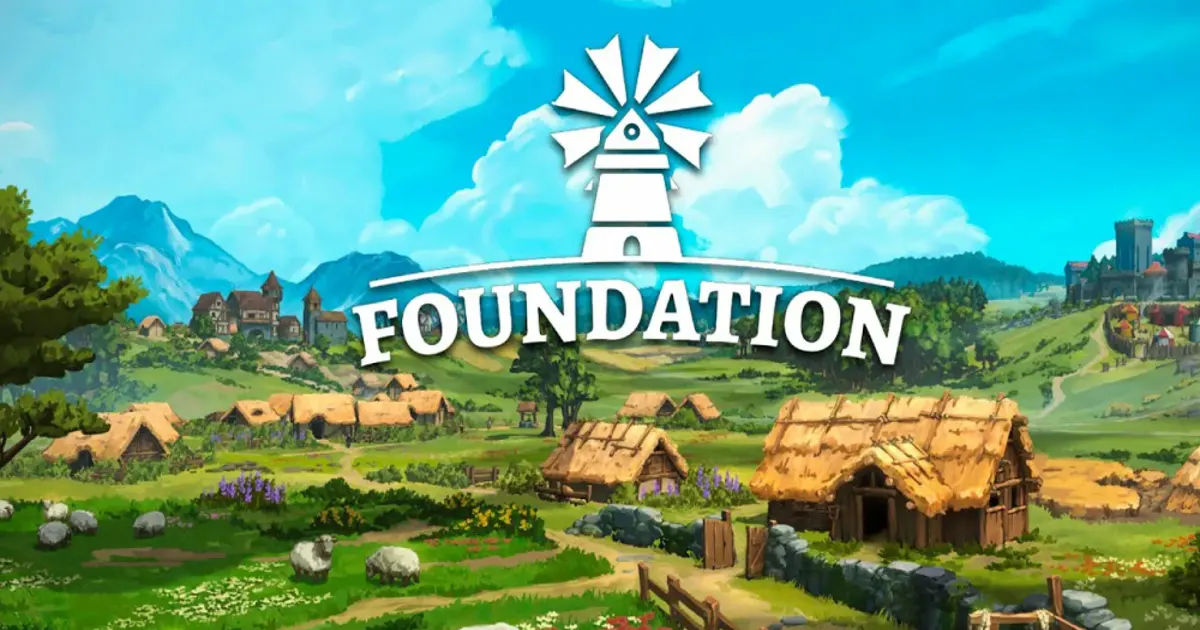
Foundation offers a different take-you designate zones, and villagers organically build around roads and key structures. Cities look natural, with roads forming along common paths and buildings clustering realistically instead of on strict grids.
The economic side revolves around resource gathering, production, and population growth. New professions, buildings, and options unlock as you expand, but the game rarely demands the precision of hardcore builders like Workers & Resources or Anno. Foundation is perfect for those who enjoy watching a small village organically blossom into a living city.
If you're looking for relaxing games without the pressure of maximizing efficiency, check out our selection of the best cozy PC games for relaxation.
Fabledom - A Whimsical Fairy-Tale Kingdom
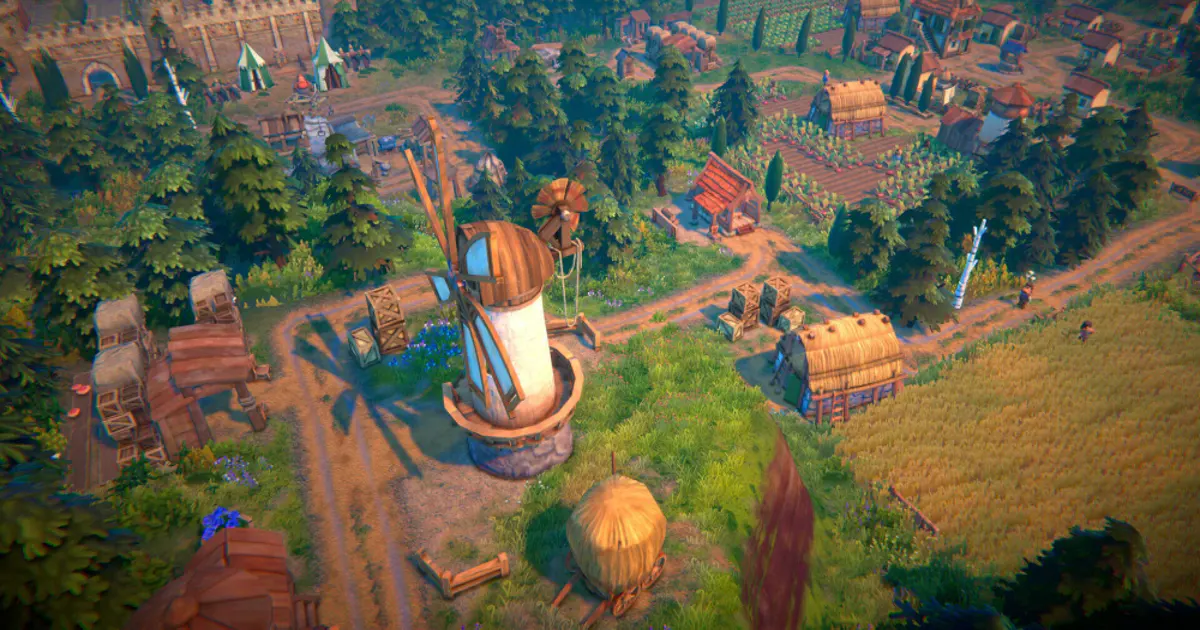
Fabledom is even more laid-back. Start with a tiny fairy-tale village, build houses, farms, and workshops, supply your people, and gradually shape your own kingdom. The economy is much simpler than in hardcore city builders, focusing on town growth, quests, and beautiful design-so you can master the basics quickly.
Beyond construction, you'll explore the surroundings, dabble in diplomacy, and build relationships with neighboring kingdoms. But these elements complement, rather than complicate, the game's relaxed city development. Fabledom is great for newcomers or anyone wanting a city builder without the stress of constant micromanagement-here, expanding your kingdom and enjoying the building process take center stage.
Which City-Building Strategy Should You Choose?
Your choice depends on your preferred management style. Some city builders focus on infrastructure and roads, others on production chains, survival, or relaxed growth of a small settlement.
| Game | Main Focus | Difficulty | Scale | Best For |
|---|---|---|---|---|
| Cities: Skylines II | Roads, transport, infrastructure | High | Metropolis | Modern city fans |
| Workers & Resources: Soviet Republic | Economy, industry, logistics | Very high | Large city & region | Those seeking deep simulation |
| Cities: Skylines | Classic city building & mods | Medium | Metropolis | Classic city builder fans |
| Anno 117: Pax Romana | Production & trade | Medium | Multiple cities | Historic economic strategy fans |
| Anno 1800 | Complex production chains | High | Cities & islands | Economy optimization fans |
| Tropico 6 | Economics & state management | Medium | Island cities | Those wanting a lighter strategy |
| Frostpunk 2 | Survival & society management | High | Large city | Fans of tough choices |
| Farthest Frontier | Resources & settlement growth | Medium/High | Settlement & city | Survival fans |
| Manor Lords | Medieval economy & freeform building | Medium | Settlement | Fans of historic atmosphere |
| Timberborn | Water management & unique architecture | Medium | Settlement | Those seeking something different |
| Foundation | Organic city-building | Medium | Medieval city | Relaxed city growth fans |
| Fabledom | Simple, cozy building | Low/Medium | Small kingdom | Beginners |
If your main interest is building a modern megacity with roads, traffic, and public transport, Cities: Skylines II should be your first stop. The original Cities: Skylines is a great alternative if you value mods and a huge base of content.
For deeper economic challenges, Workers & Resources and the Anno series are top picks. Workers & Resources requires hands-on management of nearly your entire infrastructure, while Anno focuses on production, trade, and population growth.
Frostpunk 2 and Farthest Frontier add the challenge of external threats-your city must be efficient and resilient to resource shortages, climate, or crises.
If you'd rather not constantly optimize transport or production efficiency, Timberborn, Foundation, or Fabledom are more relaxed, letting you focus on creative building and experimentation.
For older PCs, choose less demanding games from previous years or those with smaller settlement scales. Modern megacity simulators can be CPU-intensive as your population grows, since your computer must simulate transport, citizens, economy, and city services all at once.
Conclusion
City-building strategy games on PC offer much more than just constructing large cities. Cities: Skylines II focuses on modern infrastructure and transport, Workers & Resources on deep economic simulation, Anno on production and trade, and Frostpunk 2 turns city management into a constant struggle for resources and social stability.
If atmosphere and organic settlement growth matter most to you, Manor Lords, Timberborn, Foundation, or Fabledom are great choices. These games let you focus less on maximum efficiency and more on city layout, aesthetics, and gradual expansion.
Ultimately, the best game isn't about map size or building count, but about which gameplay process excites you. For huge metropolises and intricate transport, pick classic simulators; for optimization, look to economic strategies; and for peaceful evenings, choose cozy city builders with small, charming settlements.
Tags:
Similar Articles