The Best Space Games for PC: Explore, Build, Survive, and Conquer the Galaxy
Dive into the universe of PC space games, from open-world exploration and starship building to epic strategy and story-driven RPGs. Discover top titles like No Man's Sky, Elite Dangerous, Space Engineers, Mass Effect, and Stellaris, and find the perfect space adventure for your playstyle.

Space games for PC offer a truly diverse range of experiences. In some, you can freely pilot your ship to an unknown planet; in others, you'll spend hours designing your own starship, trading between systems, or managing an entire interstellar civilization.
That's why there's no such thing as a universal "space game." No Man's Sky focuses on open-ended exploration of a vast universe, Elite Dangerous delivers deep ship piloting and space simulation, Space Engineers is all about creative building, while Mass Effect stands out for its story and characters. Below, we'll review top PC space games with different approaches and help you find the one that suits you best.
Open World Space Games and Galaxy Exploration
If you want to blaze your own trail-choosing the next planet or system to visit-look for games with open space exploration. The main draw here is the feeling of adventure: you get a ship, a vast world, and enough freedom to decide where to go and what to do.
No Man's Sky - A Vast Procedurally Generated Universe
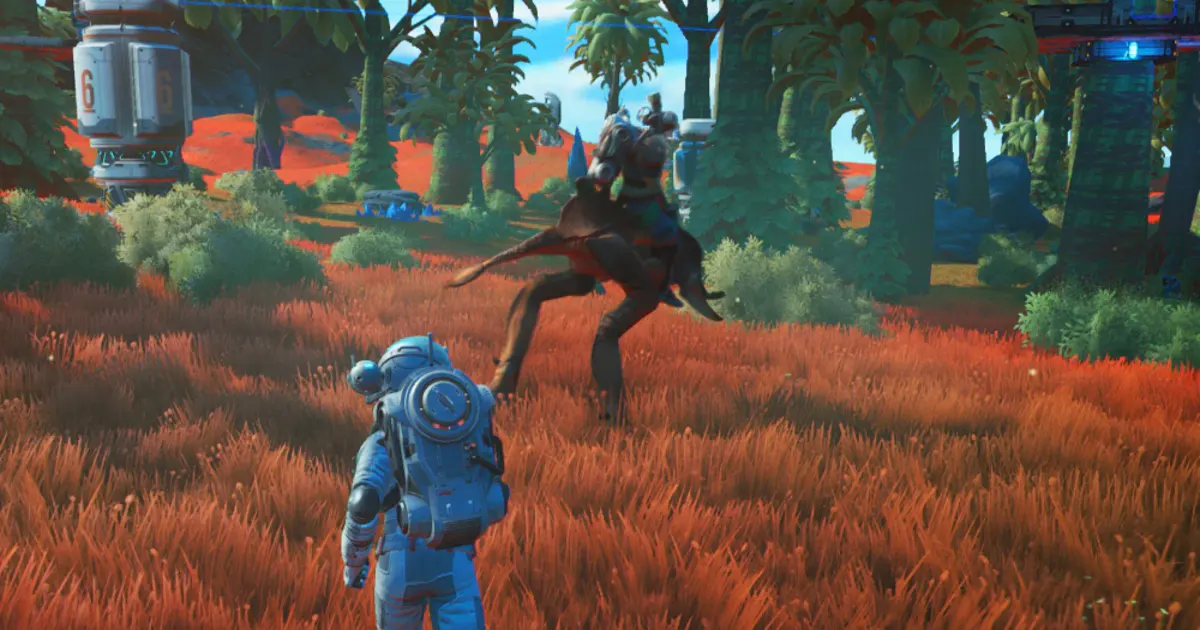
No Man's Sky remains one of the top choices for those seeking pure space exploration. The core concept centers on traveling through a procedurally generated galaxy filled with planets, creatures, resources, and diverse biomes.
One standout feature is seamless movement between planet surfaces and outer space. You can lift off from your base, exit the atmosphere, pick another planet, and set course in your own ship. The universe is fully open-every star is a system you can reach.
But exploration isn't all there is. You can mine resources, upgrade equipment and ships, build bases, trade, engage in space battles, and play cooperatively. Over time, No Man's Sky has evolved from a simple planet-hopping adventure into a giant sandbox, letting you set your own goals.
Procedural generation does have a downside: after dozens of hours, some planets and activities may start to feel familiar, even if technically unique. So No Man's Sky is best for those who love the journey itself-discovering new places and gradually developing their own space enterprise.
Starfield - Space RPG with Planetary Exploration
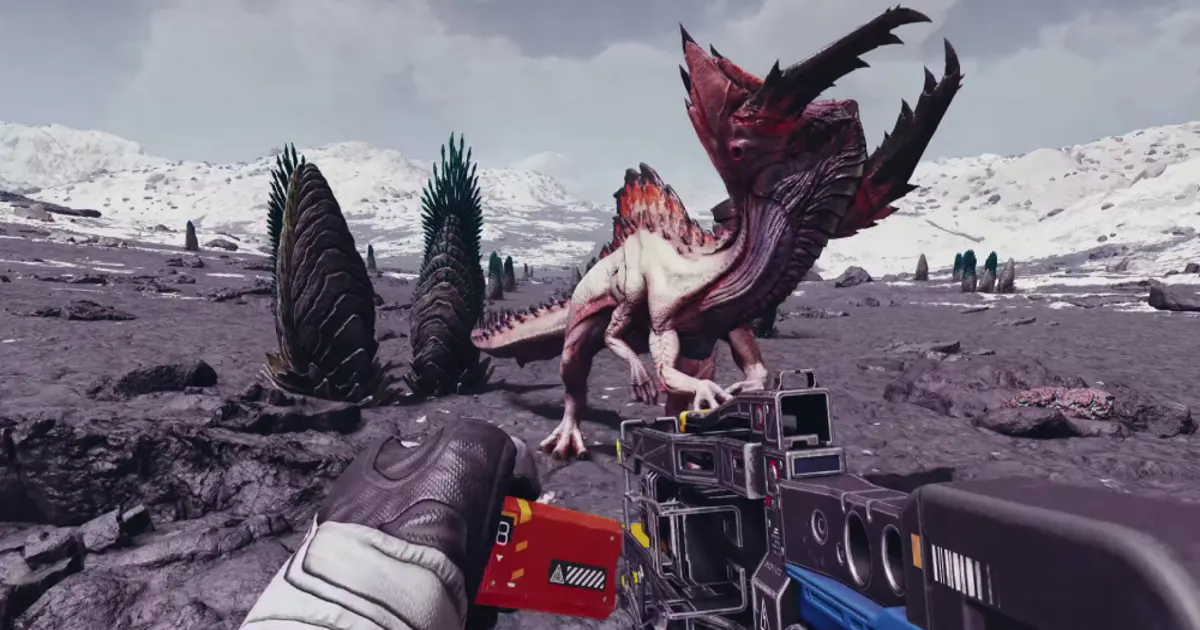
Starfield takes a different approach. It's primarily a large Bethesda RPG set in a sci-fi universe, with space linking cities, planets, quests, and factions.
You create a character, pick their traits, complete main and side quests, gather gear, and build your crew. There are over a thousand planets to explore: seek resources, study flora and fauna, or build outposts.
Your own ship is a key element. You can modify it, change weapons and shields, assign crew members, use it in space battles, and even capture enemy vessels.
Don't expect Starfield to be a direct replacement for No Man's Sky or Elite Dangerous. There's less of a continuous flight experience-the journey is broken up between specific locations. However, there's much greater focus on dialogue, quests, characters, and RPG mechanics.
Choose Starfield if you want a sprawling role-playing game about life among the stars, rather than just a pilot simulator.
Outer Wilds - Exploration for the Sake of Discovery

Outer Wilds is smaller than most games on this list, but uses cosmic exploration in a uniquely creative way. Instead of an endless galaxy, you get a compact star system where every object is tied to an overarching mystery.
The core mechanic is a time loop: after a set interval, the cycle resets, but your knowledge persists. Steam describes Outer Wilds as an open world adventure about a solar system trapped in an infinite time loop.
There's little in the way of traditional progression-no levels or expensive gear unlocking new areas. Information is your main resource. By investigating ruins, strange planets, and signals, you gradually piece together how the system works and unlock new possibilities.
Planets change during each cycle: sand fills cities, surfaces collapse, and certain places become accessible only at specific moments.
Outer Wilds is perfect for those who value the thrill of the unknown and true discovery over economy, base-building, or constant ship upgrades. It's a meticulously designed system meant for gradual understanding.
Space Simulators and Ship-Focused Games
Space ship games differ from typical adventures by making the ship itself a central gameplay element. You'll manage equipment, jump range, weapons, cargo, master controls, and eventually acquire or build more powerful vessels.
Some PC space sims aim to capture the scale and complexity of real interstellar travel; others emphasize economy or fast-paced combat. That's why even visually similar games like Elite Dangerous, X4: Foundations, and EVERSPACE 2 offer entirely different experiences.
Elite Dangerous - Massive-Scale Space Simulator
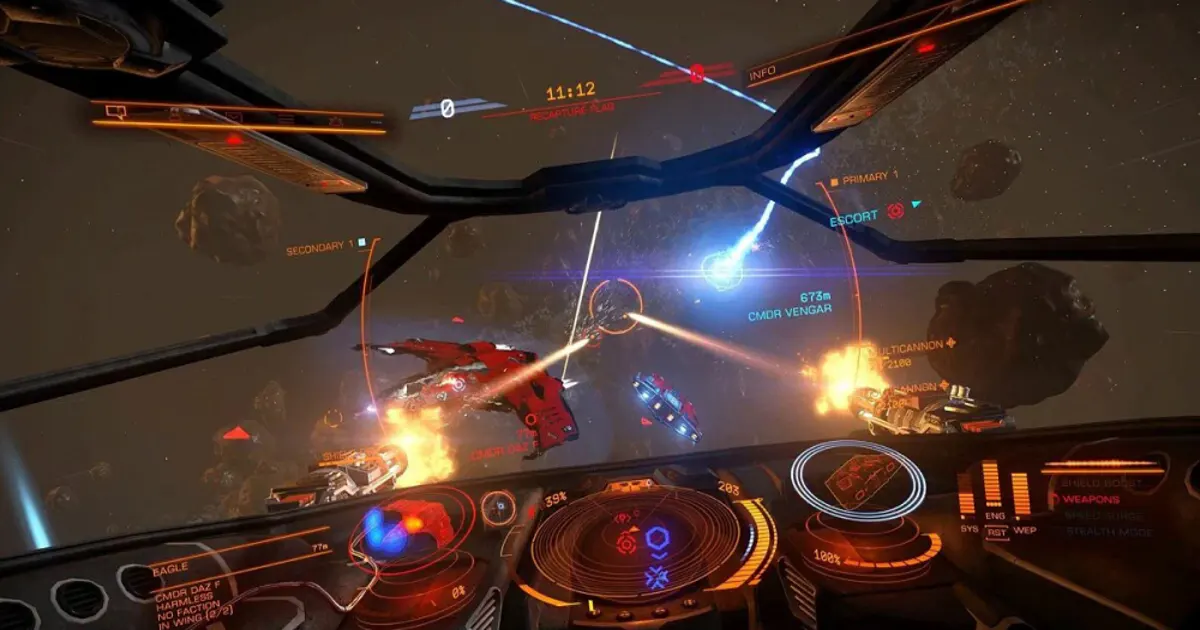
Elite Dangerous captures the vastness of space like no other. The in-game Milky Way is built to 1:1 scale, featuring about 400 billion star systems, generated using real astronomical data and Stellar Forge technology.
You start with a modest ship and pick your own path: haul cargo between stations, mine asteroids, hunt criminals, fight, or kit out your ship for deep exploration.
Controls are more complex than most space games. You need to learn flight, landing, navigation, power management, and the details of each module. Even ship choice is task-dependent: some are better for trade, others for combat or exploration.
The sheer scale of Elite Dangerous is most felt during long-range expeditions. Beyond populated systems, you can spend ages in near-total solitude, scanning stars and planets far from civilized space.
The game continues to expand, with features like System Colonisation letting players help settle and develop new systems.
Elite Dangerous is ideal for those who want to truly feel like a starship pilot and are ready for a challenging learning curve. Compared to No Man's Sky, there's less sandbox action on planet surfaces, but a much stronger sense of flight and vast distances between stars.
X4: Foundations - From Single Ship to Empire
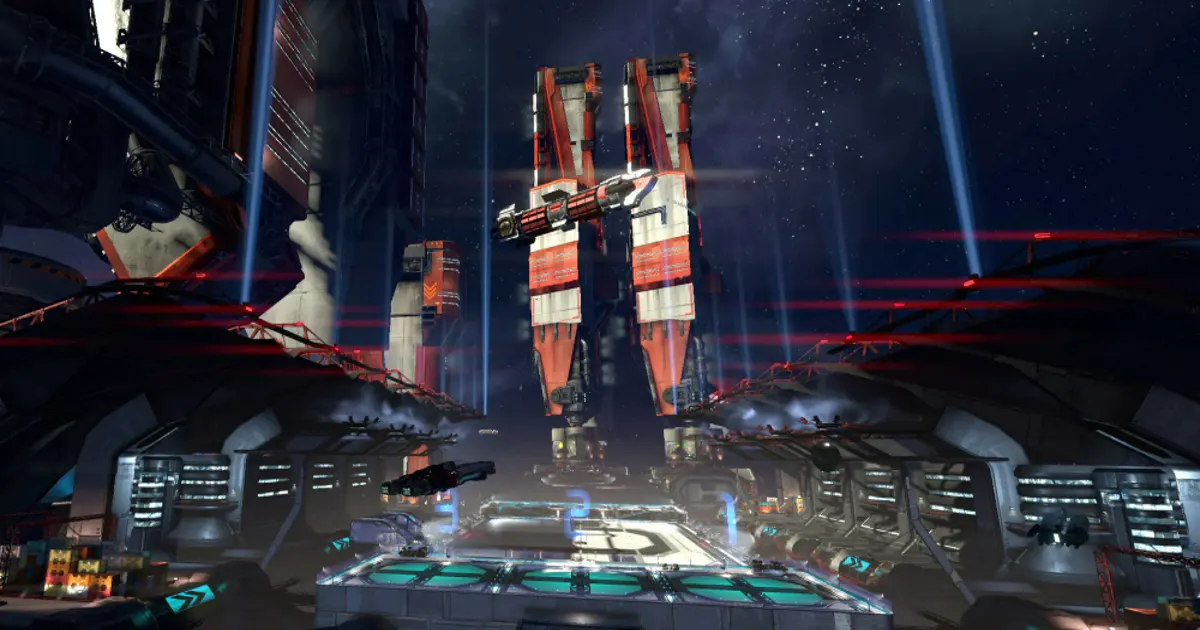
X4: Foundations starts out like a classic space ship game but can grow into an economic strategy. Early on, you'll fly solo, trade, and do missions; much later, you'll command fleets, factories, and a network of space stations.
Ships range from small scouts to battleships and carriers. You can fly them directly or issue commands via a strategic map. As you progress, a handful of ships can develop into full fleets.
One of X4's core features is its economy. Resources are mined, transported to factories, turned into components, and used to produce equipment and ships. You can participate as a trader or build your own industrial infrastructure.
Stations are assembled manually from modules. A small factory can expand into a massive industrial complex supplying your fleet or trading with other factions. The world is dynamic-factions build stations, grow, and respond to economic and military events.
Because of its scale, X4 is harder to master than most PC space games. You'll need to handle ship controls, production, trade routes, personnel, stations, and fleet behavior.
X4 is perfect for players who enjoy gradually progressing from a single ship to running their own space empire. The game is still receiving major updates, like the 9.00 Empire Update in June 2026, which revamped combat, fleet management, and economic systems.
EVERSPACE 2 - Fast-Paced Space Combat and Exploration
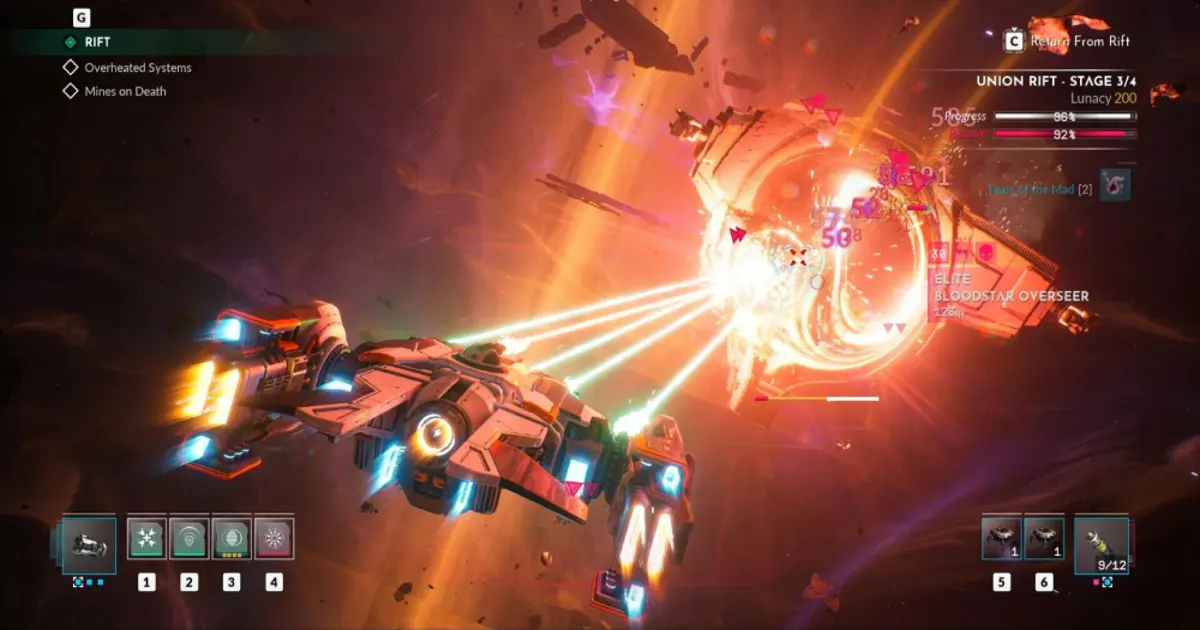
EVERSPACE 2 looks like a space sim, but the developers call it a single-player action RPG with looter-shooter elements, where realism gives way to fast combat, exploration, and constant upgrades.
Instead of countless procedural systems, EVERSPACE 2 features a handcrafted open world. The base game offers over 100 locations in six star systems to explore as you progress through the story and side missions.
Most of your time is spent piloting your ship. Combat involves maneuvering around asteroids and structures, dodging attacks, using a variety of weapons, and shifting positions quickly. Fights feel much closer to dynamic space shooters than slow simulators.
Progression is tied to new ships and gear. You can swap weapons, devices, and modules, select abilities, and build a setup to match your style. Beyond battles, you'll mine resources, explore hidden areas, solve puzzles, and craft upgrades.
EVERSPACE 2 is great for those who love the idea of exploring in their own ship but don't want to spend hours mastering complex controls. Here, you can jump right into action and exploration, making it much more accessible than Elite Dangerous or X4: Foundations.
Building Spaceships, Bases, and Surviving in Space
Not every space game hands you a finished ship. Sometimes you have to build it block by block-designing engines, power, weapons, cargo bays, and interiors. In these games, construction itself can take as much time as galaxy exploration.
This approach shines in sandbox games, where your creation is both your transport, your base, and your main survival tool.
Space Engineers - The Ultimate Spaceship Builder
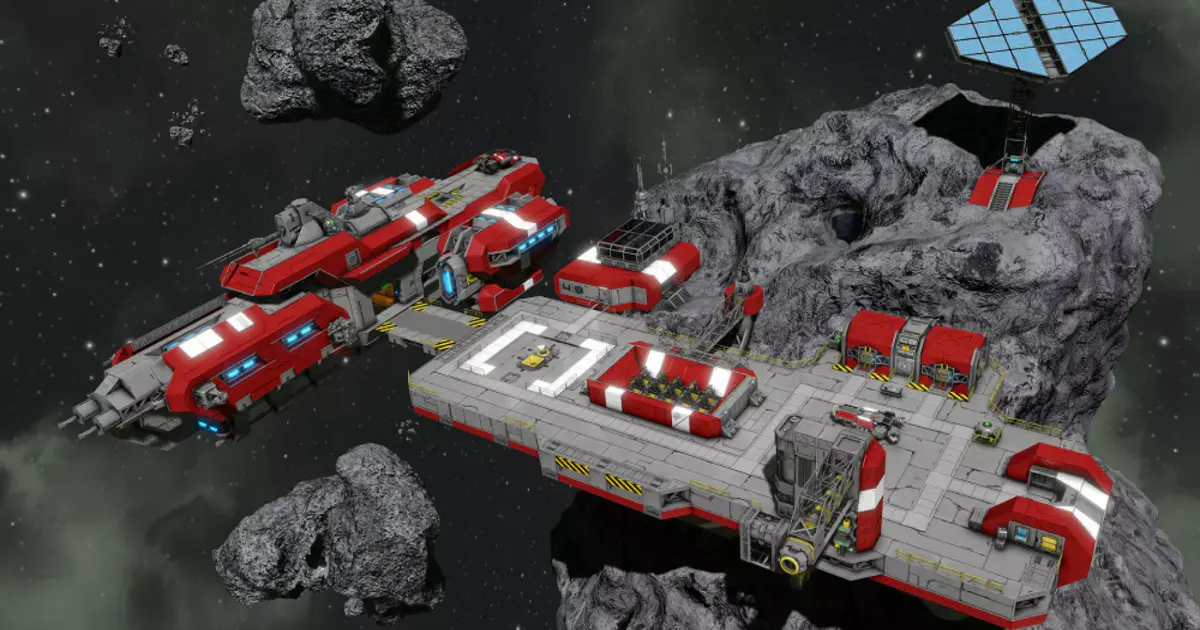
Space Engineers is built entirely around engineering and construction. You can create small scout ships, heavy vessels, ground vehicles, orbital stations, and full-scale planetary bases. The developers describe it as an open sandbox about building, exploration, and survival in space and on planets.
Ships are assembled from individual functional blocks. You'll need engines and power for flight, drills and cargo holds for resource gathering, and refining and assembly modules for manufacturing. More advanced designs use pistons, rotors, programmable blocks, automated turrets, and other systems. There are over 200 functional block types in the game.
Physics directly influences outcomes. Objects have mass and inertia, designs can be damaged or destroyed, and you can mine and reshape asteroid and planetary surfaces. Poorly designed ships might be too heavy, unwieldy, or fall apart after a crash landing.
In Survival mode, you must mine ore, process it, and manufacture components. Big ships become long-term projects, requiring industrial bases and resource chains.
There's also Creative Mode with unlimited resources for pure building. The blueprint system and Steam Workshop let you save your designs or use community creations.
Space Engineers is for players who want a deep, technical spaceship builder and enjoy solving engineering challenges. There is exploration, but the main motivation is often building ever more complex machines.
Avorion - Ship Construction and Empire Building
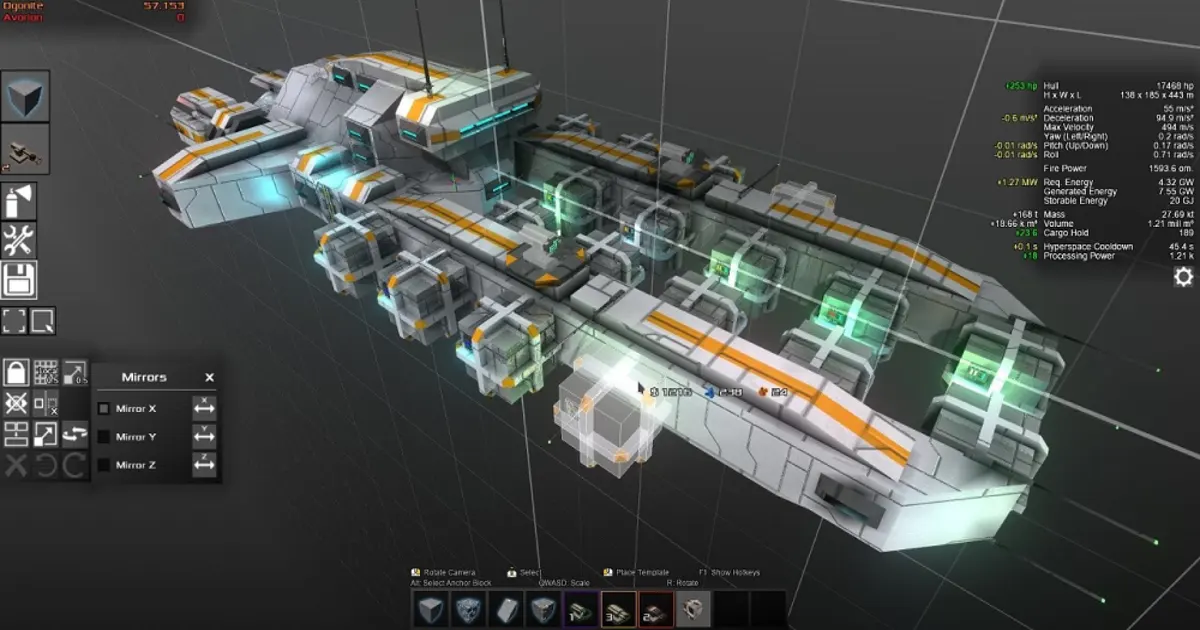
Avorion blends ship building, procedural galaxy exploration, economy, and space battles. You start on the galaxy's edge and work toward its center, where rarer materials and tougher enemies await.
Ships are assembled from blocks, but the system differs from Space Engineers. You can freely resize components, making it easier to customize hull shapes and interiors for specific roles-build a scout, a freighter, or a massive battleship with heavy weapons.
As you unlock new materials, you can construct more advanced ships. You'll also develop weapons, cargo bays, energy systems, and more. Damage matters: ships can break apart exactly where they're hit.
But your journey doesn't stop at one ship. You can hire captains, build more vessels, and assemble your own fleet. Eventually, you'll run mines, factories, and stations, trading resources and gradually forming a full-fledged industrial empire.
Trading can be a career of its own. Cargo ships move goods between systems, businesses produce resources and interact with NPC traders. Or, you can choose piracy, bounty hunting, or waging war between factions.
Avorion sits between Space Engineers and X4: Foundations-offering free-form ship design from the former, with the economy, fleets, and empire-building of the latter.
Empyrion: Galactic Survival - Survive and Build in Space
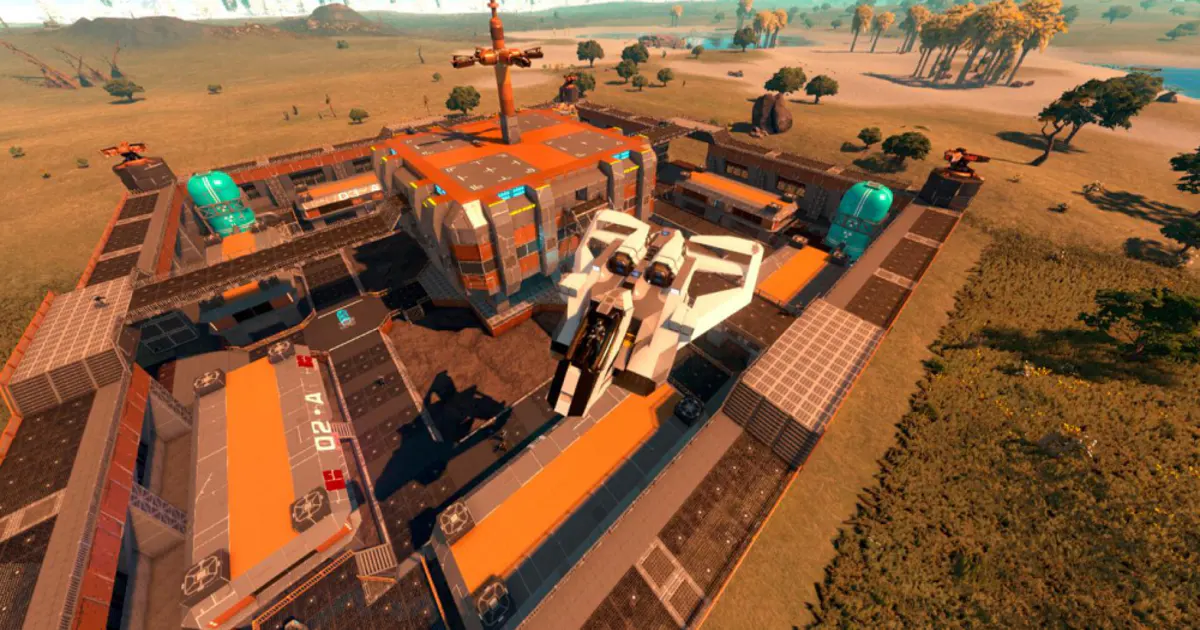
Empyrion: Galactic Survival puts more emphasis on survival than any other game in this section. You explore a procedurally generated galaxy, travel between planets, gather resources, craft gear, and face dangers both on planets and in space.
The construction system lets you build small spacecraft, large ships, orbital stations, and planetary bases. Large ships can become mobile homes for long interstellar journeys.
You'll need to find construction resources on planets and asteroids, all while managing food, oxygen, the environment, and hazards. Planets vary in climate, gravity, atmosphere, and resources, so landing on a new world takes planning.
For example, some planets have high radiation or acid rain; others have intense gravity. Your ship becomes not just transport but a secure base with supplies, production, and expedition gear.
Empyrion is ideal for players who want more survival gameplay than Space Engineers. Here, building, planet exploration, resource gathering, combat, and survival are all closely intertwined-creating a unique blend of space sandbox and classic survival.
Space RPGs & Strategy: More Than Just One Ship
Space doesn't have to be all about piloting. Some games use the cosmos as a backdrop for sweeping stories, while others let you control an entire interstellar nation.
This is perfect for those interested in characters, diplomacy, civilization management, or massive wars-not just interplanetary travel.
Mass Effect Legendary Edition - Story-Driven Space RPG
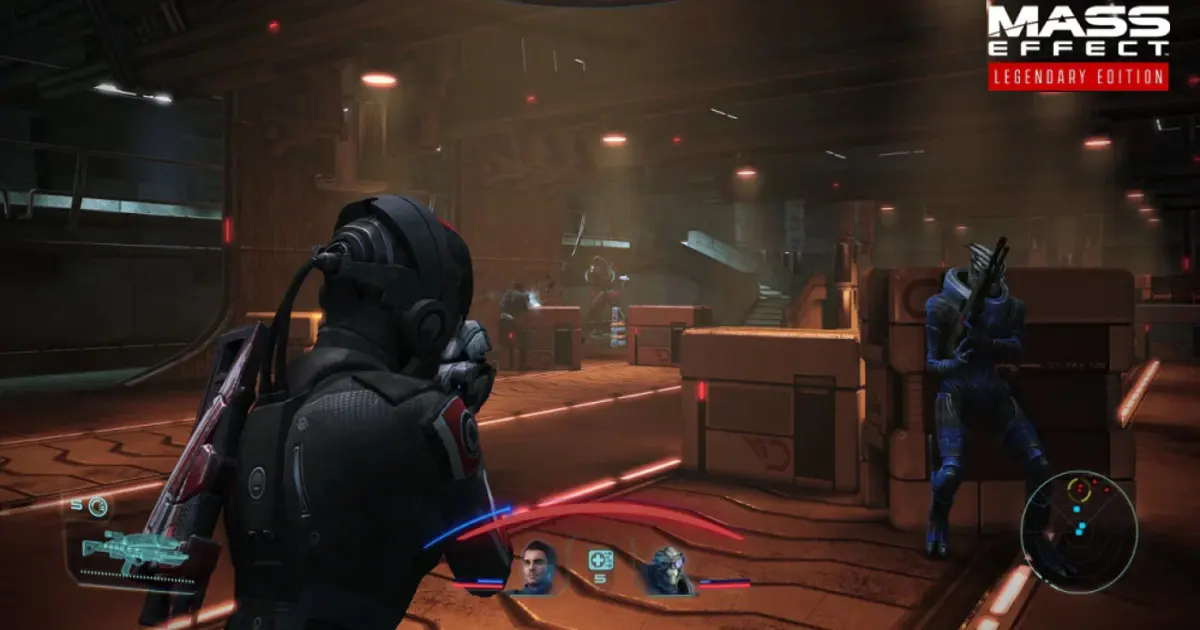
Mass Effect Legendary Edition is quite different from most games here. You can't build your own ship or freely fly across the galaxy. Instead, you get a cinematic RPG where space travel is the foundation for a story about civilizations, politics, war, and relationships.
This edition unites Mass Effect 1, 2, and 3 with over 40 DLCs, all remastered for modern systems. Your choices carry over across the trilogy.
You play as Commander Shepard, customizing appearance, class, and traits. With your squad, you travel the galaxy, visit planets and stations, meet alien races, and gather allies to face a common threat.
The series' main strength is the impact of your decisions. Dialogue choices affect squad relationships, the fate of characters, or even entire civilizations. Choices from the first game continue to matter in the second and third. EA emphasizes that your choices persist across the whole trilogy.
The Normandy ship is a mobile base and a place to interact with your crew, rather than a piloting sim. Mass Effect is perfect for those seeking a space adventure with a strong story, memorable characters, and the feel of a grand sci-fi saga.
For more on how the series evolved from the original to BioWare's latest projects, check out the article Mass Effect: The Epic Legacy from Shepard's Saga to the Future.
Stellaris - Explore and Colonize an Entire Galaxy
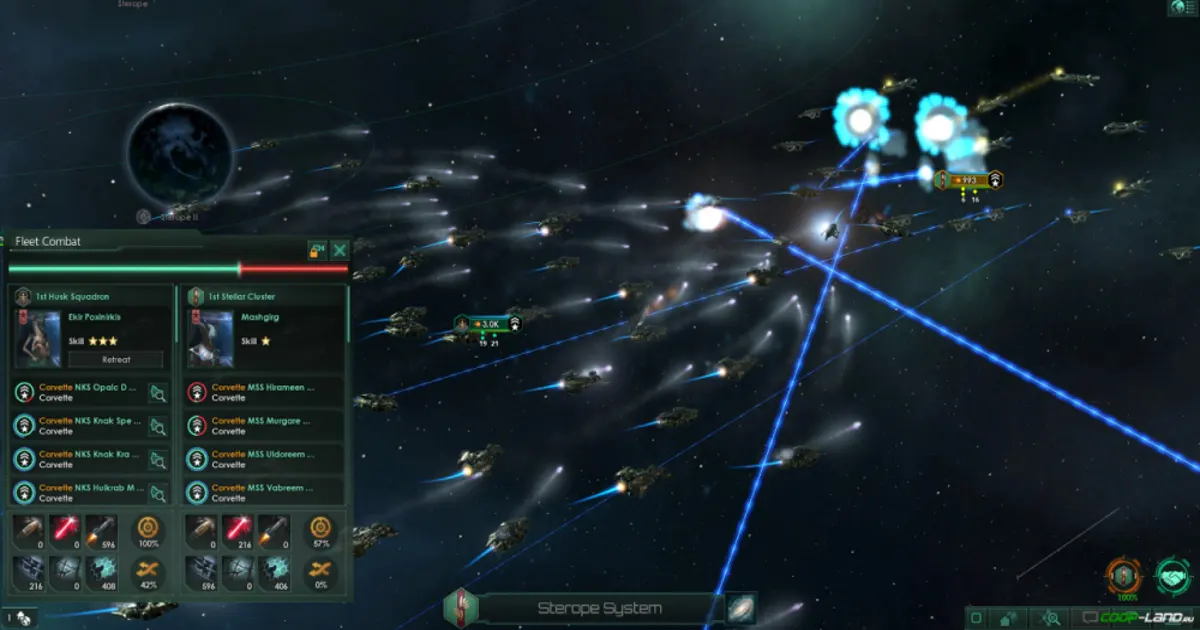
Stellaris brings space to a whole new scale. Here, you control not a single person or fleet, but an entire interstellar civilization.
You start with your home planet, a few ships, and a small territory. Science vessels explore nearby systems, construction ships build stations, and habitable worlds become new colonies. Discovering the unknown galaxy is central to the early game.
Every system may hold resources, colonizable planets, anomalies, or signs of other civilizations. Over time, the map fills with rival empires, and exploration gives way to diplomacy, trade, territorial competition, and wars.
You can customize your empire before the game begins-choose species, government, societal traits, and more, all affecting development. One playthrough may see you build a peaceful federation; another, an aggressive space power.
Colonization isn't just grabbing land. Planets differ in conditions, resources, and suitability for various species. As you progress, new tech, megastructures, stronger fleets, and more ways to influence others appear.
Paradox describes Stellaris as building a galactic empire through exploration, station construction, alien contact, alliances, and war.
Stellaris is perfect for those who want to make decisions on a civilization scale. You can't manually land ships on planets, but you shape the fate of dozens of worlds and watch your state become a galactic powerhouse.
Which Space Game Should You Choose?
Your choice depends on what you want from the genre. Some crave hands-on ship controls and a sense of a vast galaxy; others prefer building bases and starships, while some focus on story or managing an entire civilization.
For quick comparison, here's a summary table of the main features:
| Game | Exploration | Ship Control | Building | Survival | Story | Difficulty | Multiplayer |
|---|---|---|---|---|---|---|---|
| No Man's Sky | Very high | Yes | Bases | Yes | Moderate | Low-Medium | Yes |
| Starfield | High | Yes | Ships & Outposts | Minimal | Strong | Medium | No |
| Outer Wilds | Very high | Yes | No | No | Via discovery | Medium | No |
| Elite Dangerous | Very high | Core mechanic | No | No | Minimal | High | Yes |
| X4: Foundations | High | Core mechanic | Stations | No | Moderate | High | No |
| EVERSPACE 2 | High | Core mechanic | No | No | Yes | Medium | No |
| Space Engineers | Medium | Core mechanic | Very advanced | Yes | Minimal | High | Yes |
| Avorion | High | Core mechanic | Ships & Stations | No | Minimal | Medium-High | Yes |
| Empyrion: Galactic Survival | High | Yes | Very advanced | Core mechanic | Moderate | Medium | Yes |
| Mass Effect Legendary Edition | Medium | Limited | No | No | Core mechanic | Medium | No |
| Stellaris | Very high | Strategic | Empire & Megastructures | No | Player-driven | High | Yes |
If you simply want to venture into the unknown and pick your own path, No Man's Sky remains one of the most versatile options. It combines exploration with base-building, resource gathering, and free travel-great for those unsure of their preferred subgenre.
For hands-on ship control, Elite Dangerous is ideal, though it has a steeper learning curve and places more focus on piloting, navigation, and ship outfitting. If you want a similar vibe but with faster-paced, more accessible combat, EVERSPACE 2 is a solid alternative.
X4: Foundations is perfect for players who want to start as a pilot and eventually run fleets, stations, and a galactic economy.
If you love building from scratch, Space Engineers is the deepest option for spaceship construction, requiring you to design everything from the ground up. Avorion offers similar freedom but ties building more closely to exploration, combat, economy, and fleet development.
Those who want to combine building with survival will enjoy Empyrion: Galactic Survival, where you'll need to build ships, gather resources, set up bases, explore dangerous planets, and survive long expeditions.
For fans of story-driven RPGs, Mass Effect Legendary Edition and Starfield are the top picks. Mass Effect focuses on characters, choices, and a unified narrative, while Starfield gives more freedom in exploration, character progression, and ship customization.
Outer Wilds stands apart: there's almost no economy, progression, or building, but exploration is the main mechanic. It's best for those eager to unravel the mysteries of a unique star system and enjoy the thrill of discovery.
Lastly, if piloting a single ship doesn't feel big enough, try Stellaris. Instead of a pilot, you control a whole civilization-exploring, colonizing, engaging in diplomacy, managing economics, and waging interstellar wars.
Ultimately, there's no single "best" space game. No Man's Sky is best for freeform travel, Elite Dangerous for piloting, Space Engineers for building, Mass Effect for story, and Stellaris for managing a galactic empire.
Conclusion
The best PC space games are all unique-so pick not by the size of the galaxy, but by what you want to do. No Man's Sky is perfect for open-ended planetary and system exploration, Elite Dangerous for deep ship management, and Space Engineers for building your own tech.
If you want to grow from a single ship to a full economic system, check out X4: Foundations and Avorion. Survival fans should try Empyrion: Galactic Survival, while story and character lovers will find the most in Mass Effect Legendary Edition or Starfield. Outer Wilds offers a unique adventure centered on exploration and discovery, while Stellaris lets you rule an entire interstellar civilization.
Start by deciding which core mechanic you want: exploration, piloting, building, story, or strategy. Once you know that, finding the right space game becomes much easier.
Tags:
Similar Articles