The Best Metroidvania Games on PC: Top Picks for Every Playstyle
Discover the top Metroidvania games on PC, from Hollow Knight and Ori to Blasphemous 2 and Animal Well. Explore interconnected worlds, challenging bosses, puzzles, and atmospheric adventures. Find the perfect game for your playstyle, whether you love combat, exploration, or platforming.

The best Metroidvania games on PC are beloved not for linear progression, but for the constant sense of discovery. Players find themselves in a vast interconnected world, gradually acquiring new abilities, returning to familiar locations, and uncovering paths that were previously inaccessible. Exploration is closely tied to character development, and the map unfolds hand-in-hand with the hero's growing powers.
Modern Metroidvanias can differ greatly from one another. Some focus on challenging combat and memorable bosses, while others emphasize platforming, puzzles, or atmospheric world exploration. This selection highlights top PC Metroidvania games for every type of player-from fans of Hollow Knight and demanding battles, to those who crave uncovering secrets and gradually unlocking new routes.
Top Metroidvania Games on PC
Hollow Knight

Hollow Knight remains one of the most recognizable Metroidvanias on PC. Set in Hallownest-a sprawling underground kingdom filled with abandoned cities, fungal caverns, mines, and ancient temples-the game rarely holds your hand. Most routes must be discovered on your own, gradually piecing together the world's structure in your mind.
As you progress, the hero gains abilities such as dash, double jump, wall climbing, and more. These allow access to areas glimpsed early in the game, but initially unreachable. Playstyle can further be customized with charms: some boost attacks and spells, others increase mobility or facilitate healing.
Battles with bosses are a core element. Many fights require memorizing enemy patterns, picking the right moment to attack, and making full use of your skills. The challenge is intricately linked with exploration; a tough boss fight often rewards you for uncovering a hidden passage or optional area.
Hollow Knight: Silksong
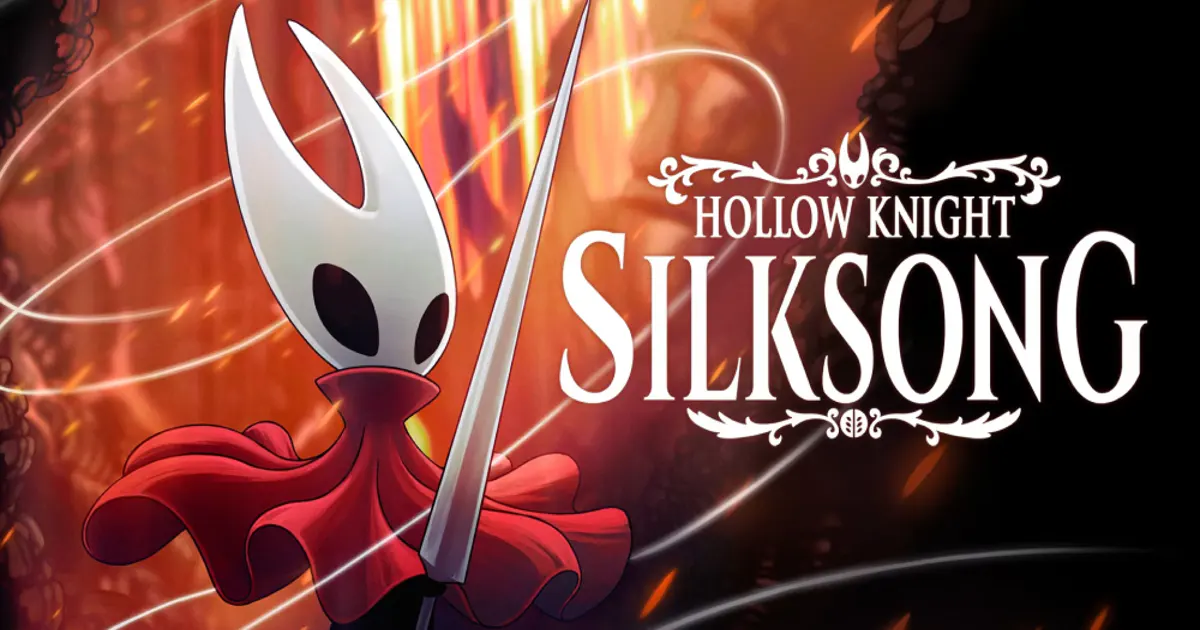
Hollow Knight: Silksong builds on the original's ideas but puts you in control of Hornet. She moves faster, jumps higher, and relies more on acrobatics, making both navigation and combat feel more dynamic.
The adventure unfolds in the new kingdom of Pharloom. Exploration still centers on interconnected areas, hidden routes, secrets, and gradual empowerment. However, the world's verticality is more pronounced: Hornet's journey often leads upward, and platforming sequences frequently demand speed and agility.
Silksong is ideal for those who enjoyed Hollow Knight's vast world but crave a faster pace in both combat and movement. The familiar atmosphere of exploration remains, but the experience of controlling the protagonist is noticeably different.
Ori and the Will of the Wisps

In Ori and the Will of the Wisps, exploration is deeply intertwined with movement. Ori gradually acquires abilities that enable extra jumps, dashes, grabbing onto objects, and quickly traversing between platforms. Returning to earlier areas becomes exciting, as new powers often completely change how you navigate familiar sections.
The world features diverse zones, each with unique obstacles, puzzles, and movement mechanics. The game continuously alternates between tranquil exploration, challenging platforming, and combat, ensuring no single mechanic overstays its welcome.
Compared to the first Ori, the combat system is much more varied, offering different attack types and deeper character customization. Will of the Wisps is perfect for those seeking a Metroidvania with a beautiful world and strong platforming but who don't want to forgo battles and bosses.
Nine Sols
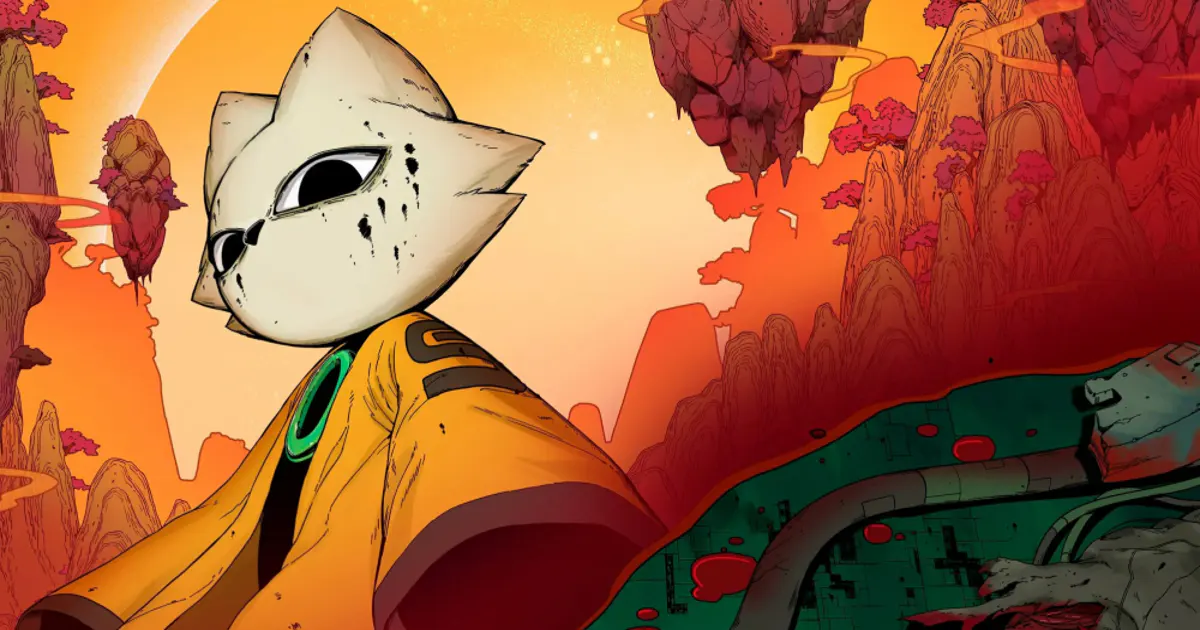
Nine Sols puts a much greater emphasis on its combat system. Dodging alone is not enough; precise parrying of enemy attacks is crucial. This makes battles feel like duels, where learning a boss's rhythm and finding moments to counterattack are key.
Nonetheless, this is a full-fledged Metroidvania. The new Kunlun consists of interconnected areas to explore for secrets, upgrades, and new abilities. The world blends sci-fi with Eastern mythology influences, a style the developers term "Taopunk."
Nine Sols is particularly suited for players who value challenging bosses. Some enemies require not only quick reflexes but a deep understanding of the combat system: simply keeping your distance is less effective than confident parrying and aggressive play.
Prince of Persia: The Lost Crown
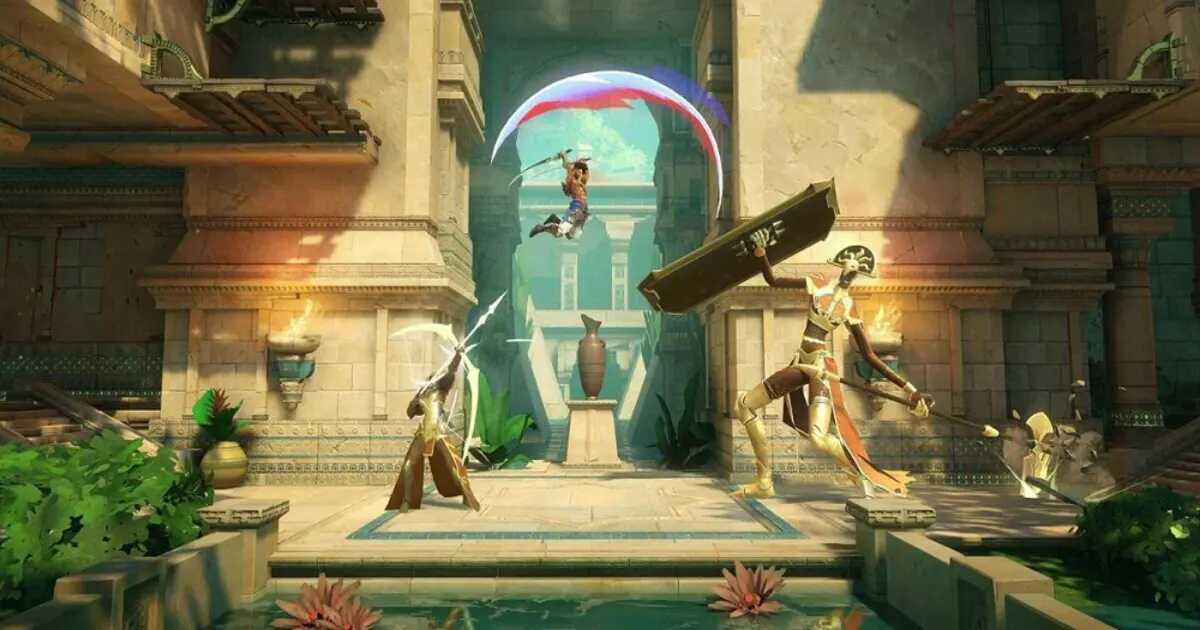
Prince of Persia: The Lost Crown combines classic Metroidvania structure with fast-paced platforming. Sargon gradually gains abilities related to movement and spatial manipulation, turning previously inaccessible map areas into new routes.
Navigation is a standout feature. Some obstacles can be marked on the map for later, once the right ability is obtained. This removes the need to remember every odd passage and makes exploring the vast world much more accessible for newcomers to the genre.
Combat is far from a formality. Sargon has quick attacks, aerial combos, dodges, and parries, while bosses challenge you to make full use of your mobility. The Lost Crown is suitable for both beginners and those seeking full-fledged combat challenges from their Metroidvania.
Blasphemous 2
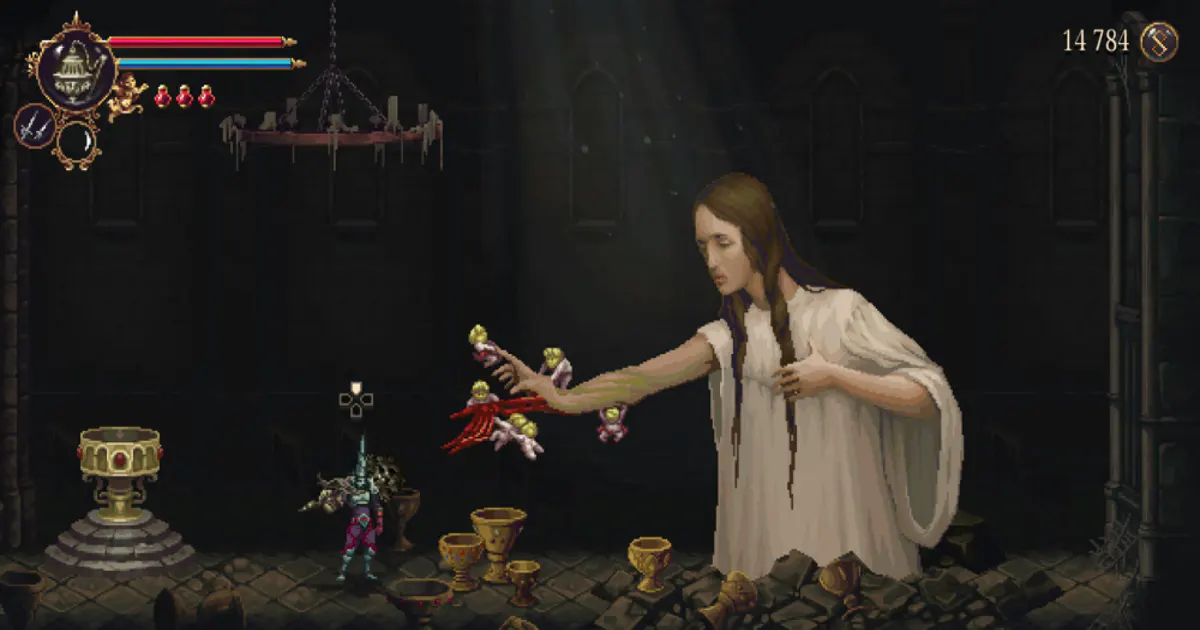
Blasphemous 2 stands out for its grim, religious world and heavy pixel-art aesthetic. You once again control the Penitent One, exploring nonlinear regions filled with traps, secrets, and unusual enemies.
A major new feature is the variety of weapons, each with unique speed and combat style. Weapons aren't just for fighting: certain types allow interaction with the environment and open new paths, tying character progression directly to world exploration.
Bosses demand careful attention to animations and precise timing for attacks. Blasphemous 2 usually feels weightier and less acrobatic than games like Hollow Knight or Ori, making it ideal for those seeking a tough Metroidvania with a dark atmosphere and a strong sense of danger.
Animal Well
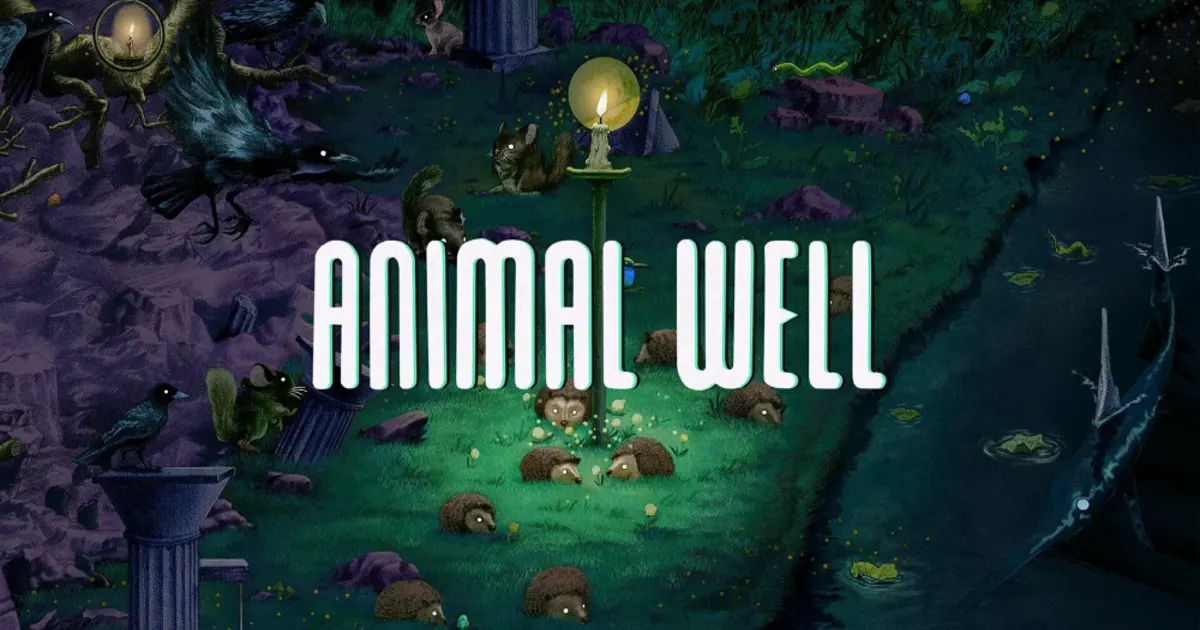
Animal Well takes the genre in a very different direction. There's virtually no traditional combat system; instead, the core is exploration, puzzles, and experimenting with the environment.
Acquired items often have more than one obvious use. A tool might solve a puzzle, interact with creatures, or grant access to hidden areas. The game offers very little guidance about these uses-players must often figure them out on their own.
Animal Well is especially enjoyable for those who thrive on the unknown in Metroidvanias. The world becomes a giant puzzle, with secrets hidden behind odd environmental details, unexpected sounds, or seemingly useless items.
Ender Lilies: Quietus of the Knights
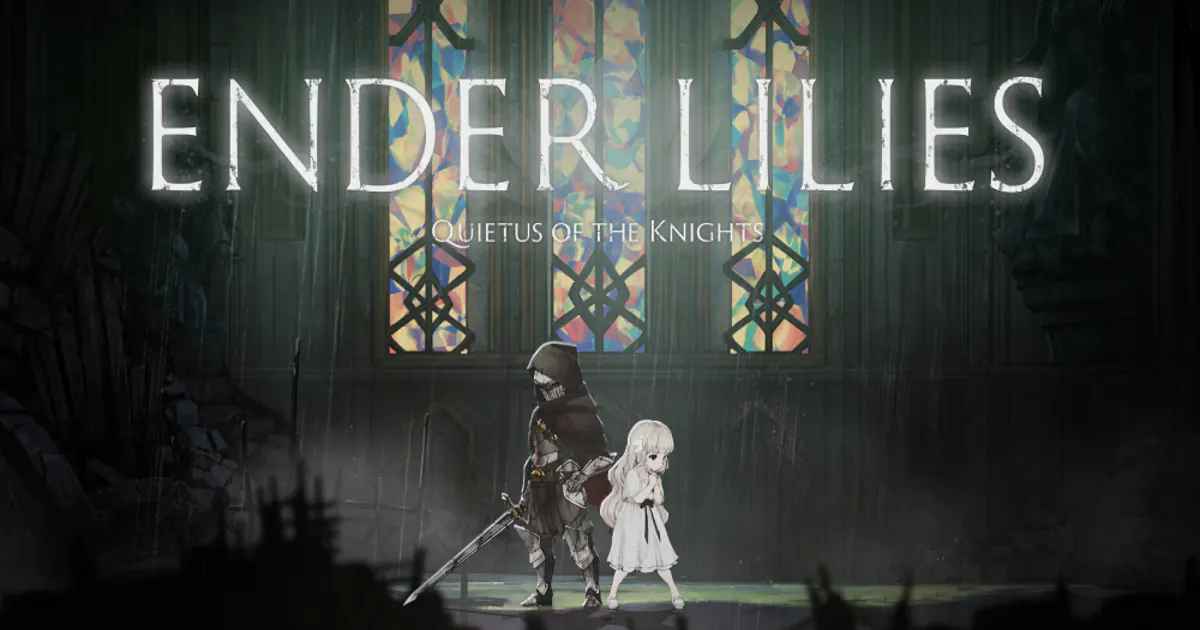
Ender Lilies: Quietus of the Knights immerses players in the ruined kingdom of Land's End. The protagonist, Lily, rarely fights herself; instead, she gains the ability to summon the spirits of defeated enemies and use their powers.
This mechanic means that character progression expands both combat options and exploration capabilities. New movement abilities gradually open up previously inaccessible areas, encouraging return visits for missed secrets.
In tone, Ender Lilies leans toward dark, melancholic Metroidvanias. There are dangerous foes and demanding bosses, but much emphasis is also placed on uncovering the story of the fallen kingdom and piecing together the catastrophe's history.
Why Metroidvania Exploration Is So Loved
One of the genre's defining traits is a world that can't be fully explored from the start. Players frequently spot high platforms, locked doors, narrow passages, or blocked areas but lack the right tools to access them. After several hours, a new ability may be unlocked, and old locations suddenly reveal new sides.
Nonlinear Maps and Locked Areas
A good Metroidvania's map is not a set of separate levels but a unified system of interconnected regions. Shortcuts, hidden passages, and alternate routes are gradually revealed. Exploration is not merely forward movement-backtracking is a core part of the experience.
For example, you might pass through an area and notice several unreachable spots. After gaining a new ability, you have a reason to return. Behind such obstacles may lie health upgrades, new weapons, bonus bosses, story fragments, or even entire optional zones.
This principle shines when the game doesn't highlight every goal with a big marker. Players remember unusual places themselves, gradually developing a sense of the world's structure. Discovering a new passage often feels like a personal achievement-not just ticking off another quest objective.
Abilities That Transform Movement
Progression in Metroidvanias isn't just about bigger stats. New abilities often simultaneously make the character stronger and change how the world is explored. Double-jumping allows you to reach higher platforms, dashing crosses wide gaps, and wall-climbing opens vertical routes.
A great example is Hollow Knight, where the hero becomes much more mobile over time. Areas that first seem sealed off become accessible routes. In Ori and the Will of the Wisps, abilities are even more closely tied to movement; you end up soaring through familiar locations, chaining jumps and dashes.
This creates a constant sense of progress-not just because you deal more damage, but because your ways of interacting with the world expand. That's why world-exploration Metroidvanias often encourage you to revisit older areas even when the main story leads elsewhere.
Progression and Challenging Bosses
Exploration in Metroidvanias is almost always linked to character growth, but progression systems can differ greatly. In some games, new abilities completely change combat style; in others, weapon selection, passive upgrades, or effect combinations are more important.
How Character Growth Differs
In Hollow Knight, charms play a big role. You can create different loadouts for various scenarios: boost regular attacks, enhance spells, increase mobility, or make healing safer. Since the number of equipped charms is limited, you must choose between different advantages.
In Prince of Persia: The Lost Crown, progression is more tied to combat skills and mobility. New abilities not only open up more of the map but also expand Sargon's combat options. Some moves serve both platforming, dodging, and attacking purposes.
Ender Lilies builds its progression around the spirits of defeated enemies, which serve as unique attacks. This lets you assemble a custom set of abilities for different situations. The result is a growing array of combat strategies, not just a flat damage increase.
These progression systems showcase a key Metroidvania trait: growth should feel meaningful beyond just numbers. A great new ability changes how you fight, move, and interact with the world.
Metroidvanias for Fans of Challenging Boss Fights
If you're seeking Metroidvanias with tough bosses, Hollow Knight, Nine Sols, and Blasphemous 2 are standouts-though each delivers challenge in a different way.
Hollow Knight emphasizes movement and learning enemy attack patterns. After a few tries, you start to recognize safe spots, healing windows, and attack opportunities.
Nine Sols demands a more active approach, with parrying as a central mechanic. Victory often depends on your timing, not just dodging-you need to meet attacks head-on and turn defense into offense.
Blasphemous 2 features weightier combat. Distance control, timely dodges, and mastery of your chosen weapon are crucial. Some bosses constantly shift the pace, requiring on-the-fly adaptation.
A tough Metroidvania boss isn't just a damage sponge. The best bosses test the skills you've honed through exploration and your understanding of the game's mechanics.
Games Like Hollow Knight
After Hollow Knight's success, players began seeking similar Metroidvanias on PC-games with vast interconnected worlds, challenging bosses, gradual ability unlocks, and that constant sense of discovery. While there are no true clones, several games evoke similar feelings through specific mechanics and atmosphere.
Nine Sols
Nine Sols comes closest to Hollow Knight in terms of combat difficulty. You'll study boss behavior, memorize attack patterns, and continually improve your execution. The key difference is a strong focus on parrying, making fights feel more rhythmic and aggressive.
At the same time, exploration remains central. The world opens up as you gain new powers, and returning to old zones rewards you with secrets and upgrades.
Blasphemous 2
Blasphemous 2 is perfect if you loved Hollow Knight's dark mood and sense of danger during exploration. There are plenty of hidden paths, optional areas, and bosses you can only reach after acquiring the right powers.
Combat is heavier and slower than Hollow Knight. Instead of constant mobility, you'll need to manage distance, timing, and weapon capabilities. If you enjoy atmospheric indie games across genres, check out our Top 7 Most Atmospheric Indie PC Games to Play in 2025-a collection where world exploration and mood matter as much as mechanics.
Ender Lilies: Quietus of the Knights
Ender Lilies mirrors Hollow Knight's melancholic atmosphere, exploration of a ruined world, and gradual character growth. The map consists of interconnected areas, and new abilities let you revisit previously inaccessible places.
The combat system is unique: Lily uses spirits of defeated foes, allowing you to combine attacks and tailor your move set for different situations. The pace is calmer than Hollow Knight, but the exploration and gradual world unveiling feel familiar.
Ori and the Will of the Wisps
Ori and the Will of the Wisps is a must-try if your favorite part of Hollow Knight was exploration and navigating a large map. You'll also unlock new abilities to overcome old obstacles, but there's a much greater focus on platforming.
Ori moves swiftly between platforms, chaining dashes and jumps, and gains ever more ways to interact with the environment. While combat is still significant, the game puts more emphasis on fluid movement, platforming challenges, and discovery.
Which Metroidvania Should You Choose?
Your choice depends on what you value most in the genre. Some Metroidvanias highlight tough combat, others prioritize exploration, platforming, or puzzles. It's best to pick based on your preferred playstyle, not just overall ratings.
- If you crave tough bosses, consider Hollow Knight, Nine Sols, and Blasphemous 2. Hollow Knight combines high difficulty with agile combat, Nine Sols revolves around precision parrying, and Blasphemous 2 offers a heavier, more deliberate fighting style.
- For exploration and secret-hunting, Hollow Knight and Animal Well are excellent. Hollow Knight provides a vast world with optional zones and hidden routes, while Animal Well turns nearly every area into a puzzle, where inventive item use can reveal entirely new paths.
- If platforming and movement are your priorities, Ori and the Will of the Wisps is a top pick. Controls grow faster and freer, with new abilities letting you chain jumps and dashes, turning some sections into near-acrobatic sequences. Prince of Persia: The Lost Crown also emphasizes mobility, though it blends platforming more closely with combat.
- If you love dark atmospheres, go for Blasphemous 2 or Ender Lilies: Quietus of the Knights. Both feature ruined worlds with tragic stories, but differ in pace: Blasphemous 2 is harsher and more aggressive, while Ender Lilies allows for more contemplative exploration.
- For newcomers to Metroidvanias, Prince of Persia: The Lost Crown and Ori and the Will of the Wisps are great starting points. They clearly explain core genre mechanics and ease players into exploration, while still delivering key elements like map progression, new abilities, and revisiting previously locked areas.
Conclusion
The best Metroidvanias on PC stand out not just for difficulty, but for how they approach world exploration. Hollow Knight focuses on freedom of movement and tough bosses, Nine Sols on precise parries, Ori and the Will of the Wisps on platforming, Animal Well on puzzles and experimentation, while Blasphemous 2 and Ender Lilies offer darker worlds and weighty atmospheres.
If you're new to the genre, Prince of Persia: The Lost Crown or Ori are ideal entry points. If you've already finished Hollow Knight and want similar exploration and challenging fights, check out Nine Sols, Blasphemous 2, or Ender Lilies. And for those who love uncovering a world's mysteries and finding secrets with minimal handholding, Animal Well is a particularly intriguing option.
Tags:
Similar Articles