Best Microphones for Streaming and Podcasts in 2026: USB, Dynamic & Condenser Picks
Discover the top microphones for streaming and podcasting in 2026, including USB, dynamic, and condenser models. Learn how to choose the right mic, key setup tips, and which features matter most for content creators at every budget level.

Microphone for streaming and podcasts: in today's world, excellent audio quality is far more important than a flawless picture. Viewers can easily forgive a webcam with average resolution, but no one wants to listen to echo or background noise during a broadcast. When choosing a microphone for streaming or podcasting, content creators are increasingly opting for convenience over complex studio setups.
The latest USB microphones in 2026 deliver a level of quality that used to require expensive audio interfaces. Just plug the device into your computer and it's ready to go. Let's break down how to find the ideal solution for your needs and which technologies are worth considering when shopping for a new mic.
How to Choose a Microphone for Podcasting and Streaming: Key Features
The main advantage of the USB format is its Plug-and-Play concept. You don't need an external sound card, a complicated mixer, or XLR cables, since the analog-to-digital converter (ADC) is already built into the mic's body. This saves desk space and makes setup as easy as possible before going live.
When choosing, pay attention to the polar pattern. For solo streams and voiceover work, a cardioid mode is best. It captures sound directly in front of the capsule and blocks out background noise from behind, like mechanical keyboard clicks or computer fan hum.
If you plan to record two hosts sitting opposite each other, a bidirectional (figure-eight) pattern comes in handy. For roundtable podcasts with several guests, an omnidirectional mode is better, picking up sound evenly from all sides.
Sample rate and bit depth also matter, though you don't need studio-level 192 kHz for YouTube or Twitch. The standard 24-bit / 48 kHz is more than enough for deep, clean voice recording without digital artifacts-even after software processing.
Condenser or Dynamic: Which Is Better for Home Voice Recording?
Choosing between the two main capsule types depends on your environment. Condenser microphones are highly sensitive, capturing every nuance and natural timbre-perfect for professional studios.
However, their sensitivity can be a drawback in untreated rooms. Without acoustic foam, they pick up echo, traffic noise, and even the hum of an air conditioner.
A dynamic microphone works differently. It's less sensitive to the surroundings and only captures sources up close. This is a lifesaver for streamers broadcasting from regular apartments with lots of echo.
Dynamic models are forgiving of poor room acoustics and even loud shouts during intense gaming moments. You'll need to speak closer to them, but you'll get a rich, "broadcast" sound without distracting background noise.
Top USB Microphones for Streamers: 2026 Ranking
By 2026, manufacturers have integrated full-fledged digital signal processors (DSP) into USB microphones. This means initial sound processing-compression, EQ, and limiting-happens right inside the device. To unlock their full potential, use good streaming software. If you're just starting your setup, check out the Top 3 Best Apps for Streaming and Screen Recording: Comparison to pick a stable platform for your broadcasts.
Professional Sound Flagships
-
Shure MV7+
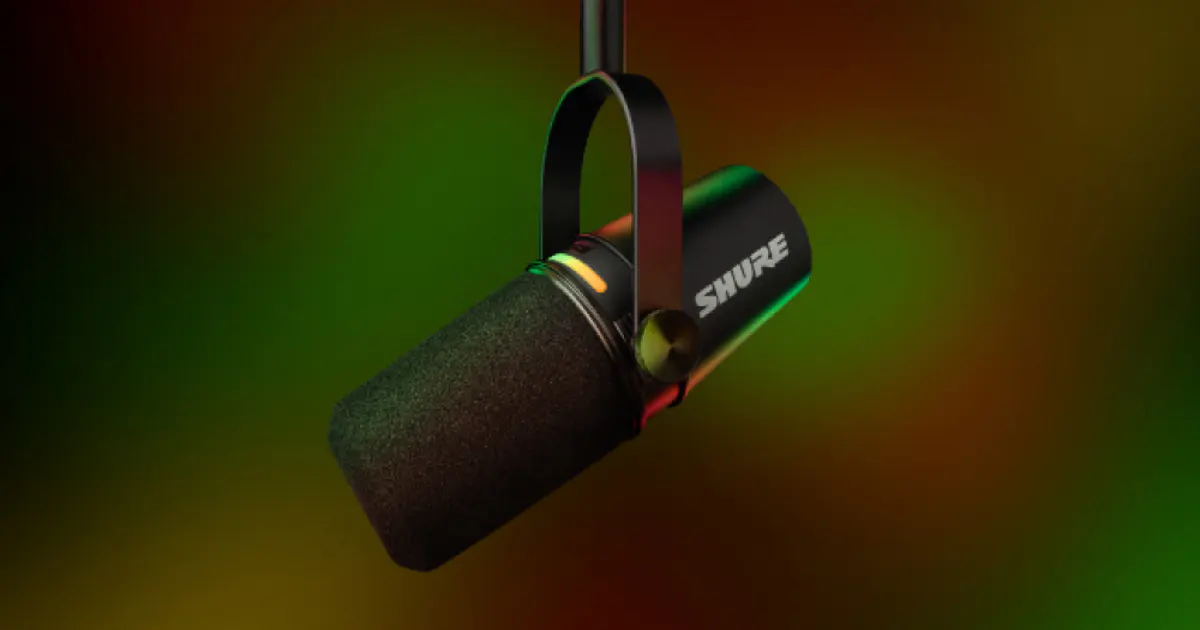
This updated legend offers hybrid USB-C and XLR connectivity. The new version features a touch panel for instant muting and customizable LED lighting. The built-in DSP handles plosive consonants and keeps volume consistent-even if you move away from the capsule during your stream.
-
Rode X XDM-100
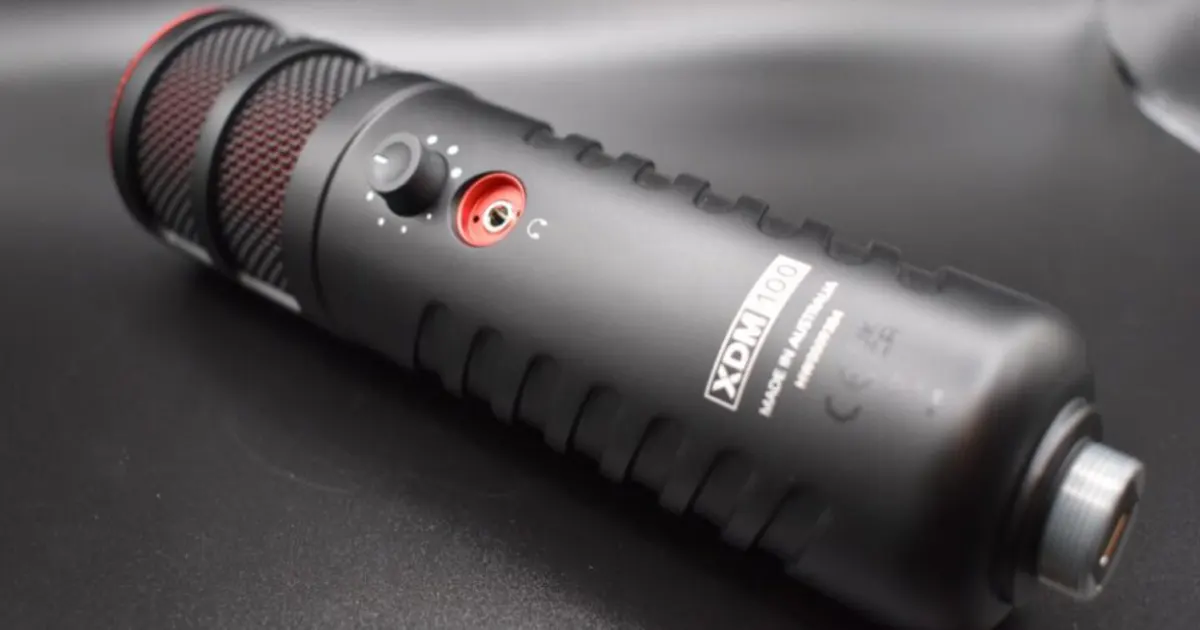
This dynamic USB mic is designed for gamers and podcasters. Paired with the Unify utility, it works as a virtual mixer. It boasts ultra-low self-noise and delivers that signature, deep "radio" tone.
Best Noise-Cancelling Solutions
-
SteelSeries Alias
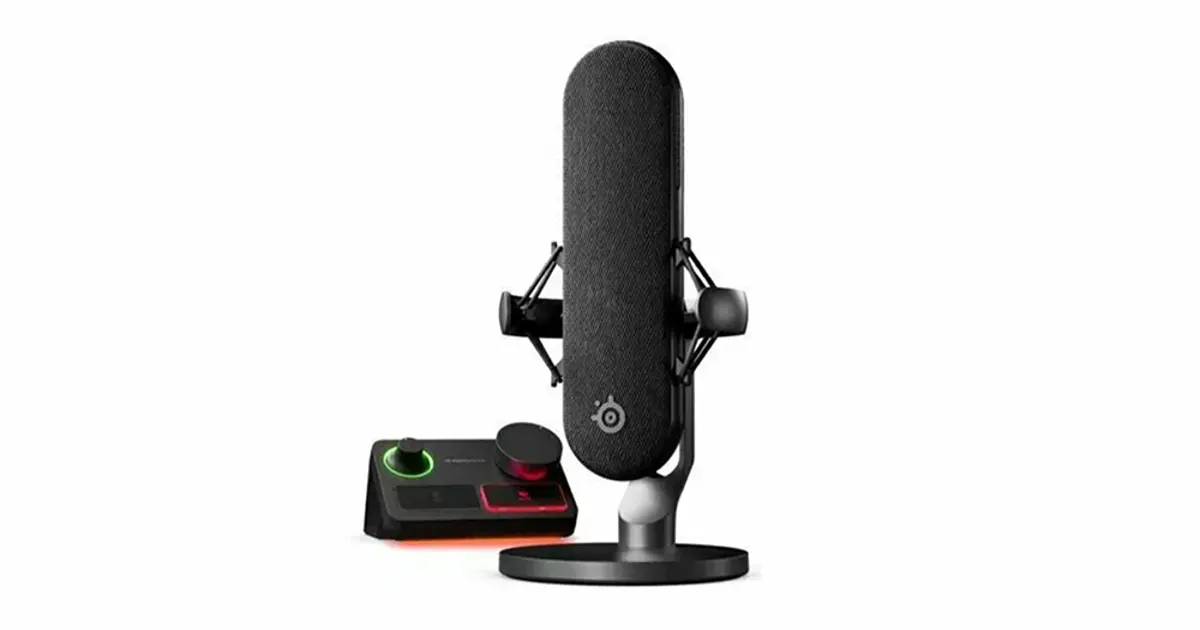
This device features a capsule three times larger than standard and the Sonar hardware-software system. Its neural networks analyze sound in real time, flawlessly removing keyboard clicks or computer fan hum-without making your voice sound robotic.
-
ASUS ROG Carnyx
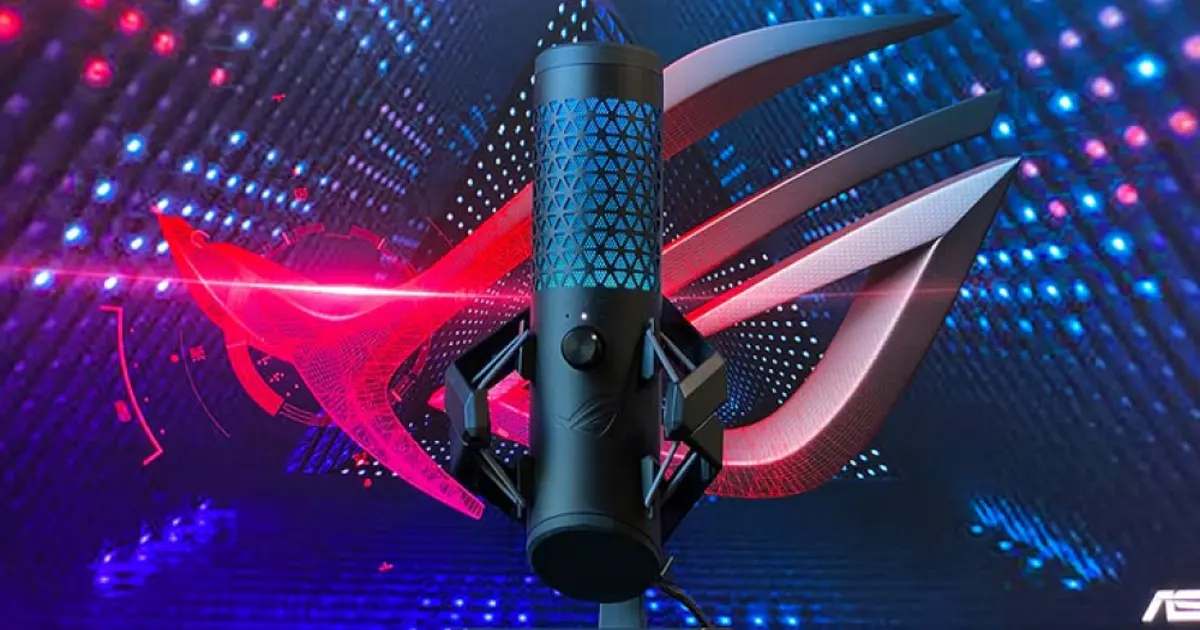
Audiophile-grade condenser mic with a 25 mm capsule. The built-in high-pass filter and foam pop filter manage household noise, while the premium anti-vibration mount absorbs desk bumps during intense gaming sessions.
Best Budget Microphone for Streaming: What Beginners Should Look For
You don't need to splurge on flagships to start confidently on Twitch or YouTube. There are plenty of quality, plug-and-play devices that deliver excellent sound right out of the box. Look for models with a physical mute button and a 3.5 mm port for real-time, latency-free monitoring.
Top affordable picks include:
-
Fifine AM8
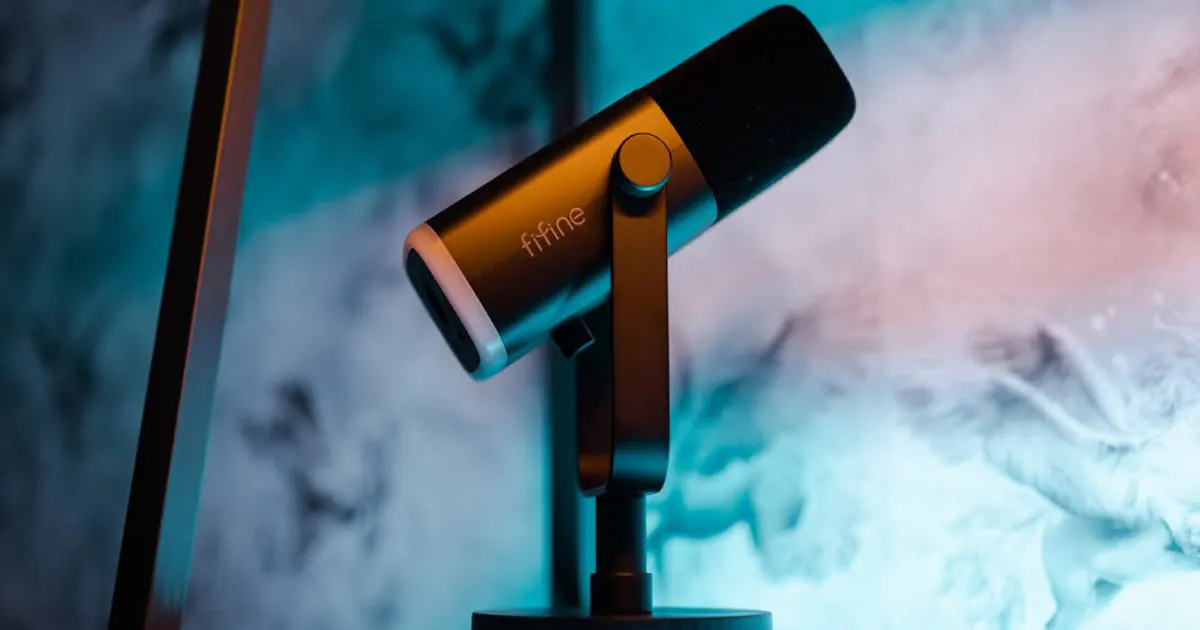
An undisputed hit in recent years, still relevant in 2026. This dynamic mic is forgiving of poor room acoustics, offers both USB and XLR connections, features stylish but subtle RGB lighting, and has a touch mute button.
-
HyperX DuoCast
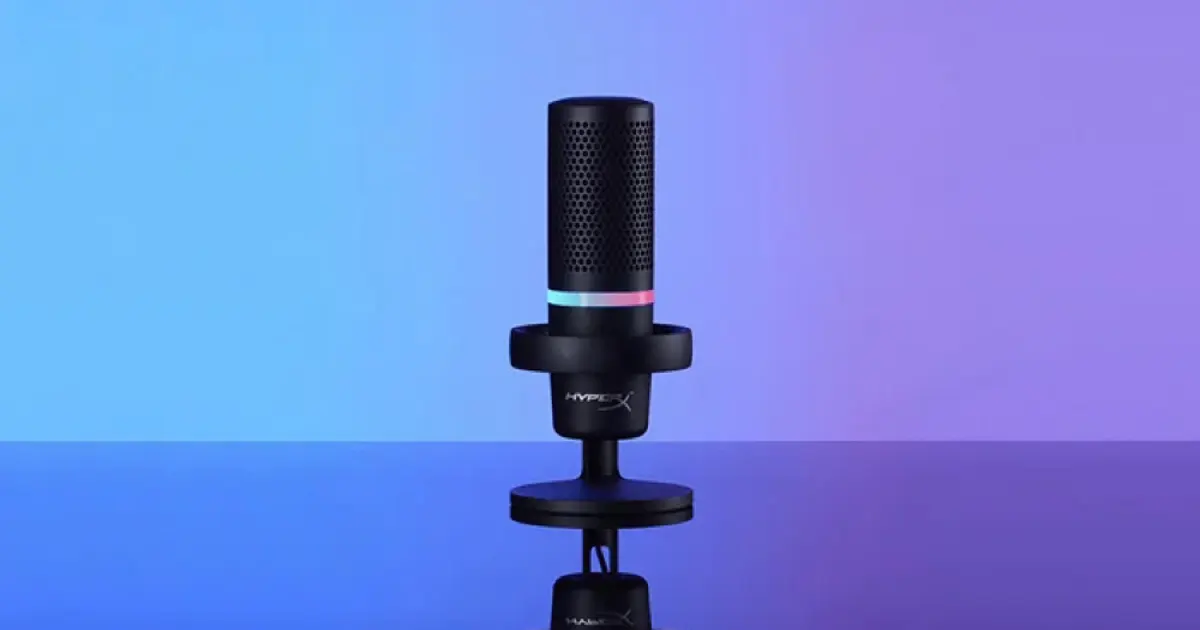
An excellent compromise between entry-level models and the pricier QuadCast. It has two polar patterns (cardioid and omnidirectional), comes with a compact shock mount, and delivers very clean audio thanks to 24-bit/96 kHz support.
-
Razer Seiren V3 Mini
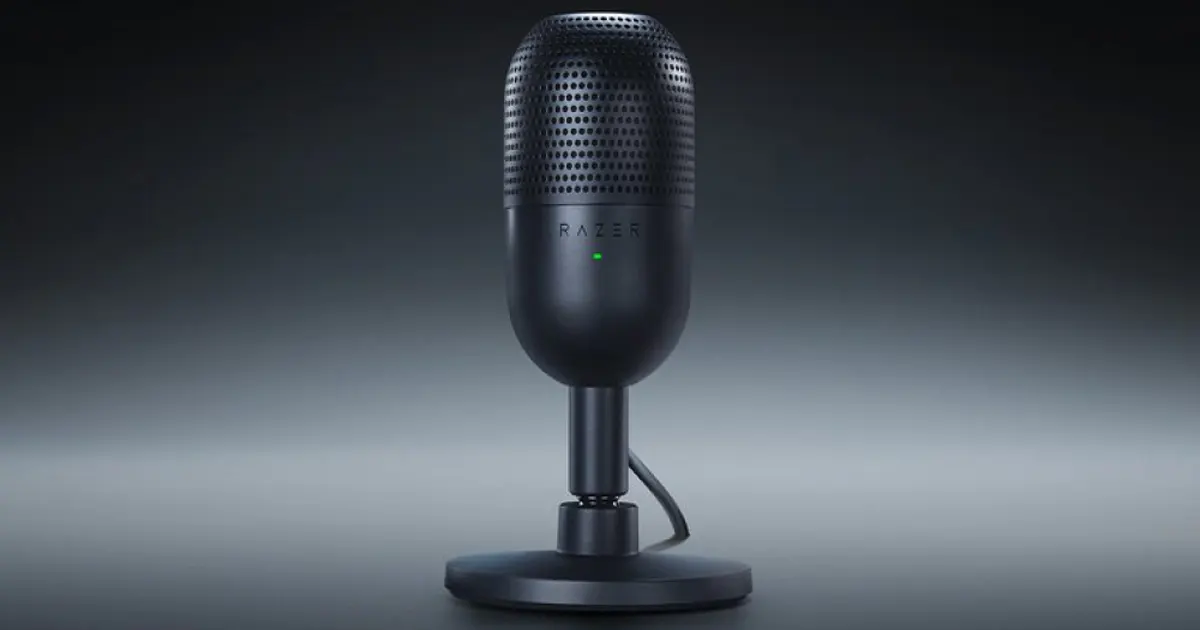
An ultra-compact solution for those with limited desk space. Despite its small size, it features an upgraded capsule that focuses on your voice while ignoring noise, plus a touch mute button on top.
How to Set Up a USB Microphone for Perfect Sound
Even the most expensive gear can sound bad if used incorrectly. Rule number one: proper placement. Dynamic mics require minimum distance (about 5-10 cm) from the source, while condensers can be slightly farther away (15-20 cm). The active side of the capsule should always face you.
Always use a boom arm (desk-mounted bracket). It frees up valuable space and acts as a shock absorber, preventing vibrations from your keyboard from reaching the mic. To protect your audio from volume spikes on plosive consonants ("B", "P"), use a pop filter-a simple nylon or metal mesh that disperses harsh air bursts.
Set the hardware gain on your device so that during your loudest moments, the volume meter in your program stays in the yellow zone and doesn't hit red (clipping). If you plan to dive into post-processing, create complex podcasts with jingles, or work with vocals, you'll need full-featured sequencers. Learn more in our guide: Best Music Creation and Audio Software of 2025: Full Review, which covers top tools for audio work.
Conclusion
The ideal microphone for streaming or podcasting in 2026 should be chosen based on your room's acoustics. If you broadcast from a noisy apartment or type aggressively on a mechanical keyboard, opt for dynamic models or devices with built-in AI noise cancellation. For quiet, acoustically treated rooms, sensitive condenser mics will capture all the richness and depth of your voice. Modern USB mics have reached a level where you can get high-quality audio for YouTube or Twitch with Plug-and-Play simplicity-no need for complicated wiring or external mixers.
FAQ
-
Do I need a sound card for a USB microphone?
No. Every USB device already has a built-in analog-to-digital converter (ADC), which acts as a sound card. The mic is ready to record as soon as you plug it into your PC. -
Which microphone should I choose for voiceover work?
Condenser cardioid microphones are ideal for narration. They make your voice warmer, richer, and more detailed-critical for educational videos or essays. -
Can one microphone be used for two podcast hosts?
Yes, if your mic supports a bidirectional (figure-eight) or omnidirectional pickup pattern. For professional results and easier editing, it's still best for each host to have their own cardioid mic.