Home/Gadgets/Best Soundbar for TV in 2026: Top Picks, Setup Tips, and Buying Guide
Gadgets
Best Soundbar for TV in 2026: Top Picks, Setup Tips, and Buying Guide
Explore the best soundbars for TV in 2026, from affordable models to premium Dolby Atmos systems. Learn key buying criteria, connection tips, and expert recommendations for every room size and budget. Discover how to upgrade your home entertainment with crisp, immersive audio.
Jul 14, 2026
6 min
As televisions continue to get slimmer each year, the demand for the best soundbar for TV in 2026 is higher than ever. While thin screens complement modern interiors, they leave little room for built-in acoustics, resulting in flat and uninspiring sound. If you want to enjoy crisp dialogues and powerful bass, upgrading to a dedicated soundbar is the ideal solution to overcome the physical limitations of contemporary TV speakers.
Soundbar vs. Home Theater: Which Is Right for Your Home?
Many people wonder whether to choose a soundbar or a home theater system for the ultimate movie-watching experience. The distinction lies in how each system creates an immersive soundstage and their technical requirements for your living space.
A traditional home theater is a multi-component setup with a bulky AV receiver and a set of physically separated speakers arranged around the room. This approach delivers reference-level immersion but requires complex cable management and occupies significant floor space.
By contrast, a soundbar is all about integration. It combines several directional speakers in a single, elegant enclosure that sits beneath your TV or mounts on the wall. Thanks to powerful processors, modern soundbars can digitally construct a convincing 3D soundstage, using walls and ceilings to reflect sound and create a surround effect-without the cable clutter.
If you have a dedicated, acoustically treated media room, a full multi-channel home theater is worth the investment. But for most modern living rooms where clean design, space-saving, and ease of setup matter, a soundbar is the more practical choice.
How to Choose a Soundbar for TV: Key Criteria
Picking a soundbar at random often leads to disappointment-sometimes a pricey device sounds flat or overwhelms a small bedroom. To choose the right soundbar for your TV, consider your room's physical characteristics and the type of content you enjoy most.
Power and Room Size
Manufacturers love to boast big wattage numbers, but what matters is your actual room size. For bedrooms or kitchens up to 15-20 square meters, a 100-200W soundbar is usually sufficient. If your living room is between 20 and 40 square meters, look for models with at least 300W to ensure clear, distortion-free sound-especially during action scenes.
Subwoofer: Should You Get a Soundbar Without One?
Low frequencies need physical space, which slim soundbars can't provide. Models without a subwoofer (2.0 or 3.0 format) are fine for watching TV, YouTube, or background music. But for blockbuster movies or bass-heavy tracks, a separate subwoofer is essential. Most modern soundbars offer wireless subwoofer connections, so you only need a power outlet-no long wires across your room.
Surround Sound Technologies: Dolby Atmos and 5.1 Systems
Stereo is great, but true cinematic immersion requires more channels. 5.1 systems include a dedicated center speaker for crystal-clear dialogues, even amid loud effects. If your budget allows, choose a Dolby Atmos soundbar: these models feature upward-firing drivers that bounce sound off the ceiling, making it feel like a helicopter is flying right above you.
How to Connect a Soundbar to Your TV: Step-by-Step Guide
The best way to connect your soundbar is via the HDMI port labeled ARC or eARC on your TV's back panel. This interface transmits uncompressed multi-channel audio, which is vital for proper surround sound performance. HDMI also enables equipment sync: your soundbar will turn on with your TV, and you can control volume using a single remote. For a deeper dive into cable compatibility, check out our guide:
An optical audio cable (Toslink) is a good alternative for older TVs. It delivers clean digital sound, though it has bandwidth limitations and doesn't support TV remote volume control.
Bluetooth eliminates cable mess, but it's best for music only. Watching movies or gaming over Bluetooth often introduces audio lag, causing actors' lip movements to fall out of sync with their voices.
2026 Soundbar Categories: From Budget to Premium
The market offers a huge range of audio devices, logically grouped by purpose and price. If you're building a multimedia setup from scratch and want a screen to match your soundbar, consider modern solutions like the Samsung AI TV 2025 for a next-gen entertainment experience. The perfect pairing of a flagship display and high-quality soundbar delivers maximum immersion.
Entry-level soundbars are usually compact 2.0 or 2.1 systems. Their main job is to boost midrange frequencies, making voices clearer and more immersive compared to standard TV speakers. Top picks for 2026 include:
Xiaomi Redmi Soundbar 2026
An excellent starter option with punchy stereo and a minimalist design, perfect for small rooms and modern interiors.
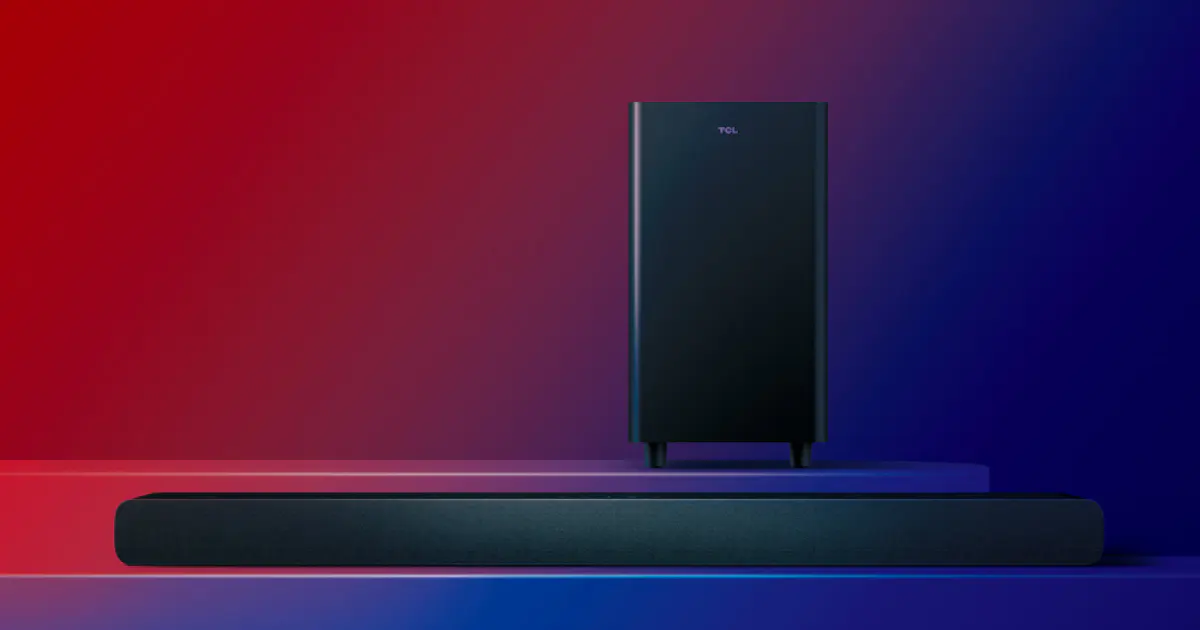
TCL TS8132
If you want strong bass and a rich soundstage, this model excels with low frequencies, adding excitement to action scenes.
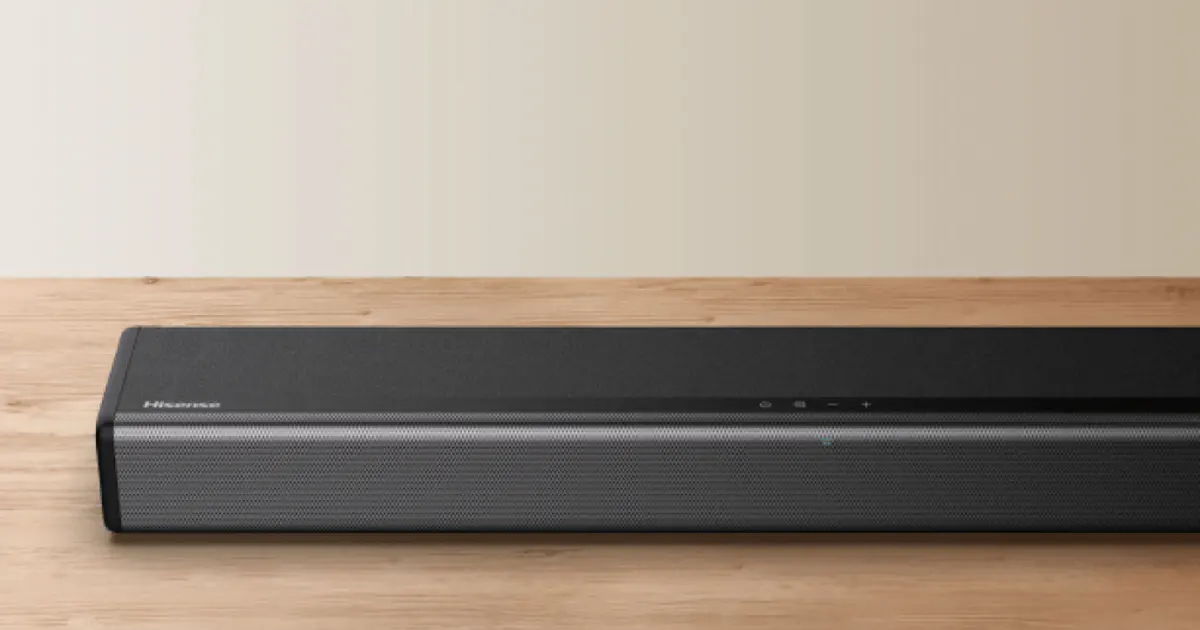
Hisense HS214 (updated version)
A great pick for those seeking quality audio without overspending. It offers a balanced, full sound in a compact package for everyday movie watching.
These budget soundbars deliver on their promise of better sound. When choosing a model with a subwoofer, check that the bass module is made of dense MDF-this produces cleaner, tighter lows without the rattling or booming often found in plastic enclosures.
Top Soundbars for Music and Movies
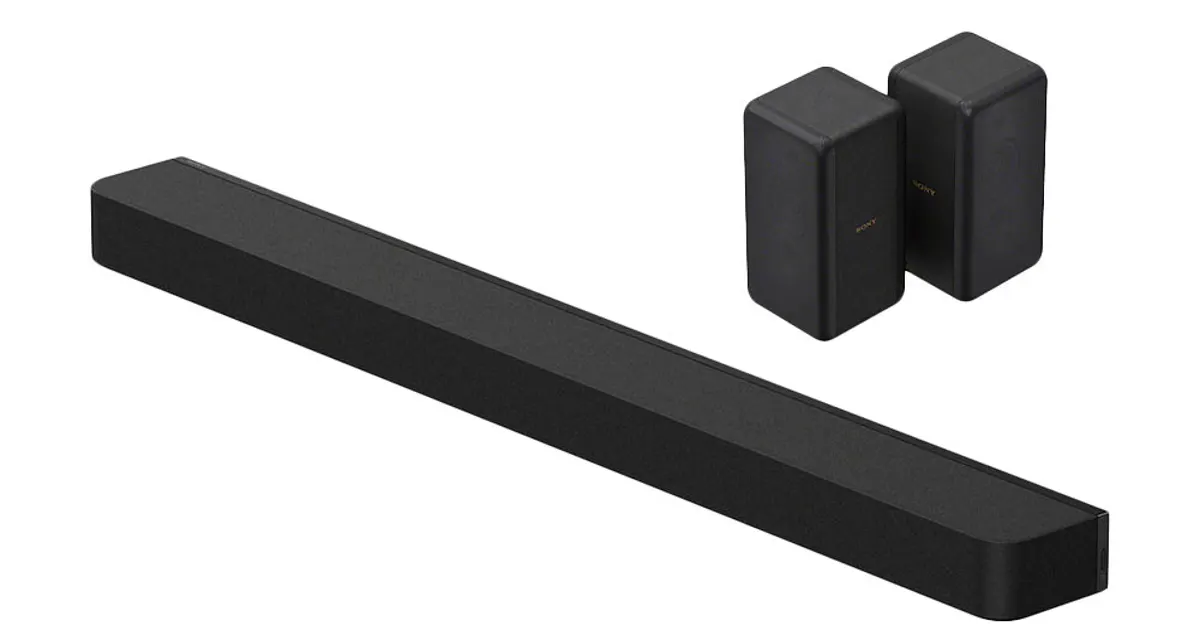
Mid-range and premium models offer advanced setups from 5.1 up to 11.1.4 channels. These soundbars often use AI algorithms to analyze room acoustics and calibrate audio for your space. Leading models include:
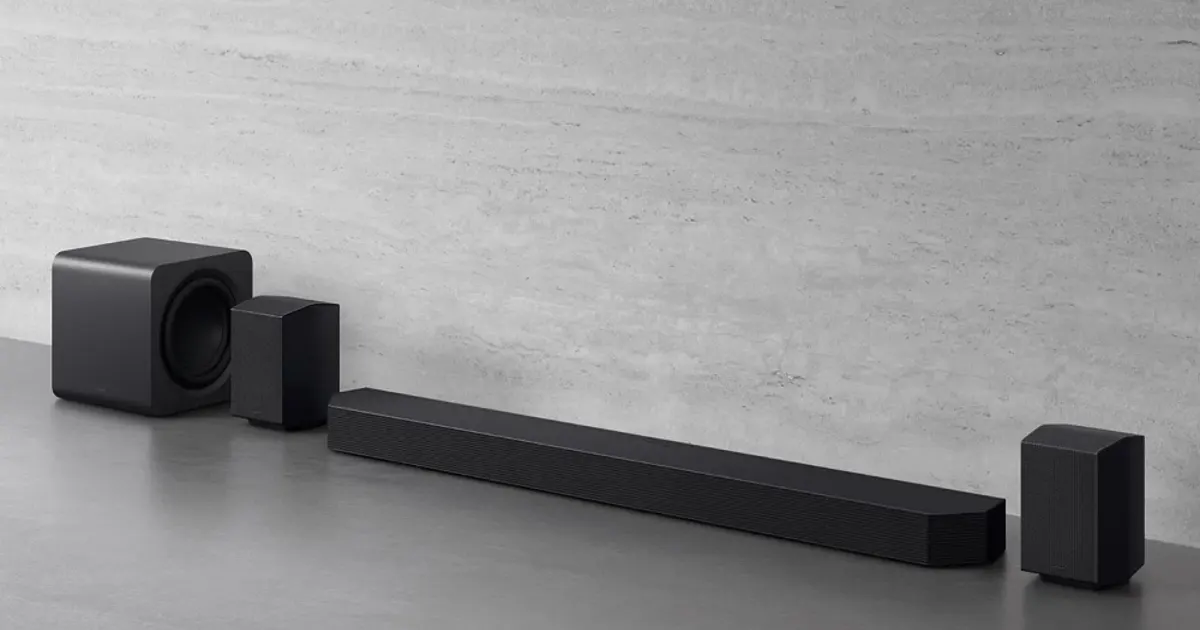
Samsung HW-Q990F
The undisputed premium leader of 2026, offering an 11.1.4-channel configuration with wireless rear speakers for a seamless, dome-like surround sound experience.
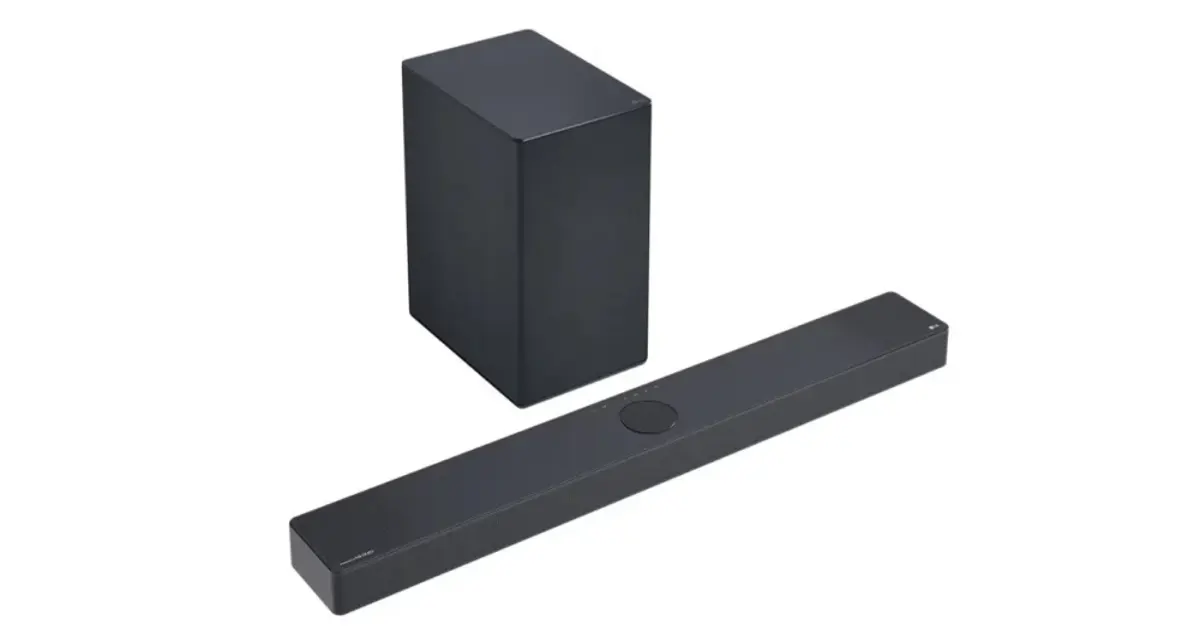
LG SC9S
A strong competitor with flawless Dolby Atmos support and a special bracket for perfect integration with LG OLED TVs.
Sony HT-A8000
For uncompromising music and movie sound, this flagship features Wi-Fi modules for streaming high-resolution audio directly from services-transforming your soundbar into a true Hi-Fi music hub.
Conclusion
Great audio radically enhances your experience with any content, from Hollywood blockbusters to late-night shows. When choosing a soundbar, consider your room size and whether your TV supports HDMI eARC for lossless audio transmission.
For everyday movies and gaming in smaller bedrooms, basic models with a subwoofer are more than enough. But if you want a true cinematic experience at home, invest in a premium multi-channel soundbar with object-based audio support.
FAQ
Can you use a soundbar with a computer?
Yes, compact soundbars fit perfectly under your monitor. For PCs, opt for optical or USB connections to avoid the audio lag that Bluetooth inevitably introduces.
Do you have to buy a soundbar from the same brand as your TV?
There are no strict limitations-devices from different brands work well together via HDMI. However, same-brand setups often offer extra features, like combining TV and soundbar speakers into a unified audio system.
What's better for music: stereo speakers or a soundbar?
Classic stereo speakers provide a wider soundstage and finer detail, especially for complex music genres. Soundbars win on minimalism and movie effects but may not match dedicated Hi-Fi gear for pure music listening.