Best Portable Gaming Consoles 2026: Steam Deck OLED vs ROG Ally vs Legion Go
Portable gaming consoles in 2026 rival desktop PCs in power and features. This in-depth guide compares Steam Deck OLED, ASUS ROG Ally, and Lenovo Legion Go to help you choose the best device for your play style and needs.

Portable gaming consoles in 2026 have truly redefined the boundaries between mobile devices and full-fledged desktop PCs. Gamers no longer have to make painful compromises in graphics quality or frame rates just for the convenience of playing their favorite titles on the go. Thanks to major leaps in technology, chip efficiency has soared, and display panels now deliver exceptionally vibrant and fluid visuals.
With so many options on the market, choosing the best portable gaming console can be overwhelming. Leading the industry are three clear favorites: Steam Deck, ASUS ROG Ally, and Lenovo Legion Go. Each offers a unique experience, distinguished by proprietary features, operating systems, and control layouts. To help you decide which device will suit your needs best, let's compare them head-to-head.
Market Evolution: What Have Portable Gaming PCs Become by 2026?
In just a few years, portable gaming PCs have shifted from niche gadgets for enthusiasts to mainstream products. This rapid growth is fueled by new generations of hybrid processors that deliver impressive computing power under strict energy constraints. Hardware developers now prioritize smart optimization, quiet cooling systems, and software improvements over simple frequency increases.
Modern portables easily handle demanding AAA titles, leveraging upscaling technologies to maintain stable frame rates. As we discussed in Mini PCs and Portable Consoles 2025: Trends, Choices, and Comparison, device software has become far more stable, eliminating most interface issues. Managing game libraries across different launchers now requires minimal extra clicks and settings.
Display technology has also seen a leap forward, with OLED panels offering perfect blacks and rapid response times, setting a new industry standard. At the same time, engineers have enhanced ergonomics, achieving an ideal weight balance-so even bulkier devices feel comfortable during marathon gaming sessions.
Steam Deck OLED: Benchmark for Optimization and Comfort
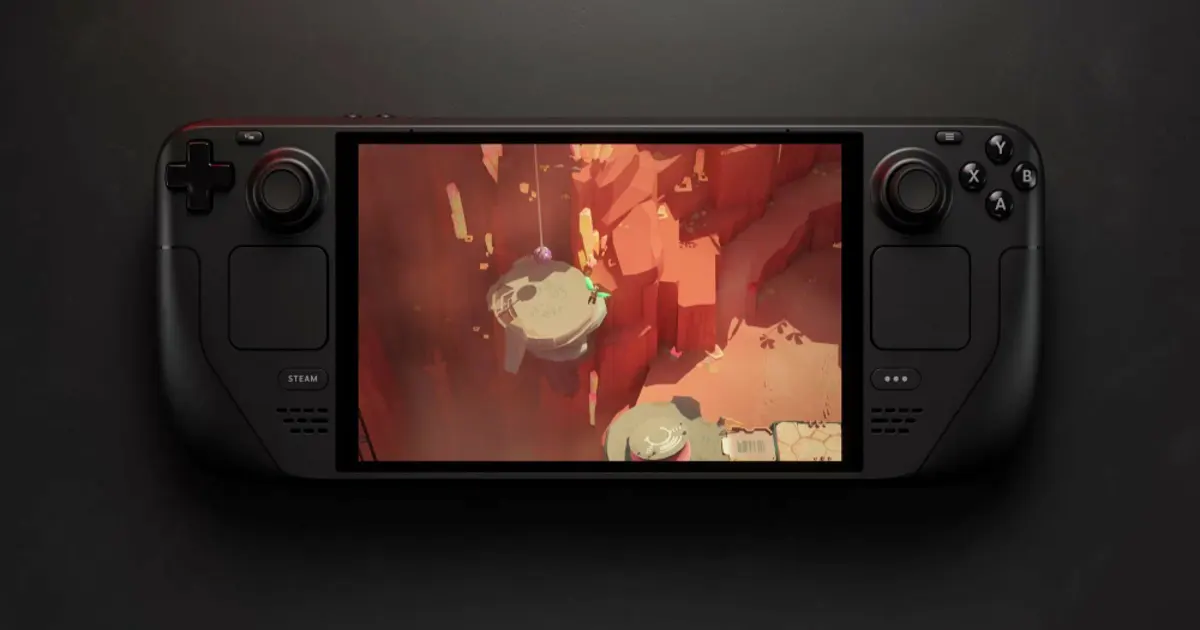
Valve's device remains the most "console-like" solution in the PC gaming space. Its main strength lies not in raw computing power, but in the SteamOS operating system, which offers a seamless experience: download your game, hit play, and forget about drivers or Windows settings. The switch to an OLED panel with HDR support brings incredible contrast and a slightly larger screen, all without increasing the device footprint.
Valve's Platform: Pros and Cons
- Ergonomics and touchpads: Steam Deck excels with its comfortable design and two touchpads-indispensable for strategy games, isometric RPGs, and classic quests.
- Instant sleep/wake: Pause a heavy single-player game, lock the screen, and resume gameplay instantly.
- OS limitations: Linux-based SteamOS means you can't natively play some popular multiplayer titles with strict anti-cheat or access Xbox Game Pass without third-party workarounds.
ASUS ROG Ally: Maximum Frames for Windows Games
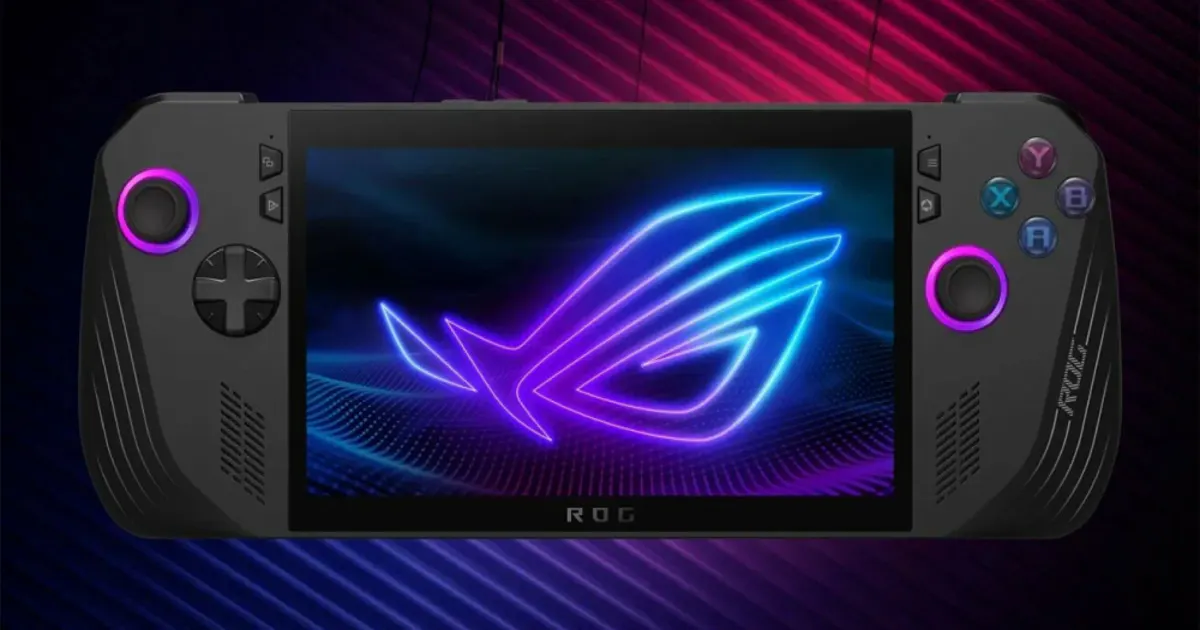
The ASUS ROG Ally was designed as the ultimate answer to Valve's device for those who want more flexibility. Full Windows 11 support means gamers can access every digital store-Epic Games, GOG, PC Game Pass-right out of the box. The custom display with variable refresh rate (VRR) smooths out frame drops, delivering fluid gameplay even in demanding new releases with fluctuating frame rates.
Performance, Cooling, and Battery Life
- Powerful hardware: Under the hood, Ally boasts custom components that deliver excellent frame rates at native 1080p resolution.
- Quiet cooling: Its dual-fan system efficiently dissipates heat without blasting hot air onto your hands.
- Upscaling technologies: To get the most out of the chip, smart upscaling is essential. For details on how these technologies help, check out FSR 3 vs DLSS 3 in 2025: Choosing the Best for Gaming.
- Battery life: The high performance comes at the cost of rapid battery drain at full power, so a large power bank is recommended for long trips.
Lenovo Legion Go: Huge Display and Unique Form Factor
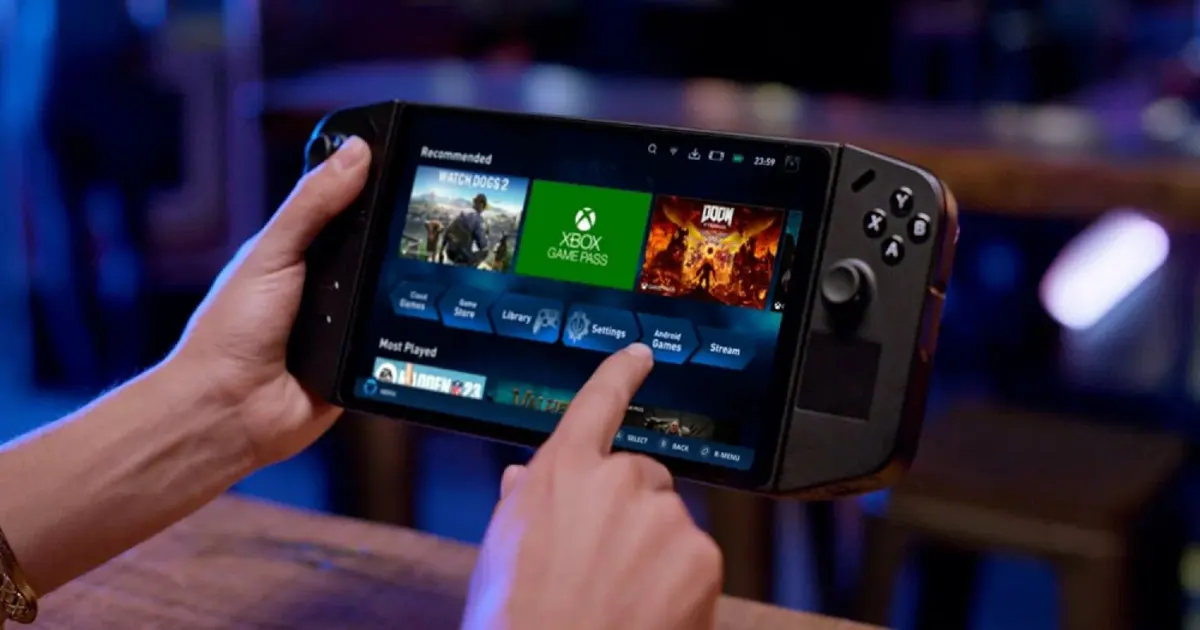
Lenovo took a no-compromise approach to size, creating the largest device among the top three. Its standout feature is a stunning 8.8-inch high-resolution display, turning any game into a visual feast. The large screen makes text in strategy and RPG games easy to read, and Windows 11 navigation doesn't require squinting or a magnifier.
Control Features and Who Will Love It
- Detachable controllers: Just like a Nintendo Switch, the controllers snap off. The built-in kickstand lets you set the console on a table and play with controllers in both hands.
- Vertical mouse mode: The right controller even transforms into a vertical mouse for shooters, offering a serious advantage in FPS games.
- Portability trade-off: Due to its weight, it's less comfortable for handheld play in transit-better suited for bedside gaming or long flights.
Direct Comparison: Which Portable Console Is Best?
There's no perfect device-your ideal portable console depends on how and where you plan to play. Steam Deck and ASUS ROG Ally feature more traditional, solid designs, while the Lenovo Legion Go blurs the line between handheld and tablet.
Displays, Ergonomics, and Game Libraries
- Steam Deck: Leads in battery life and easy access to Valve's library. Its OLED screen offers the deepest blacks.
- ASUS ROG Ally: Delivers top-tier compatibility with third-party launchers, ultimate performance, and a VRR display for ultra-smooth visuals-even at 40 fps.
- Lenovo Legion Go: Stands out for display size and versatile controls, but needs a power outlet to unlock its full potential.
- If you need more horsepower for demanding new games, cloud gaming works flawlessly on any Windows console or via browser in SteamOS.
Conclusion
The mobile gaming industry has reached a point where pocket PCs are no longer a compromise-they're fully capable gaming platforms. Steam Deck OLED is the best choice for those who value comfort, long battery life, and plan to play mostly within the Valve ecosystem. ASUS ROG Ally is perfect for power users who want maximum performance, out-of-the-box Windows game support, and flawless visuals. Lenovo Legion Go is a niche but amazing device for fans of big screens and desktop-style gaming with detachable controllers.
FAQ
-
Which is more powerful: ROG Ally or Legion Go?
Both consoles use flagship AMD chips (Z1 Extreme series) and deliver similar raw performance. However, Legion Go's higher native screen resolution may result in lower frame rates unless aggressive upscaling is used. -
Which console is best for long gaming sessions on the go?
The Steam Deck OLED is the clear leader in battery life. Thanks to optimized SteamOS and an efficient chip, it can last several times longer in less demanding indie games than its Windows-based competitors. -
Is it worth buying a portable console instead of a full PC?
Yes, if mobility and playing away from your desk are priorities. When docked with a monitor, keyboard, and mouse, any of these consoles becomes a solid basic PC-but they can't match the performance of top-end desktop GPUs at 4K resolution. -
Can you play non-Steam games on the Deck?
Yes, the open Linux architecture lets you install third-party launchers (Epic Games, GOG) via apps like Heroic or Lutris. You can even install full Windows if you wish, though you'll lose the signature SteamOS convenience.