The Evolution of Tactical Shooters on PC: Realism, Physics, and Top Games
Modern tactical shooters on PC focus on realistic physics, ballistics, and advanced injury systems, moving far beyond classic arcade-style FPS experiences. This guide compares Arma 3, Squad, Ready or Not, and Escape from Tarkov, exploring how authenticity and gameplay innovations are reshaping the genre for dedicated players.

Tactical shooters on PC have evolved significantly from classic arcade-style FPS games. In these modern titles, victory hinges less on twitch reflexes or the ability to aim mid-jump and more on positional advantage, effective communication, and a deep understanding of in-game weapon physics.
In recent years, the genre has experienced a renaissance. Developers are moving away from simplified conventions in favor of authentic ballistics, advanced injury simulation, and realistic body armor mechanics.
Anatomy of Realism: How Physics Work in Hardcore Shooters
Ballistics and Bullet Flight Physics: Trajectory Drop, Drift, and Muzzle Velocity
Unlike arcade shooters that rely on raycasting (instant hit detection upon firing), hardcore simulators generate a physical bullet object when you pull the trigger. Gravity, air resistance, and the bullet's initial velocity all come into play. At extreme distances, drift-caused by the bullet's spin-must be accounted for. This forces players to adjust their sights for range and to lead moving targets.
Damage Models and Systemic Medicine: Kinetic Energy, Bleeding, and Shock
Instead of the traditional health bar, realistic tactical shooters use complex damage systems based on organ injuries and residual kinetic energy. Shots to limbs cause bleeding and slow movement, while shockwaves from nearby explosions can blur vision and throw off aim. Surviving isn't just about using a medkit-players must stop bleeding with a tourniquet, stitch wounds, and administer painkillers.
Armor and Penetration Physics: Ricochets, Entry Angles, and Plate Types
Modern combat simulators on PC meticulously calculate bullet interactions with obstacles and armor. Whether a bullet penetrates depends on its type (armor-piercing, hollow-point), kinetic energy, the material of the armor plate (ceramic, steel, Kevlar), and the angle of impact. If a bullet strikes at a sharp angle, ricochet mechanics kick in. Bullets that penetrate thin cover lose stopping power and may deviate from their path.
Large-Scale Military Simulators: Arma 3 vs. Squad
Arma 3: A Global Simulator with Advanced Vehicle Physics and Ballistics
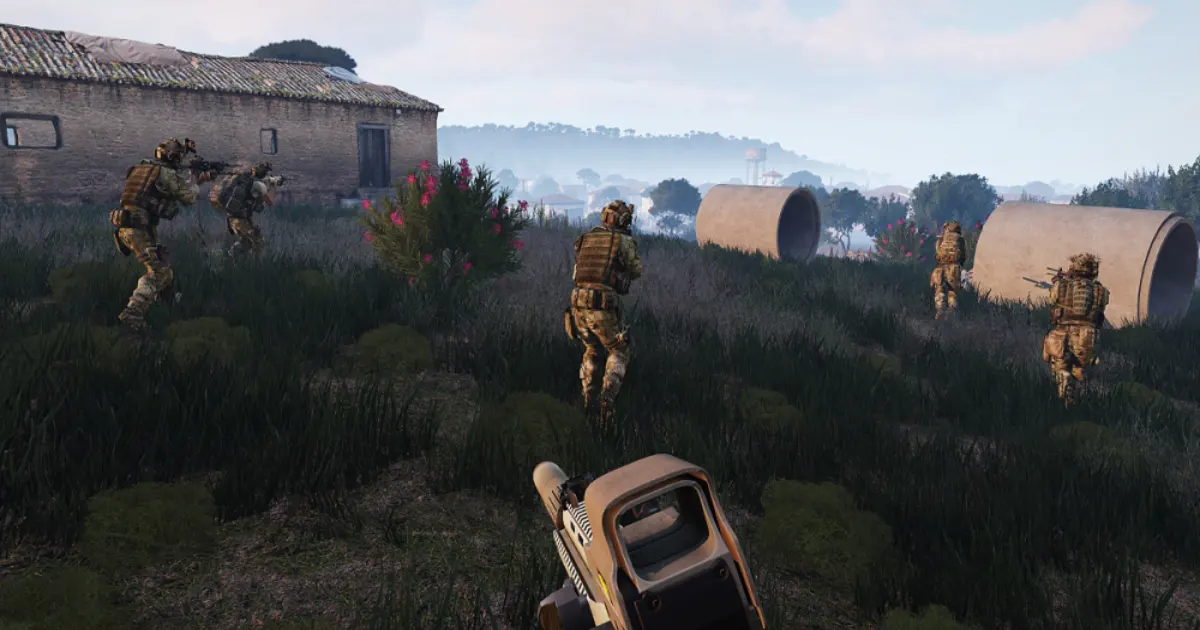
Arma 3 remains a benchmark for simulating massive open-field battles. Its engine calculates projectile physics considering mass, air resistance, and even wind over vast distances. Armor penetration mechanics account for varying armor thicknesses and slopes, and ricochets from rounds like 7.62mm and above can injure infantry hiding behind light vehicles.
Squad: Teamwork Dynamics, Suppression Physics, and Heavy Ballistics
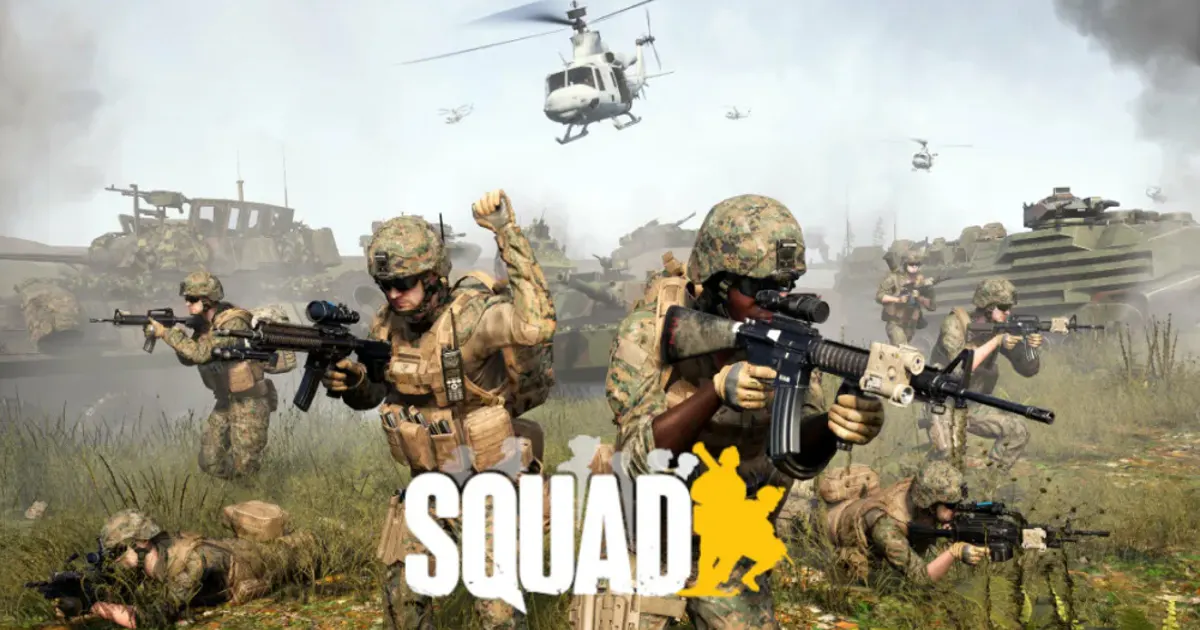
Squad strikes a balance between hardcore simulation and team-based FPS action. Its suppression system blurs vision and disrupts character breathing when bullets fly nearby, pushing players toward cover rather than reckless firefights. The game combines nuanced infantry weapon ballistics with a strong emphasis on squad coordination.
Comparing Physical Models: When Realism Helps or Hinders Gameplay
Arma 3's commitment to hardcore realism can make controls cumbersome and the learning curve steep. Squad simplifies some aspects-such as extreme-range ballistics-to enhance match pacing and maintain thrilling, communication-driven encounters.
Close Quarters Combat (CQB): Ready or Not and SWAT Raid Simulation
Ready or Not: Ricochet Physics Indoors and Wall Penetration Modeling
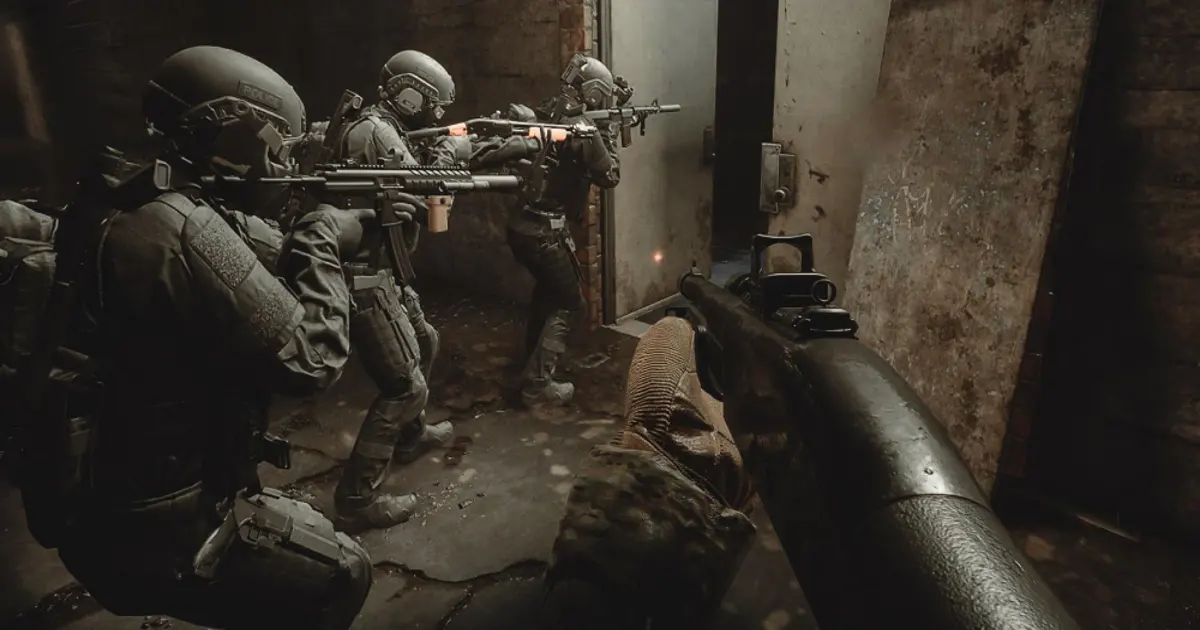
In tight environments like suburban homes, warehouses, and offices, traditional ballistics give way to bullet interactions with building materials. In Ready or Not, caliber and ammo type directly affect penetration of drywall, wooden doors, and thin brick walls. The engine meticulously calculates ricochets off concrete and metal; a hollow-point round striking a hard surface at a sharp angle can bounce and hit teammates or hostages, demanding precise positioning.
Psychology and Ballistics: How Less-Lethal Weapons and Recoil Physics Shape CQB Tactics
CQB simulation goes beyond lethal force. Recoil and muzzle rise mechanics encourage players to use single shots for control. Deploying less-lethal gear-like pepper spray, tasers, or rubber bullets-triggers unique NPC reactions. Gas or shock effects may compel suspects to surrender, reducing risks to civilians.
Extraction Shooters and Survival Simulation: Escape from Tarkov
Escape from Tarkov: The Ultimate Benchmark for Weapon and Ammo Physics
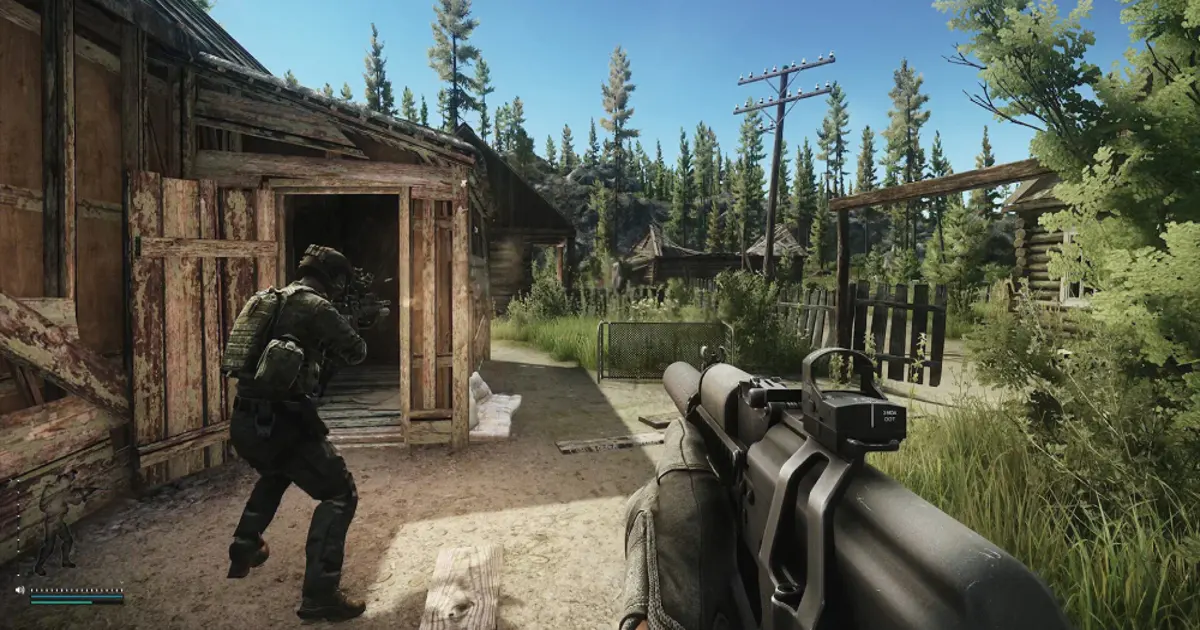
Escape from Tarkov set a new standard for detailed weapon systems. The game considers bullet muzzle velocity, barrel length, overheating, jamming probability, and the depth of personal armor penetration. Each ammo type features unique ballistic profiles and tabulated penetration values for different armor classes. A bullet that fails to penetrate still transmits blunt trauma, stunning the character and reducing stamina.
Games Like Escape from Tarkov: Realistic Ballistics in the Extraction Shooter Wave
Tarkov's success gave rise to a subgenre of extraction shooters. New titles adopt complex ballistics, sound physics, and realistic loot economies, each offering varied levels of challenge. Developers now focus on acoustic physics: how footsteps and gunshots propagate through walls, corridors, and open spaces depending on surface materials.
How to Choose the Best Hardcore Shooter for Your PC and Playstyle
For team play and large-scale tactics with vehicles, Squad and Arma 3 are top choices. Fans of high-stakes CQB will prefer Ready or Not, while those seeking maximum weapon detail and the thrill of risking gear should try Escape from Tarkov.
Simulating hundreds of bullets, shrapnel, and complex armor systems can heavily tax your CPU and RAM. If your game lags during intense firefights, check out the guide How to Increase FPS in Games Without Upgrading Your PC for practical tips and instructions.
Conclusion
The evolution of physics and ballistics has transformed tactical shooters from a niche hobby into one of the most popular PC genres. Choosing the right game depends on your preferred battle scale and willingness to master complex mechanics. Whether you crave deep teamwork or precise CQB, there's a project to match your expectations for physics and gameplay.
FAQ
-
Squad or Arma 3: Which is better for playing with friends?
Squad is ideal for dynamic evening sessions, thanks to its organized servers and easy entry into team battles. Arma 3 requires more prep time and mod setup but offers limitless possibilities for large-scale military operations. -
Ready or Not: Is it worth buying for solo players?
The game features advanced AI teammates that can follow detailed commands. However, its full potential and excitement shine brightest in co-op with real players. -
Why does FPS drop so much during firefights and explosions in hardcore shooters?
During intense battles, the game engine simultaneously calculates the ballistics of dozens of bullets, ricochets, destructible cover, smoke physics, and flying debris-putting much more load on processors than typical arcade shooters. -
Which game offers the most realistic medical and damage systems?
Escape from Tarkov and specialized Arma 3 mods provide the deepest medical simulations, accounting for bleeding types, fractures, pain, shock, and the effects of various medications.
Tags:
Similar Articles