The Best Turn-Based Strategy Games on PC: Top Picks for Every Tactician
Discover the definitive turn-based strategy games for PC, from tactical squad combat to grand empire management. Learn the key differences between genres, find must-play titles like XCOM 2 and Civilization VII, and get guidance on choosing the right game for your playstyle or experience level.

Turn-based strategy games on PC offer a tactical experience without the need to rush. Players can carefully analyze the battlefield, assess resources, predict enemy actions, and make thoughtful decisions at every turn. Unlike games that demand lightning-fast reflexes, these titles reward the ability to plan several steps ahead and adjust to the outcomes of your previous moves.
Understanding Turn-Based Strategies and How They Differ from RTS
The defining trait of a turn-based strategy is that the game's time is split into discrete turns. You're given an opportunity to perform available actions, after which control passes to your opponent or other players. Until your turn ends, you're free to assess the situation and map out your next move.
In real-time strategy (RTS) games, everything happens simultaneously. While you're building a base or moving a squad, your opponent might be launching an attack elsewhere. RTS games require not only strategic thinking but also the ability to simultaneously manage your army, economy, and production under time pressure.
In turn-based games, there's much less time pressure. Before an attack, you can check hit probabilities, pick cover, measure enemy movement range, or even decide if you should engage at all. Mistakes here stem more from poor decisions than from slow reactions.
Turn mechanics vary between games. Sometimes, an entire army acts before the opponent's turn begins; in others, characters and units act in a set initiative order. Action points are also common, limiting how much a fighter can move, use abilities, or attack in a single turn.
It's also important to distinguish between tactical and grand strategy turn-based games. Tactical games focus on individual battles, positioning, cover, weapon choice, and special abilities-like in XCOM. Grand strategy games operate at a larger scale, where you manage an entire civilization, develop cities, research technologies, forge alliances, and wage wars over many turns-as in the Civilization series.
Some titles blend both approaches, letting you expand territories and build armies on a world map, then resolve clashes in detailed turn-based battles. This hybrid style appeals to fans of intricate squad tactics and those who enjoy building empires and long-term planning alike.
Top Turn-Based Tactical Strategies on PC
If you want to command a small squad and plan every move with care, turn-based tactical games deliver just that. Here, positioning, cover, unique character abilities, and move order are crucial.
XCOM 2 - The Modern Benchmark of Turn-Based Tactics
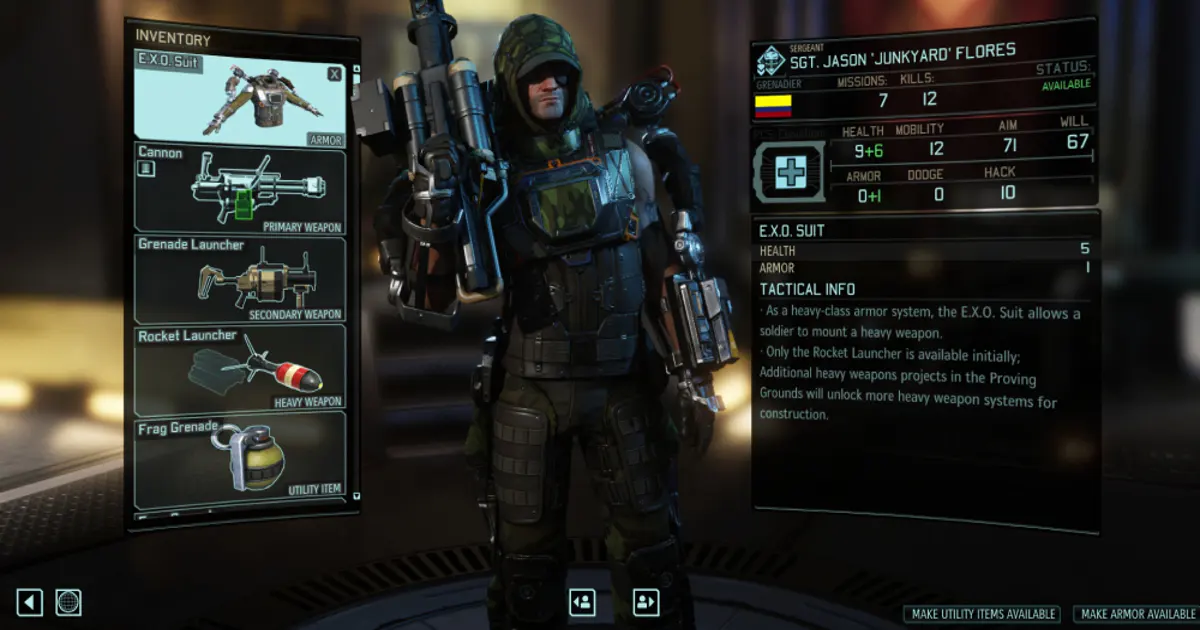
XCOM 2 centers on managing a squad fighting against overwhelming alien forces. Most missions play out on tight maps where every tile counts-a single misstep can leave a soldier exposed and doomed.
Each turn, soldiers can move, attack, use special abilities, or reposition. Hit probabilities add tension-even a perfect shot can sometimes miss, so having a backup plan is essential.
Between missions, you develop the XCOM base: researching technology, crafting gear, recruiting soldiers, and managing scarce resources. Losing a veteran hurts, as each soldier develops unique skills over time.
This blend of tactical missions and strategic base management has made XCOM 2 a gold standard for modern turn-based tactical games.
Jagged Alliance 3 - Mercenaries, Weapons, and Player Freedom
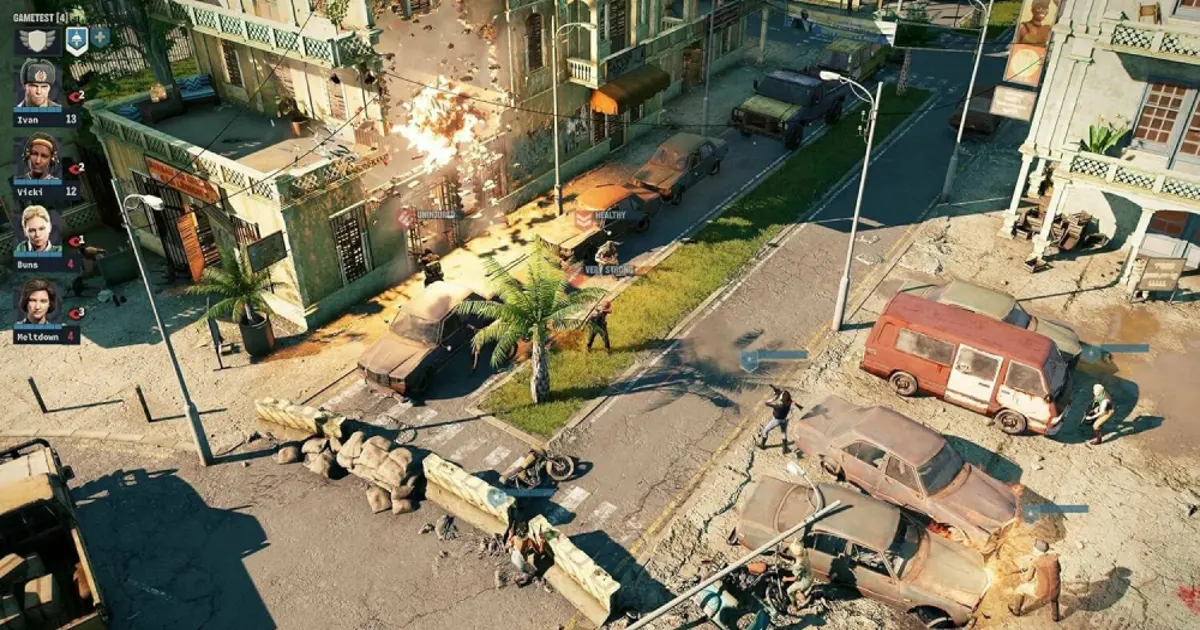
Jagged Alliance 3 offers a similar squad control experience but emphasizes unique mercenary personalities and freedom in how you approach missions. Each mercenary comes with distinct stats, skills, costs, and personalities.
Combat demands careful attention to range, cover, weapon types, line of sight, and enemy positions. You can sneak around, set up ambushes, or go in guns blazing.
Outside of battles, squads move across a global map, capturing territories and completing assignments. These choices directly impact future missions, blending pure tactics with broader strategic decisions.
Jagged Alliance 3 is perfect for those who love XCOM-style games but want more freedom in squad composition and mission approach.
Battle Brothers - Deep Tactics and Mercenary Management
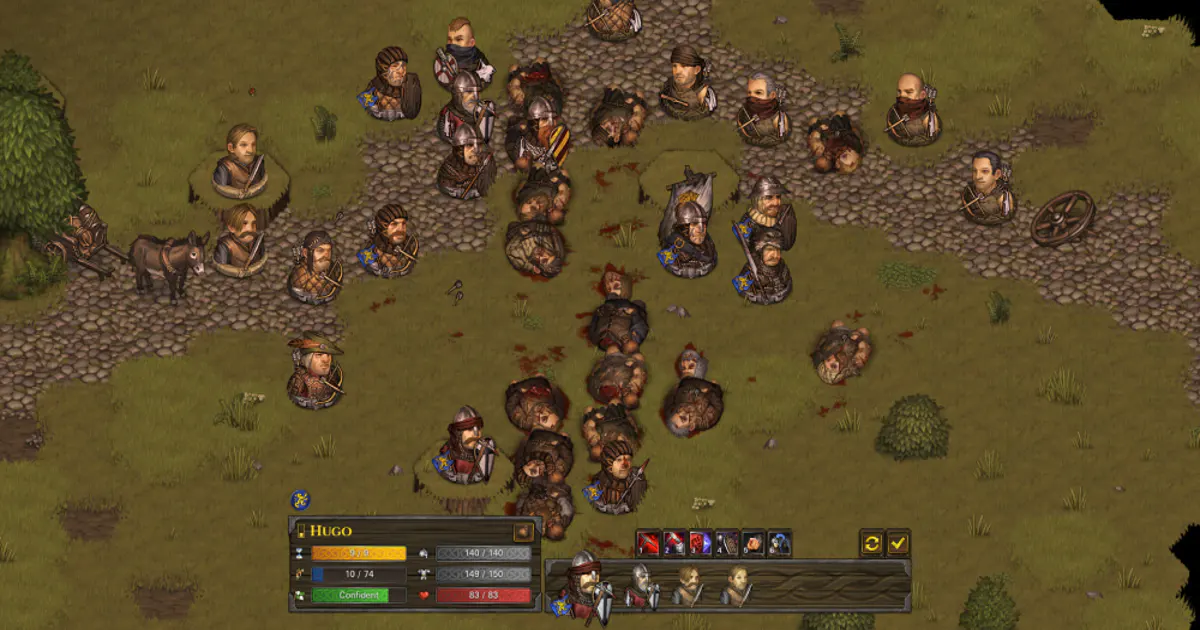
Battle Brothers puts you in charge of a mercenary company in a grim fantasy world. The combat uses swords, spears, bows, and shields instead of high-tech weaponry, but the tactics remain deep and challenging.
Characters gain experience but are always vulnerable-one mistake can lead to injuries or permanent losses. Adapting your lineup to available resources and upcoming threats is crucial.
Formation, weapon range, stamina, and flanking are all vital. Spears can keep enemies at bay, heavy fighters hold the line, and archers shine with good visibility.
Between battles, your band travels, takes contracts, buys gear, and recruits. Procedural world generation ensures every campaign feels fresh, making Battle Brothers ideal for those who crave challenging, replayable tactics.
Into the Breach - Every Move is a Puzzle
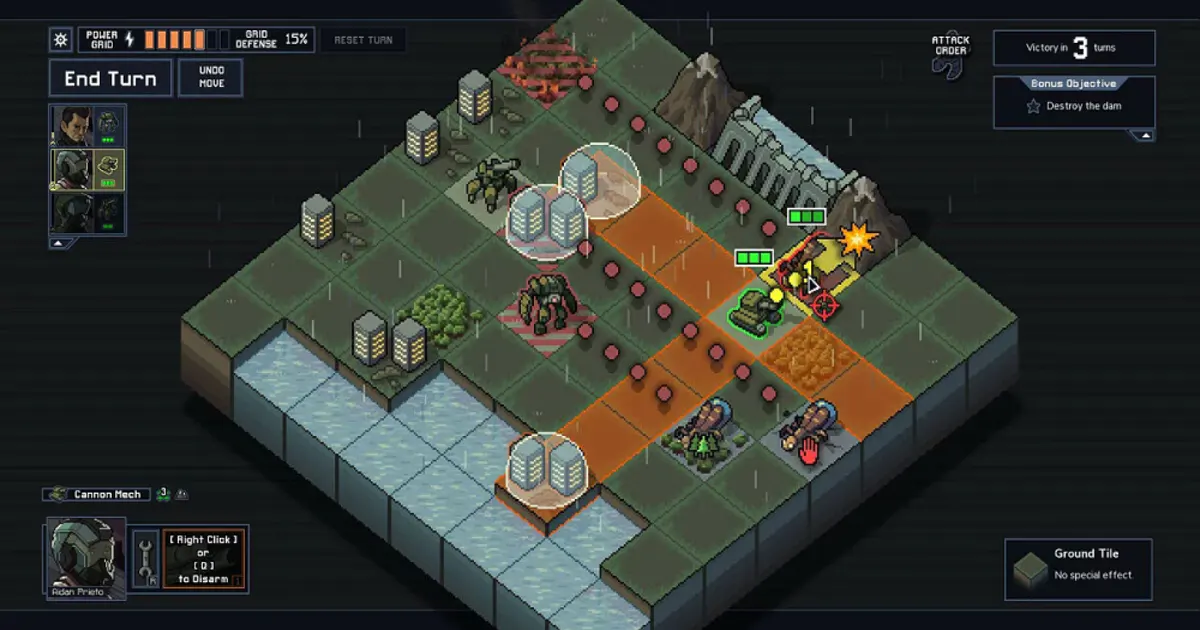
Into the Breach looks simpler than most tactical games, but its minimalist design hides a brilliant combat system. You control a few mechs defending cities from giant monsters.
The twist: enemy actions are revealed in advance. The challenge isn't guessing, but finding the best response-sometimes it's better to push an enemy away, knock them into water, or cause them to hit each other instead of attacking directly.
This turns every battle into a tactical puzzle, where a few smart moves can turn the tide. Matches are shorter than in XCOM 2 or Battle Brothers, making Into the Breach perfect for those who want deep tactics without managing vast resources or complex systems.
The Best Grand Strategy and 4X Turn-Based Games
While tactical games put you in charge of a handful of fighters, grand strategy titles operate on an entirely different scale-cities, armies, economies, research, and diplomacy. A single campaign can last dozens of hours, with early decisions echoing hundreds of turns later.
Civilization VII - Guiding a Civilization Through the Ages
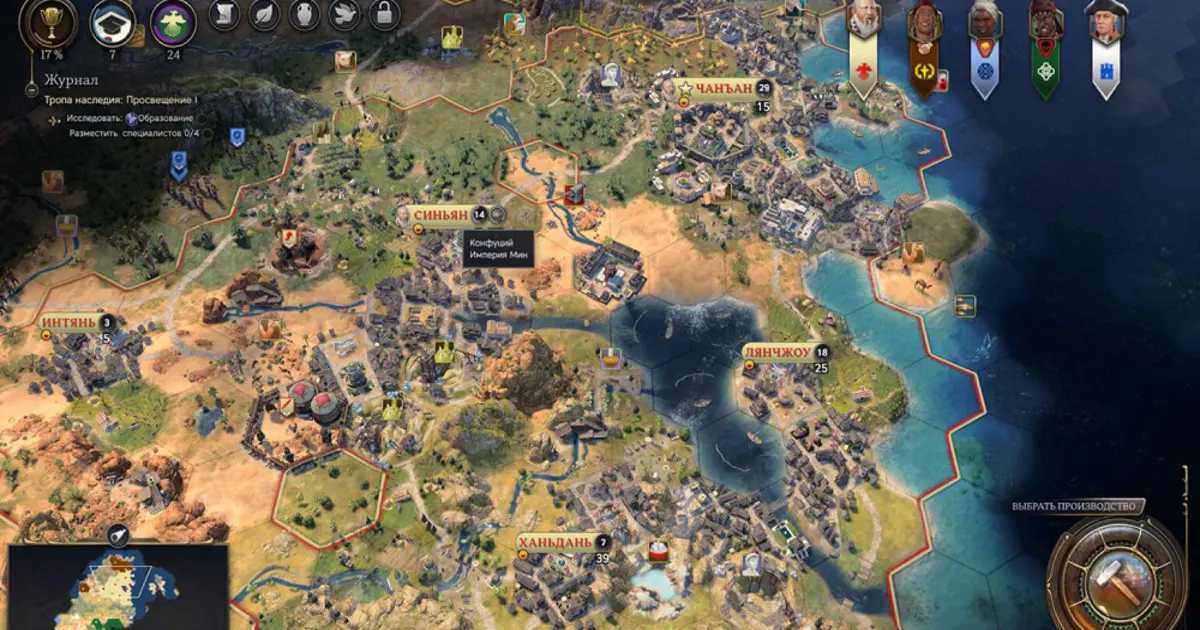
The Civilization series remains the benchmark for global turn-based strategies. In Civilization VII, you start with a fledgling nation, expand your territory, found cities, research technologies, and compete with rival powers.
Each turn, you must allocate resources among competing priorities-science, economy, military, or diplomacy. Trying to excel at everything often leads to more focused opponents pulling ahead.
City placement is critical. Available resources, neighboring lands, and other nations' positions shape your growth. Even a peaceful campaign becomes a series of strategic trade-offs: where to found a city, which technology to research, and whether to invest in the military.
Civilization VII is perfect for those wanting a game like Civilization for its vast scale and the chance to build a nation's story over many turns.
Old World - Statecraft, Politics, and Dynasties
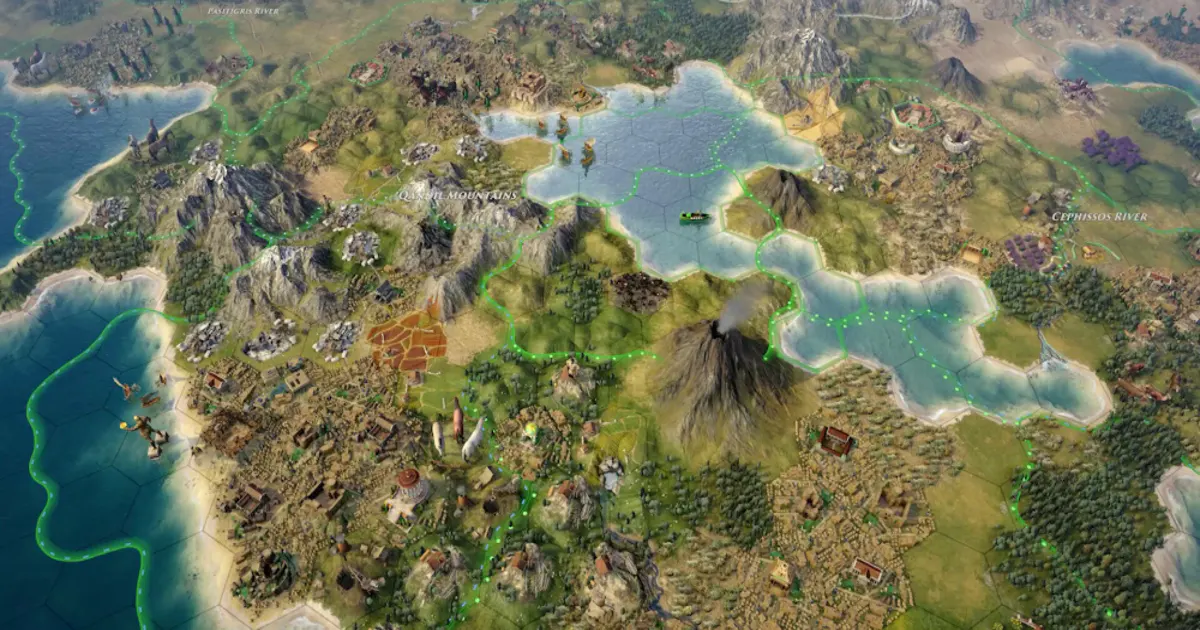
Old World uses the familiar 4X formula but adds a human dimension: your ruler ages, starts a family, appoints heirs, and interacts with other characters.
This makes diplomacy more personal. Relationships depend not only on armies and resources but also on rulers, families, and political events. The death of a key figure can upend your plans and shift the balance of power.
The order system is also unique: you have a limited pool of orders per turn, forcing tough choices about what's most important right now-moving armies, sending scouts, or managing internal affairs.
Old World is ideal for fans of Civilization seeking deeper politics, dynasty management, and constant prioritization.
Songs of Conquest - A Modern Take on the Heroes Formula
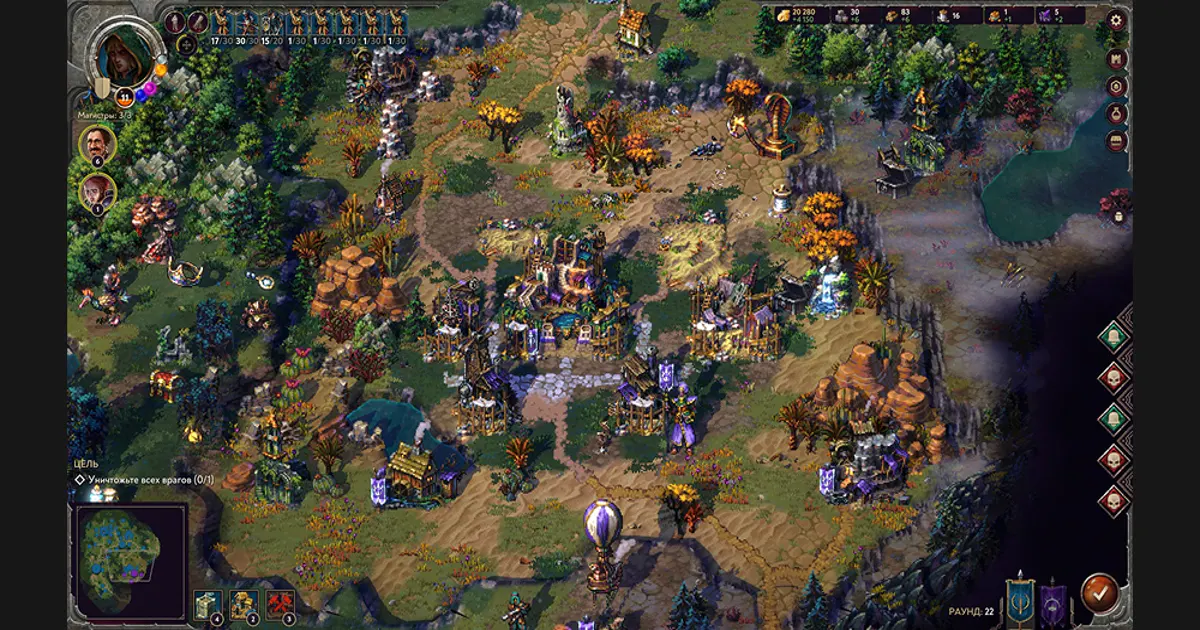
Songs of Conquest blends city development, world exploration, and turn-based battles. Its structure is reminiscent of classic Heroes of Might and Magic: your hero travels, gathers resources, builds up armies, and captures key sites.
You must pick routes carefully and prioritize which territories to explore. Every move matters-while one hero collects resources off the main road, an opponent might seize a city or gain access to stronger troops.
Combat splits armies into squads on a grid, where initiative, range, terrain, and abilities play pivotal roles. Even a larger force can suffer heavy losses from poor tactics.
Songs of Conquest streamlines economic management, making it a great pick for those who want to grow cities, explore, and enjoy tactical battles without getting bogged down by overly complex systems.
If you're more interested in city-building and development, check out our dedicated guide: Best City-Building Strategy Games on PC: From Cozy Towns to Megacities.
Even within this genre, grand strategy turn-based games differ greatly. Civilization VII focuses on civilization growth, Old World adds dynastic politics, and Songs of Conquest combines a global map with tactical battles.
How to Choose the Right Turn-Based Strategy
Your choice depends on what you want to control-a small squad, an entire empire, or both army and development at once. Even the best turn-based strategy games on PC can feel radically different based on scale, complexity, and campaign length.
If You Enjoy XCOM
After XCOM 2, Jagged Alliance 3 is a natural next step. Both require managing a small squad, picking positions, and accounting for weapons and stats, but Jagged Alliance 3 offers more freedom between battles thanks to its mercenary system and global map.
Battle Brothers is for those seeking a harsher game with higher stakes-lost veterans don't return, and a single bad choice can cripple your squad. Instead of sci-fi, you'll contend with a dark medieval fantasy setting.
Into the Breach delivers a completely different pace. With only a handful of mechs, enemies telegraph their moves, and your challenge is to find the optimal turn order. It's ideal if you love tactical planning but want to skip base-building and large squads.
If You Enjoy Civilization
For sprawling campaigns about nation-building, Civilization VII remains the obvious pick. You'll manage economics, research, diplomacy, expansion, and wars, turning a tiny nation into a global powerhouse.
Old World builds on that foundation but ties strategy more closely to individual characters. Rulers age and die, influential families emerge, and relationships can alter your country's fate, adding a dynastic management layer to empire-building.
If you want to explore other strategy subgenres, check out our roundup: Top 10 Strategy Games of 2025: Best Titles and Major Trends.
If You Want Fantasy and Exploration
Songs of Conquest is perfect for fans of Heroes of Might and Magic and similar games. Most of your time is spent exploring, gathering resources, developing settlements, and empowering heroes.
Battles happen separately and are fully turn-based, so you never have to choose between world-building and tactics-they constantly alternate within each session.
If You're New to Turn-Based Strategies
You don't need to start with the biggest 4X titles. Into the Breach quickly teaches the basics, concentrating on a few units and a small map-most mechanics are clear after just a few games.
Songs of Conquest also introduces core principles with ease: move your hero, gather resources, upgrade cities, and fight battles. There's enough depth that it doesn't get boring after a few hours.
Civilization VII is much more expansive, involving cities, economies, technologies, and diplomacy; expect your first games to be a learning experience more than perfect play.
If You Want Maximum Tactical Depth
For squad-level control, XCOM 2, Jagged Alliance 3, and Battle Brothers are your best bet. Understanding each character's abilities, building a balanced team, and considering every move's consequences is vital.
Grand strategies like Civilization VII or Old World offer a different kind of depth: here, individual battles are just one part of the overarching challenge, and your biggest decisions shape the future of your empire.
The complexity of turn-based games isn't just about mechanics-sometimes, a handful of fighters on a small map presents more tricky decisions per turn than running a sprawling empire.
Why Turn-Based Strategies Remain Exciting in 2026
Turn-based strategies have stood the test of time because their core appeal isn't tied to graphics or reflexes. The real draw is the decision-making: where to position units, which technology to research, when to start a war, and whether to risk everything for a potential reward.
Even repeat playthroughs feel different. In XCOM 2, your squad and mission outcomes change; Battle Brothers generates a new campaign each time; and in Civilization VII, progress depends on neighbors, resources, and your chosen path.
High replayability is especially evident in games where multiple systems interact. Losing a soldier can shift your entire strategy, resource shortages can halt city growth, and early conflicts can shape diplomatic relations for hundreds of turns. Familiar mechanics still create new scenarios.
Another advantage is playing at your own pace. There's no need to maintain a frantic tempo or monitor the whole map nonstop. You can pause before tough choices, weigh options, and proceed only when you're ready.
Modern turn-based games increasingly blend genres-mixing tactical combat with RPG progression, base development, global maps, and economic management. That's why there's so much variety between XCOM 2, Old World, and Songs of Conquest, despite all being labeled "turn-based strategy."
This genre remains relevant because it's less about speed and more about analysis, experimentation, and finding your own solutions.
Conclusion
The best turn-based strategy games on PC don't stand out by their unit count or map size, but by the kinds of decisions they demand. XCOM 2 and Jagged Alliance 3 offer tight tactical battles, Battle Brothers caters to fans of punishing difficulty and meaningful consequences, while Into the Breach is perfect for those who love concise, puzzle-like encounters.
If you'd rather rule a nation than a squad, Civilization VII and Old World are your go-to picks. The former emphasizes civilization-building, economy, and diplomacy, while the latter adds dynasties and political intrigue. Songs of Conquest sits in between, merging world exploration with tactical combat.
For newcomers, Into the Breach or Songs of Conquest are excellent starting points before moving on to more complex systems. The enduring advantage of turn-based strategies is that they give you time to think, making success depend much more on your tactics than your reaction speed.
Tags:
Similar Articles